
Abstract:
Supply chain news shows that Apple plans to fully upgrade the iPad Air product line to OLED displays in the first half of 2027, which means that both existing iPad Air sizes will say goodbye to LCD panels. In fact, rumors about the OLED iPad Air have been going on for more than a year. As early as October 2025, there was news that Apple was developing an iPad Air with an OLED screen, and the release time is not expected to be earlier than 2027. Recent relevant revelations have further narrowed the time frame to the first half of 2027, while the latest report adds shipment forecasts and supply chain allocation.
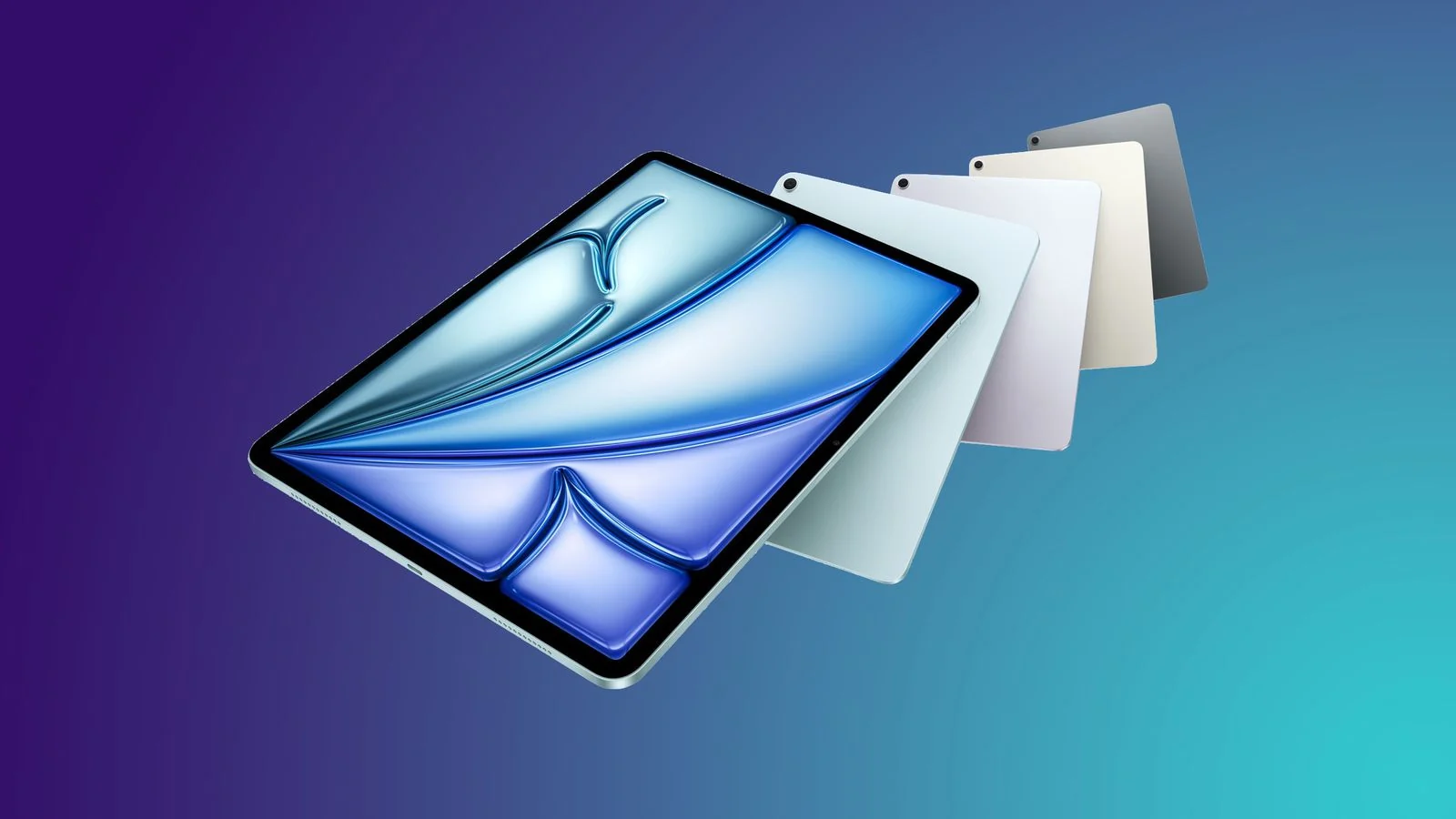
In terms of panel supply, Samsung Display is expected to become the main screen supplier for the OLED version of iPad Air. At the same time, BOE is seeking orders for one of its sizes, but it still needs to complete supplier qualification certification from Apple. If it can obtain related orders for both iPad Air and iPad mini, Samsung is expected to become Apple's largest supplier of OLED iPad panels. In the field of high-end products, LG Display is expected to continue to maintain its dominant position in iPad Pro OLED panels.
Industry forecast data shows that shipments of the OLED iPad Air and OLED iPad mini are both expected to reach 4 million to 5 million units in 2027, while the OLED iPad Pro is expected to ship approximately 3 million to 4 million units. Among them, the data for iPad Air and iPad Pro both include two screen size models. In contrast, the current forecast sales of iPad Pro are significantly lower than its pre-launch target level of approximately 10 million units per year. Industry insiders believe that the higher selling price is one of the important reasons why demand performance is lower than expected.
The current iPad Air equipped with the M4 chip still uses an LCD display. If this upgrade is successfully implemented, the iPad Air will become Apple's third iPad product line using OLED display technology. Previously, the iPad Pro was the first to introduce an OLED screen in 2024, and the new iPad mini equipped with an 8.5-inch OLED panel was officially launched in November this year.
According to reports, the OLED version of iPad Air will use a single-layer light-emitting structure similar to the OLED version of iPad mini, and will be equipped with LTPS (low-temperature polysilicon) backplane technology. In contrast, the iPad Pro uses a double-layer light-emitting structure to achieve higher brightness performance, and is equipped with a more advanced LTPO (low-temperature polycrystalline oxide) backplane.
The advantage of LTPO technology is that its oxide transistors allow pixels to retain charge longer during the refresh interval, thereby reducing the number of refreshes and reducing power consumption under static images. Relying on this technology, the ProMotion display system of iPad Pro can achieve a variable refresh rate between 10Hz and 120Hz. According to previously exposed information, the OLED version of the iPad Air is expected to maintain a 60Hz refresh rate, which means that the ProMotion high refresh rate function will remain a high-end feature exclusive to the iPad Pro in the future, further strengthening the positioning distinction of Apple's tablet product line.
Comments