
Abstract:
Apple previously won a trade secret lawsuit involving the iPhone's anodizing process, but with the launch of the appeal process, the case, which dates back to 2020, has once again attracted attention. The plaintiff Envirodigm hopes to continue the case through appeal and is trying to prove that Apple has engaged in inappropriate behavior in the use of relevant technologies.
According to case information, consulting firm Envirodigm sued Apple in 2020, accusing it of stealing trade secrets. Envirodigm said that the two parties held a meeting in August 2013, and the company disclosed to Apple a secret anodizing process that can be used in iPhone manufacturing under a confidentiality agreement. However, Apple subsequently began to adopt related technical solutions in 2015 without further cooperation with the company and continues to use them today.
The case ended with Apple winning in the first instance. The main reason for the court’s summary judgment was that Envirodigm failed to clearly disclose the specific content of the formula that it claimed was stolen. Apple recently told the California Court of Appeal that the lower court’s decision should remain unchanged. Apple attorney Michael von Lowenfeldt pointed out that according to existing jurisprudence, if the plaintiff fails to clearly state the relevant content in the disclosure of trade secrets, its claim cannot be established, and this is the core issue in this case.
Looking back at the background of the case, Envirodigm is a consulting company. At that time, Apple wanted to find a suitable anodizing solution for future iPhone products, so it hired the company to provide professional advice. During the August 2013 meeting, Envirodigm introduced its proprietary formula to Apple under a confidentiality agreement.
The lawsuit documents stated that Apple did not continue to cooperate with Envirodigm after the meeting, but it absorbed and improved the relevant technology and has put it into use since the iPhone products released in 2015. Envirodigm further claimed that this process has been used in the production of subsequent models.
The reason why the court previously supported Apple is that the relevant judicial practice in California clearly stipulates that insufficient disclosure or vague description of trade secrets cannot be the basis for a trade secret infringement claim. As a result, Envirodigm suffered a major setback in its trade confidentiality claims.
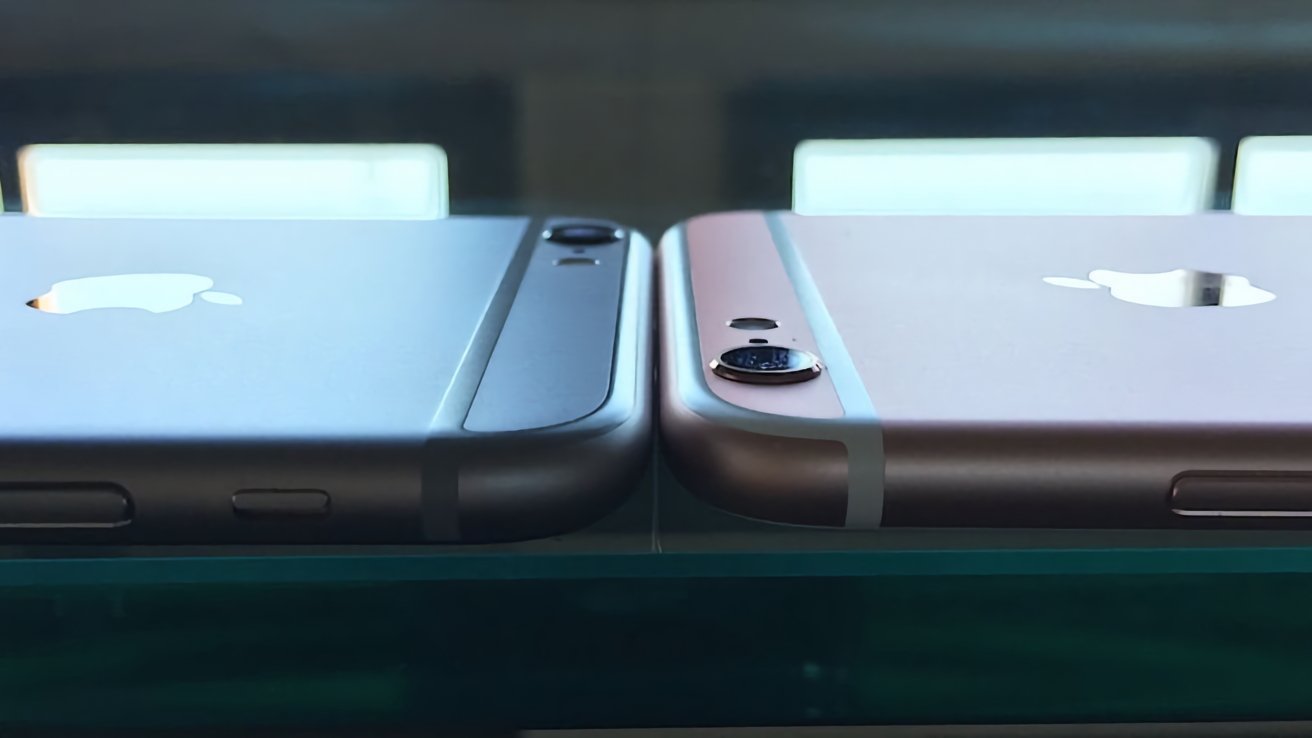
One thing worth noting in the case is that Envirodigm accused Apple of starting to adopt relevant new processes in 2015, which coincided with the launch of the iPhone 6s. At that time, the appearance of iPhone 6s was very close to the previous generation iPhone 6, and the iPhone 6 series was an important stage for Apple to shift from a glass sandwich design to an aluminum body. Some people believe that Apple may need to improve the anodizing process in order to adapt to higher-strength aluminum materials, but the relevant consultation occurred in 2013, before the "Bendgate" incident occurred. In any case, the court's initial summary judgment in favor of Apple also reflected the obvious lack of evidence in the plaintiff's request.
However, Envirodigm did not rely entirely on the claim of trade secret infringement in its latest appeal, but emphasized that Apple allegedly violated the confidentiality agreement signed by both parties. Its lawyers believe that even if the allegation of trade secret infringement fails to be established, the breach of contract claim can still exist independently and should not be denied along with the failure of the former.
Envirodigm also stated that Apple has actually admitted to using a formula with an "organic acid to inorganic acid ratio of 2 to 1" when anodizing the aluminum iPhone body. The company said that Apple began experimenting with this ratio within two months after the August 2013 meeting, and eventually applied it to the iPhone production process after 2015, and continued to use it for a long time.
Currently, the future trend of the case depends on whether the appeal judge recognizes Envirodigm’s view that “breach of contract claims and trade secret infringement claims are two independent legal issues.” Apple insists that there is no substantial difference between the two and they should be bound by the same summary judgment, thus ending the entire appeal process. The debate between the two parties around this core legal issue will determine whether the case can proceed to the next stage of trial.
Comments