
Abstract:
After Apple’s first foldable screen mobile phone, iPhone Duo, was launched, problems such as internal screen cracking and abnormal display occurred one after another. The latest supply chain news claims that in order to deliver more devices on time despite tight production capacity, Apple lowered some quality inspection standards in the early stages of mass production. However, this statement has not been officially confirmed by Apple, and other supply chain sources have clearly denied that Apple has adjusted its internal quality inspection requirements.

According to Chinese media Jiemian News, a Foxconn employee revealed that the iPhone Duo production line had previously faced greater capacity pressure, and Apple had relaxed some yield inspection requirements to ensure that the equipment could continue to be shipped. According to this statement, lowering the inspection threshold means that some products that may have been screened out during the inspection process have the opportunity to enter the market, thus increasing the risk for consumers to buy potentially defective equipment.
The employee also talked about structural issues that may be involved in the internal screen failure, and his description is generally consistent with the analysis previously proposed by the repair organization iFixit. iFixit established a hinge structure model based on disassembly data, relevant patents and CT scan results. It believes that during the folding process, the central support rod near the screen may not have been avoided in time, causing the inner screen to partially bear excessive mechanical stress. The relative position between the hinge rail and the surrounding structure may also affect screen safety.
Previously, some users reported that the iPhone Duo’s internal screen had cracks or abnormally bright lines near the hinge. Some of the faults appeared soon after the device was launched. Apple admitted on October 26 that a small number of iPhone Duo models had internal screen issues and advised affected users to contact AppleCare for a replacement device. However, Apple has not publicly confirmed the specific cause of the failure, nor has it announced a comprehensive recall or a repair plan for all devices.
The latest report also stated that the same Foxconn employee said that a batch of parts had been urgently replaced on the production line, but the current production and stocking plans have not changed significantly as a result. Relevant Chinese supply chain news estimates that Apple plans to produce about 7.5 million iPhone Duo units this year. Due to the complex structure of the folding screen and hinge, as well as the supply and yield problems of some key components, the challenges faced by the mass production of the whole machine are significantly higher than those of traditional candy bar mobile phones.
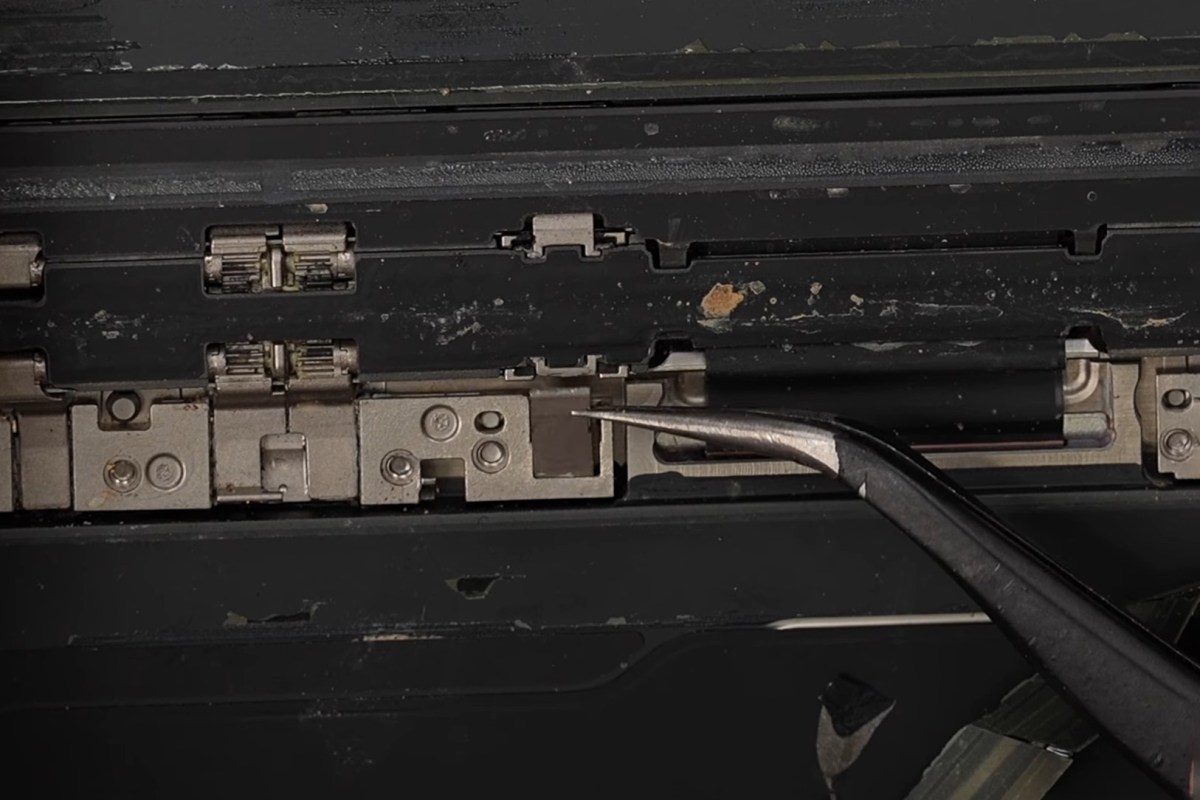

It is worth noting that there is no consensus within the supply chain as to whether Apple has proactively lowered its quality inspection standards. Another person familiar with the supply chain told Chinese media that Apple has not adjusted its internal yield standards. At this stage, the outside world has not yet seen documents or official statements that can independently verify the claims of both parties. Therefore, the so-called "Apple lowered its quality inspection standards" is still an unconfirmed supply chain revelation and cannot be directly regarded as a confirmed fact.
This controversy is also related to the news that the early mass production yield rate of iPhone Duo was low. Supply chain sources previously said that as of mid-September, the final assembly yield rate of Foxconn-related production lines was only slightly more than 60%. Due to Apple's strict quality requirements, it may take another six months to a year for the production line to gradually reach maturity. Folding OLED panels and hinge-related components supplied by Samsung Display have also been exposed to problems such as insufficient yield and delayed delivery, which has reduced the time for machine manufacturers to adjust processes and optimize equipment.
For Apple, the problem is how to strike a balance between expanding production and controlling defect rates. If the original quality threshold is adhered to, the number of devices that can be delivered in the short term may be limited; if inspection standards are relaxed, more products with potential problems may flow into the hands of consumers, ultimately increasing after-sales replacement costs and damaging the market reputation of the first folding screen product.
iPhone Duo officially goes on sale on October 23, with prices starting at $1,999 in the United States. Tight order demand and supply in the early stages of the launch put Apple under pressure to expand delivery scale as quickly as possible. However, the hinges, flexible panels and supporting structures of folding screen mobile phones are difficult to manufacture. The increase in production line output does not necessarily mean that the number of qualified products can increase simultaneously.
What can be confirmed so far is that Apple has admitted that a small number of devices have internal screen problems and is providing replacements to affected users. As for whether Apple has proactively relaxed quality inspection standards to catch up with shipment progress, more reliable evidence remains to be confirmed.
Comments