
Abstract:
Barclays analyst Dan Levy predicts that Musk may announce a merger between Tesla and SpaceX before December to integrate its artificial intelligence, robotics and aerospace businesses while strengthening control of the company. Barclays believes that the most likely solution is for SpaceX to acquire Tesla through a share exchange. According to the current valuations of the two companies of approximately US$2.1 trillion and US$1.5 trillion respectively, after the merger, Musk may hold approximately 37% of the new company's shares, but control approximately 56% of the voting rights. However, the relevant transaction still belongs to Barclays's scenario forecast, and the two parties have not yet announced a formal merger plan.
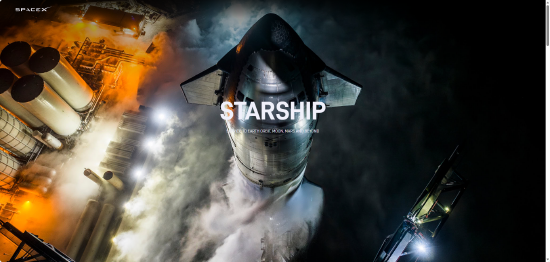
SpaceX may acquire Tesla through a stock exchange, and Musk’s voting rights are expected to increase to 56%
Barclays believes that an all-stock transaction with SpaceX as the acquirer is most likely to achieve a merger between the two parties. Tesla shareholders will receive SpaceX shares, and the transaction may include a certain acquisition premium. Currently, Musk holds about 48% of SpaceX's shares, but he controls about 82% of the company's voting rights by virtue of Class B shares with voting rights 10 times that of ordinary shares.
In comparison, Musk’s shareholding in Tesla is about 20%. Taking into account the tax implications that may arise from the vesting of some shares in 2028, Barclays estimates that its actual shareholding ratio may drop to approximately 17%.
If SpaceX acquires Tesla at the current valuation, Barclays expects Musk to own approximately 37% of the combined company's equity and 56% of the voting rights. Musk has stated many times before that he hopes to hold about 25% of Tesla's shares to ensure he has sufficient influence on the artificial intelligence and robotics business. Barclays believes that strengthening control may be an important motivation for promoting mergers.
Integrate Robotaxi, Optimus and Grok to promote AI and chip manufacturing in a unified manner
Barclays expects that the merger plan will be based on the integration of artificial intelligence business as the main reason, combining Tesla's Robotaxi self-driving taxis and Optimus humanoid robots with AI projects such as Grok and Macrohard within the SpaceX system.
The two parties may also cooperate on Terafab's chip manufacturing plan. Tesla is building a research and development facility in Austin, Texas, with an investment of approximately US$3 billion. The subsequent production plant is expected to require an investment of approximately US$16.8 billion, which may be jointly funded by the two companies. Musk previously pointed out that decisions related to Terafab need to be approved by the boards of directors of the two companies respectively, which is a time-consuming process. The merger is expected to reduce this coordination barrier.
Other potential synergies include providing Starlink communication services for Tesla vehicles, integrating Grok into the Optimus robot, and using Tesla energy storage products to support SpaceX’s future space data centers.
It will be announced before the end of the year at the earliest, but shareholder approval and huge capital expenditures are still obstacles
Barclays pointed out that Tesla’s 2026 annual shareholder meeting must be held before December 6, so it is not ruled out that Musk announces the merger plan before the meeting. However, if the deal is announced in late October or early November, there may not be enough time left for shareholder review. Another scenario is for both parties to independently announce a deal within the next six to 12 months.
In terms of finance, market forecasts cited by Barclays show that Tesla's free cash flow may reach US$12 billion in 2030, while SpaceX is still expected to consume US$17 billion. Although the merger may increase financing flexibility, the huge capital expenditures of both parties will also increase funding requirements.
In addition, the transaction must be approved by the boards of directors and shareholders of both parties and undergo antitrust review. Given that SpaceX has U.S. government contracts, Barclays believes the deal may also involve a national security review.
Barclays judges that the degree of business overlap between the two parties continues to increase, making the merger a scenario worthy of attention, but there is still uncertainty about the final transaction structure and announcement time.
Comments