
Abstract:
The U.S. Navy has selected Boeing for the F/A-XX next-generation carrier-based fighter program, beating final-stage competitor Northrop Grumman. The U.S. Department of Defense announced on September 29 that the contract is worth more than US$20 billion, covering the full-scale research and development phase, and will build multiple test aircraft for ground testing, airworthiness verification, and system and weapons integration testing.
It should be noted that this is a research and development contract and not that the fighter jet has entered mass production; the full life cycle cost of the project may be much higher than the current contract amount. Reuters quoted sources as saying that with the subsequent expansion of production, the project scale may reach hundreds of billions of dollars in the future.
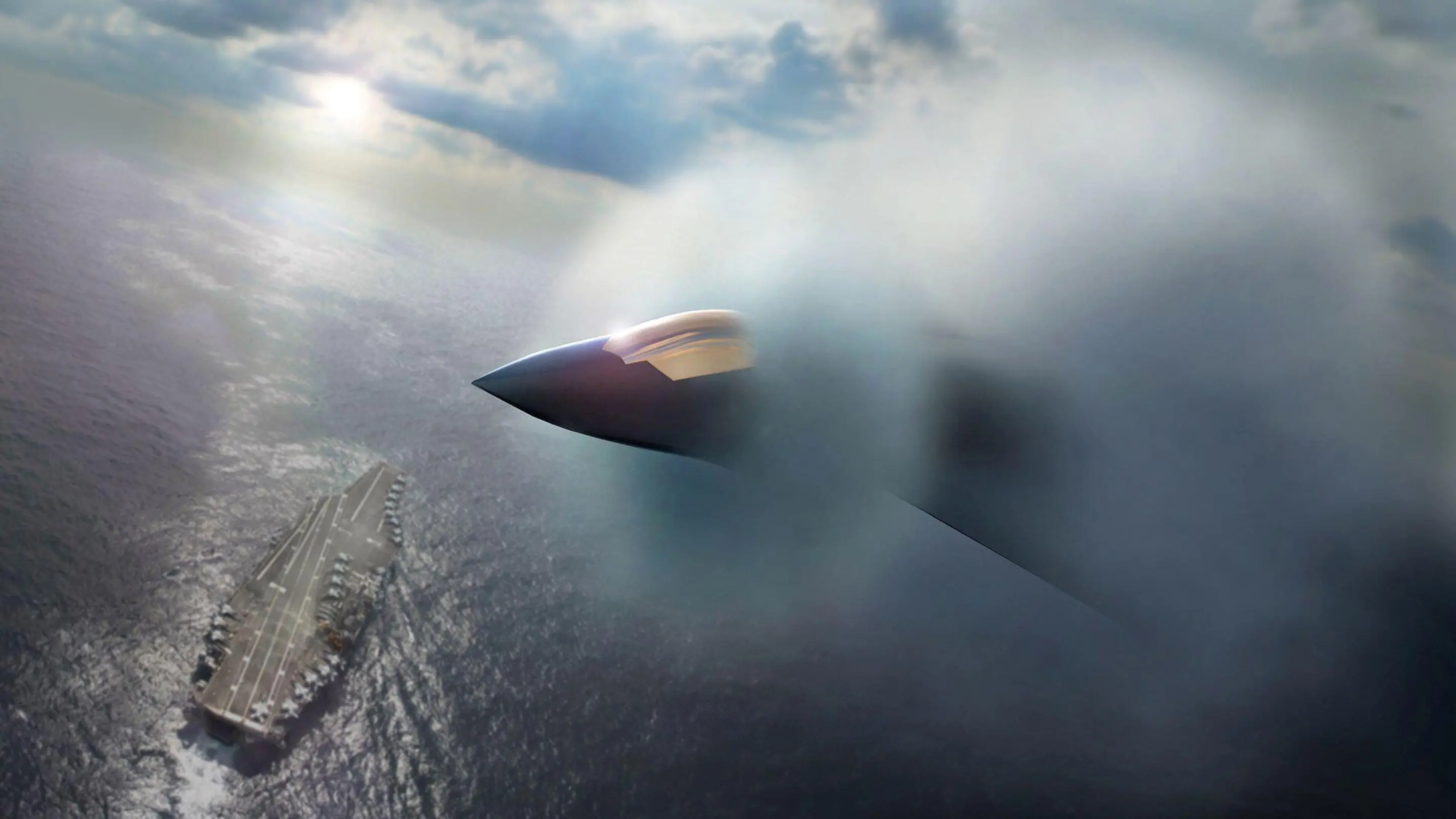
F/A-XX is an important part of the U.S. Navy's "next generation air superiority" system and is positioned as a carrier-based sixth-generation strike fighter. The Department of Defense said it will provide the carrier with longer-range air power projection capabilities and can coordinate with manned and unmanned platforms, including the Navy's coordinated combat aircraft (CCA). According to the current plan, the aircraft will begin to supplement and gradually replace the F/A-18E/F "Super Hornet" fighter jets and EA-18G "Growler" electronic warfare aircraft in the 2030s, while performing tasks in parallel with the carrier-based F-35C. The Navy's mission vision includes not only competing for air supremacy, but also involving conducting long-range strikes deep into areas with tight air defenses, protecting aircraft carrier formations, and cooperating with unmanned aerial vehicles.
The Navy and the U.S. Air Force are promoting the F/A-XX and F-47 respectively, which is not a simple duplication of purchases. Air Force fighters are mainly designed for land-based air superiority operations; Navy models must adapt to aircraft carrier take-off and landing and ship-based use, including withstanding the impact of catapult take-off and arrested landing, coping with seawater corrosion, and achieving sufficient range and load within the space constraints of the aircraft carrier deck and hangar. These requirements affect airframe structure, takeoff weight and fuel configuration. Boeing has already won the Air Force F-47 project in 2025, so receiving another Navy order means that it will simultaneously undertake the development of two major sixth-generation manned fighter jets in the United States. The Pentagon had previously been concerned about whether the engineering and supply chain capabilities of the defense industry could support the parallel advancement of the two projects; Boeing said it had invested in the construction of new facilities and was prepared to perform related tasks simultaneously.
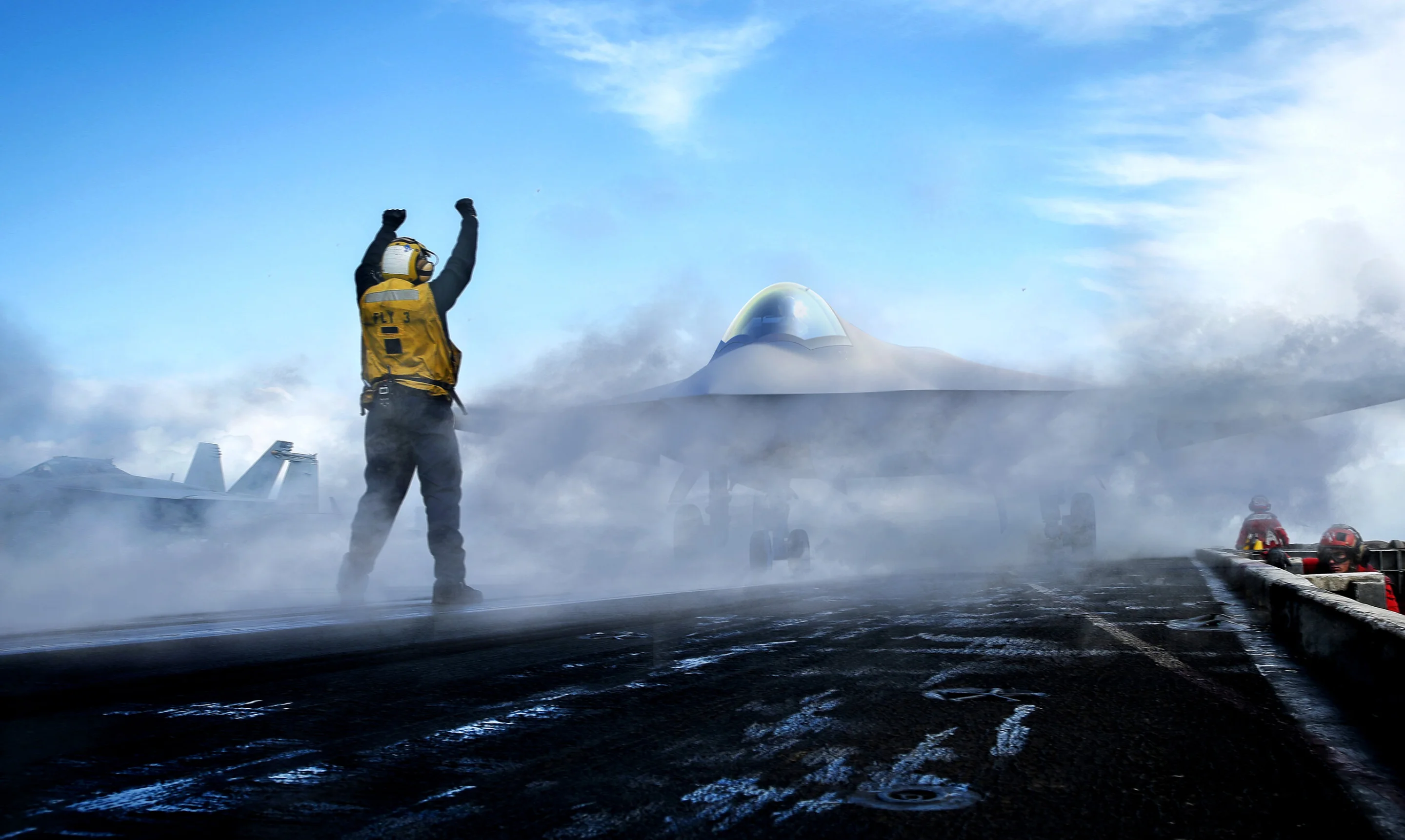
Currently public information does not disclose the final shape, engine, speed, range, payload or specific stealth indicators of the F/A-XX. Boeing said the technology and program details are confidential. Renderings released by Boeing and the U.S. Navy show that the concept fuselage is wider and may be able to accommodate larger built-in fuel and weapons spaces. The drawings also appear to show design features such as a fuselage leading edge extension structure and front winglets. However, these are only observations of the renderings and are not officially confirmed mass production designs. The forward wing surface may improve low-speed control and facilitate aircraft carrier approach, but it may also increase radar reflection; the traditional vertical tail is not seen in the renderings, which may mean that the wing control surface is used to assume part of the stabilization and steering functions. Claims that the aircraft can cruise at supersonic speeds and have a specific combat radius currently lack support from official specifications and cannot be regarded as confirmed parameters.
Boeing's win also brings long-term order prospects to its St. Louis, Missouri, fighter jet manufacturing business. The factory is gradually closing the F/A-18E/F and EA-18G production lines; the Pentagon awarded Boeing a contract worth $16.7 million on the same day to plan and prepare for the closure of these two production lines. The Navy hopes that the new fighter aircraft can replace the old carrier-based aircraft in the 2030s, but the project has been delayed many times due to disputes over budget and engineering capacity. The Navy finalized supplier selection after Congress provided additional funding for the project. Boeing also needs to advance F-47, F-15EX and T-7 aircraft projects in parallel. Whether it can allocate engineering personnel, suppliers and manufacturing capabilities as planned remains an important test in project execution.
Comments