
Abstract:
The Korea Advanced Institute of Science and Technology (KAIST) and Microsoft Research Asia have developed a new type of brain-computer interface technology that can identify in real time whether artificial intelligence has misunderstood the user's intentions by analyzing human brain waves and adjust its behavior accordingly. The research team believes that this technology is expected to promote artificial intelligence to a new stage from "obeying instructions" to "understanding intentions."
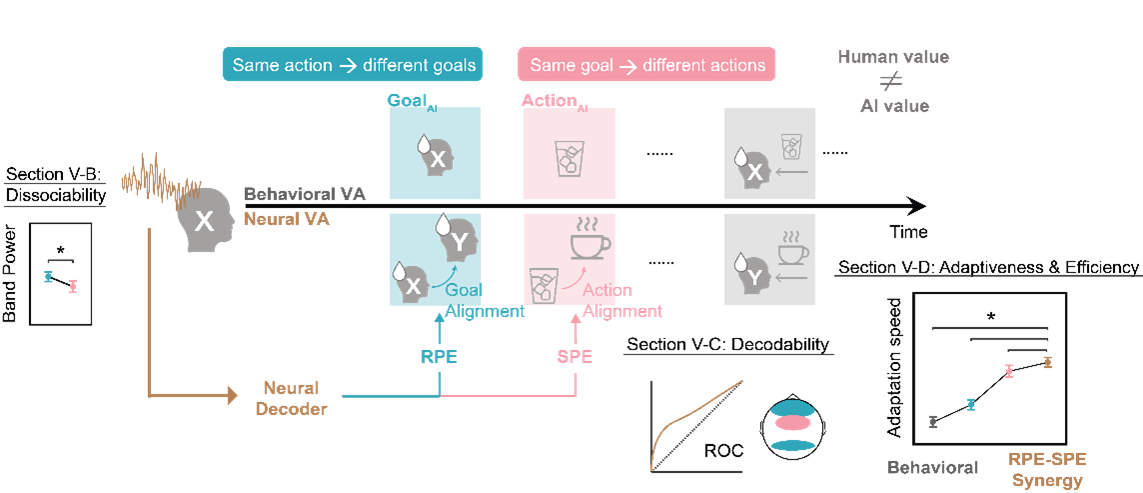
The researchers named this technology "Neural Value Alignment (NVA)." The system uses electroencephalography (EEG) to monitor the neural activity produced by users as they watch the artificial intelligence perform tasks. When the AI takes a wrong goal or performs an action not expected by the user, the brain will generate a specific prediction error signal. The system can capture these changes and convert them into feedback information, allowing the AI to realize that there is a deviation in its understanding.
For a long time, although artificial intelligence has demonstrated powerful capabilities in many fields, misunderstandings still often occur in the communication between humans and AI. Even if the user gives detailed prompts, the AI may generate results that are relevant but inaccurate as expected. The research team believes that the root of the problem is that artificial intelligence mainly relies on external information such as language, actions, and gestures to infer intentions, and these behaviors themselves are often ambiguous.
The researchers gave an example that by picking up a cup, a person may drink water, clean the cup, move the cup, or pass it to someone else; conversely, if the goal is to quench thirst, people can also achieve it in different ways such as picking up a cup, getting a water bottle, or asking others for help. It is often impossible to accurately determine the true purpose by simply observing the behavior itself.
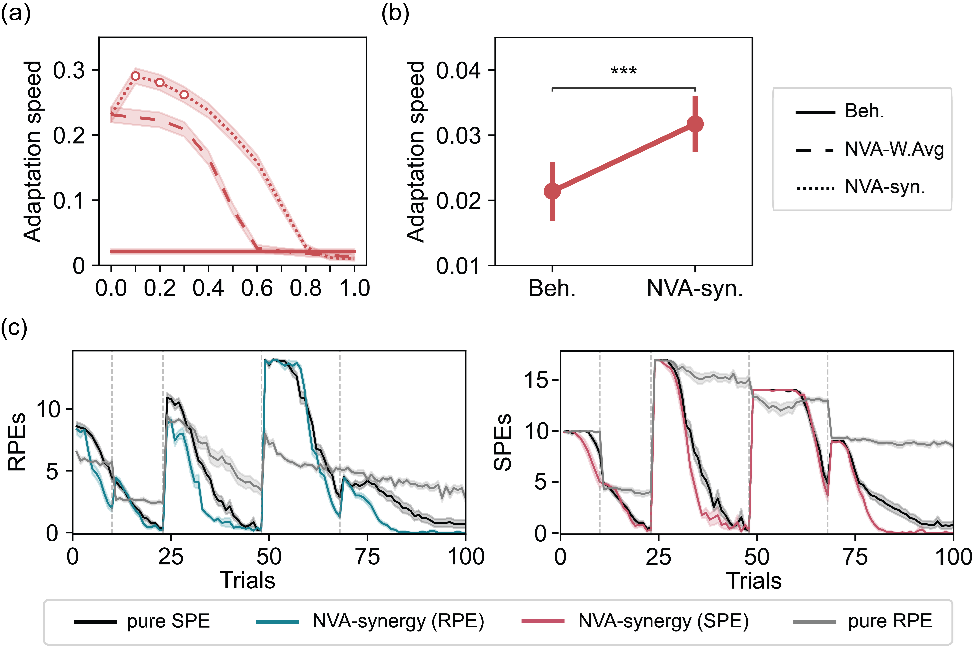
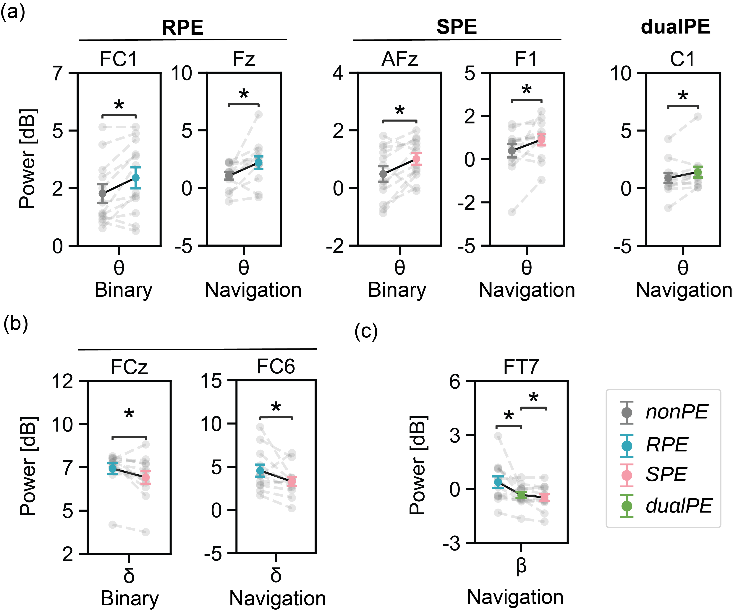
In order to solve this "goal and action ambiguity" problem, the research team turned their attention to the human brain itself. When the actual results are inconsistent with people's expectations, the brain will naturally generate special prediction error signals. The NVA system uses this neural response as an additional source of information to help the artificial intelligence determine in which link it has misunderstandings.
The research team focused on two types of brain nerve signals. One type is "reward prediction error", which reflects whether the result meets personal goals and value expectations; the other type is "state prediction error", which reflects whether the actual situation is consistent with the process expected by the brain. By analyzing these two signals at the same time, the system can not only detect errors in AI understanding, but also determine whether the errors occur at the target level or the execution method level.

Experimental results show that after the introduction of EEG feedback, artificial intelligence can more accurately infer the user's true intention and proactively correct deviations during task execution without the need for the user to constantly repeat instructions or issue new instructions.
The research team stated that this result is expected to be applied to scenarios such as robots, human-machine collaboration systems, and intelligent assistants. For example, when a future home robot performs a task, if it detects the reaction of "this is not the result I want" in the user's mind, it can proactively adjust its action plan without waiting for explicit instructions.
Researchers believe that this means that artificial intelligence may no longer just passively respond to commands in the future, but can use brain-computer interface technology to understand humans’ true intentions hidden behind language, thereby achieving more natural and efficient human-machine collaboration. As relevant research continues to advance, next-generation intelligent systems that can sense human cognitive feedback and modify behavior in real time may gradually become a reality.
Comments