
Abstract:
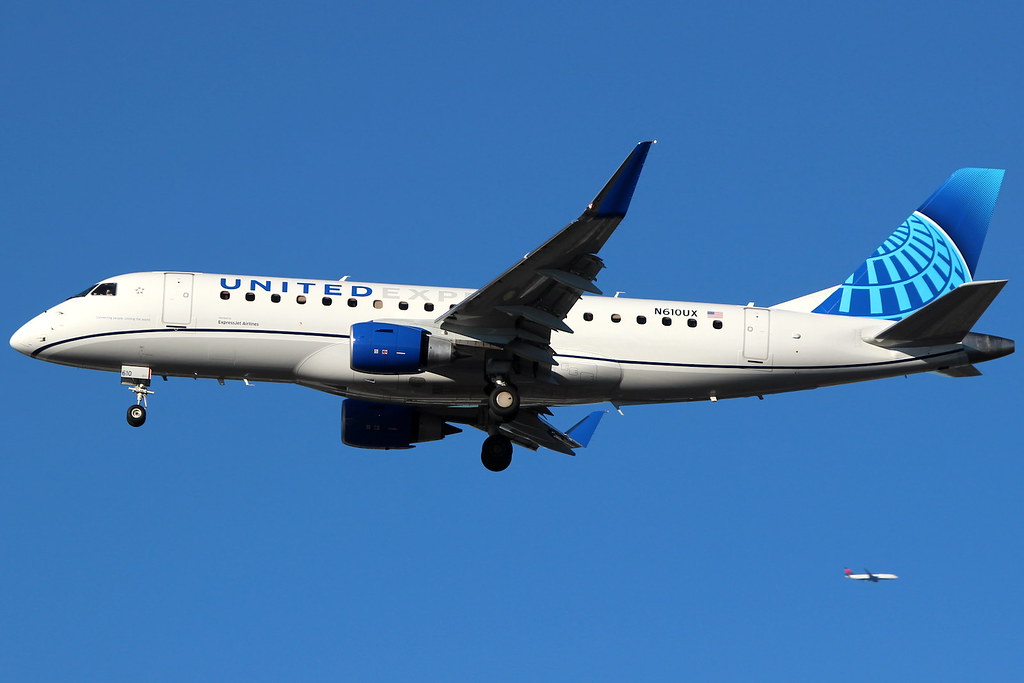
With the rapid popularity of artificial intelligence agents that can perform tasks autonomously, United Airlines (United Airlines) announced that it will prohibit unauthorized third-party AI agents from booking air tickets, handling travel services or conducting related transactions on its platform on behalf of users. The company said the move was primarily due to data security, user privacy and regulatory compliance considerations.
In recent years, more and more AI agents have begun to have the ability to complete complex tasks on behalf of users, including searching for flights, comparing prices, making travel plans, and even directly placing orders to purchase air tickets. Intelligent agent products launched by technology companies such as Meta and OpenAI have gradually made "AI complete online transactions on behalf of users" a reality.
However, United Airlines believes that such agents may be exposed to a large amount of sensitive information after gaining access to user accounts. The company pointed out that if passengers provide MileagePlus membership accounts, passwords, payment methods and other credentials to third-party AI tools, the relevant tools may not only access personal information, but may also complete operations such as purchasing tickets, modifying orders, or using points and miles without the user's knowledge.
In addition to safety concerns, United also highlighted regulatory requirements unique to the airline industry. For example, when passengers check in, they usually need to confirm that their luggage does not contain explosives or other prohibited items. Airlines believe that if the relevant processes are completely automated by AI, it may conflict with the current regulations of the U.S. Federal Aviation Administration (FAA) and the U.S. Department of Transportation, and may also cause passengers to miss important safety prompts.
Based on the above considerations, United Airlines has begun to update its booking, ticketing and distribution policies, and plans to restrict unauthorized AI agents at multiple levels, including directly restricting their access to United’s official website and mobile applications, and indirectly restricting related behaviors through travel agencies and ticket aggregation platforms.
United Airlines specifically emphasizes that users allowing AI agents to act on their behalf does not mean that the airline must accept these agents as legal transaction subjects. According to the company's latest policy, it currently does not authorize any third-party personal AI assistant to directly access its system to perform booking and account operations.
To reduce risks, United recommends that passengers only use AI tools for travel inspiration collection, destination research and itinerary planning. The Company reminds users not to provide such tools with member account numbers, passwords, order confirmation numbers, payment information or other personal data that can be used for identity verification. If you suspect that your account has been accessed without authorization by AI tools, you should immediately change your password and check recent transaction records.
Despite the stricter restrictions, United Airlines is not completely opposed to the development of artificial intelligence technology. The company stated that it is still optimistic about the application prospects of AI in the field of travel services in the future, but hopes to first establish a standardized technical interface with privacy protection, security control, authorization management and responsibility traceability mechanisms, and promote relevant innovations while ensuring the rights and interests of users.
In the context of AI agents rapidly penetrating Internet services, various industries have inconsistent attitudes towards them. Some companies choose open cooperation and establish deep integration relationships with AI platforms; others are worried about platform control, data security and compliance risks and choose to restrict access. United Airlines’ latest decision is another example of large companies taking defensive measures against autonomous AI agents.
Comments