
Abstract:
A new study shows that some people at the extreme ends of the distribution of human characteristics, such as those with abnormally high or low cholesterol, abnormal blood sugar levels, significantly higher or lower than average height, and abnormally early or delayed menopausal age, may not be affected by thousands of small genetic effects, but by a few rare genetic variants with a powerful influence. The findings provide new directions for understanding the mechanisms of many common diseases.
For a long time, the scientific community has generally believed that most common human characteristics are "polygenic traits", that is, they are formed by the interaction of a large number of common genetic variations, with each variation having only a minimal impact. However, a team of researchers from the Icahn School of Medicine at Mount Sinai in New York found that this theory may not apply to everyone, especially those at either end of the trait distribution.
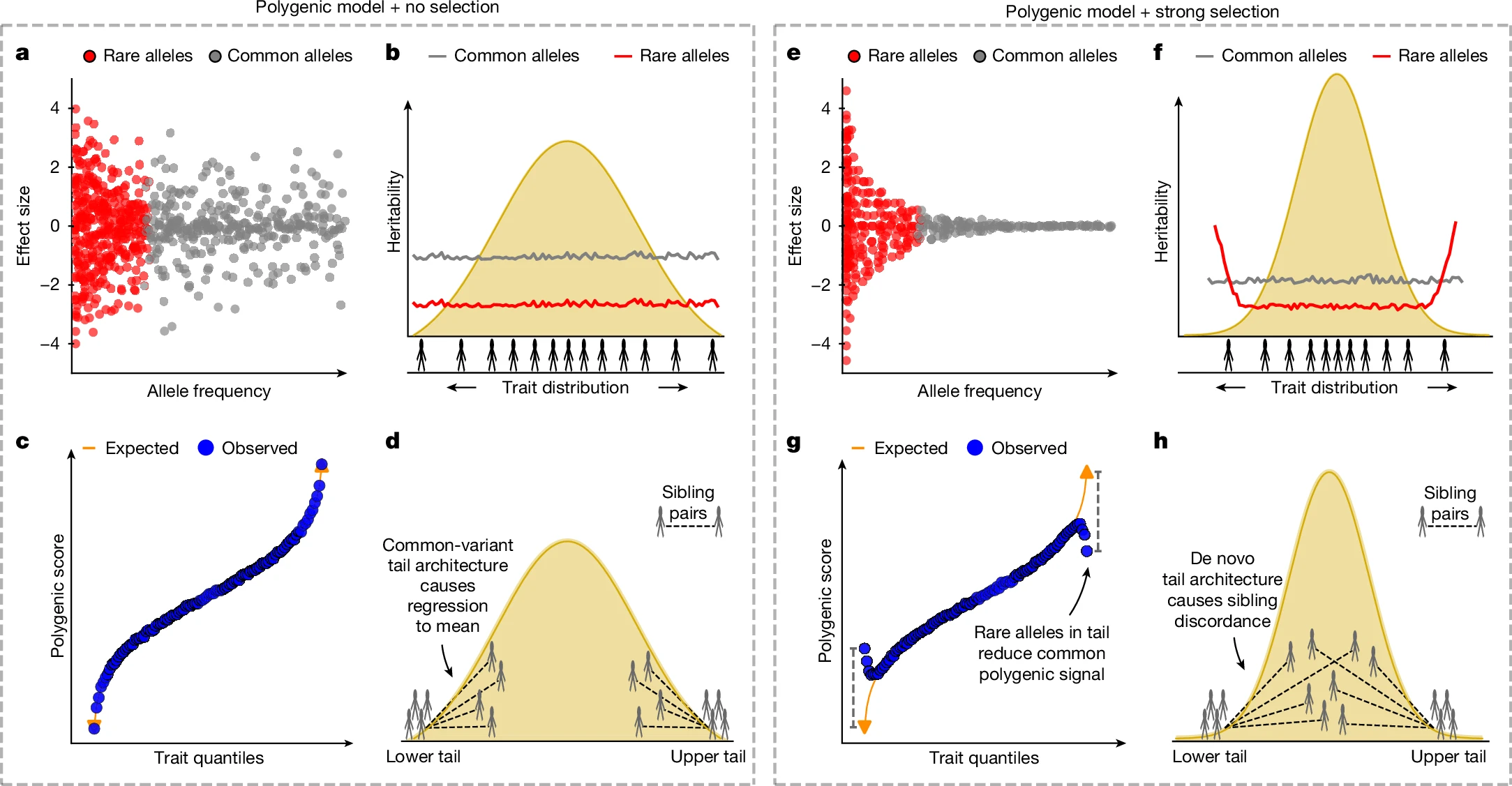
Research leader Paul O'Reilly said that the traditional view is that human body characteristics are shaped by thousands of small genetic changes, but the research results show that some extreme individuals may be affected by only a few rare genetic variations, and the biological effects of these variations are much stronger than ordinary genetic variations. The researchers believe that if such groups can be identified, clinicians may be able to provide more targeted preventive measures and treatment options in the future.
Relevant research was published in the journal Nature. The research team analyzed 74 quantitative human characteristics, including cholesterol, blood sugar, hemoglobin, heart rate, weight, height, and age at menopause. The data used in the study come from large health and genetic databases such as the UK Biobank and the American "All of Us" research project.
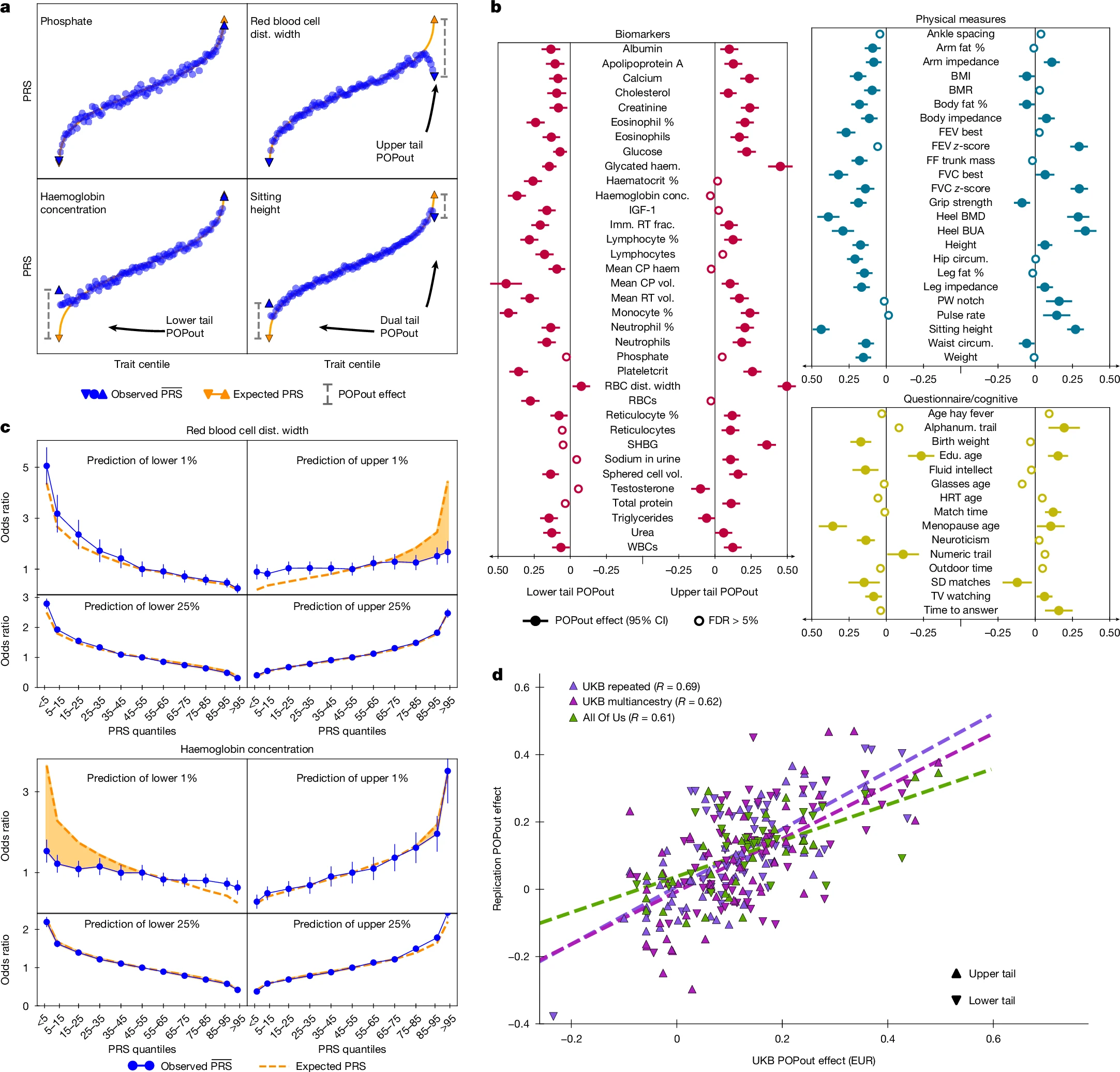
The researchers focused on a core question: when a person's physiological indicators are at extremely high or low values, whether the genetic mechanism behind it will change. The analysis showed that the probability of these extreme individuals carrying high-impact rare variants was significantly higher than that of the general population, and these variants were enough to have a greater biological impact.
This discovery is also supported by evolutionary biology theory. The research team pointed out that genetic variants that push human characteristics to extremes sometimes reduce individual viability or reproductive success, so natural selection tends to reduce their frequency in the population. Because of this, such genetic mutations are often rare despite their huge impact.
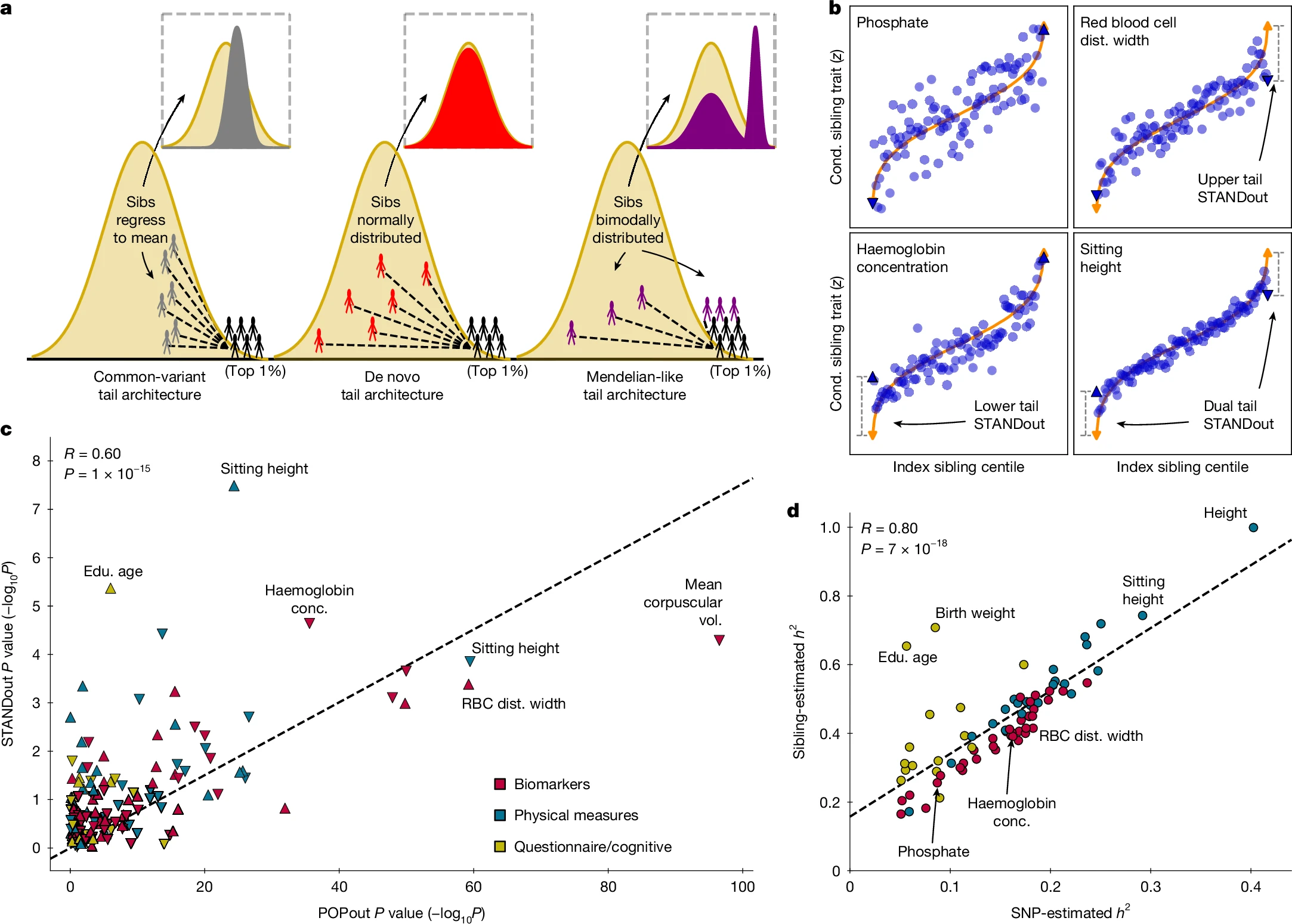
To test this hypothesis, the research team developed two sets of statistical analysis methods. One method is based on the genetic data of the overall population, and the other method reduces the interference of environmental factors by comparing the differences between siblings. Both methods reached similar conclusions, further enhancing the credibility of the findings.
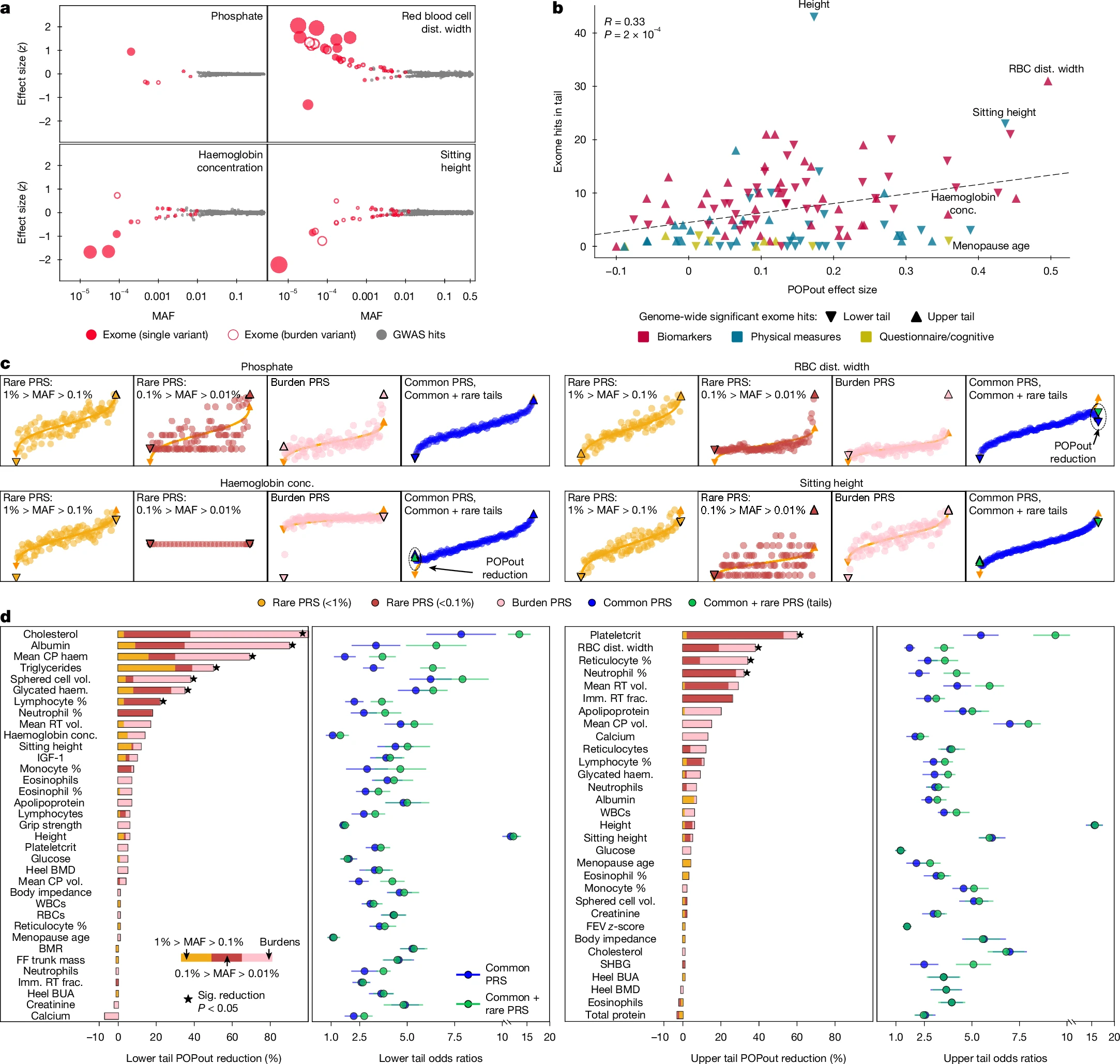
The researchers said that this result shows that people at the extreme values of human body characteristics may have a different genetic structure from ordinary people. In the future, scientists hope to use this discovery to more accurately identify people at high risk for diabetes, cardiovascular disease, stroke and other diseases, and to further search for biological pathways that play a key role in the development of diseases. The research team believes that understanding the genetic mechanisms behind extreme human characteristics will not only help reveal the root causes of complex diseases, but may also promote the development of precision medicine, gradually shifting medical intervention from a general model for the public to precise prevention and treatment strategies customized according to personal genetic risks.
Comments