
Abstract:
Audio equipment manufacturer Bose announced the completion of its acquisition of headphone brand Skullcandy. Although both parties are competitors in the consumer audio market, the two companies have established a cooperative relationship in recent years. This acquisition is regarded as an important step for Bose to expand its brand coverage and reach more consumer groups.
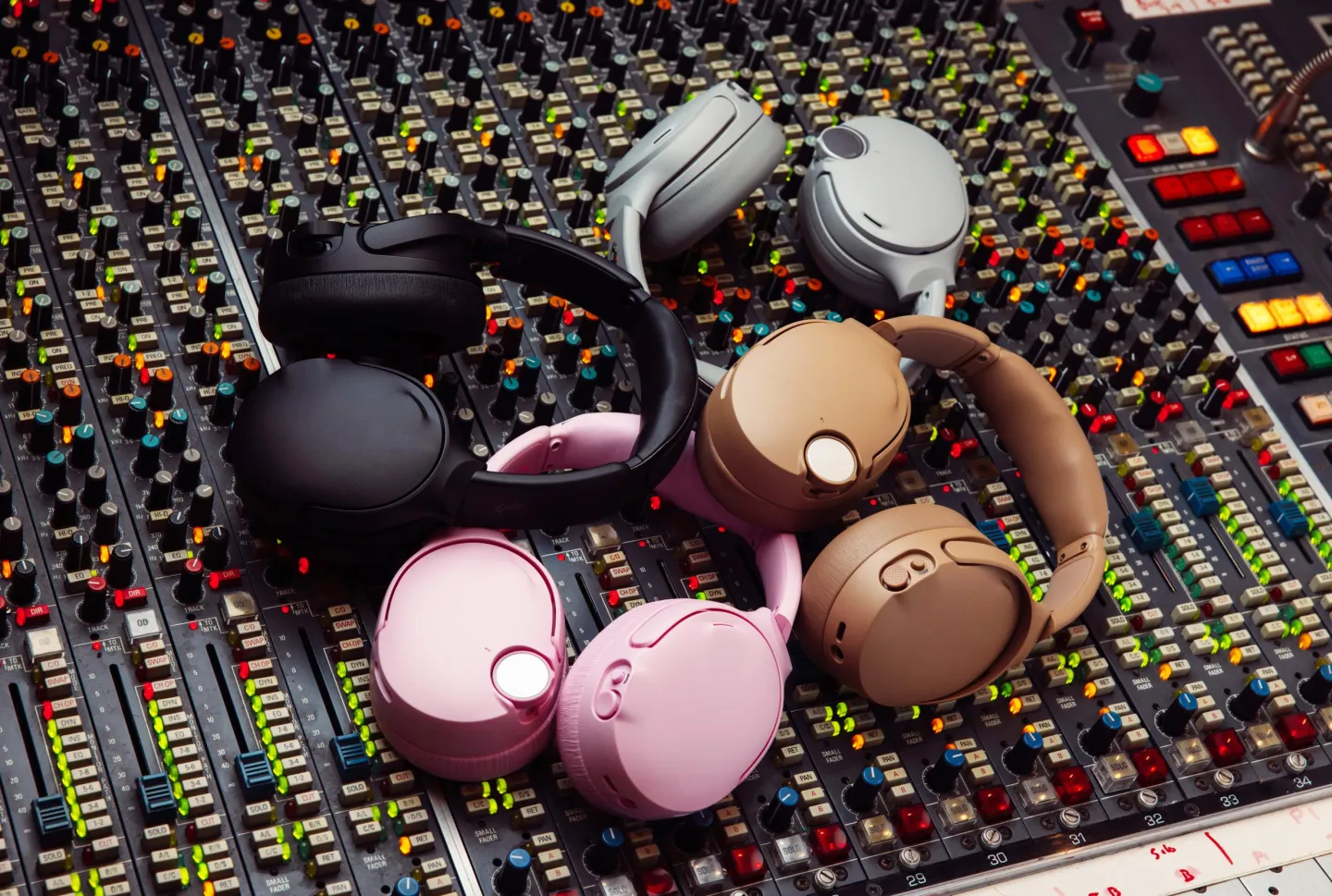
According to information released by Bose, Skullcandy will continue to operate as an independent brand and be included in Bose's high-end consumer audio business system. The company did not disclose the value of the transaction and confirmed that Skullcandy will remain headquartered in Park City, Utah, where it was founded.
In fact, before the formal acquisition was completed, the two companies had already launched technical cooperation. Some of the products launched by Skullcandy in recent years have introduced Bose's core audio technology, including head-tracking spatial audio technology and active noise reduction technology. For example, the Skullcandy Crusher 1080 ANC headphones and Method 360 ANC true wireless headphones both use related solutions from Bose.
Bose said that after the acquisition is completed, the company hopes to use the Skullcandy brand to cover a wider consumer group and further promote its accumulated technical advantages in the audio field, especially its leading position in active noise reduction technology.
Bose CEO Lila Snyder said that for more than 60 years, Bose has been committed to providing users with a high-quality audio experience. In the future, the company hopes to reach more consumers through its own products, technology licensing cooperation and an expanding brand portfolio, and Skullcandy is an important part of this strategy.
Although Skullcandy, founded in 2003, has a much shorter history than Bose, its distinctive product design style and unique brand culture are highly recognized among young consumer groups. Especially in the fields of board sports such as skiing, skateboarding, and surfing, Skullcandy has maintained long-term cooperative relationships with many athletes and related communities.
Bose believes that the brand influence Skullcandy has established in areas such as sports culture, music, games and fitness will help the company reach out to consumer groups that are currently less associated with the Bose brand, and create new opportunities for future product promotion and market expansion.
This acquisition is also part of Bose’s strategy of continuing to expand its brand matrix in recent years. Previously, the company had completed the acquisition of high-end audio brand McIntosh and its associated brand Sonus faber. In contrast, Skullcandy represents a younger market positioning that emphasizes trendy culture and lifestyle.
Industry insiders believe that by retaining Skullcandy's independent brand identity and combining Bose's advantages in audio research and development, noise reduction technology and global market channels, the two companies are expected to launch more new products that take into account performance, design and price competitiveness in the future, thereby gaining a larger user base in the highly competitive headphone and consumer audio markets.
Comments