
Abstract:
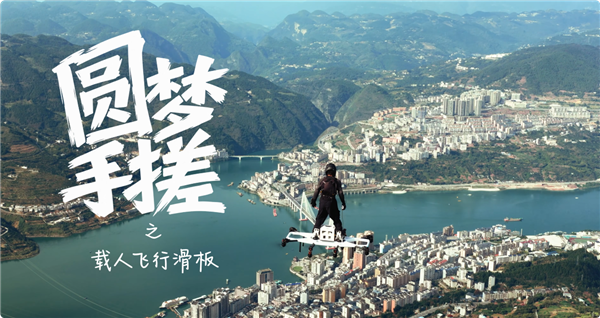
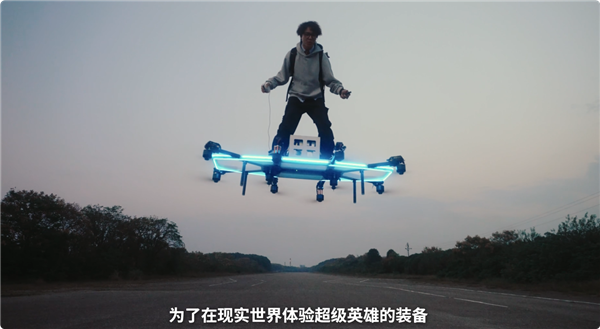
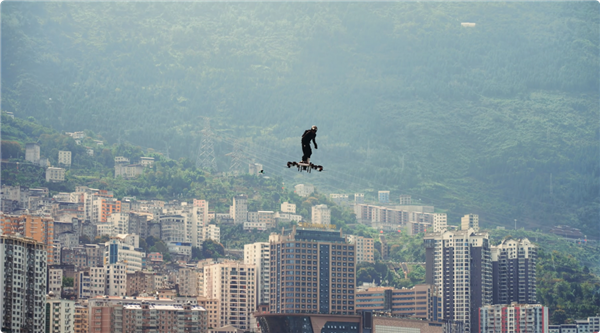
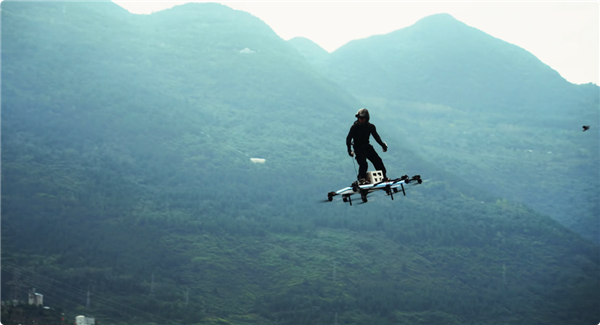
Blogger Qi Qi Ayu turned the sci-fi equipment in the movie into reality and DIYed a manned flying skateboard.
This idea came from watching Spider-Man movies when he was a child. The flying skateboard of the second generation Green Goblin left a deep impression on him, so he planned to personally reproduce a set of equipment that can carry people into flight.
At first, he chose the turbojet engine solution. Version 1.0 is equipped with a total of 5 turbojet engines, with enough thrust to push three people off the ground.
However, a big problem occurred during the test. The engine immediately caught fire when it was started at the same time, and all the oil circuits were burned out. Each engine worked fine when started individually, but exploded when working together. The cause of the failure could not be found at first.
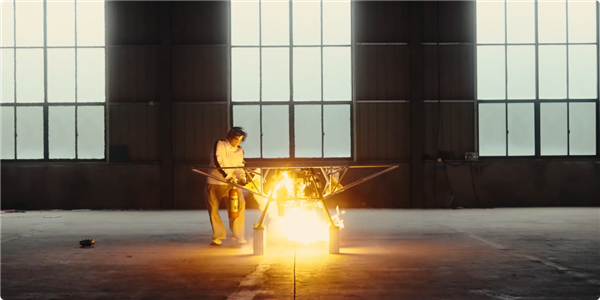
He submitted all the test data to the AI agent for analysis and found the root cause of the problem. The engines are arranged too close together, and the nozzle is low from the ground. After the high-temperature exhaust gas hits the ground, it is sucked back into the intake duct, causing deflagration in the combustion chamber.
AI also reminded him that the turbojet solution itself was very risky, and it was recommended to replace it with an electric propeller.
So he redesigned the 2.0 electric version, equipped with 10 sets of brushless powertrains with a thrust of more than 30 kilograms. The total thrust exceeds the weight of four people, and the peak current reaches 2,000 amps.
After the hardware was completed, new problems came again. The flying skateboard is very difficult to control. If the body is slightly tilted, the posture will continue to be out of control.
Ayu thought of using two mobile phones to build an auxiliary system. One is installed inside the skateboard to collect posture data, and the other is worn on the wrist. While flying, the AI reminds him in real time through the earphones, telling him to shift his center of gravity to the left and bend his knees to the right to help correct his body posture. After each flight, the AI will also generate a training report and give optimization suggestions.
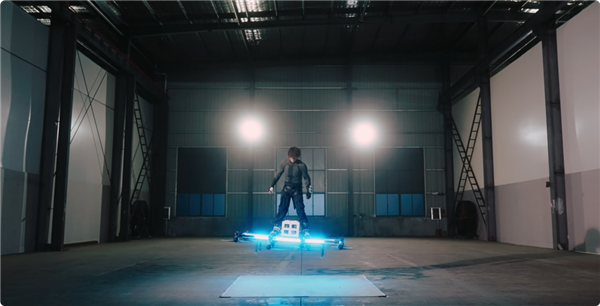
After more than ten days of repeated training, he finally became proficient in controlling the skateboard and could hover and fly in a straight line. It took two months for the simple wild idea to finally come to fruition.
Comments