
Abstract:
California lawmakers recently passed a bill aimed at making it easier for residents to use small solar systems that can be plugged into ordinary power sockets. The bill, SB 868, would establish regulations for plug-in solar equipment. Often referred to as "balcony solar," these devices are smaller and can be installed on balconies, patios, or rooftops and are primarily used to offset some of the electricity used inside a home while avoiding the wiring work and high installation costs of traditional rooftop solar.
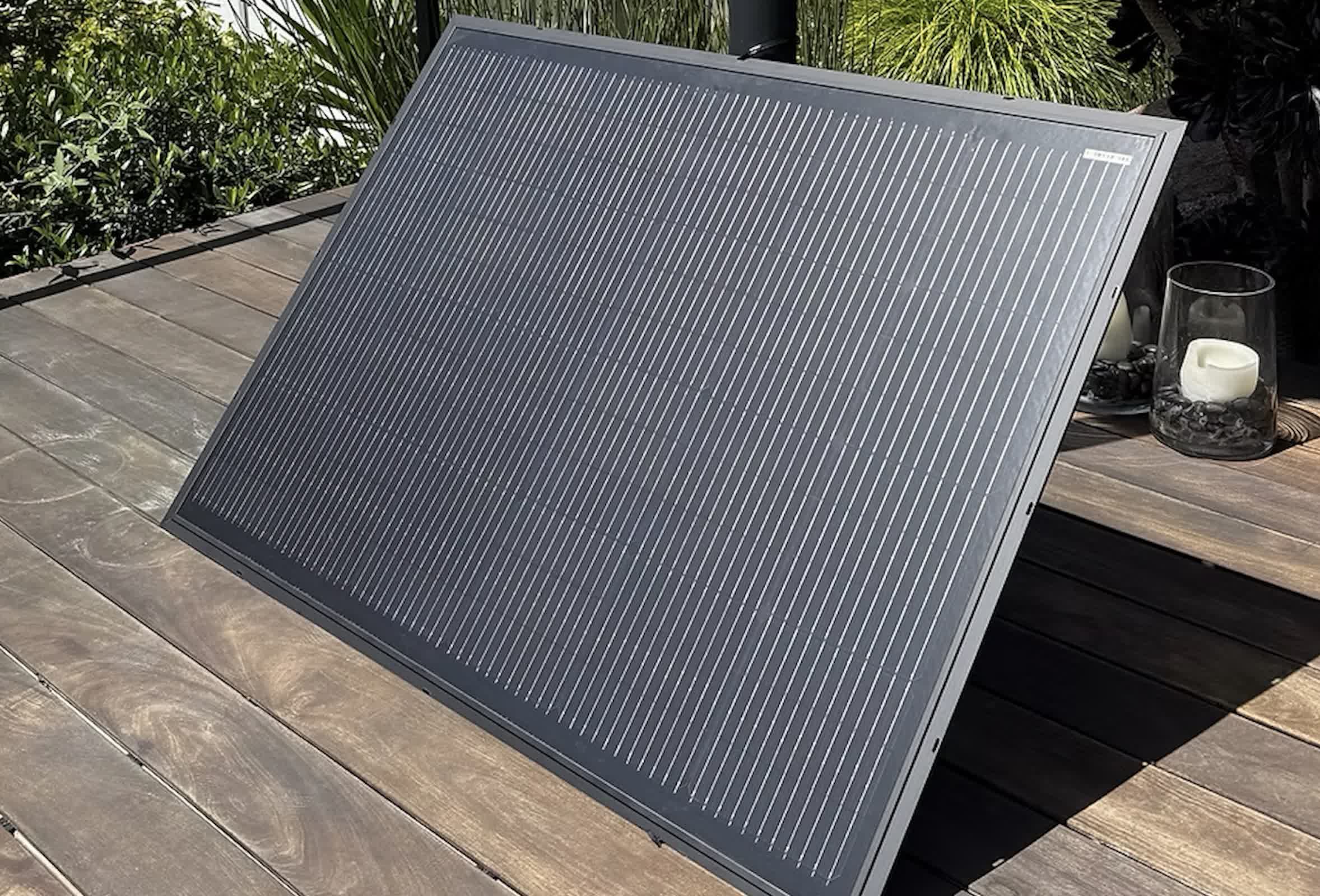
The bill passed the state House and Senate with bipartisan support Wednesday night and will now go to Gov. Gavin Newsom for his signature. If signed by the governor, systems that meet the requirements are expected to be available in California as soon as spring 2027. The information came from state Sen. Scott Weiner's office staff.
Under the bill, a compliant system installed in each residence can generate up to 1,200 watts of electricity. The device must plug into a regular electrical outlet, comply with state and national electrical codes, and be certified by a third-party safety agency such as Underwriters Laboratories. In addition, the system must be equipped with relevant equipment to ensure that power does not flow back to the grid during a power outage.
The bill also plans to replace the utility grid application that traditional rooftop solar projects must submit with a free online registration form. This change is one of the key reasons why the bill has gained support. Current grid connection procedures can increase installation time and costs, while plug-in solar is positioned to be cheap and easy to install.
Pacific Gas and Electric Co. (PG&E) representatives said its grid connection process could cost customers about $100 to $800 and take about an hour to complete. Approval is typically completed within three days, the company said. But plug-in solar proponents argue that for small systems, paying these fees would significantly reduce the savings on electricity bills and undermine the technology's main advantage.
For people unable to install traditional rooftop solar, these types of systems may provide an alternative. Some residential roofs are not suitable for installing solar panels, and many apartment residents are unable to decide whether to retrofit their buildings or have the funds to undertake large-scale solar projects.
Currently, plug-in solar equipment sells for about $300 to $2,200, depending on the size of the system and the components used. In comparison, rooftop solar projects can cost tens of thousands of dollars.
Existing products do not yet fully meet all the requirements set forth in SB 868, so consumers are currently still required to comply with the registration requirements for traditional rooftop solar projects. Bernadette Del Chiaro, senior vice president of the Environmental Working Group, told KQED that several companies are already developing systems that meet the requirements of the new law.
Del Chiaro estimates that a 400-watt solar panel can offset about 14% of the average tenant's annual apartment electricity bill, saving about $250 per year. She said such panels could generate enough power to run refrigerators, modems and Wi-Fi devices, while a 1,200-watt system might help residents run window air conditioners.
"This bill is designed to lower the cost of electricity for California residents and eliminate red tape so that California residents can actually use plug-in solar power now," Weiner said at a state House hearing in June.
If the bill is signed by the governor, California will join a growing number of states with laws related to plug-in solar power. Utah passed an earlier measure in March 2025. Currently, eight states in the United States have passed laws to provide a more streamlined approval process for such systems, including Colorado, Virginia and Maine. New York and New Jersey also have related bills awaiting the governor's signature.
Sponsors also use Germany as a reference case. In Germany, solar panels installed on balconies are already relatively common. They believe that California, with its large population, high electricity prices and large rental market, is expected to become an important market for this technology.
During consideration of the bill, utility companies raised safety concerns. PG&E initially expressed support, but asked lawmakers to amend the bill, and ultimately opposed the version that passed. Company spokesman Paul Dougherty said PG&E is concerned that some safety and certification standards will not be enforced until 2030.
However, Dougherty also said that PG&E "supports plug-in solar and the opportunities it can bring to customers, especially renters and others who have previously had difficulty accessing traditional rooftop solar."
San Diego Gas & Electric opposed the bill, saying the system could malfunction, posing a risk to utility workers or customers. Southern California Edison's position changed from opposition to neutral. Company spokesman David Eisenhauer said that's because lawmakers changed safety regulations and utility notification requirements.
The firefighters union and the union representing PG&E employees also withdrew their objections after the bill added provisions requiring compliance with state and national electrical codes.
The California government’s financial analysis estimates that the project will incur annual costs of $200,000 to $500,000, primarily to pay for the staff responsible for managing the project.
Bright Saver co-founder Cora Stryker said that California’s vote sent an important signal to emerging markets. However, she also criticized the 2030 sunset provision in the bill and other elements in the final version.
This is a clear indication that the largest state in the United States wants to develop this technology," Stryker said. "But there are issues with the specifics, so it's less of a total victory and more of a fight that will continue."
Comments