
Abstract:
The Tennessee Valley Authority (TVA) has received approval from U.S. federal regulators to build a BWRX-300 small modular reactor at the Clinch River nuclear power plant site near Oak Ridge, Tennessee. This is the first time that a U.S. utility company has received regulatory approval to build the BWRX-300 reactor designed by GE Vernova Hitachi. It is also seen as an important step in the United States to re-advance the commercialization of small modular nuclear reactors.
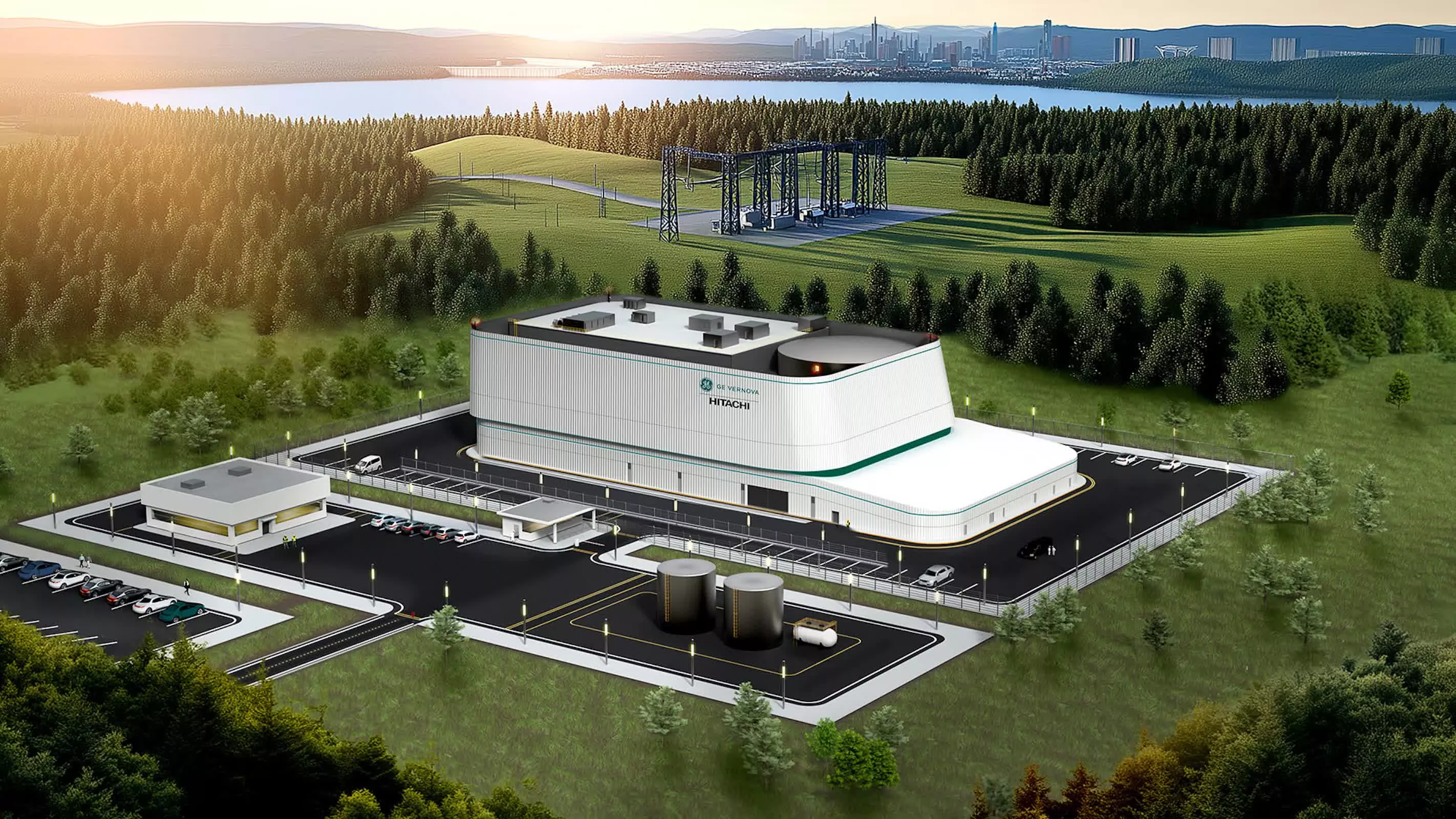
The U.S. Nuclear Regulatory Commission (NRC) completed the relevant review in only 14 months, about 4 months ahead of schedule. This approval is a construction license, which means TVA can now officially start building the reactor, but it does not mean that the unit has received an operating license. TVA must also obtain a separate operating license before loading nuclear fuel and officially generating electricity.
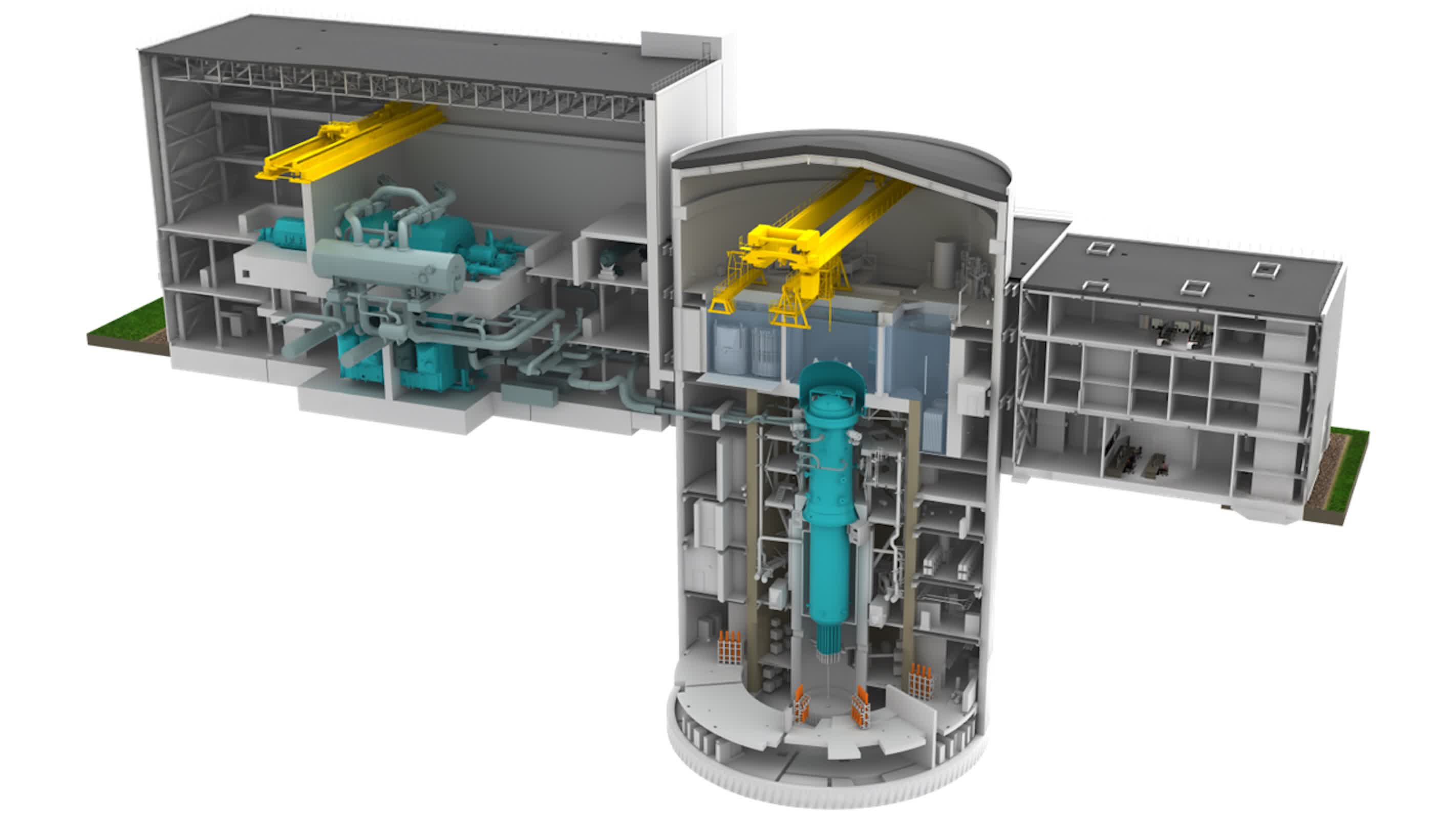
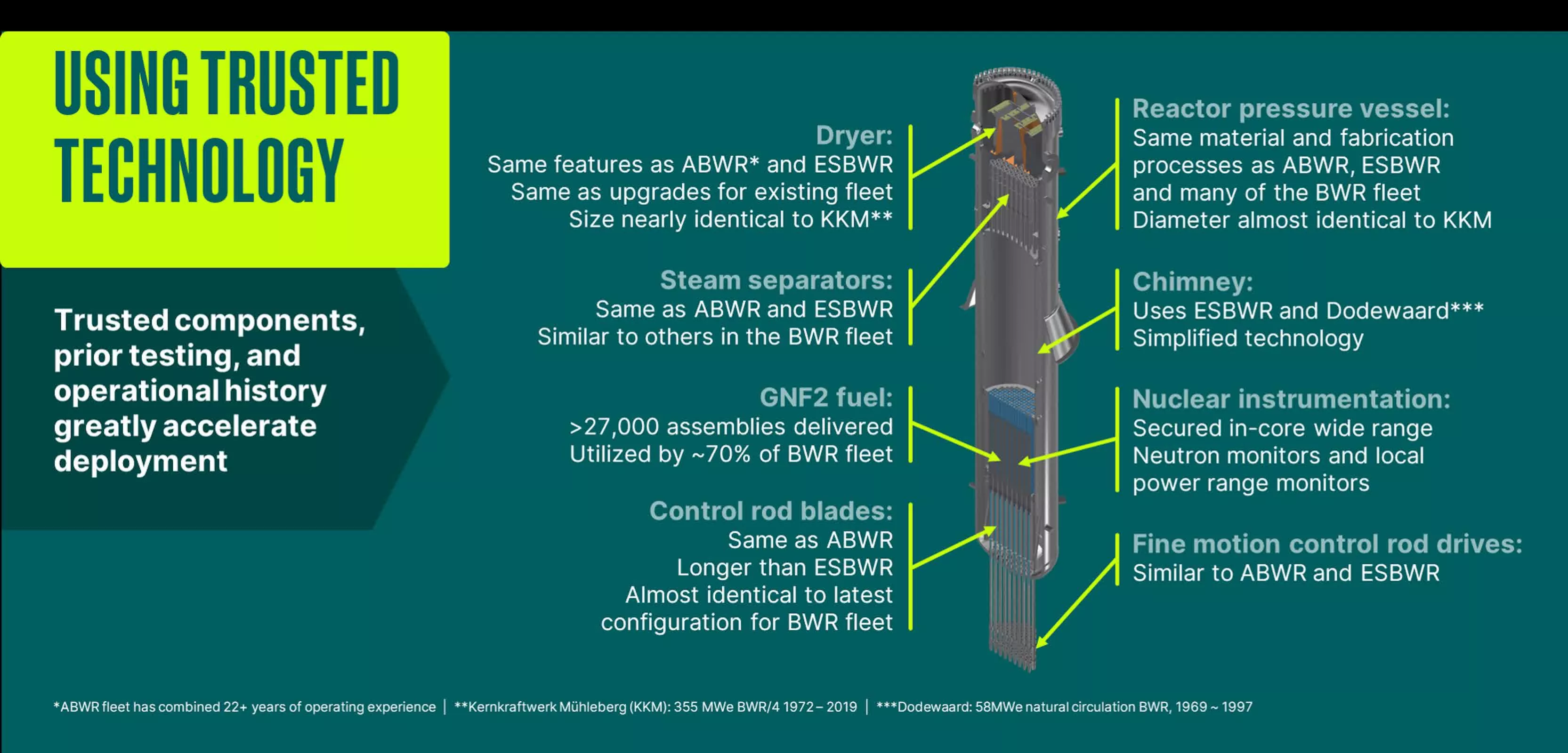
BWRX-300 is a small boiling water reactor. Its basic technical route is not a completely new nuclear reactor principle, but is based on boiling water reactor technology that has decades of commercial operation experience. As the name suggests, the reactor uses water as a coolant and drives the cooling process through the natural circulation of water.
The design power generation capacity of a single BWRX-300 is about 300 megawatts, which is approximately one-quarter of the current single-unit capacity of the latest large-scale reactor at the Vogtle Nuclear Power Plant in Georgia, USA. Compared with traditional large nuclear reactors, the core idea of small modular reactors is to reduce the scale and complexity of a single project, and then create scale effects by building multiple standardized units.
BWRX-300 also adopts a number of passive safety designs. In the event of abnormal conditions, some safety systems can use gravity, pressure and stored water to complete cooling, rather than relying entirely on electrically driven pumps and other active equipment. This design can reduce some mechanical and electrical systems, which is expected to reduce system complexity and improve the safety margin in accident conditions.
GE Vernova Hitachi and its partners hope to use this more simplified design to reduce the number of parts required for the reactor and reduce the factory floor area. At the same time, a large number of components can theoretically be prefabricated in the factory and then transported to the site for assembly, thereby reducing the workload of on-site construction.
The real economic advantage of small modular reactors does not come entirely from the smaller size of a single unit, but from the fact that multiple units can be built continuously with the same standardized design. If the same parts, supply chains and construction processes can be used in large quantities, costs and construction times can be gradually reduced through bulk purchasing, factory production and the accumulation of construction experience.
TVA is currently evaluating whether to build up to four BWRX-300 reactors at Clinch River in the future. However, TVA has not announced a specific start time, nor has it disclosed the final project cost.
The United States has renewed its focus on small nuclear reactors in recent years, which is closely related to the increase in power demand brought about by the rapid expansion of artificial intelligence data centers. Large-scale AI data centers require continuous power supply, and the scale of power consumption may further expand in the future. For grid operators, power sources that can generate electricity reliably around the clock and are independent of weather conditions are increasingly important.
As a result, nuclear power has once again become one of the sources of electricity that has attracted attention during the expansion of AI infrastructure in the United States. Compared with solar and wind energy, the biggest feature of nuclear power is that it can provide stable baseload power for a long time, and at the same time, it does not directly produce carbon dioxide emissions during operation. But on the other hand, new nuclear power plants have long faced problems such as long construction cycles, huge investment scales, and cost overruns.
The two newly built large reactors at the Vogtle Nuclear Power Plant in the United States are a typical case. The final total cost of the two units is about US$35 billion, and the project was put into operation many years later than originally planned. Companies that support small modular reactors believe that the BWRX-300 adopts a more standardized design and can increase the proportion of factory prefabrication, which has the opportunity to avoid some of the problems encountered by traditional large-scale nuclear power projects.
However, this theory still needs to be proven through actual projects. The Clinch River project will become an important case in the United States to test the commercial feasibility of BWRX-300. Even if the reactor design itself can reduce construction complexity, the actual construction process may still be affected by factors such as supply chain, supervision, financing and on-site construction.
Canada has become another important testing ground in the commercialization process of BWRX-300. Ontario Power Company is preparing to build a group of BWRX-300 reactors and has completed the basic construction of the first unit. Both TVA and Ontario Power expect to gain economies of scale in procurement, manufacturing and construction experience by using the same reactor design.
There are also companies in Texas, USA, that adopt similar ideas. Blue Energy has applied to build the BWRX-300 reactor and plans to use it to power data centers. It also hopes to further reduce costs through large-scale manufacturing of reactor components.
If AI data centers continue to expand at the current rate in the future, power infrastructure will become one of the important factors restricting the construction of data centers. Traditional gas, coal power, solar and wind power all have different construction, emission or stability issues. Nuclear power can provide long-term stable power. Therefore, some U.S. utility companies and technology companies have begun to re-evaluate the role of nuclear energy in the power system in the AI era.
However, it is still unclear whether BWRX-300 can truly become an economical power supply for AI data centers. TVA only obtained a construction permit, the project has not yet begun commercial operation, and there is no final cost data. Therefore, the future construction speed, actual cost and power generation cost will directly determine whether this small modular reactor can be promoted on a large scale.
The NRC completed the review and approved the Clinch River project ahead of schedule, which means that the U.S. small modular nuclear reactor has finally moved further from the design and approval stage to the actual construction stage. If TVA can build the unit as expected and control construction costs, the BWRX-300 is expected to become one of the important standardized solutions for the new generation of nuclear power projects in the United States. It may also provide a new nuclear energy solution for the growing all-weather power demand of AI data centers.
Comments