
Abstract:
Chip company Synaptics recently issued a cease-and-desist letter to open source developer Mike Lothian, requiring the developer to stop developing and releasing the Linux driver Vino. This driver is designed to provide open source support for DisplayLink devices, and developers use Claude AI to assist development during the development process.
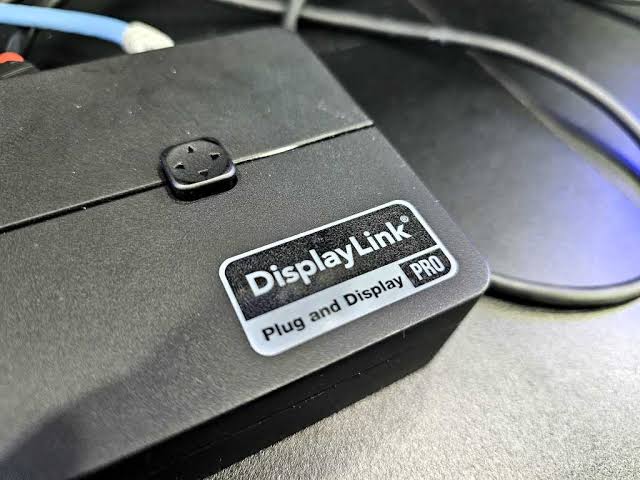
DisplayLink technology is commonly used in USB docking stations and display adapters, and can add an external monitor to the computer through USB and other connection methods. Synaptics offers DisplayLink support for Linux, but its solution requires the use of closed-source proprietary components.
Developed through independent reverse engineering with the help of Claude AI, the Vino project is testing the driver on a Dell D6000 docking station and hopes to push the work into the Linux kernel.
Synaptics also took notice of the project, sending cease-and-desist letters to developers. According to the cease-and-desist letter, Synaptics accuses the Vino project of infringing British patents GB2484736 and 2485613. Synaptics is asking Lothian to cease development, testing and distribution, to remove code, documentation and other implementations, and to withdraw related materials submitted to Linux kernel maintainers and other platforms.
In a follow-up letter, Synaptics also stated that if the developer does not meet the requirements by the specified deadline, the company will seek compensation of $25,000 to compensate for the cost and work of preparing materials describing the infringement. The claim will increase by at least $25,000 per week thereafter, or $25,000 for every seven days beyond the specified date.
Synaptics legal chief Andrew Bateman said disclosing how DisplayLink is implemented could help the company's competitors learn about Synaptics' proprietary technology, which would affect Synaptics' competitive advantage.
Developer Lothian said in a public reply that he is an individual hobbyist developer and his actions did not infringe on relevant patents. Lothian also challenged the validity of two Synaptics patents, saying some of the technology had been published before the patent applications were filed.
But even so, the Vino repository has now been turned into a private state. I don’t know whether the repository was deleted by GitHub or the developer no longer made the repository public as required. However, Synaptics’ legal correspondence, patent materials, and developer responses have all been sent to the Linux kernel mailing list.
Comments