
Abstract:
According to reports, while North America and some European countries are deep in the fentanyl crisis, fentanyl overdose deaths and circulation rates in Italy have remained at extremely low levels for a long time. A number of judicial anti-mafia prosecutors and organized crime research experts pointed out that this abnormal phenomenon is not only due to the police's daily anti-drug law enforcement, but more likely to the Italian mafia's top brass secretly jointly implementing a "ban" on fentanyl in their territories based on commercial interests and evading law enforcement.
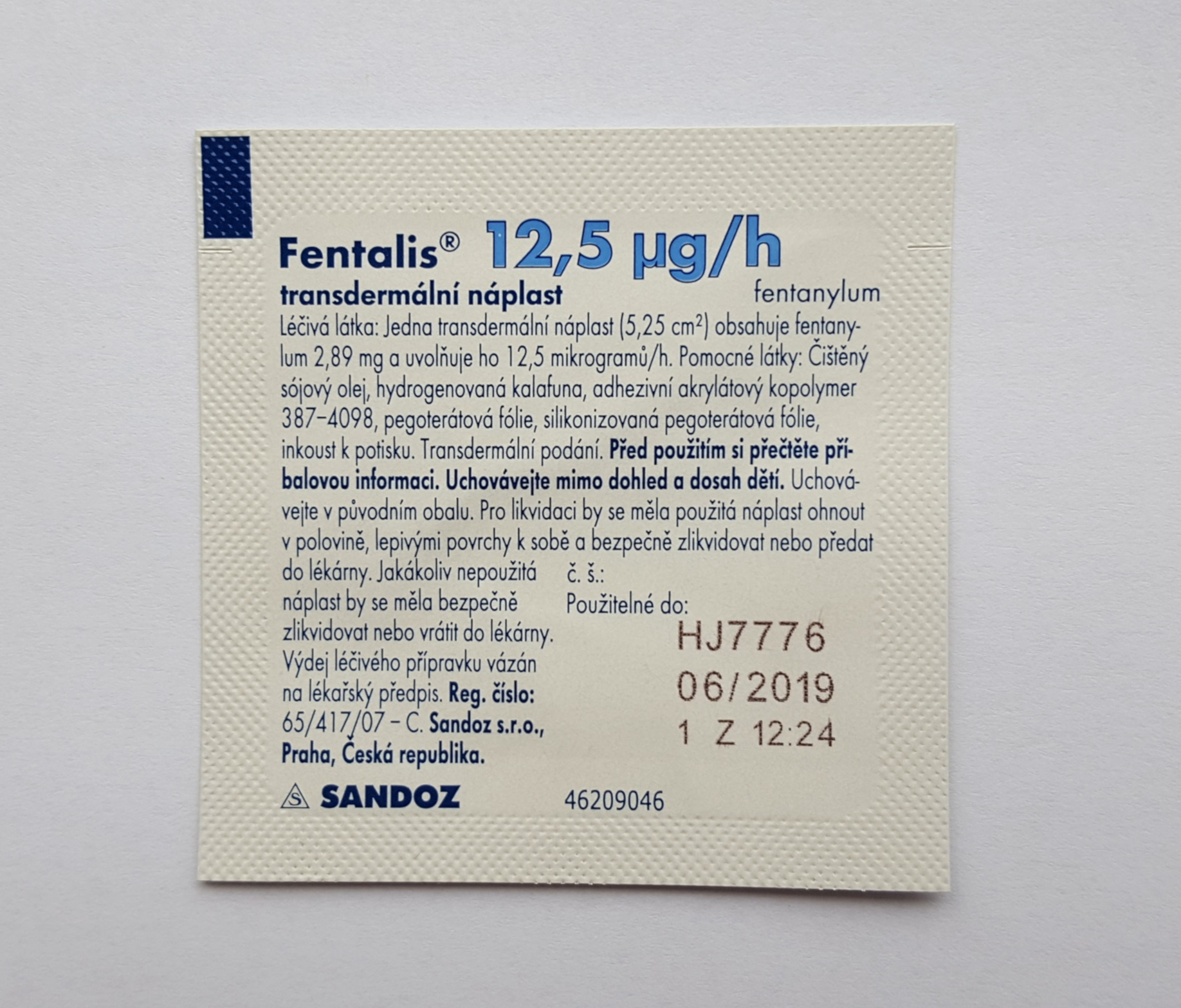
Official statistics show that in 2024, fentanyl, which is about a hundred times more potent than morphine, was related to only two fatal poisoning cases in Italy, while Germany recorded 95 cases and the United States nearly 48,000 cases during the same period. This extremely low fatality rate cannot simply be attributed to the low overall level of drug consumption in Italy. European monitoring data shows that about 2.1% of young Italians have used cocaine in a year, which is comparable to 2.2% in Germany, and the rate of high-risk opioid use in Italy is even about twice that of Germany. However, when many European countries are wary of the spread of fentanyl, Italian anti-gangster prosecutor Nicola Gratteri pointed out that the country's law enforcement agencies have not uncovered any large-scale fentanyl smuggling cases so far, which shows that organized criminal gangs are deliberately staying away from this variety.
Roberto Saviano, a well-known writer who specializes in the study of the Mafia, believes that the current crisis of fentanyl flooding in Italy lies in the collective rejection of local gang groups. Analysis points out that fentanyl's extremely high lethality not only causes consumers to die quickly, thus shortening the long-term payment cycle of addicted customers, but also triggers devastating crackdowns from national law enforcement and even political levels due to large-scale death incidents. This directly damages the traditional heroin and cocaine profiteering markets that the Mafia has long entrenched, and in terms of business logic, "the gain outweighs the loss."
Vincenzo Molinese, commander of the Italian Carabinieri's Special Organized Crime Task Force, previously confirmed in testimony to a parliamentary committee that existing intelligence indicates that gang networks are indeed actively avoiding the distribution of fentanyl. Although the police have not yet intercepted the recording of a direct phone call reaching an agreement between the bosses, researchers pointed out that in the underground distribution system tightly controlled by the Mafia, such industry-leading decisions must be made at the highest level. Any small gang that attempts to introduce high-risk fentanyl without authorization will face cruel and violent punishment from within the gang.
Comments