
Abstract:
Global electronics manufacturing giant Foxconn is further expanding its presence in the automotive industry. On October 19, local time, Foxconn announced that it would acquire 50% of Mitsubishi Electric’s automotive equipment business through its investment company for 115 billion yen, or approximately US$727 million. The two parties plan to integrate related businesses into a 50-50 joint venture, combining Mitsubishi Electric's technology accumulation in automotive electronics, power systems and vehicle control software with Foxconn's advantages in large-scale manufacturing, supply chain management and product development speed to jointly develop electric vehicle platforms for Japanese and global automakers.
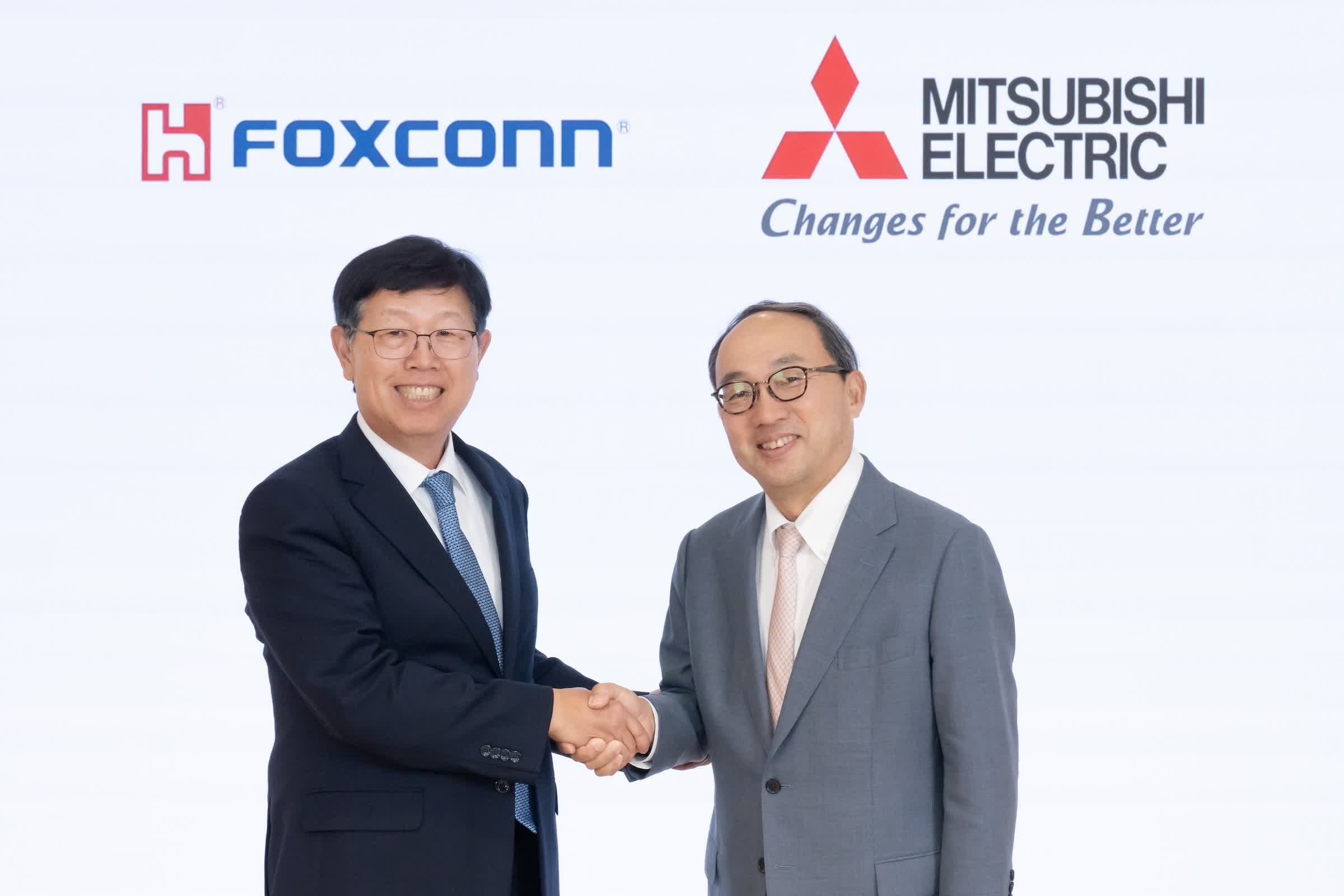
This deal is an important step for Foxconn to enter the electric vehicle industry in recent years. Different from the past, which mainly focused on displaying concept cars, establishing cooperative relationships and obtaining OEM orders, this investment allows Foxconn to further gain access to Japan's mature auto parts supply system, as well as the engineering technology and customer resources accumulated from long-term service to traditional auto manufacturers.
According to the agreement announced by the two parties, Foxconn will acquire 50% of the equity of Mitsubishi Electric Mobility Business Company (Mitsubishi Electric Mobility) through its investment management subsidiary Linyin International Investment. The company is mainly responsible for Mitsubishi Electric's automotive equipment business. After the transaction is completed, both parties will jointly operate relevant businesses on an equal shareholding basis.
The transaction values the target business at approximately 320 billion yen, with an enterprise value of approximately US$2 billion; the equity value is approximately 230 billion yen. The two parties expect to complete the equity transfer in October 2027 after completing the antitrust review and other necessary approvals.
According to the plan, Mitsubishi Electric will integrate other automotive businesses that have not yet been included in the target company into Mitsubishi Electric Mobility Business Company before the completion of the transaction, including some related businesses held by overseas subsidiaries. After the integration is completed, Foxconn will obtain 50% of the equity of the combined business.
What Foxconn values most is not just its auto parts production capacity, but Mitsubishi Electric's accumulation in the fields of vehicle electronic control systems and software.
Jun Seki, chief strategy officer of Foxconn's electric vehicle business, said at a press conference in Tokyo that what attracts Foxconn most is Mitsubishi Electric's electronic control technology and the rich software resources behind it.
Mitsubishi Electric's mobility business currently produces products including automotive alternators, starters, ignition coils, radar sensors and electric vehicle power system equipment. Although a considerable number of these products still serve traditional fuel vehicles, the motor control, electronic systems and automotive engineering technologies they involve can also provide a basis for the development of electric vehicle platforms.
For Foxconn, Mitsubishi Electric also has another important resource: long-standing business relationships with Japanese automakers.
There are significant differences between the automotive industry and the consumer electronics industry. Electronic products such as smartphones can quickly expand production through relatively standardized design and large-scale manufacturing, while automobiles involve more stringent safety requirements, long-term reliability verification, complex supply chain management, and deep collaboration with OEMs. For Foxconn, which hopes to become an automobile OEM manufacturer, just having factories and manufacturing capabilities is not enough to obtain long-term orders from large automobile companies.
Mitsubishi Electric's accumulated customer relationships, engineering experience and product certification system in the field of auto parts can help Foxconn reach potential customers more directly and reduce some of the technical and commercial obstacles it faces when entering the auto industry.
The two parties plan to combine Mitsubishi Electric's electric vehicle power system, vehicle control technology, autonomous driving related technology and on-board computing capabilities with Foxconn's manufacturing and supply chain system to develop a new generation of electric vehicle platform. The relevant platforms will first be sold to Japanese automakers and then seek overseas market opportunities.
The two parties also hope to highlight Japanese automotive engineering technology and manufacturing quality through the brand concept of "Made in/by Japan" and promote related platforms to the global market.
However, this deal does not mean that Foxconn will obtain all of Mitsubishi Electric's automotive technology. Mitsubishi Electric's power semiconductor business, which includes silicon carbide power modules and insulated gate bipolar transistor (IGBT) power modules used in electric vehicle inverters, is not part of the deal.
These power semiconductors are an important part of the electric drive system of electric vehicles and can affect power conversion efficiency, power system performance and thermal management performance. Excluding it from the transaction means that Foxconn mainly acquires the automotive equipment business and related technologies this time, rather than all Mitsubishi Electric's core electric vehicle component assets.
Mitsubishi Electric has been adjusting its automotive business portfolio in recent years. The company has previously exited businesses such as automotive multimedia systems and fuel injectors, and transferred its automotive lighting business to Stanley Electric, a Japanese automotive lighting supplier. By establishing a partnership with Foxconn, Mitsubishi Electric can continue to retain its automotive equipment business while introducing new investors and manufacturing partners to promote related business transformation.
Mitsubishi Electric has also previously tried to establish a new cooperation model with Japanese auto parts company Aisin. In May 2024, the two parties announced plans to establish a joint venture to develop traction motors, inverters and control software. But in October of the same year, the two parties gave up the plan to establish a joint venture and instead chose to cooperate in the form of a business alliance.
In contrast, this transaction with Foxconn adopted a direct equity cooperation model. Each party holds 50% of the equity of the target business and will jointly participate in the operation. This means that Foxconn is no longer just an external manufacturing partner, but has become a significant co-owner of Mitsubishi Electric's automotive equipment business.
For Foxconn, the investment is also an adjustment to setbacks in its electric vehicle business over the past few years.
Foxconn publicly proposed a plan to enter the electric vehicle industry as early as 2020 and launched the MIH electric vehicle open platform, hoping to provide vehicle platforms and manufacturing services for automobile manufacturers through an OEM model similar to the smartphone industry. The core idea is to combine some standardized links in vehicle development with large-scale manufacturing, allowing car brands to focus more on product positioning, sales and customer service.
However, the complexity of the automotive industry goes far beyond simple electronic product foundry. Car manufacturers not only require suppliers to provide parts, but also must take responsibility for vehicle safety, durability, regulatory certification, after-sales maintenance and long-term product liability. At the same time, competition in the electric vehicle market is becoming increasingly fierce, and some start-up companies have tight capital chains, which has also affected Foxconn's business expansion.
Foxconn had planned to produce Fisker's Pear electric car at its factory in Ohio, USA, but the model ultimately failed to enter mass production. Fisker filed for bankruptcy protection in 2024, and Foxconn subsequently sold related factories in 2025.
Despite this, Foxconn has not given up on the automotive business, but continues to gradually expand market coverage through different cooperation projects.
In the Japanese market, the Foxtron model ASX VR-e developed by Foxconn has established a cooperative relationship with Mitsubishi Motors and plans to sell it to the Australian and New Zealand markets under the Mitsubishi Motors brand. What needs to be distinguished here is that Mitsubishi Motors and Mitsubishi Electric are two independent companies. The object of this equity transaction is Mitsubishi Electric's automotive equipment business, not Mitsubishi Motors' vehicle manufacturing business.
In addition, Foxconn has also carried out bus-related cooperation with Mitsubishi Fuso Truck and Bus Company, and participated in the project of Ceer, an electric vehicle brand in Saudi Arabia. Foxconn hopes to gradually establish a business network covering vehicle development, parts supply, vehicle manufacturing and regional market operations through these cooperations.
The establishment of a joint venture with Mitsubishi Electric can further supplement the relatively weak technical links in this network. Foxconn's past automotive strategy emphasized platform development and large-scale manufacturing, but without mature vehicle control software, power system engineering capabilities, and close ties with traditional automakers, it will be difficult to translate manufacturing advantages into sustained automotive orders.
Mitsubishi Electric can provide technology and experience in these areas. For Japanese automakers, the cooperation may also offer a new option: leveraging Foxconn's manufacturing scale and supply chain capabilities to develop a new generation of electric vehicle platforms while retaining Japanese engineering technology and quality standards.
The two parties have set relatively aggressive growth targets for related businesses, hoping to achieve annual sales of more than 1 trillion yen in the fiscal year ending in March 2031. Calculated according to this goal, related businesses need to maintain growth in the next few years and gradually expand the sales scale of electric vehicle platforms and other automotive equipment.
However, this goal does not mean that the joint venture's revenue will all come from electric vehicles. The target business still has a large-scale traditional auto parts business, and products such as generators, starters, ignition coils and radar sensors are still part of its business. How much of future revenue growth will come from traditional auto parts, and how much will come from electric vehicle platforms and software systems, remains to be verified by subsequent business development.
For Mitsubishi Electric, the deal also has financial implications. The company estimates that related business adjustments may result in impairment losses of approximately 100 billion yen this fiscal year, and plans to update its full-year performance forecast on October 30. Impairment losses usually reflect the company's reassessment of the book value of related assets and are not equivalent to the same amount of cash expenditures, but they may still have a significant impact on current accounting profits.
This also reflects the transformation pressure faced by traditional auto parts suppliers. As the automobile industry develops from fuel-powered to electrified and intelligent, the long-term demand prospects of some traditional components have changed, while areas such as electric drive systems, electronic controls, driving assistance and on-board computing require continued investment in research and development. By bringing in partners, Mitsubishi Electric can share some of the operating pressure while finding new growth directions for the business.
From an industry perspective, Foxconn’s strategy is consistent with another trend that has emerged in the automotive manufacturing industry in recent years: more and more companies are trying to split vehicle platform development, software technology and large-scale manufacturing into different links, and then establish a new industrial chain division of labor through cooperation.
However, there is still uncertainty about whether the automotive OEM model can expand as rapidly as smartphone OEM. Automotive products have longer life cycles, safety and regulatory requirements are more complex, and brands often want to maintain control over the core technology and product definition of the vehicle. Therefore, even if Foxconn can acquire mature automotive engineering capabilities, it will still need to convince OEMs to adopt its platforms and prove that these platforms can meet market requirements in terms of cost, performance, quality and delivery capabilities.
This investment provides Foxconn with a deeper foundation in Japanese automotive technology and allows Mitsubishi Electric to use new partners to promote the transformation of its automotive equipment business. But the final outcome of the deal still depends on whether both parties can transform technology integration into actual products and obtain sufficient scale of automobile manufacturing orders.
With the transaction expected to be completed in October 2027, whether Foxconn can leverage Mitsubishi Electric's engineering technology and customer network to establish a more stable business model in the global electric vehicle industry will become a focus of attention in the next few years.
Comments