
Abstract:
BMW’s product strategy in China has undergone a major shift. Recently, BMW Group Chairman Milan Nedeljković confirmed that BMW will completely withdraw from the UKL small and compact car segment in the Chinese market. This is also the largest regional product line adjustment launched by BMW for the Chinese market.
UKL is what domestic car fans call BMW's front-wheel drive platform. This strategic statement also indicates that the entry-level front-wheel drive BMW product line we are familiar with will no longer continue to iterate and update in the future. If this news were given a few years ago, many people might not believe it. After all, UKL was once a key weapon for BMW to conquer the Chinese market, and it was also the starting point for countless people’s first BMW. But today, it is becoming a thing of the past.
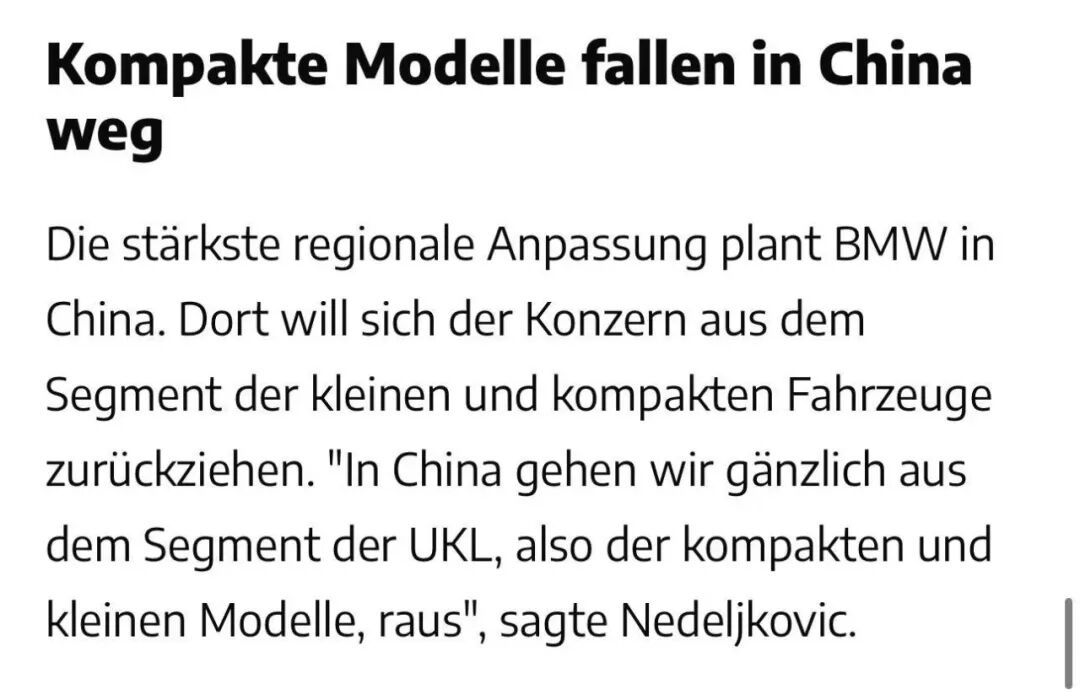
The picture comes from a report by the foreign media German "Handelsblatt" (Business Daily) on September 30 (BMW Group Chairman Milan Nedeljković confirmed to the outside that BMW will completely withdraw from the UKL small and compact car segment in the Chinese market)
What does UKL mean?
UKL is BMW's front-wheel drive platform and one of BMW's most mature and popular architectures in the compact market. Its core feature is the front-wheel drive layout, which mainly serves smaller and more affordable models. Based on the UKL platform, BMW has launched a variety of products such as the 1 Series sedan, 2 Series station wagon, 2 Series four-door coupe, X1, and X2.
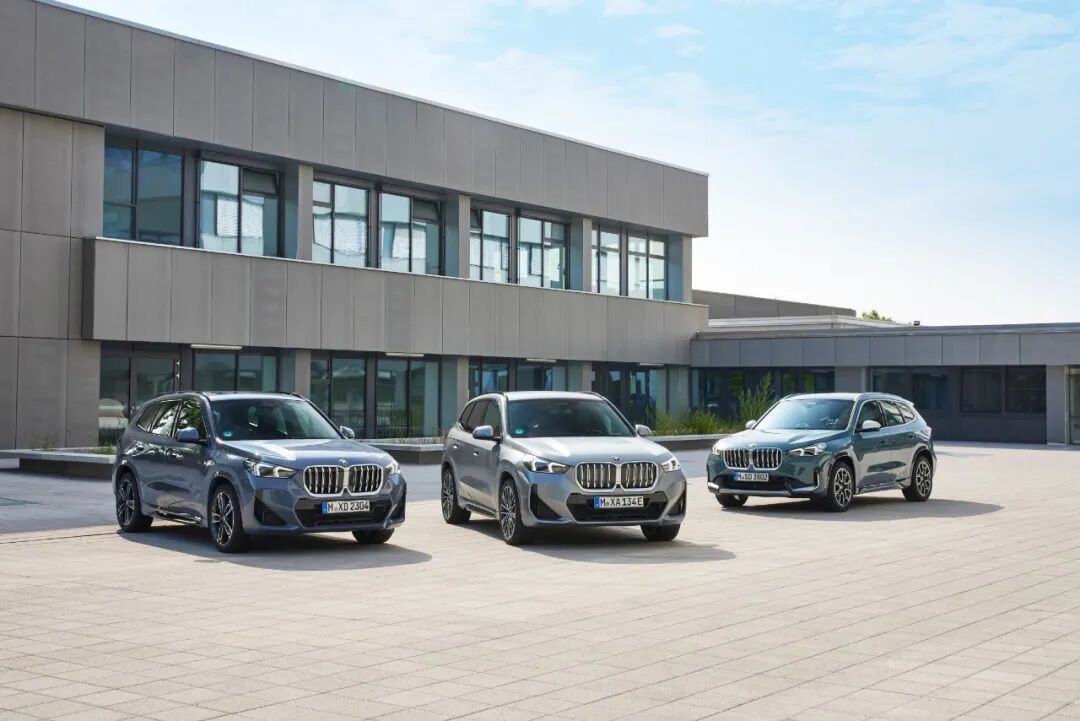
Before the launch of these products, various models of the MINI brand were the main users of this platform. It can be said that the UKL platform is an important driving force for BMW to move towards "mainstream luxury". It allows more young consumers to sit in the driver's seat of BMW for the first time and feel the brand warmth of blue sky and white clouds for the first time.
But now, this platform is coming to an end in the Chinese market. Taking stock of the UKL models currently on sale in China, there are actually only two models left: the domestic X1 (U12) and the domestic 2 Series four-door coupe (F78). Other UKL members have already left the field. The domestic 1 Series sedan will officially cease production in July 2023, while the X2 will be even more straightforward - it has taken the lead in withdrawing from the Chinese market in March this year. In a sense, X2's withdrawal is the prelude to UKL's withdrawal in China.
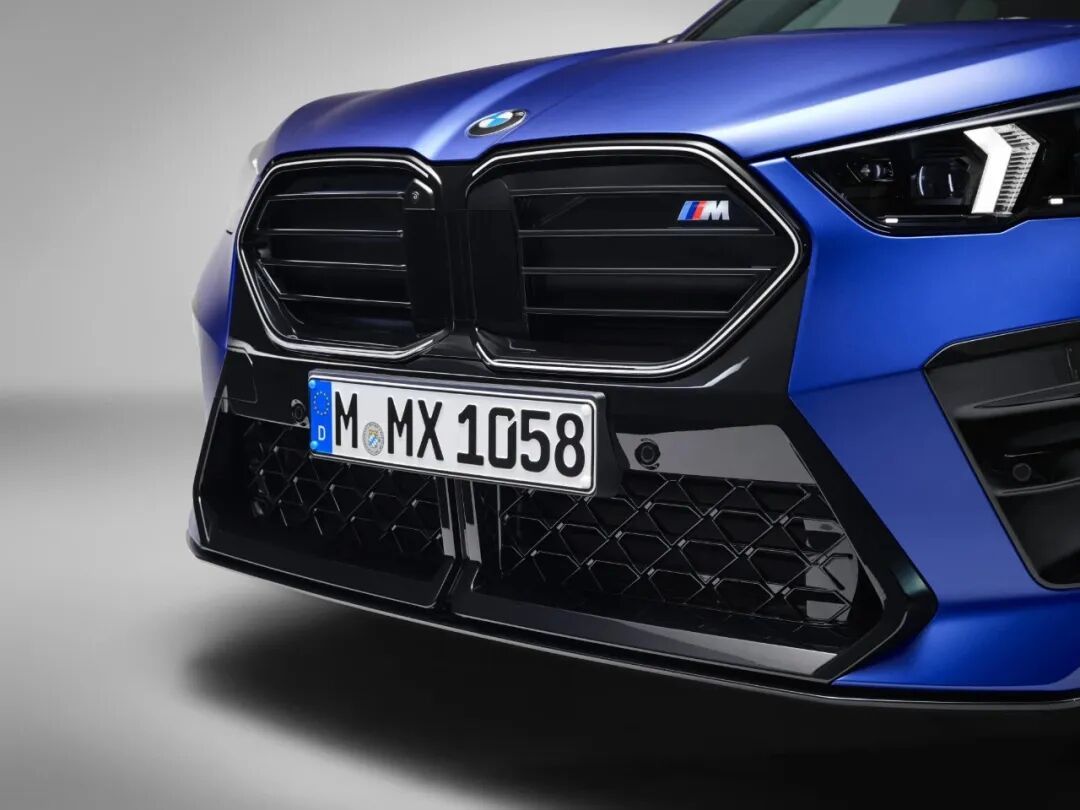
Domestic X1: the last sales pillar of the UKL camp
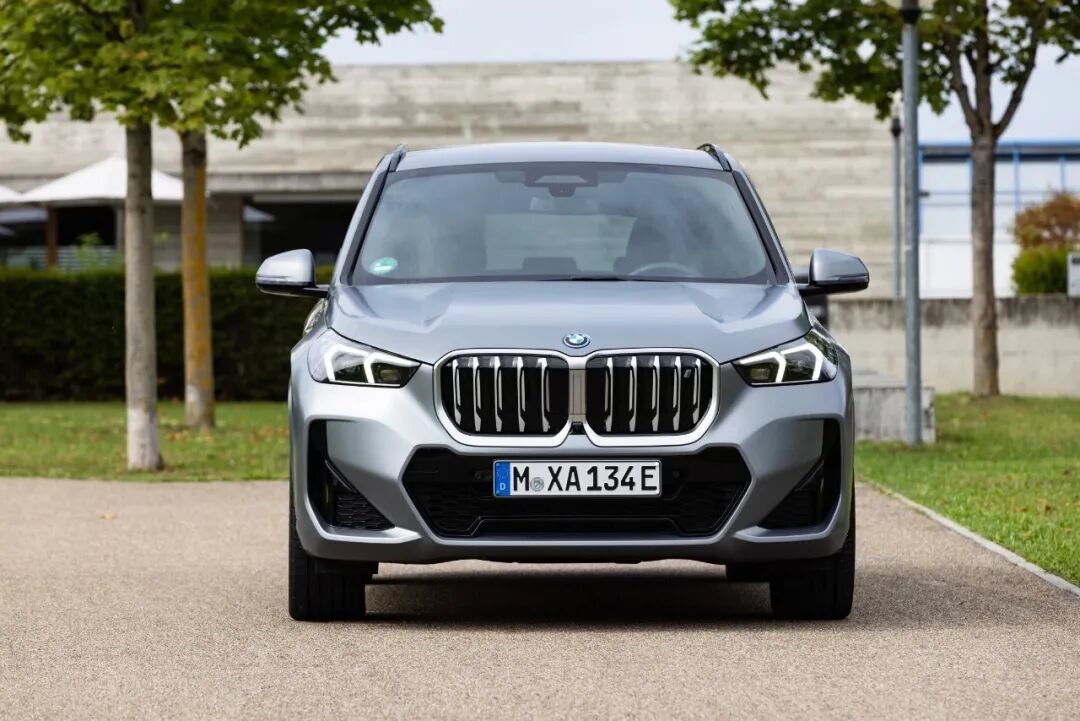
The domestic X1 is the player with the most stable market performance in the UKL camp. Its positioning is very clear: an entry-level compact luxury SUV, focusing on space practicality and brand balance. This generation of X1 has been lengthened, with improved rear legroom, 2.0T four-cylinder power, solid chassis and reliable quality. The BMW X1 is definitely a family SUV that can be entered with eyes closed. Because of this, X1 has always had good market feedback in the entry-level luxury SUV market.
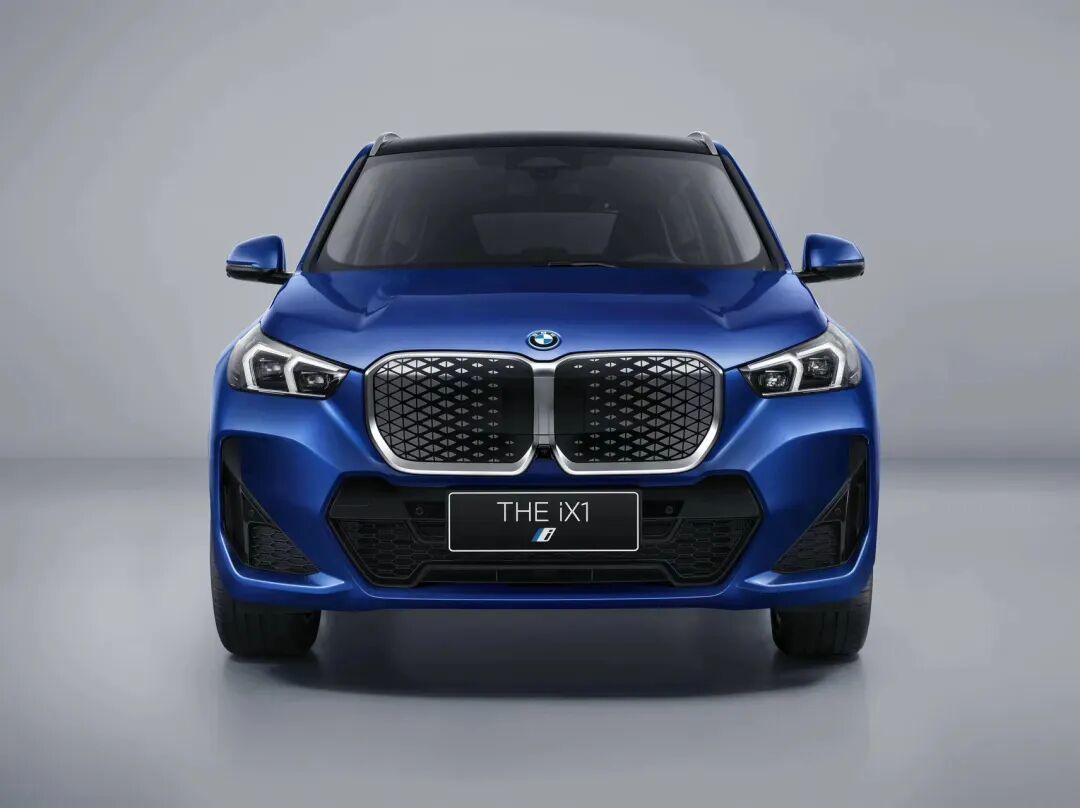
In terms of market conditions, the price of the most popular X1 25Li sDrive two-wheel drive version has reached around 170,000 yuan. There will be differences in different regions and different stores. A few years ago, it would have been difficult to imagine buying a BMW SUV at this price. But today, it is already a reality in the end market.
Domestic 2 Series four-door: The living space of niche coupes is narrowing
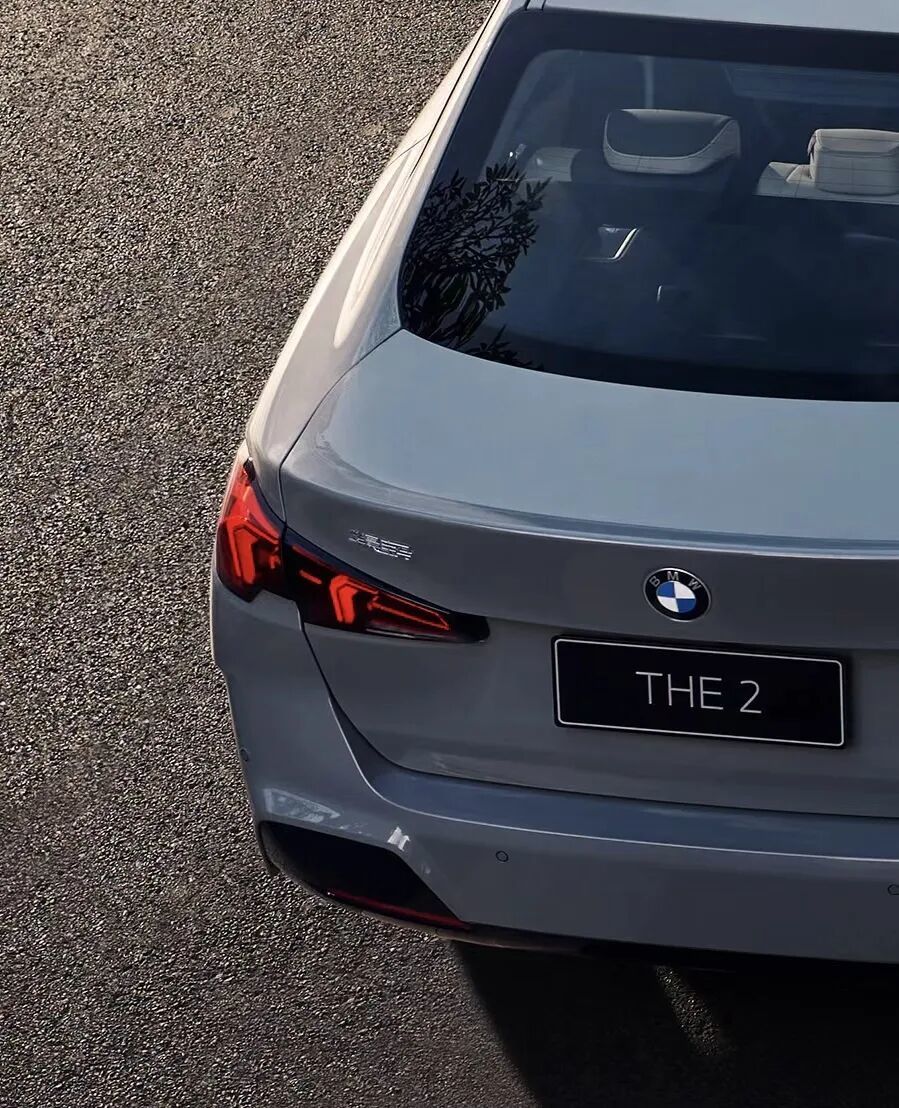
The domestically produced 2 Series four-door coupe is having a much harder time. It is positioned as a niche coupe. The fastback shape and frameless doors are really good-looking. It is also equipped with a 2.0T engine. The smaller body has more agile and flexible handling performance. But it is slightly lacking in practicality and space performance. More importantly, the price range it is in is the hinterland where competition in the current market is fiercest.
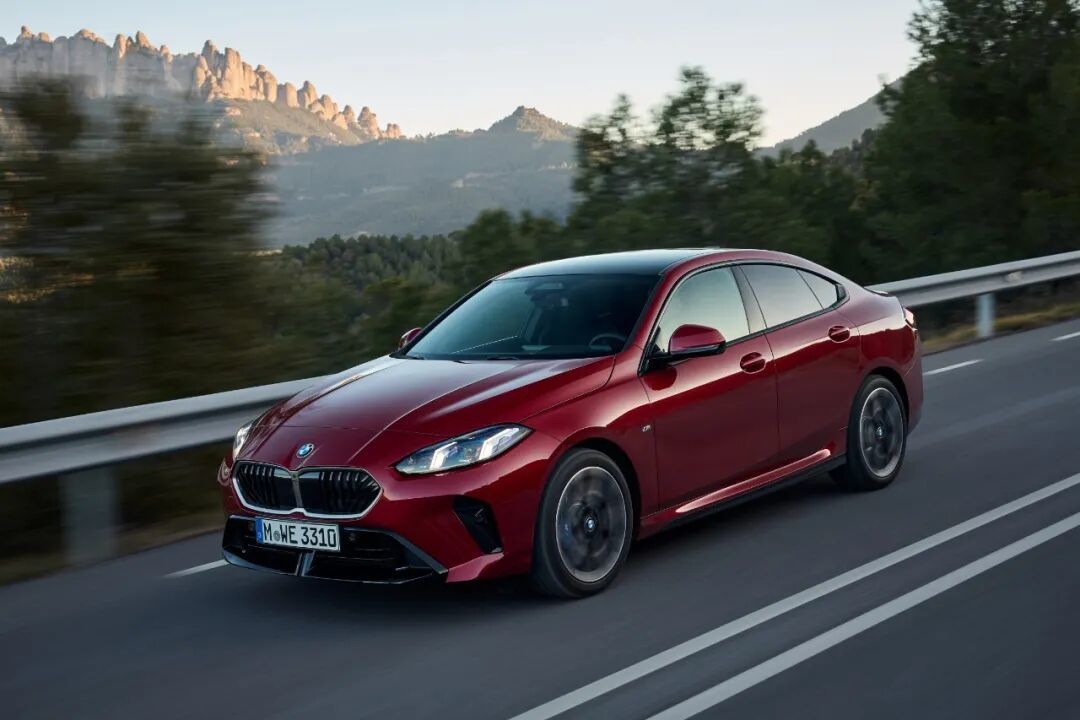
The price of the entry-level 225L M sports package has dropped to about 160,000 yuan. At the same price of 150,000 to 60,000 yuan, consumers can already buy products with larger sizes, richer configurations, and higher levels of intelligence. The user group of the 2 Series four-door is mostly urban young people who pursue individuality and express themselves. They drive and choose their own cars, and what they value is style and attitude.
However, in the current market environment, this kind of niche demand is being continuously diverted, and the market space of the 2 Series four-door is also being continuously squeezed. As for the X2, the situation is very similar to that of the 2 Series four-door. It was the first to withdraw from the Chinese market in March this year, and will not be discussed here.
The final swan song of the UKL performance version
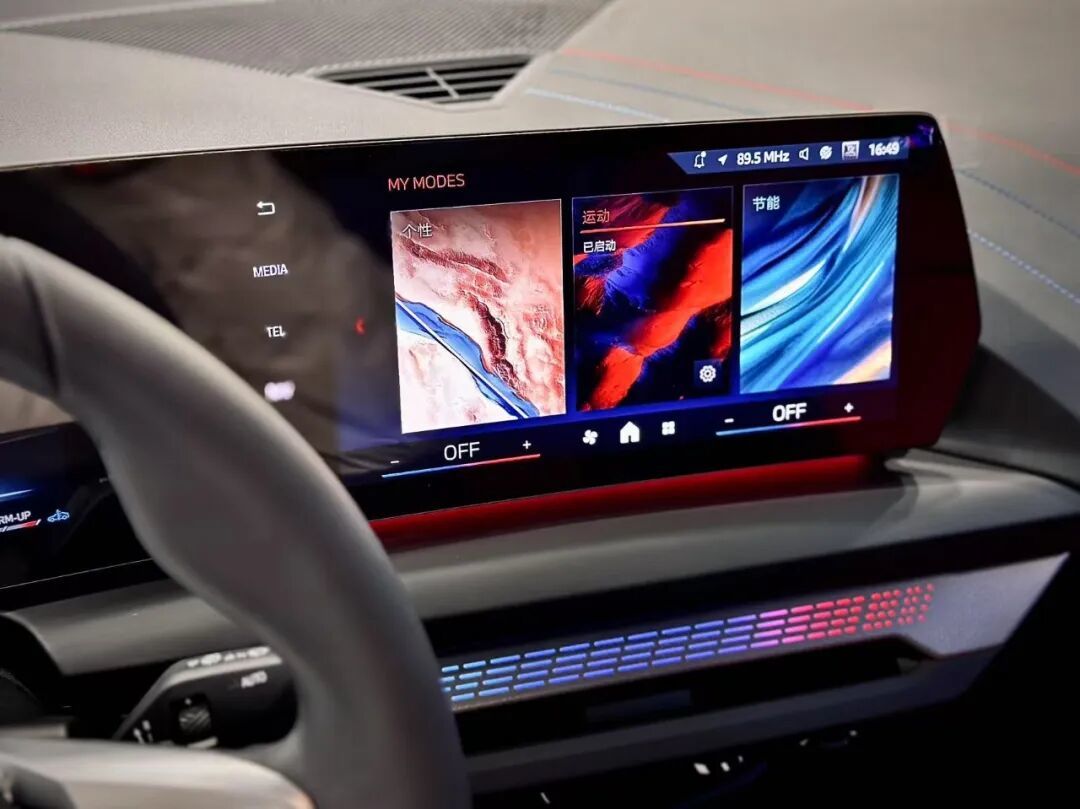
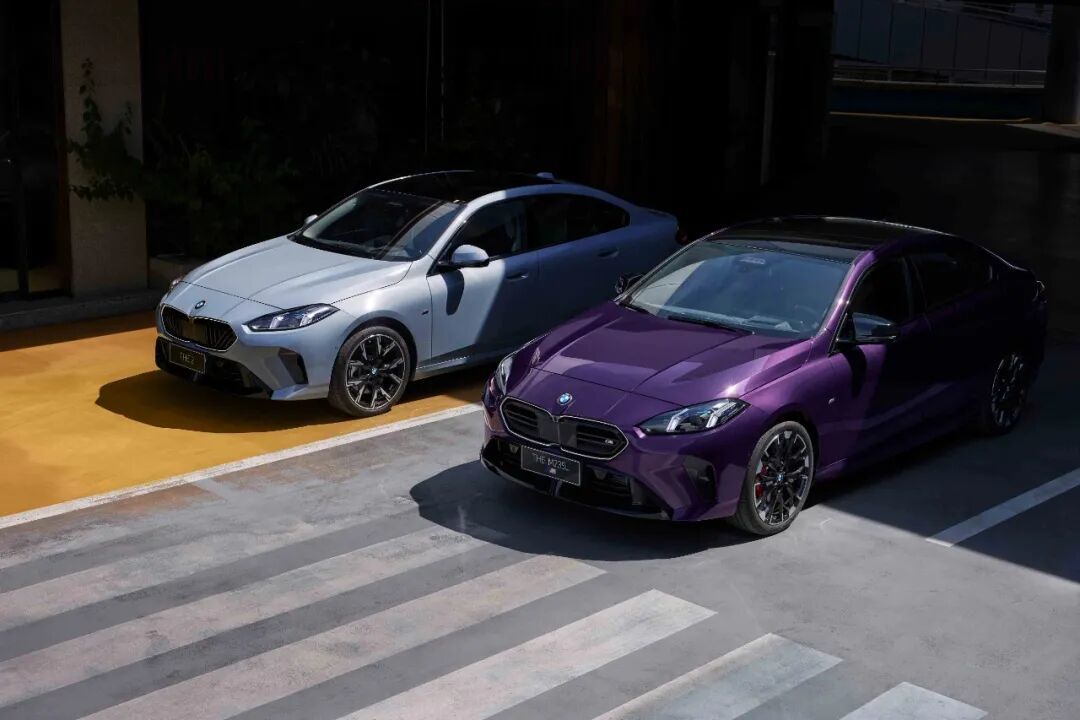
At the same time, UKL's exit does not only involve regular models. As the only two domestic compact products in the M Performance series, the X1 M35Li and M235L will also exit the Chinese market together. For some users who want BMW control but are unwilling to give up daily practicality, these two cars actually have a unique appeal - they are equipped with the 2.0T version, the most highly tuned among BMW's four-cylinder engines, with a maximum power of 300 horsepower. They have always had a certain consumer group in the entry-level performance car market.
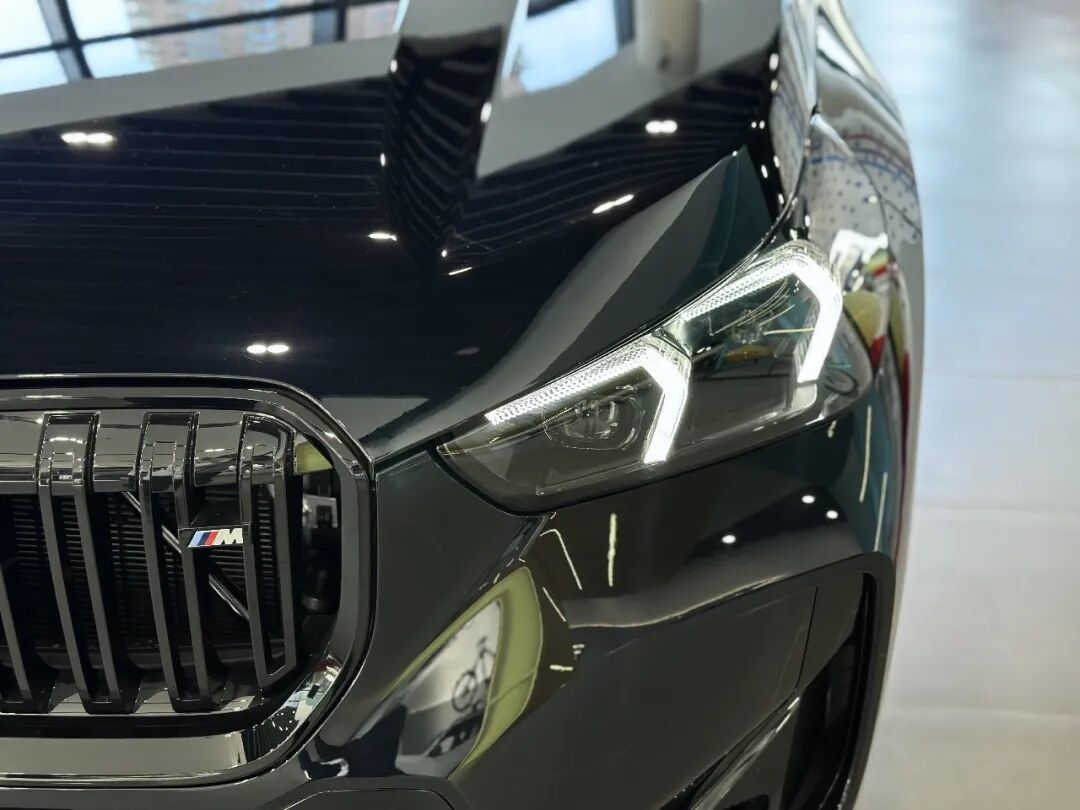
In terms of market conditions, the current bare car price of the X1 M35Li is about 260,000 yuan, while the price of the M235L has dropped to around 220,000 yuan. Buying a 300-horsepower BMW M Performance model at such a price was difficult to imagine in the past, but this also shows from the side that the UKL performance version has also reached the end of the product cycle.
Why quit? The 200,000-level market has changed
The fundamental reason why BMW withdrew from UKL is not complicated: the competition in the market of around 200,000 yuan is too fierce. New forces are constantly rising, new products are iterating rapidly, and configurations, functions, performance, and sizes are constantly improving. The advantages of traditional luxury brands’ entry-level fuel vehicles are being rapidly diluted.
As a decent entry-level SUV, the X1 has received slightly better market feedback due to its space practicality and the influence of the BMW brand. The 2 Series four-door, as a niche coupe-shaped model, is being squeezed from both top and bottom by competing new energy products, leaving it with almost no power to fight back.
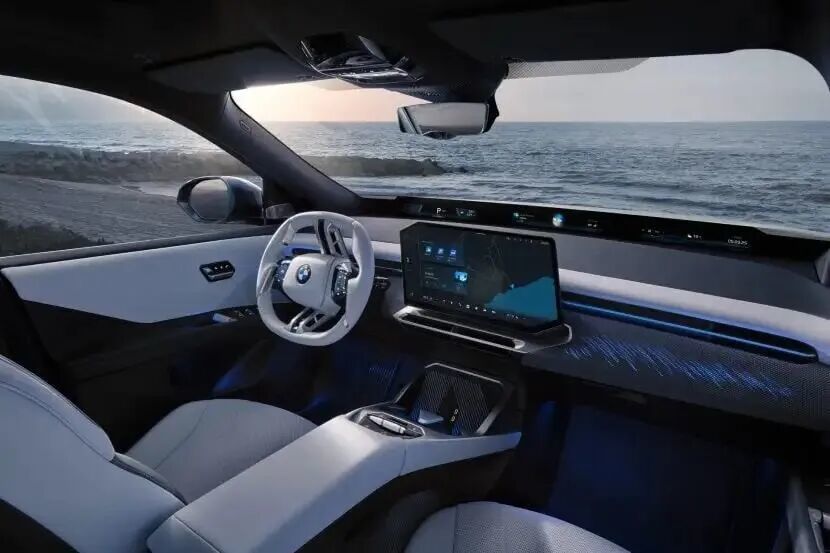
Looking deeper, BMW's own strategic focus has clearly shifted. The new-generation BMW iX3 is available for pre-order at the Chengdu Auto Show. The national unified price starts from 269,900 yuan. Nearly 40 high-value configurations are standard in the entire series. The global 800V high-voltage platform, BMW driving control super brain, and AI personal assistant based on the Ali big language model are all standard. It also adopts a transparent pricing mechanism with a national unified price. At the same time, the new generation i3 has also been fully unveiled and will be delivered in the first quarter of next year. The 3005 mm long wheelbase is specially built for the Chinese market.
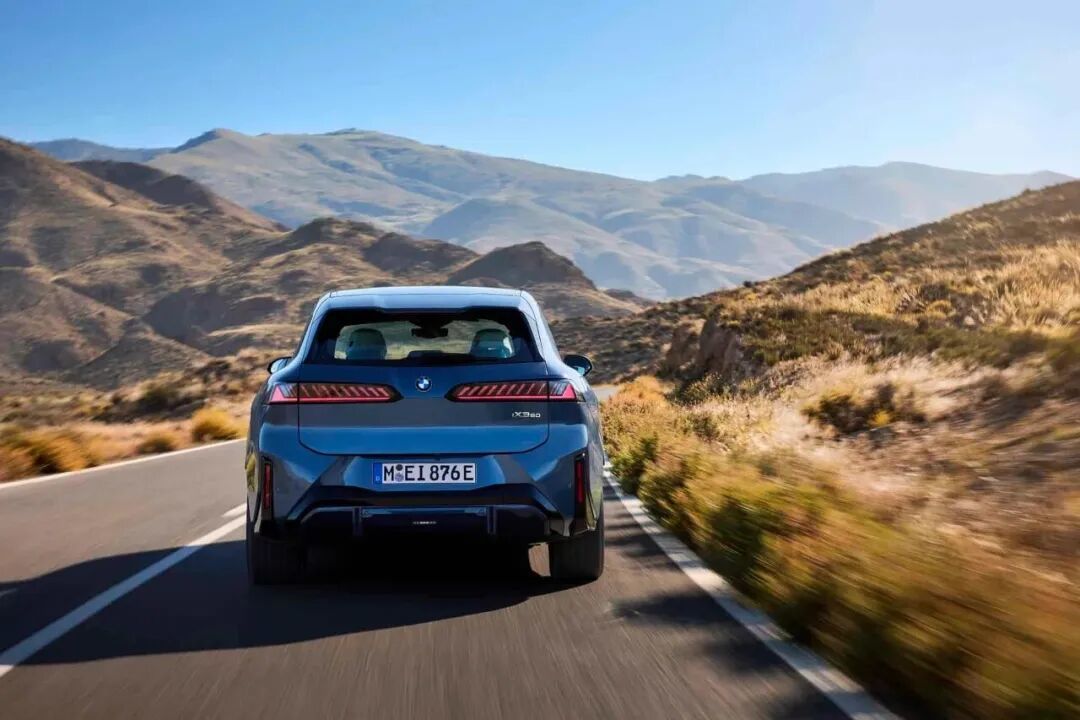
The pricing of the new iX3 sends a very clear signal: BMW will use new-generation products to re-establish competitiveness in the core price range of 250,000 to 350,000. If the iX3 can start at RMB 269,900, with entry-level high-end configurations, then in the future, i3, new-generation 3 series and other products based on the new-generation architecture are entirely likely to enter the market with more sincere prices.
In this case, the existence value of UKL platform models is indeed not great. They can neither compete head-on with Chinese brands on price, nor can they technically inherit BMW's new generation technology concepts. Continuing to invest resources will only distract their energy.
Write at the end:
The significance of the UKL platform to BMW goes far beyond the words "entry product". Since it was first applied to the 2 Series station wagon in 2014, UKL has carried BMW's strategic ambition to expand the compact market, and has also contributed a considerable sales base to BMW.
Now that BMW has chosen to bid farewell to UKL in the Chinese market, it is not so much a give-up as a strategically correct decision. In the 200,000-class market, it is difficult for traditional luxury brands’ entry-level fuel vehicles to tell new stories. However, the original intention of "let more people drive BMW" represented by UKL will most likely return with a new look.
When the cost of the new-generation architecture is gradually optimized, and when BMW's pure electric product line extends downwards, an entry-level BMW based on new-generation technology and more competitively priced may not appear in the future product series. By then, it may no longer be the UKL, but the mission it carries is no different from the UKL ten years ago.
Comments