
Abstract:
General Motors CEO Mary Barra said on Monday that the company is still on track to introduce "hands-eye-free" driving technology by 2028. General Motors announced in October last year that it planned to launch its next-generation driver assistance system on the Cadillac Escalade IQ electric model in 2028, and then expand it to other models. Unlike the company's existing Super Cruise system, which allows drivers to take their hands off the wheel but still maintain their attention, the new technology is designed to allow drivers to take their eyes off the road under certain conditions.
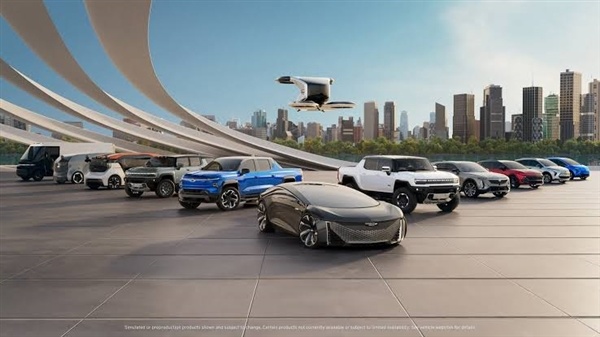
Barra said in an interview on Monday that she recently experienced the technology personally and was impressed with how far it has come since her last test ride in March. "The team is making significant progress toward our goal of eye-free, hands-free operation around 2028," the CEO said. "We will be well-positioned in the field of personal autonomous driving." She added: "When people want to drive, they can drive themselves; when they don't want to drive, as the technology continues to mature, there will be no need to do so."
GM’s move into the field of personal self-driving follows its decision in December 2024 to abandon the Cruise self-driving taxi business that it invested more than $10 billion in building. Rather than competing in the increasingly competitive driverless ride-hailing market, the automaker is directing its resources toward developing self-driving systems for consumer-owned vehicles. "We're not in the taxi business, we're not in the bus business," Barra said.
She acknowledged that exiting the self-driving taxi market was a difficult decision, but defended the move and noted that GM retained most of the Cruise team to instead work on personal self-driving technology. "It was a difficult decision, but I think it was the right decision," she said.
Barra also pushed back against the idea that widespread adoption of self-driving cars will eventually reduce demand for private cars. She recalled early predictions that ride-hailing services like Uber and Lyft would lead to a sharp decline in car sales, but that prediction never came to pass because "people still valued the convenience of having their car parked in their driveway—to go wherever they wanted and when they wanted."
Comments