
Abstract:
Recently, when Windows 11 users use Microsoft Edge browser to access the Google search homepage, a new prompt message will pop up on the page, clearly stating "Choose a Chrome browser built by Google" to induce users to abandon Edge and switch to Chrome. This radical promotion behavior is exactly the same as Microsoft's previous practice that has been severely criticized by the outside world, but Google does not seem to have received the same level of public condemnation.
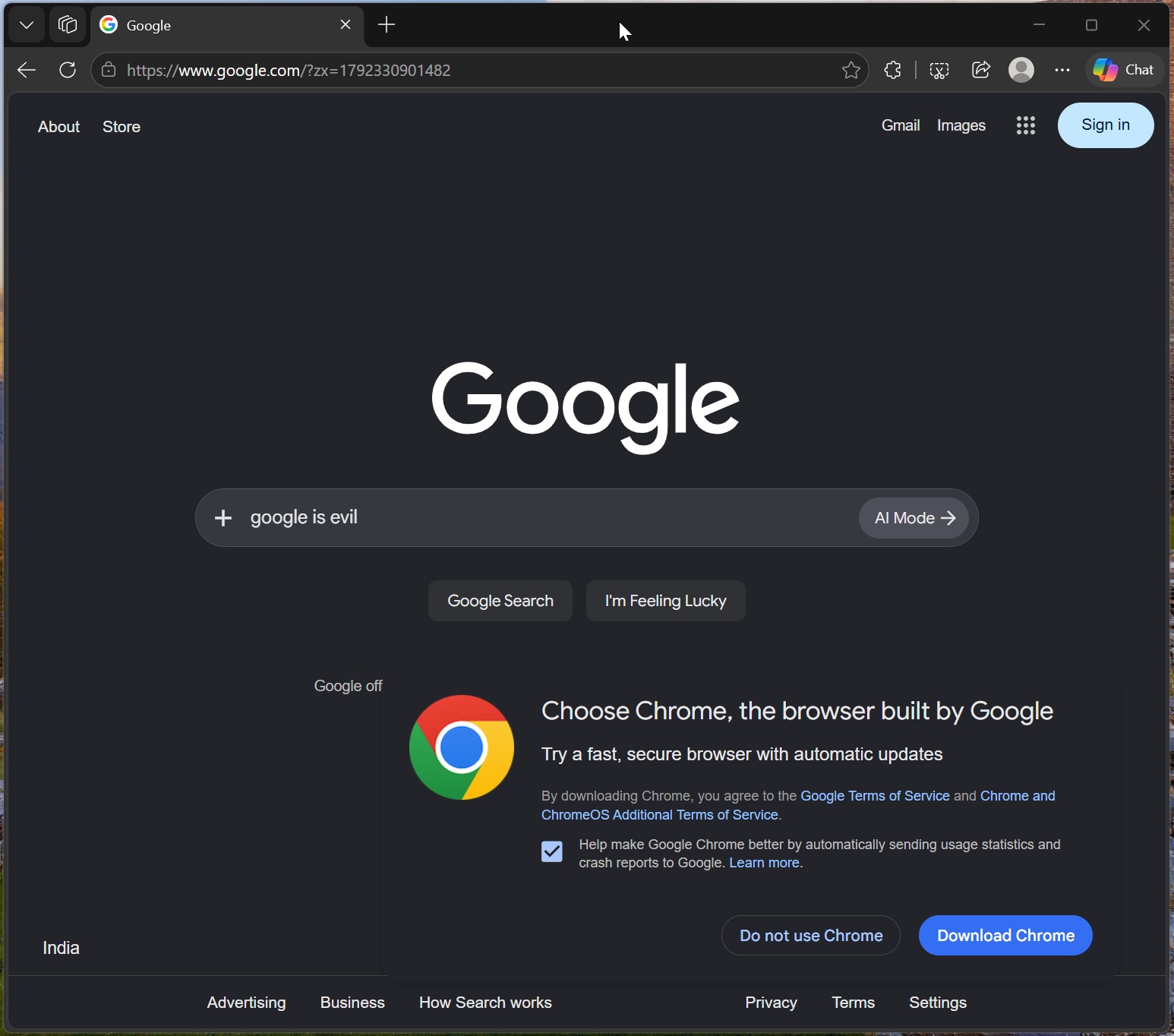
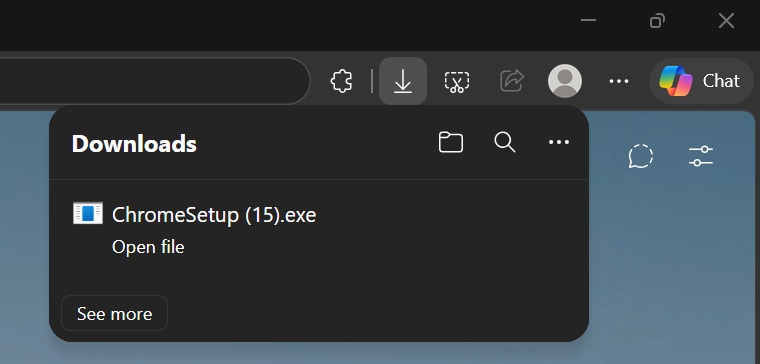
According to actual testing, when a user opens a Google search webpage in the Edge browser and clicks the "Download Chrome" button on the pop-up window, the page will jump directly to Chrome's download interface and immediately start automatically downloading the browser installation program (ChromeSetup.exe) without any additional confirmation from the user. It is worth noting that on the download page, the option "Send usage statistics and crash reports to Google" is checked by default.
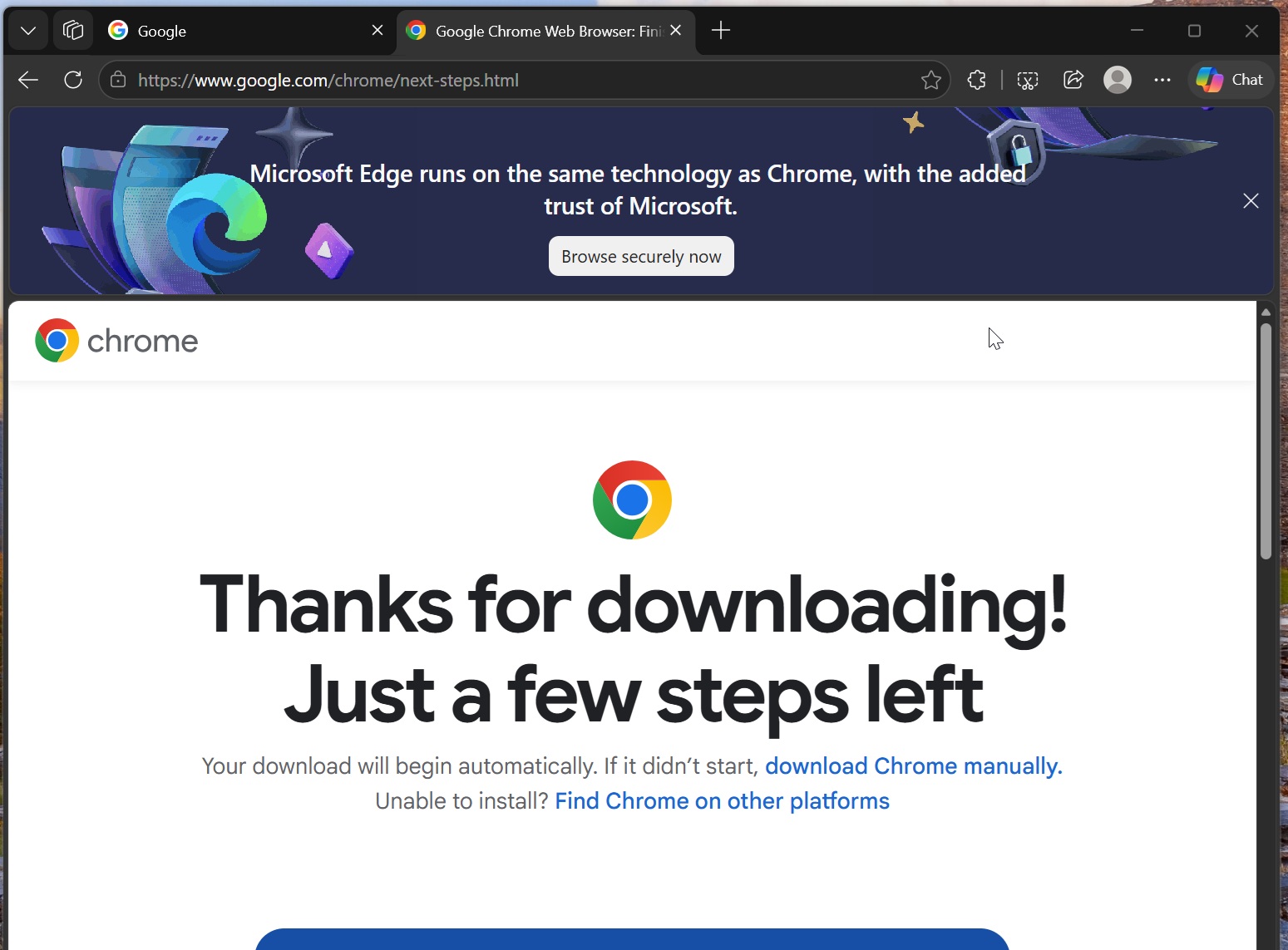
Faced with Google's direct poaching on the web, Microsoft's Edge browser also quickly launched a counterattack through its own banner pop-up window. When it detects that a user is downloading Chrome, Edge will pop up a prompt claiming that it uses the same technology as Chrome and also has additional trust and security provided by Microsoft. From a technical perspective, Microsoft's statement is not false propaganda, because both browsers are indeed driven by the same Chromium open source engine at the bottom. However, in recent years, in order to retain users, Microsoft has been trying to make Edge more and more like Chrome in appearance and experience, and has even removed or reduced Edge’s original unique features such as “Collections” and Sidebar. This blind convergence strategy may not be a wise move in the eyes of the industry.
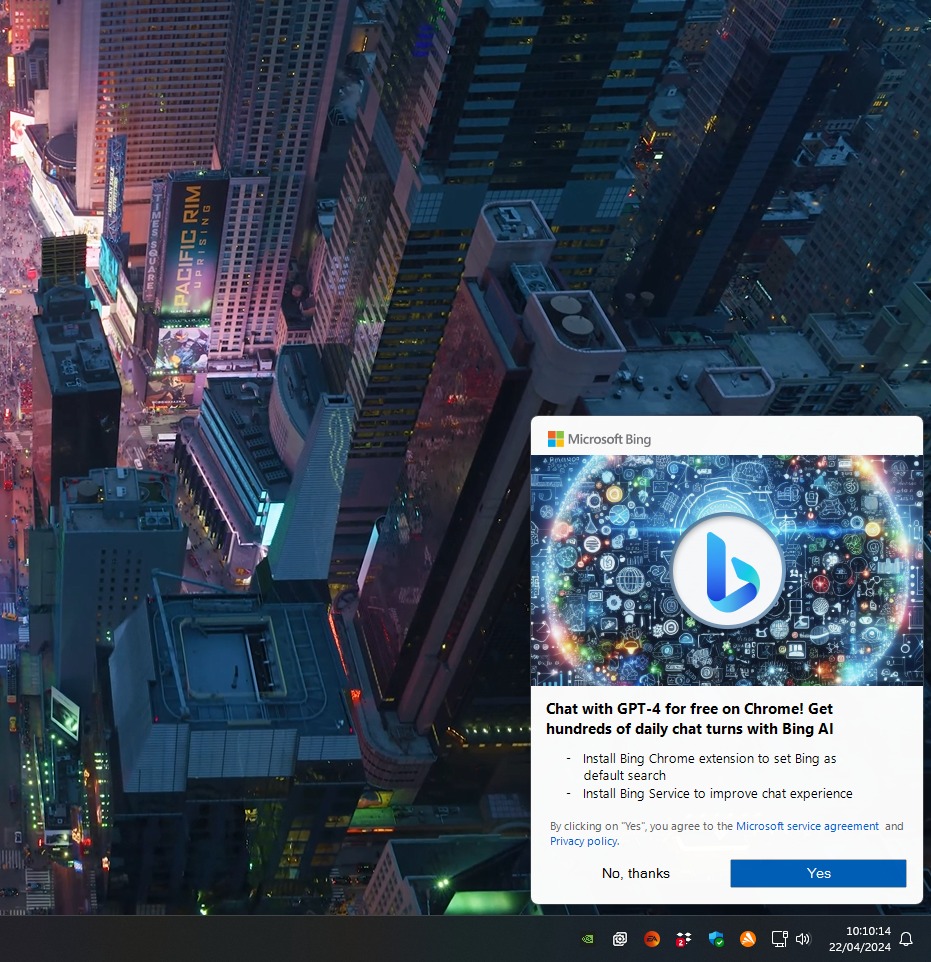
Why are technology giants so keen on using various pop-ups and banner ads? Some users may think these pop-ups are meaningless, because users with clear preferences will simply ignore them and continue to use their favorite browser or search engine; for example, users who prefer Google search will not change their habits easily because of the Bing pop-up ads on the Windows 11 desktop. However, this view ignores the real reactions of a large group of ordinary users. In 2024, Microsoft's Bing team paid the Windows team specifically to place Bing ads on the system desktop; but now, even though Google absolutely dominates the market, it is still keeping an eye on Edge's tiny market share. The reason is actually very simple, that is, these technology companies know that this kind of marketing strategy really works for the target audience they are targeting.
对于许多不太精通技术的普通用户而言,Google几乎就是搜索引擎的代名词,而Chrome则是浏览器的代名词。许多用户在配置好新电脑后,往往只会用系统自带的Edge和默认的必应搜索去查找“Google”,一旦他们跳转到Google页面,就可能再也不会用回必应。为了降低这种用户流失率,微软甚至曾在2025年1月采取过一种颇为隐蔽且饱受争议的手段:当用户在必应中搜索“Google”时,必应会直接展示一个高度模仿Google搜索界面的专属页面,试图误导用户留在必应生态中。
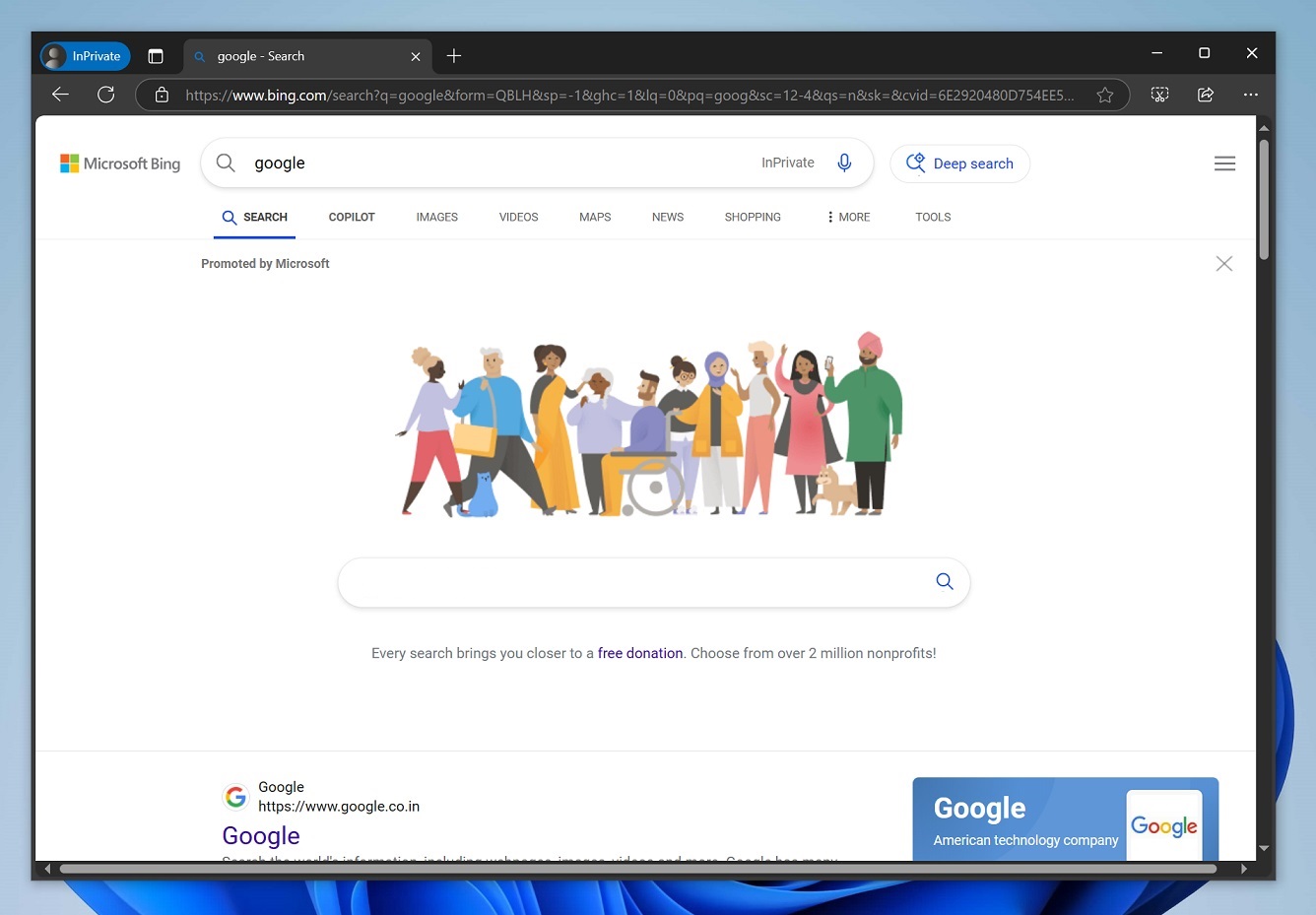
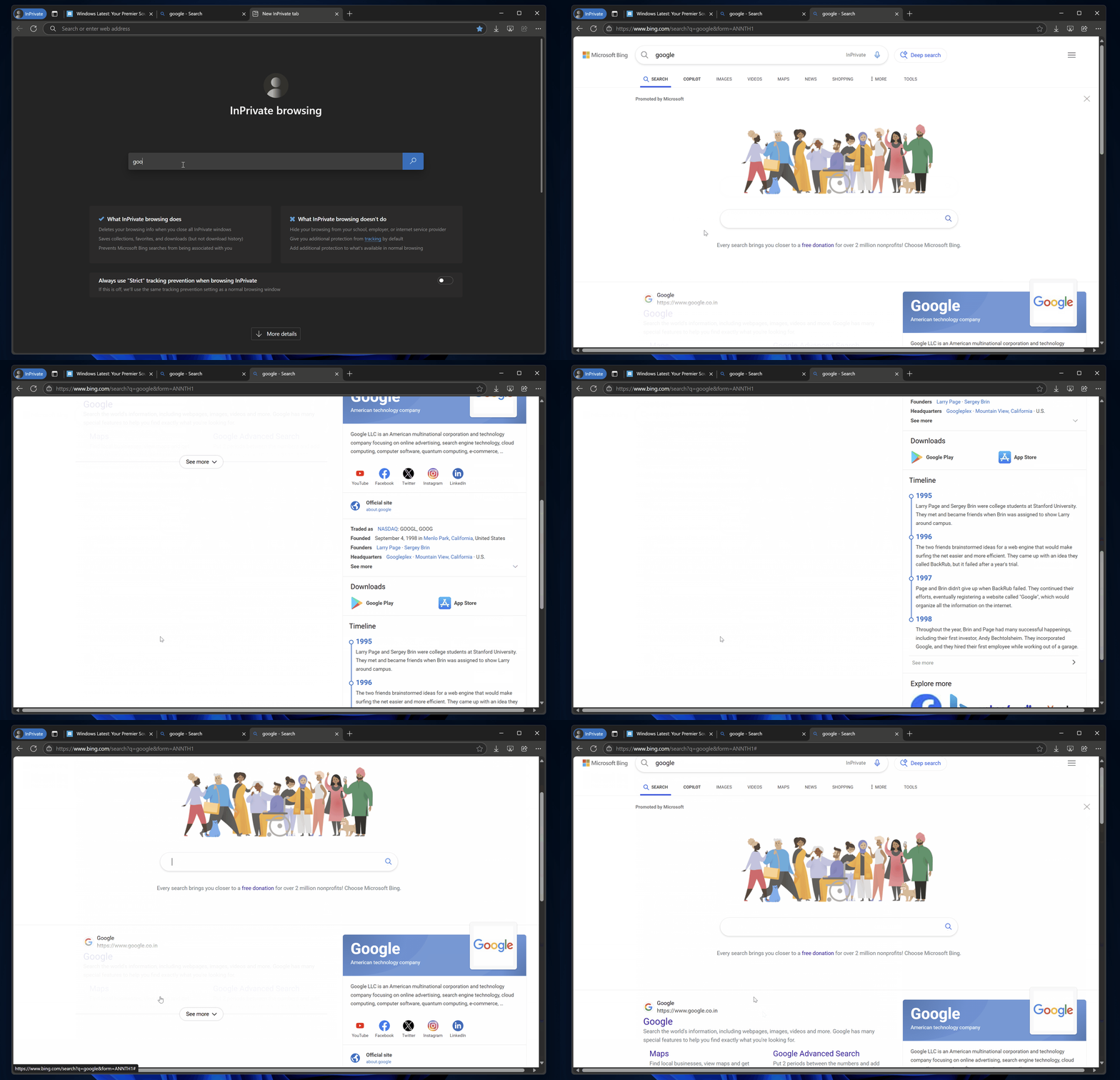
Today, even though Edge only occupies a small share of the desktop browser market, Google has decided to adopt the same annoying pop-up strategy. By pushing a short and straightforward message "Choose the Chrome browser built by Google" to every Edge user who visits its search engine, Google hopes to persuade more ordinary users to completely switch to its own browser ecosystem. In this ongoing browser battle, both Microsoft and Google are using their respective platform advantages to constantly test the bottom line of users' patience.
Comments