
Abstract:
A German radio code message from the end of World War I that has not been deciphered for a long time has recently been deciphered with the help of GPT-6 Astra. This message uses the ADFGVX cipher system used by the German military during World War I and was originally sent on November 27, 1918. The results given by GPT-6 Astra show that this is a piece of military intelligence about the arrival of British cruisers in Sevastopol and the subsequent arrival of the Allied fleet.
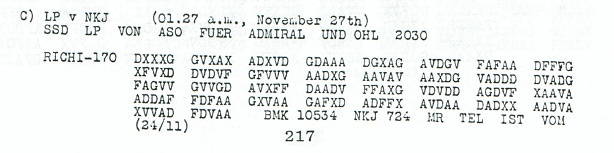
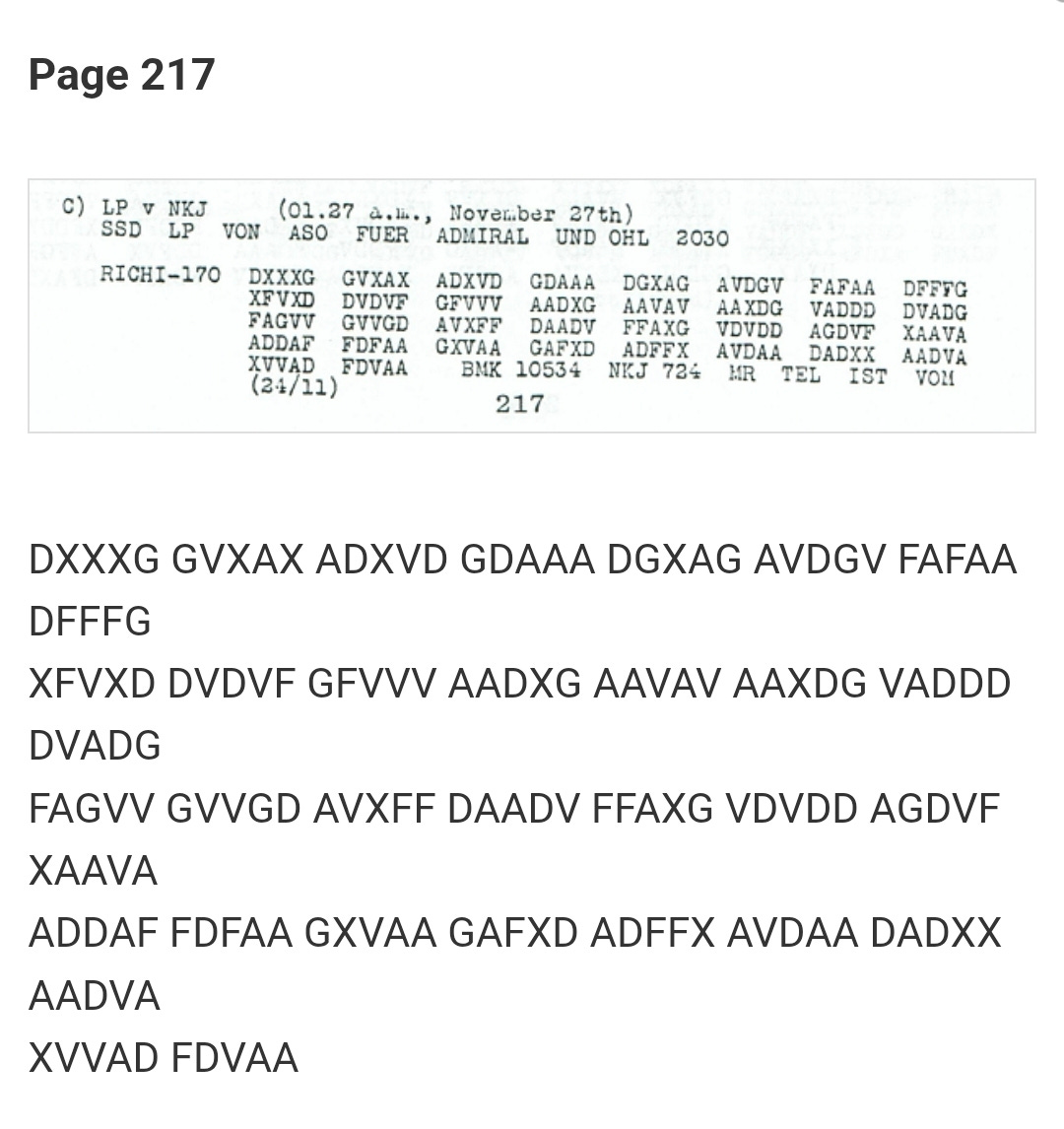
This code comes from German World War I radio communication data and is currently included in a list of "50 Unsolved Codes" compiled by the German science blog ScienceBlogs.de. The types of ciphers on the list are very wide, ranging from those left by serial killers to the famous Voynich manuscript. One of the German World War I radio messages was encrypted using the ADFGVX system. Hundreds of similar messages have been successfully deciphered by researchers before, but there are still more than a dozen that have not been reliably interpreted for a long time. This message sent on November 27, 1918 is one of them.
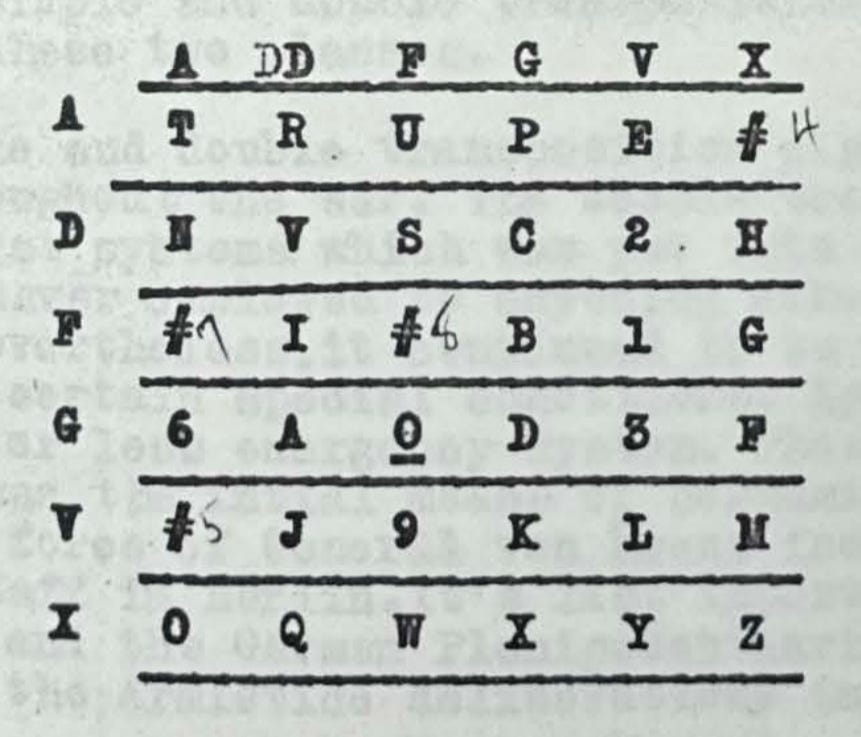
ADFGVX is a complex cryptosystem that combines substitution ciphers and column permutations. Its name comes from the six letters A, D, F, G, V and X used for coding. First, the password system uses a 6×6 square in which 26 letters and 10 numbers are arranged. Each character is represented by two horizontal and vertical symbols. For example, in the example square constructed using "HOUSE" as the password keyword, "AA" corresponds to the letter H, "AD" corresponds to the letter O, and "DA" corresponds to the letter B. Therefore, a word will first be converted into a string of symbols consisting of A, D, F, G, V, and
For this previously undeciphered message, GPT-6 Astra used "TRUPPENVERSCHIEBUNG" as the password keyword. This German word roughly translates to "movement of troops" or "transfer of troops." This keyword is not obtained by the model directly from the ciphertext through brute force cracking, but has been recorded in the historical cipher information on pages 214 to 215 of the book "The History and Principles of German Military Ciphers, 1914–1918" by J. Rives Childs.
The really hard part is how to correctly apply this keyword to the 1918 cipher text. The keyword "TRUPPENVERSCHIEBUNG" has a total of 19 characters. It needs to be rearranged in alphabetical order first, and the order of the columns is determined based on the sorting position of each character in the alphabet. Subsequently, the encrypted message with a total of 170 characters was rearranged according to 19 columns, forming a total of 8 complete rows of 19 characters, and a final row of 18 characters.
Since 170 characters are not divisible by 19, a structure of 18 columns, 9 characters in each column, and 1 column with only 8 characters is formed. The model needs to recover these columns based on the sorted position of the keyword letters. For example, the letter T is in the 16th column after keyword sorting. There are 14 columns with a length of 9 and a column with a length of 8 before it. Therefore, the ciphertext position corresponding to T is the 135th character, and this character is A. Similarly, R is in the 13th position, and the corresponding ciphertext character is V.
After recombining these two characters into "AV", and then decoding them through ADFGVX replacement squares, we get the German word "E", which is the first letter of the final plaintext "EIN". By continuing to process the entire message in the same way, the model finally recovered a piece of content with clear German semantics.
The original German result given by GPT-6 Astra is: "EIN ENGLISCHER KREUZER EINLIEG X SEWASTOPOL X S4STEN X EIN GESCHWADER DER X ALLIIERTEN FOLGT 26STEN X". Some of these characters remain uncertain due to transcription or identification problems in historical cables. According to the English explanation given by the model, the general idea is: "A British cruiser arrives in Sevastopol, and an Allied fleet will follow on the 26th."
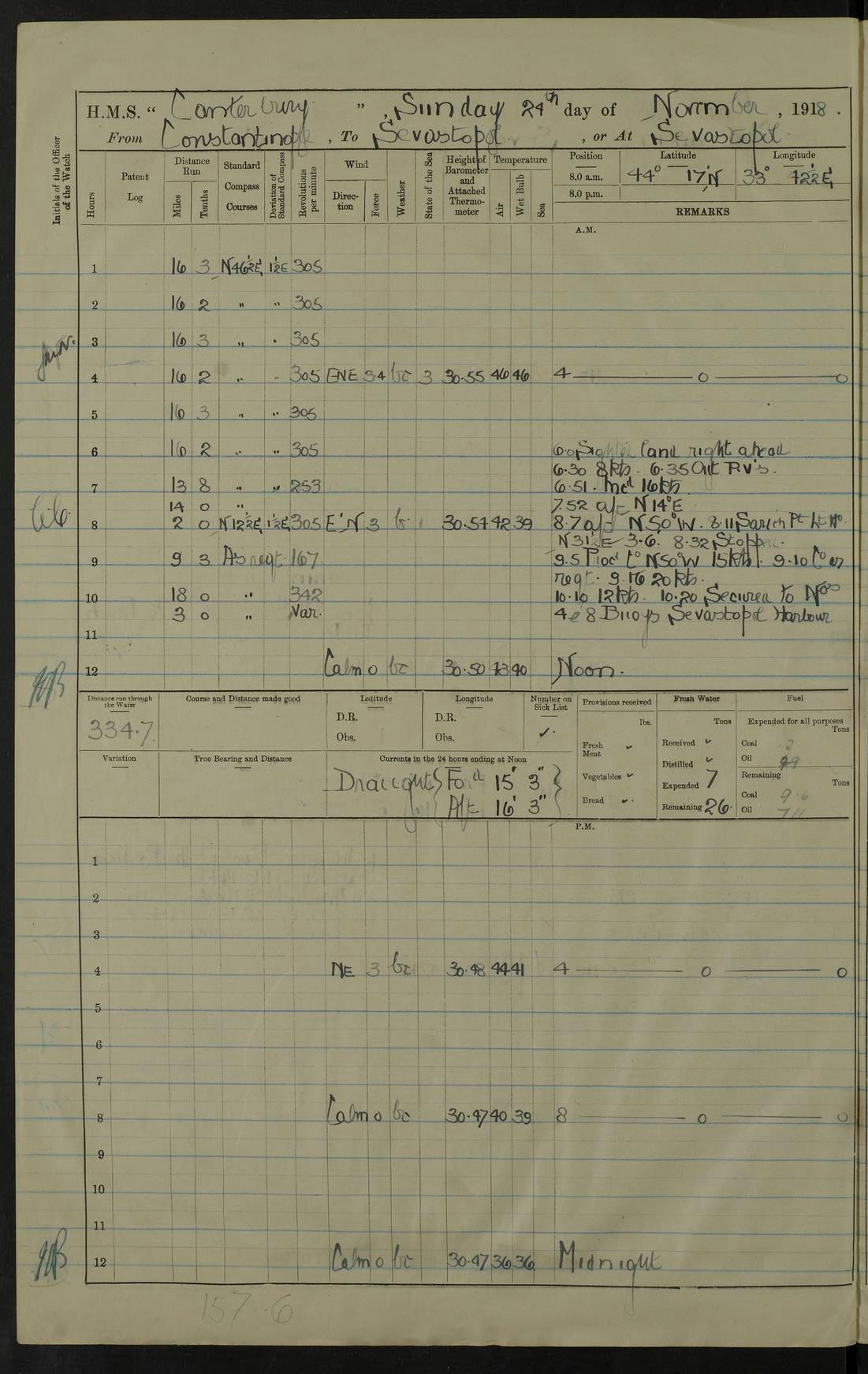
What is particularly noteworthy about this result is that the model then actively verified its decoding results with historical facts. According to the historical records of the Royal Navy, the British cruiser HMS Canterbury did arrive in Sevastopol on November 24, 1918, and relevant information also shows that an Allied fleet arrived subsequently on November 26. This means that the time of military operations described in the coded messages can be matched with independently preserved historical records of the British Navy.
However, this result does not mean that GPT-6 Astra independently "cracked" the entire password from the original ciphertext without any clues. Researchers have previously mastered some of the cryptographic keywords used by the German military, and "TRUPPENVERSCHIEBUNG" itself has also appeared in historical cryptography materials. Therefore, the core work completed by Astra is, more precisely, to find appropriate cryptographic keywords from historical data, correctly apply them to previously undeciphered ciphertext, and further verify the results through historical archives.

Astra put forward an interesting explanation for the reason why this message could not be deciphered for a long time. The model found that the known use time of the keyword "TRUPPENVERSCHIEBUNG" seems to have only started around December 9, 1918, and the target message was sent as early as November 27. There is a time conflict between the two. In other words, if there are no omissions in the historical records, then Germany used a cryptographic keyword that according to the existing data has not yet entered the use stage. Why this occurs remains unclear.
This timing anomaly may also explain why this message has not been successfully interpreted in previous studies. Even if researchers have access to the German military's cryptographic keyword information, if available keywords are strictly filtered by date, "TRUPPENVERSCHIEBUNG" may not be prioritized at all.
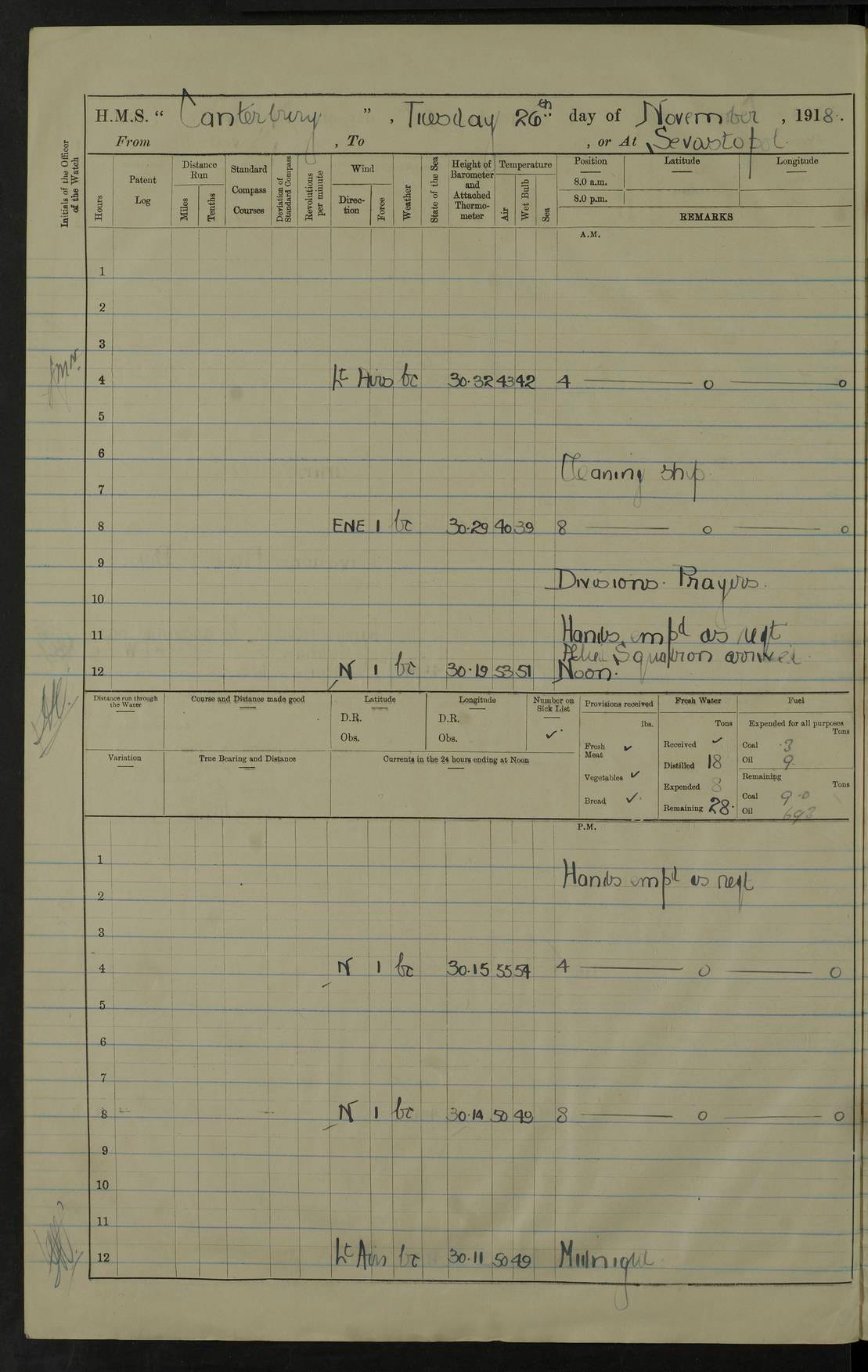
It is worth noting that this result is still an independent model experiment, rather than a formal research result that has been peer-reviewed in cryptography. The publisher also made it clear that he did not know that this particular message had been successfully decoded, so he published it mainly to demonstrate GPT-6 Astra's ability to handle historical passwords, archival data, and cross-source verification.
From a technical point of view, the really interesting part of this incident is not just that "AI deciphered a century-old code", but that the model completed a relatively complete historical research process: first locating the undeciphered message, then searching for historical data on related cryptographic systems, identifying possible keywords, reconstructing the column replacement process based on the cryptographic rules of the First World War, and then recovering the plaintext through the ADFGVX grid, and finally proactively looking for first-hand historical data from the British Navy for cross-verification.
This is still significantly different from the traditional "password cracking" of simply recovering unknown password keys from ciphertext. Researchers have successfully deciphered a large number of ADFGVX messages before, so this result is more suitable to be understood as a case where artificial intelligence combines historical document retrieval, cryptographic algorithm reconstruction, text decoding and historical data verification. However, for the large amount of unorganized materials scattered in archives, libraries and historical documents, this ability to autonomously connect different types of information may still provide new tools for future historical research and archive digitization.
Comments