
Abstract:
On October 17, according to Nikkei Asia, Intel CEO Lip-Bu Tan said in an exclusive interview that the Trump administration has not formulated "any policy" to use its minority stake in Intel to interfere with the company's business strategy.
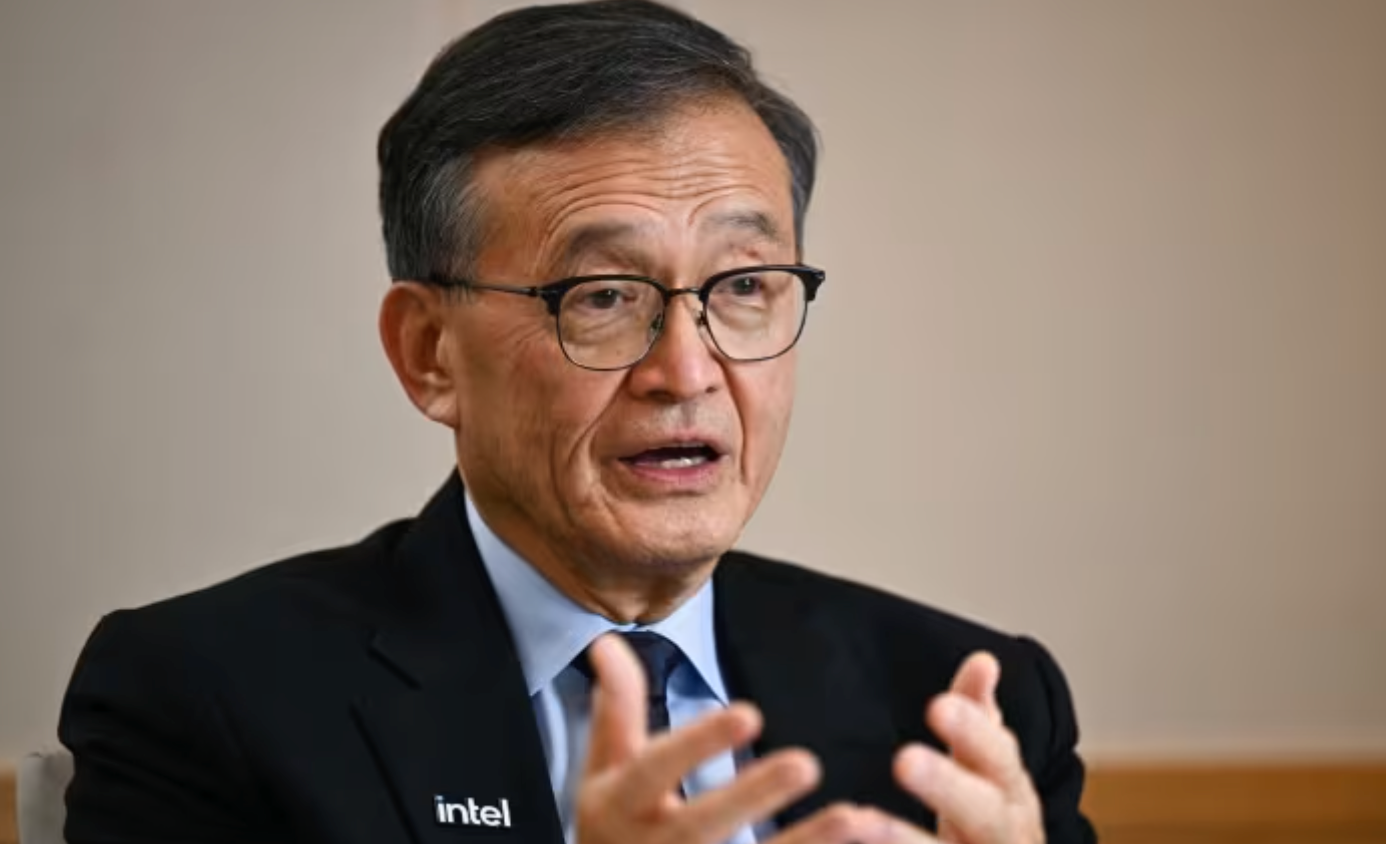
Chen Liwu
Chen Liwu said in Tokyo earlier this month: "They do not have any such policy and will not have any impact on the company's governance." He emphasized that Intel is an "independent" company and has the right to freely make decisions that are in its own interests.
Last year, the U.S. government transferred previously allocated federal funds to Intel
$8.9 billion
investment, thereby obtaining9.9% of the company's equity
. In August this year, after Intel's secondary stock issuance, the U.S. government's shareholding ratio was diluted toapproximately 8.2%
.Intel has been working hard to revive its advanced
semiconductor manufacturing
business. Currently, Intel lags behind TSMC in chip manufacturing and behind U.S. rivals such as Nvidia in designing semiconductors for AI systems.When it comes to competition in China's semiconductor industry, Chen Liwu is relatively cautious. Faced with U.S. export controls, China's semiconductor industry has been seeking to develop local chip manufacturing capabilities.
He said that whether companies are from the United States or China, "They all have their own advantages and disadvantages. I think what is more important is what is best for consumers and what is best for companies to use."
As to whether Chinese chips can catch up with the United States within 5 to 10 years, Chen Liwu gave a brief assessment: "Today, I think the gap is not that big."
Comments