
Abstract:
Huawei’s ambitions in the chip field do not stop at Logic Folding design. The Chinese technology giant is preparing to announce the technical details of a new generation of high-bandwidth memory (HBM) architecture, targeting existing solutions from Korean storage vendors such as Samsung and SK Hynix, and hoping to surpass them in the future.
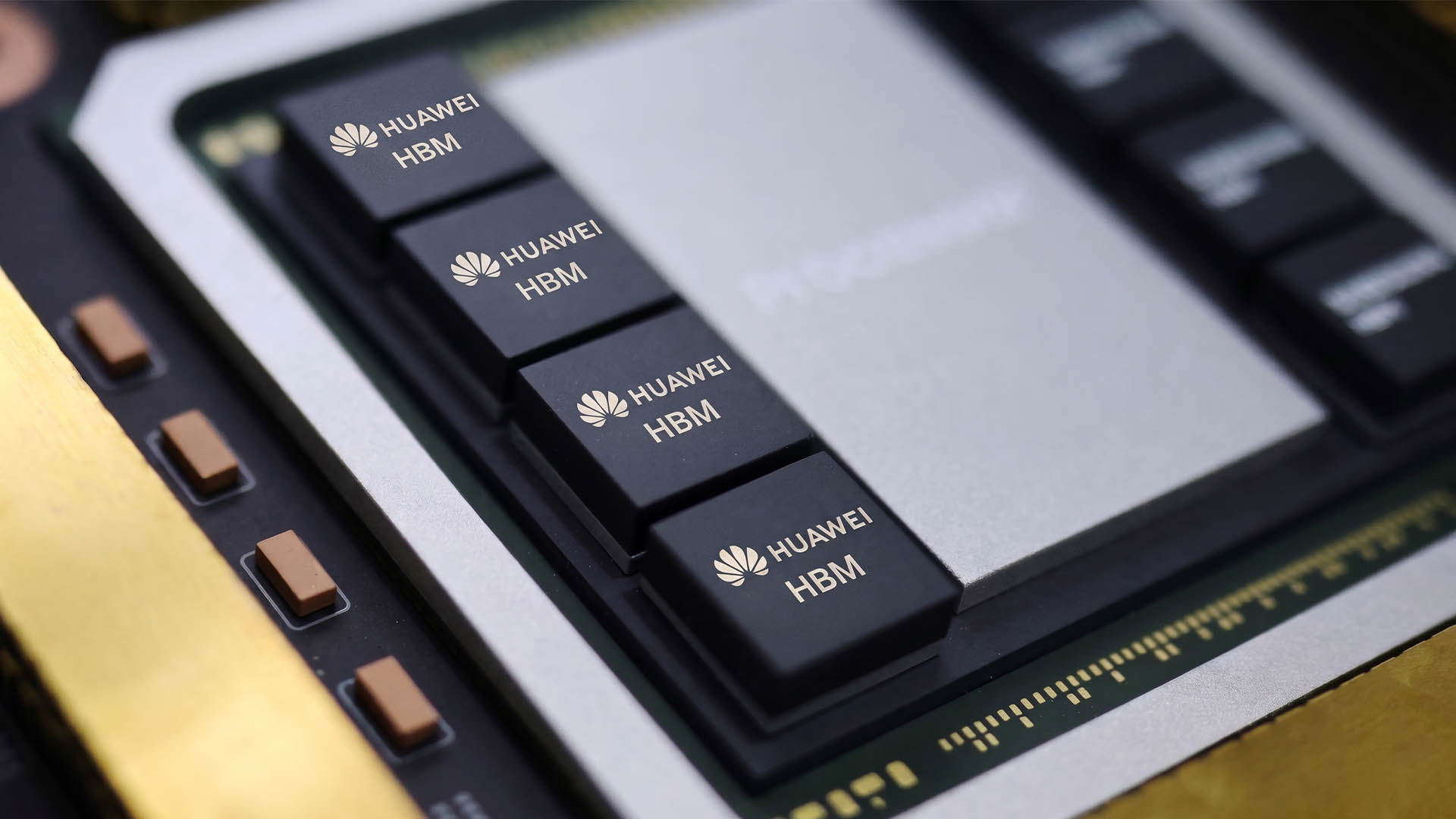
A key difference of Huawei's solution is that its data pin density is twice that of existing products. This design is expected to bring multiple advantages such as higher bandwidth, and will also take China one step further on the road to independent control of storage technology.
The so-called doubling of data pin density refers to doubling the number of parallel channels between stacked memory chips and logical processors in AI accelerators. In theory, a wider interface can significantly increase memory bandwidth, allowing the hardware to quickly handle massive amounts of data, thereby avoiding bottlenecks as large language models and multi-modal AI workloads continue to expand.
According to Bloomberg, Huawei’s breakthrough appears in the title of a research paper pre-announced at the International Solid-State Circuits Conference (ISSCC). Huawei plans to formally introduce relevant results at the ISSCC in San Francisco next February.
Currently, HBM technology is mainly in the hands of three companies: SK Hynix, Samsung and Micron. Since U.S. trade restrictions prohibit Chinese companies from purchasing advanced HBM stack products from overseas suppliers, some smugglers have had to adopt more covert methods, such as first placing orders to purchase server chips to circumvent export controls, and then desoldering the HBM chips from the servers and using them for other purposes.
If Huawei’s breakthrough can achieve large-scale mass production, China will undoubtedly breathe a sigh of relief. As Huawei continues to advance research and development of storage technology, this is seen as an important opportunity to reduce its dependence on manufacturers influenced by the United States. It is expected that Huawei will use its Logic Folding design to manufacture a new generation of HBM, thereby breaking through the process limitations caused by existing deep ultraviolet (DUV) lithography equipment.
Next, the industry will focus on whether this theoretical technology can be transformed into actual products. It is expected that early next year, the launch schedule of the first batch of commercial samples of Huawei HBM will gradually become clear.
Comments