
Abstract:
Maxwell Aircraft, a Florida-based aviation company in the United States, recently announced an amphibious hybrid cargo aircraft called the M1 Hybrid. This model adopts a unique diesel-electric hybrid propulsion scheme, using the electric motor to provide strong power during the take-off phase, and then the diesel engine takes over the cruise flight, thus taking into account high-power take-off and landing capabilities and long-distance transportation efficiency.

According to the design concept, traditional aircraft usually need to be equipped with high-power engines that can meet the take-off requirements, but only use part of the capabilities during the cruise phase, resulting in a waste of efficiency. To solve this problem, Maxwell developed a patent-pending hybrid system that concentrates high power requirements during takeoff and climb phases, providing additional thrust through batteries and electric motors, while relying on more energy-efficient engines to maintain operation during subsequent flights.
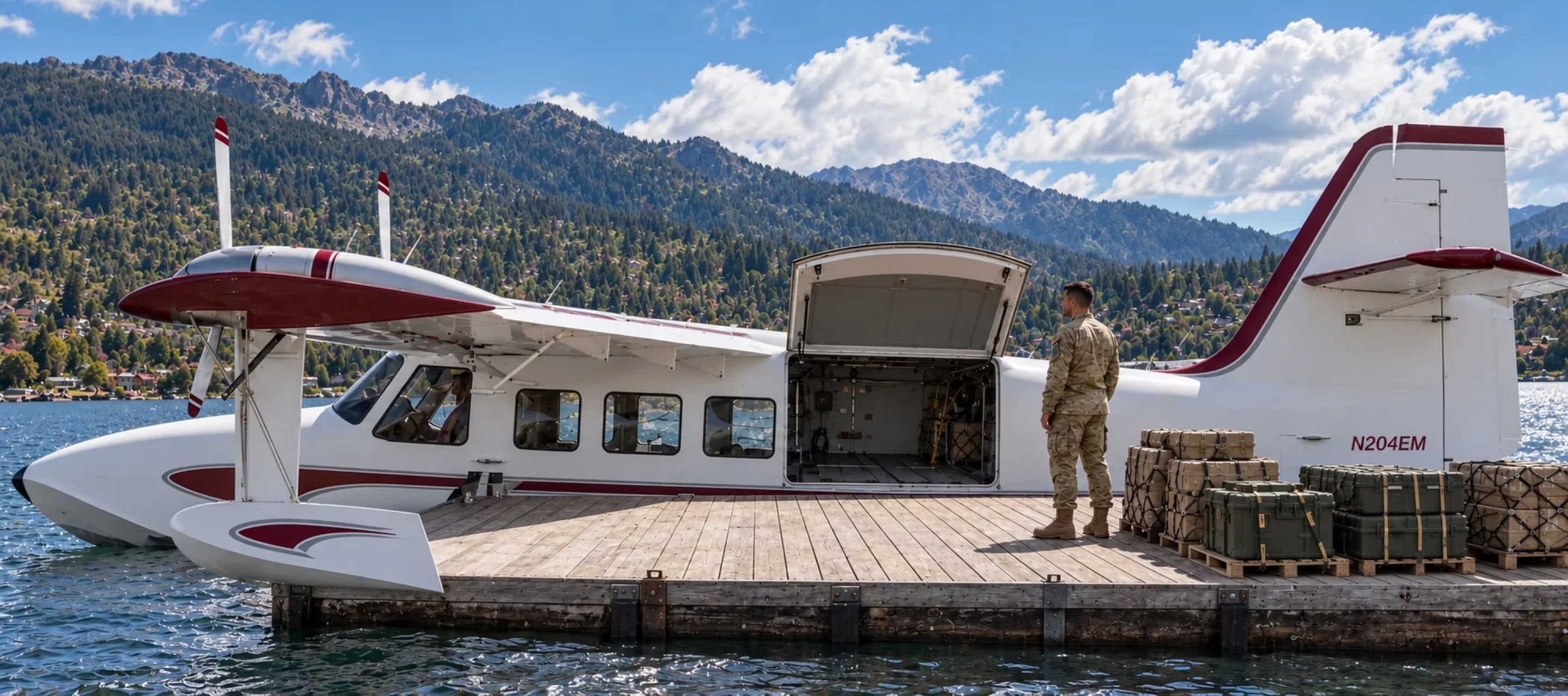
The M1 Hybrid is equipped with two propulsion systems, each propeller driven by a two-stroke diesel engine and mechanically connected to it through a liquid-cooled electric motor. The diesel engine uses Jet A aviation fuel and operates through compression ignition rather than spark ignition. According to the official introduction, the system can be driven by electricity, fuel, or both to adapt to the needs of different flight stages.
The theoretical peak power of the entire propulsion system can reach 1,500 horsepower (approximately 1,119 kilowatts), but this output only lasts for about six minutes during takeoff and initial climb. Maxwell CEO David Dillon said this design can provide a fully loaded aircraft with the huge power needed to take off from the water while minimizing the weight of the battery. After entering the cruise stage, the total power of the two engines only needs about 300 horsepower (224 kilowatts) to maintain flight.
The first version, named M1-HC, is an amphibious transport aircraft specifically targeted at the cargo market. The aircraft is equipped with a cargo door with a width of about 1.5 meters, which can directly load palletized cargo. Maxwell plans to achieve the goal of transporting 2,000 pounds (approximately 907 kilograms) of cargo in a single flight and completing a range of 1,000 nautical miles (approximately 1,852 kilometers).

Due to its amphibious take-off and landing capabilities, the M1-HC can not only take off and land in waters such as rivers and lakes, but also operate on simple runways with poor conditions. The company believes that the aircraft is particularly suitable for scenarios such as logistics and transportation in remote areas, island supply, disaster rescue, and national defense missions.
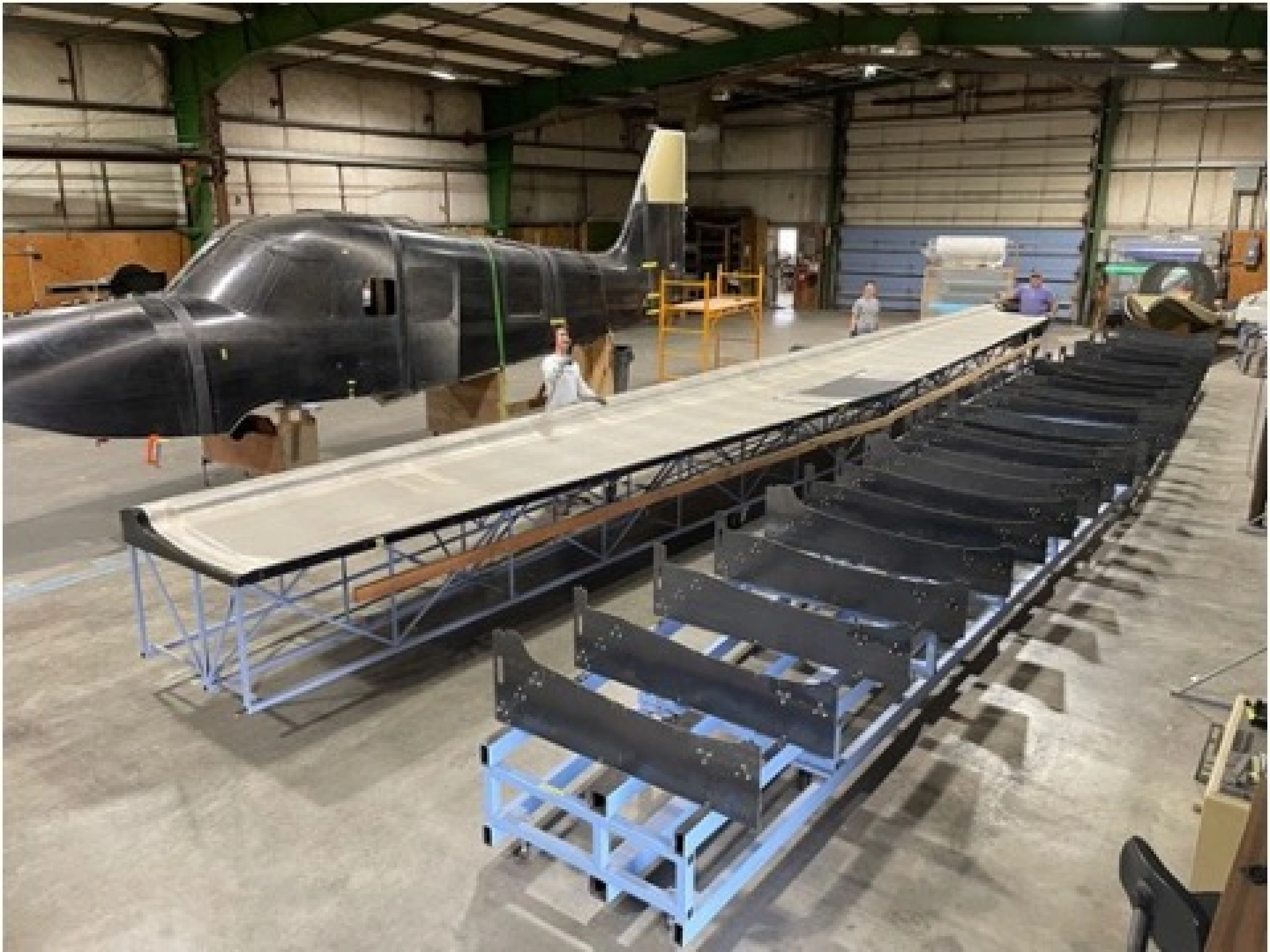
In terms of body structure, the M1 is made of carbon fiber and Kevlar composite materials. Its design is based on the Gweduck composite amphibious aircraft that first flew in 2009. Maxwell calls it a fifth-generation evolution of the classic Grumman seaplane design. The company said that compared with traditional metal fuselages, composite materials can effectively resist seawater corrosion, thereby improving durability and reducing maintenance costs.
Despite the distinctive design of the M1, hybrid aviation is not a new concept. Ampaire, a California-based company, is currently testing a Cessna Caravan aircraft with a similar solution, in which the turbodiesel engine and electric motor share the same propeller shaft system. Ampaire previously claimed that this design can reduce fuel consumption by 54% to 57% compared to the traditional turboprop version.
Large aviation companies are also actively exploring this field. Pratt & Whitney Canada, a subsidiary of the US aerospace and defense group RTX, is developing a hybrid power system for regional airliners and plans to fly a Dash 8-100 demonstrator equipped with a 1-megawatt electric motor for flight testing in 2027 to provide additional power support during takeoff and climb phases.
However, Maxwell believes that the biggest feature of the M1 is its power configuration ratio. According to public parameters, the power output during the take-off phase can be approximately five times that of the cruise phase. This design, which clearly favors short bursts of high power, is rare in current hybrid aviation projects.
Dillon revealed that the engine used for the project has completed a large number of ground tests, but it has not yet been stated whether the complete hybrid system has been verified for overall operation. At the same time, the first batch of airframes has rolled off the Carbon Seaplanes factory.
According to the plan, Maxwell will publicly display the M1 aircraft for the first time in April 2027 at the Lakeland Air Show in Florida, USA. However, the models on display will still be equipped with traditional Lycoming piston engines, and a true hybrid version is expected to be unveiled later in the fourth quarter of 2027. In other words, when the public first sees this new cargo seaplane, it will still take off in the traditional way.
Comments