
Abstract:
Repair website iFixit recently released a complete disassembly report and video of iPhone 18 Pro and iPhone 18 Pro Max, showing in detail the internal structure of Apple's new generation flagship phone. The disassembly not only confirmed the actual battery capacity of the two models, but also further revealed internal design changes such as a new variable aperture camera, a larger VC vapor chamber, and a double-layer motherboard. However, iFixit also discovered that the plastic frame of the new phone’s screen seems to be more easily damaged than the previous generation.
This teardown first confirmed the actual battery capacity of the iPhone 18 Pro and iPhone 18 Pro Max with pure eSIM design. Among them, the iPhone 18 Pro is equipped with a 4288mAh battery, which is an increase of approximately 0.8% compared to the 4252mAh of the iPhone 17 Pro; the iPhone 18 Pro Max reaches 5567mAh, which is a significant increase of approximately 9.4% compared to the previous generation’s 5088mAh battery.
The pure eSIM version of the iPhone 18 Pro series is mainly sold in markets such as the United States, Canada, Mexico, Japan, Saudi Arabia, the United Arab Emirates, Qatar, Oman, Bahrain and Kuwait, while other market versions still retain physical SIM card slots. Since the physical SIM card slot needs to occupy the internal space of the fuselage, the battery capacity of the iPhone 18 Pro series equipped with the SIM card slot is slightly smaller. Previous disassembly has exposed the specific capacity of these versions.
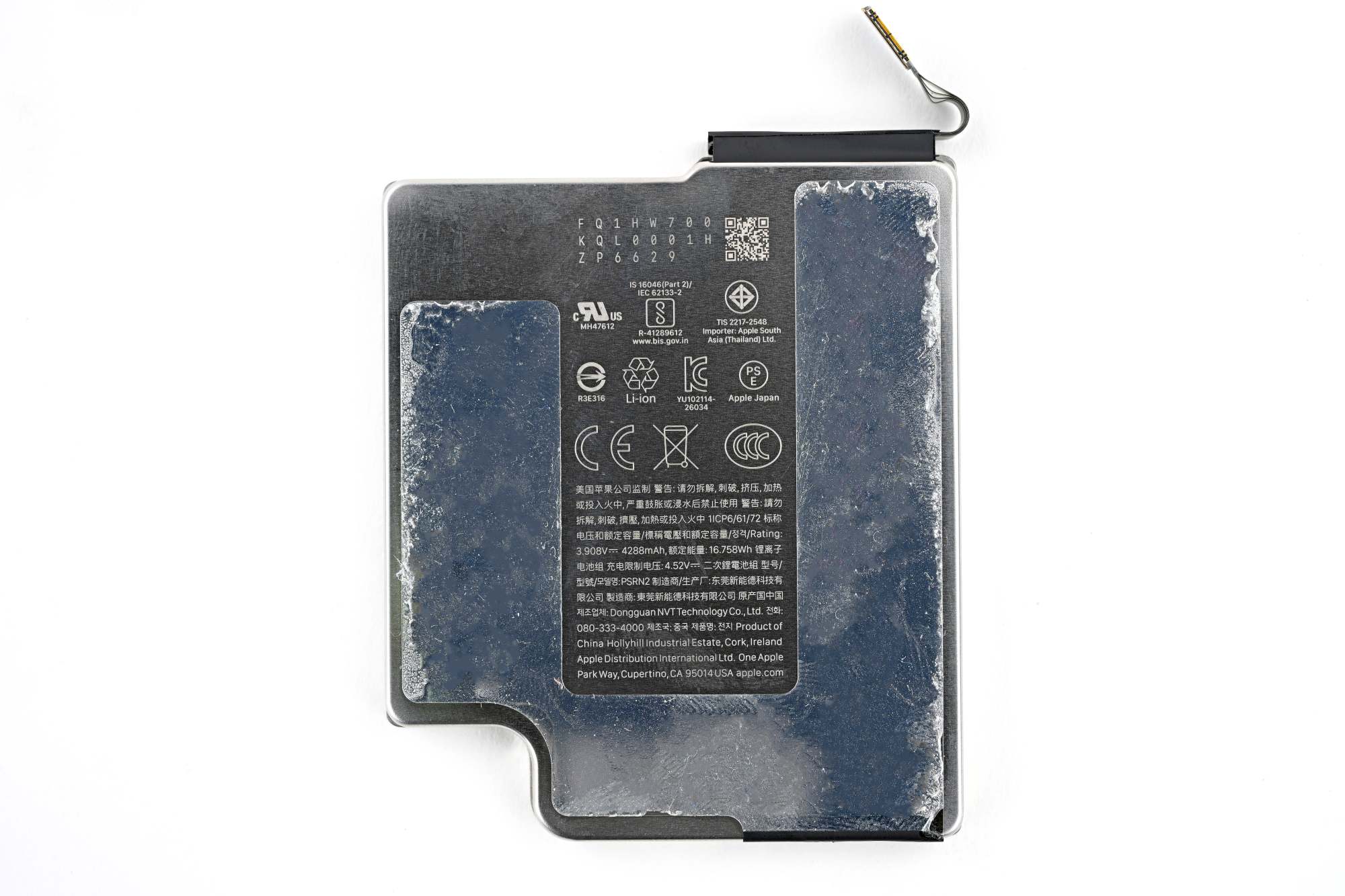
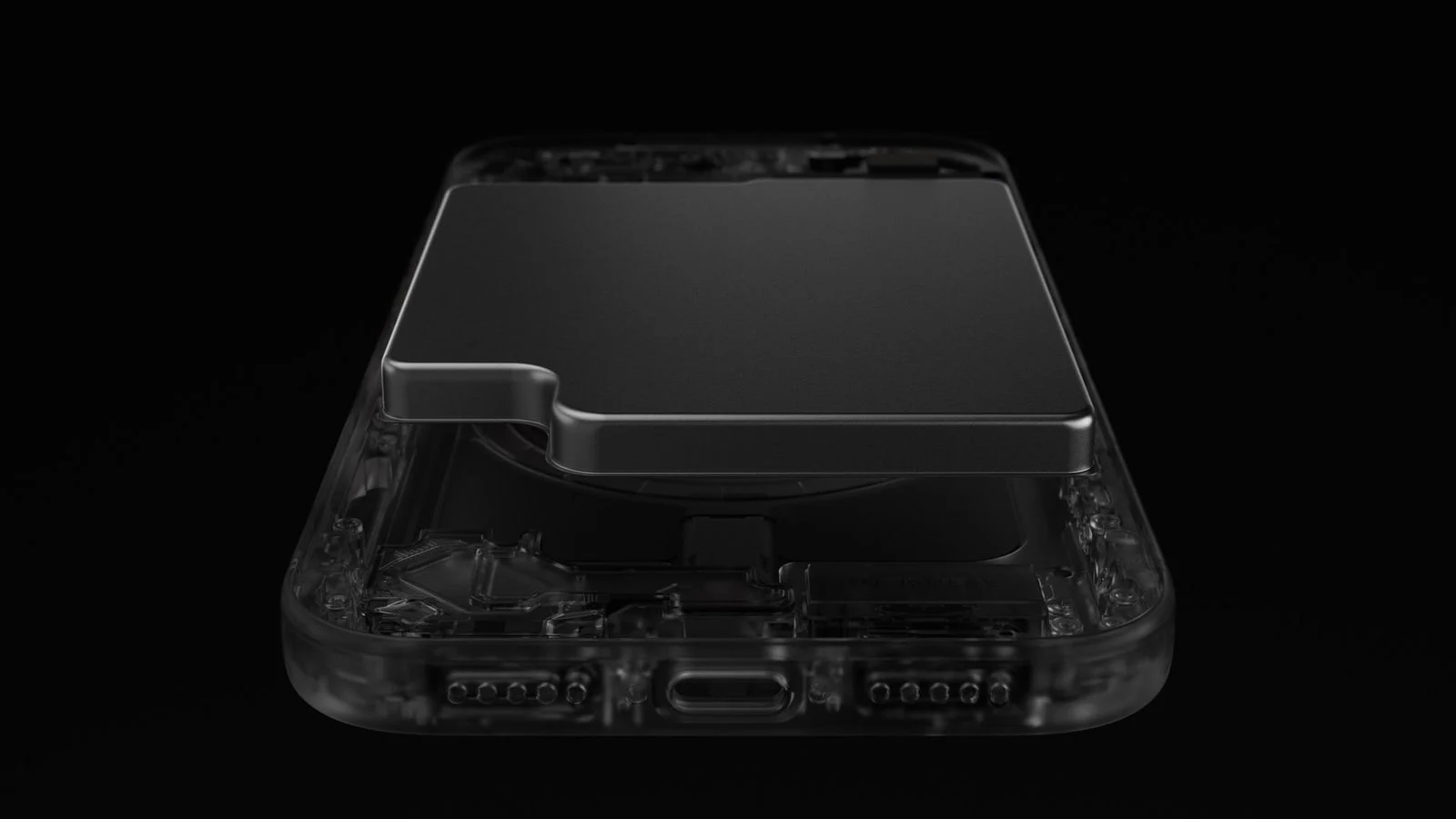
The substantial increase in battery capacity of iPhone 18 Pro Max is one of the important factors for Apple to improve battery life. Apple's official data shows that the iPhone 18 Pro can provide up to 24 hours of typical use time and 36 hours of video playback time, while the iPhone 18 Pro Max can provide up to 30 hours of typical use time and 45 hours of video playback time. The eSIM-only version has a larger battery as it frees up more internal space.
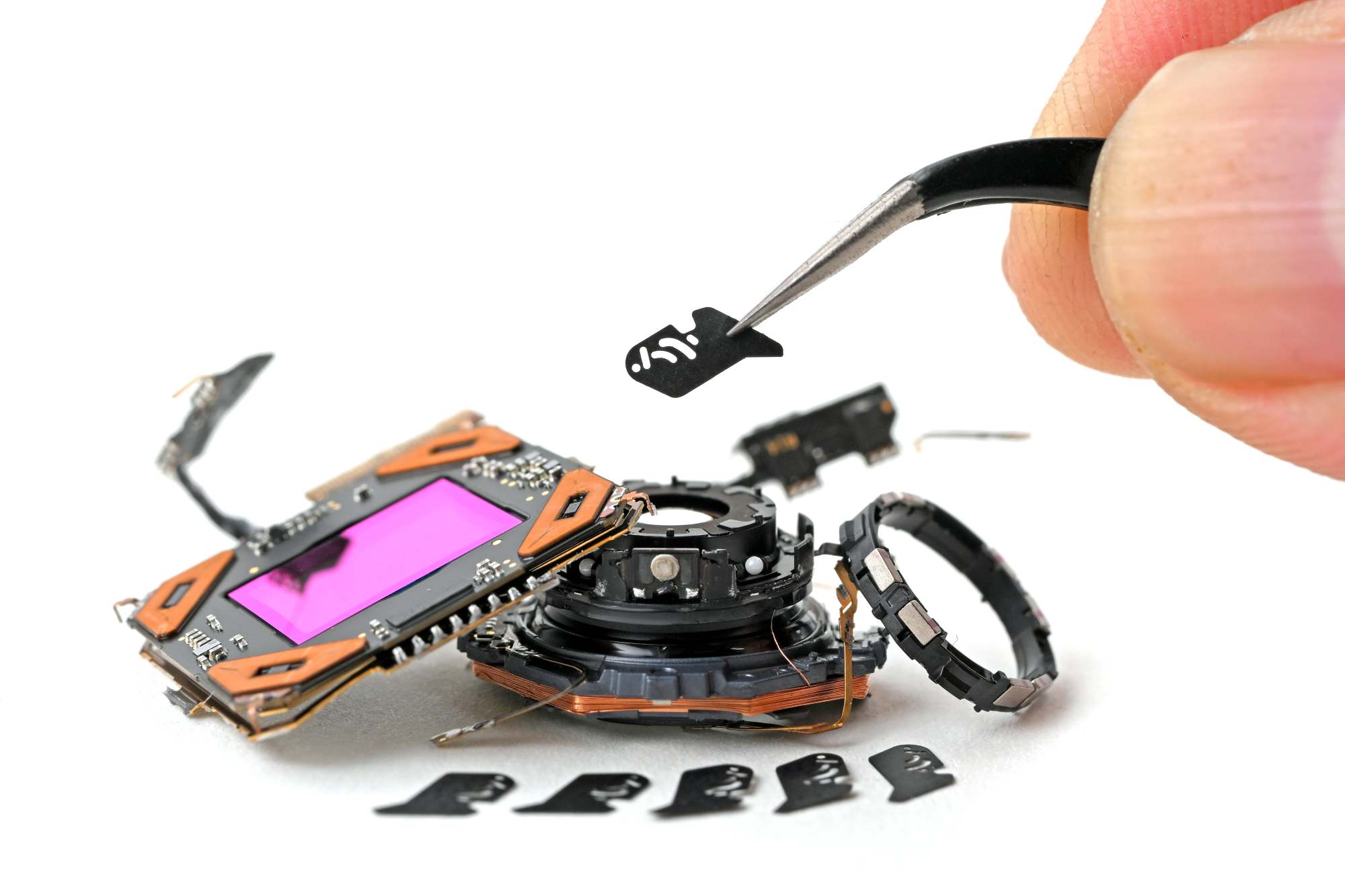
The teardown also shows in detail the new variable aperture main camera of the iPhone 18 Pro series. Both models are equipped with a 48MP Fusion main camera, and for the first time, a mechanical variable aperture structure is added, which can switch between f/1.48, f/1.8, f/2.8 and f/4.0. Users can also manually adjust aperture, shutter speed, white balance and other parameters through the new Pro control function.
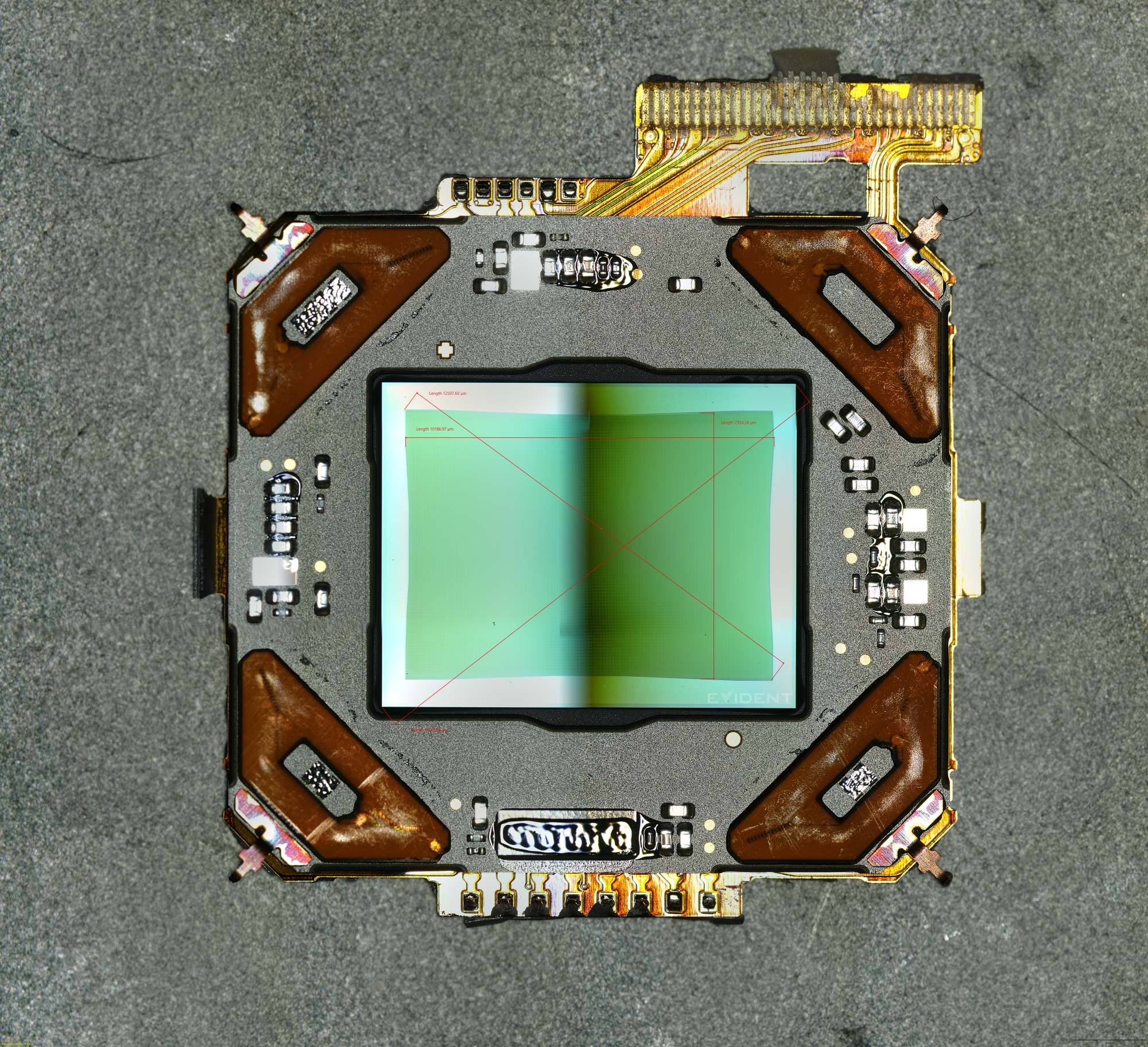
Apple also replaced the main camera with a larger image sensor this time to improve the amount of light and imaging performance in low-light environments. At the same time, the 48MP ultra-wide-angle and 48MP telephoto lenses continue to be retained, making the iPhone 18 Pro series a three-camera system.
The heat dissipation system is another obvious change inside the iPhone 18 Pro. Apple has designed a significantly enlarged VC vapor chamber for the new phone, with its surface area approximately three times that of the previous generation iPhone 17 Pro. Deionized water is circulated inside the vapor chamber to conduct and disperse the heat generated by the A20 Pro chip more quickly into the fuselage, thereby reducing the temperature during long-term high-load operation.
Apple also redesigned the chip packaging method of the A20 Pro. Rather than stacking memory close to the chip in the past, the new design places the chip die and memory side by side, taking the memory out of the main heat dissipation path and allowing the processor to connect more directly to the VC vapor chamber.
Apple claims that the new packaging structure, new heat dissipation materials and larger vapor chambers work together to achieve sustained performance improvements of up to 40% for the iPhone 18 Pro series. This is also the highest sustained performance Apple has ever achieved on an iPhone.
This disassembly also found that the NAND flash memory of the iPhone 18 Pro is placed inside the double-layer logic motherboard. iFixit believes that this design can help Apple make more full use of the limited internal space, but it will also make storage-related repairs more inconvenient.
The double-layer motherboard itself is not the first technology adopted by the iPhone 18 Pro, but as the number of internal components increases and the heat dissipation structure becomes more complex, Apple needs to make room for larger batteries and VC vapor chambers through a more compact motherboard layout.
The iPhone 18 Pro series also rearranges the Face ID system, which is also an important reason for Apple to shrink the smart island. Apple moved the Face ID infrared camera to the lower left side of the screen and used a special pixel structure in the corresponding area to allow infrared light to pass through the screen, thus reducing the display area occupied by the top opening.
This teardown clearly shows the repositioned infrared camera. Due to this design, the smart island area of iPhone 18 Pro and iPhone 18 Pro Max is smaller than that of the previous generation, while still retaining the Face ID function. The new Smart Island can also display up to three live events simultaneously, compared to the previous generation's maximum of two.
However, iFixit also discovered a noteworthy problem during this disassembly. Among the four iPhone 18 Pro series devices it disassembled, 3 had the screen plastic frame cracked or detached from the screen assembly. iFixit said that this is a new problem that has not been encountered when disassembling iPhones before.
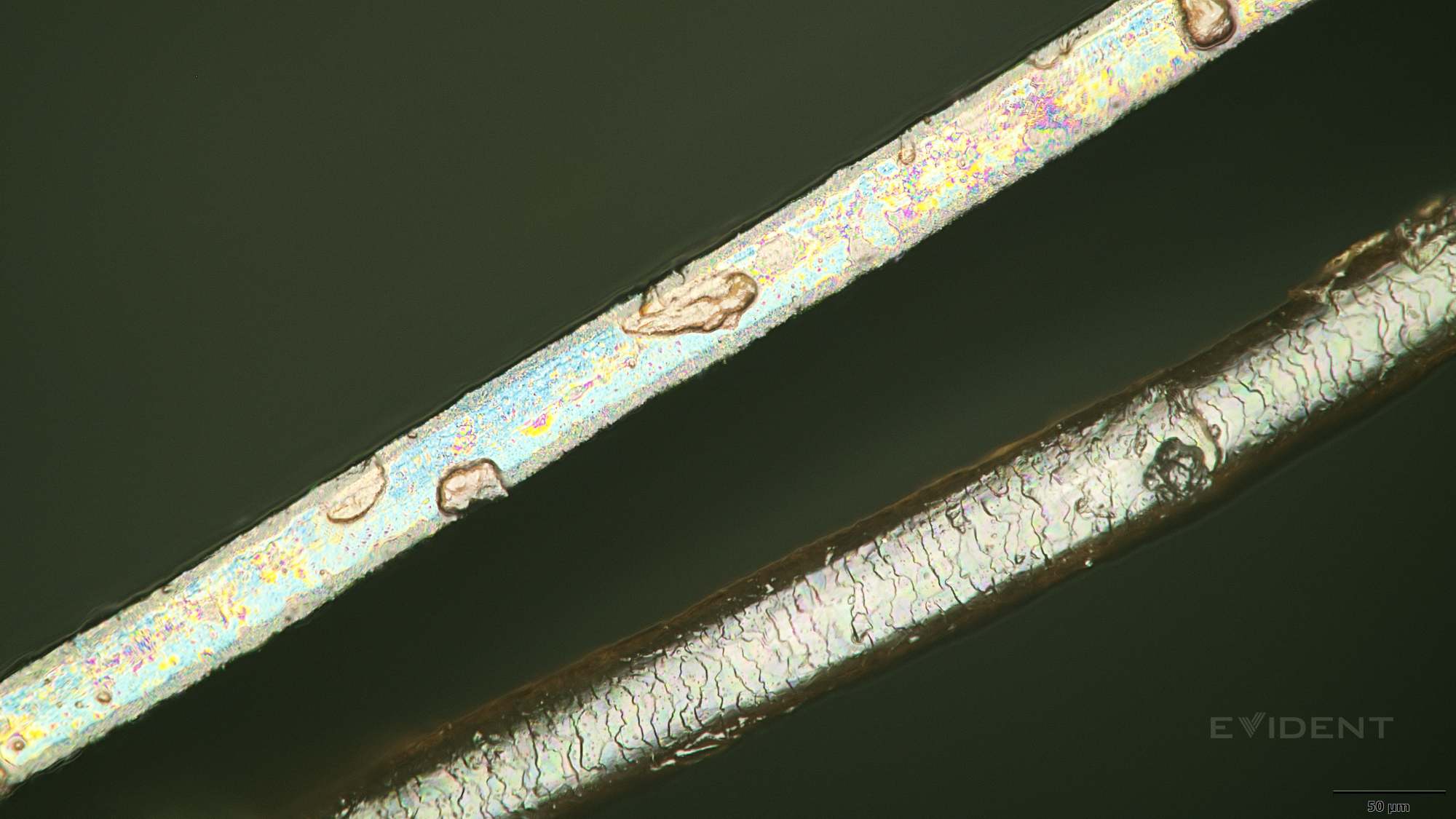
It is currently unclear whether this phenomenon is a problem with individual devices or a general flaw in the iPhone 18 Pro design itself. iFixit also emphasized that more testing is needed to determine its severity and probability of occurrence. Therefore, this phenomenon cannot be directly identified as a large-scale screen reliability problem in the iPhone 18 Pro series.
From the overall internal structure, the iPhone 18 Pro still continues the aluminum alloy one-piece body design used in the previous generation. The back of the fuselage still uses ceramic shield material and retains the camera platform across the upper part of the fuselage. The interior has been rearranged around a larger battery, a more complex variable aperture camera, and a large VC chamber.
It is worth noting that Apple’s previously announced EU repairability scores have shown that the repairability of the iPhone 18 Pro series is slightly improved compared to the iPhone 17 Pro. The comprehensive repair index of iPhone 18 Pro and 18 Pro Max is 3.14, compared with 3.04 for the previous generation; the disassembly depth score increased from 2.65 to 2.75, and the tool score increased from 2.05 to 2.55. Items such as fasteners, parts, software updates and repair information remain basically unchanged.
Therefore, judging from the actual teardown by iFixit, Apple did not completely reconstruct the internal structure of the iPhone 18 Pro this year, but focused on adjusting several key parts based on the previous generation architecture. A larger battery, a larger VC vapor chamber, a redesigned A20 Pro package, and a variable aperture camera have become the most obvious internal changes, while the double-layer motherboard continues to help Apple squeeze more components into limited space.
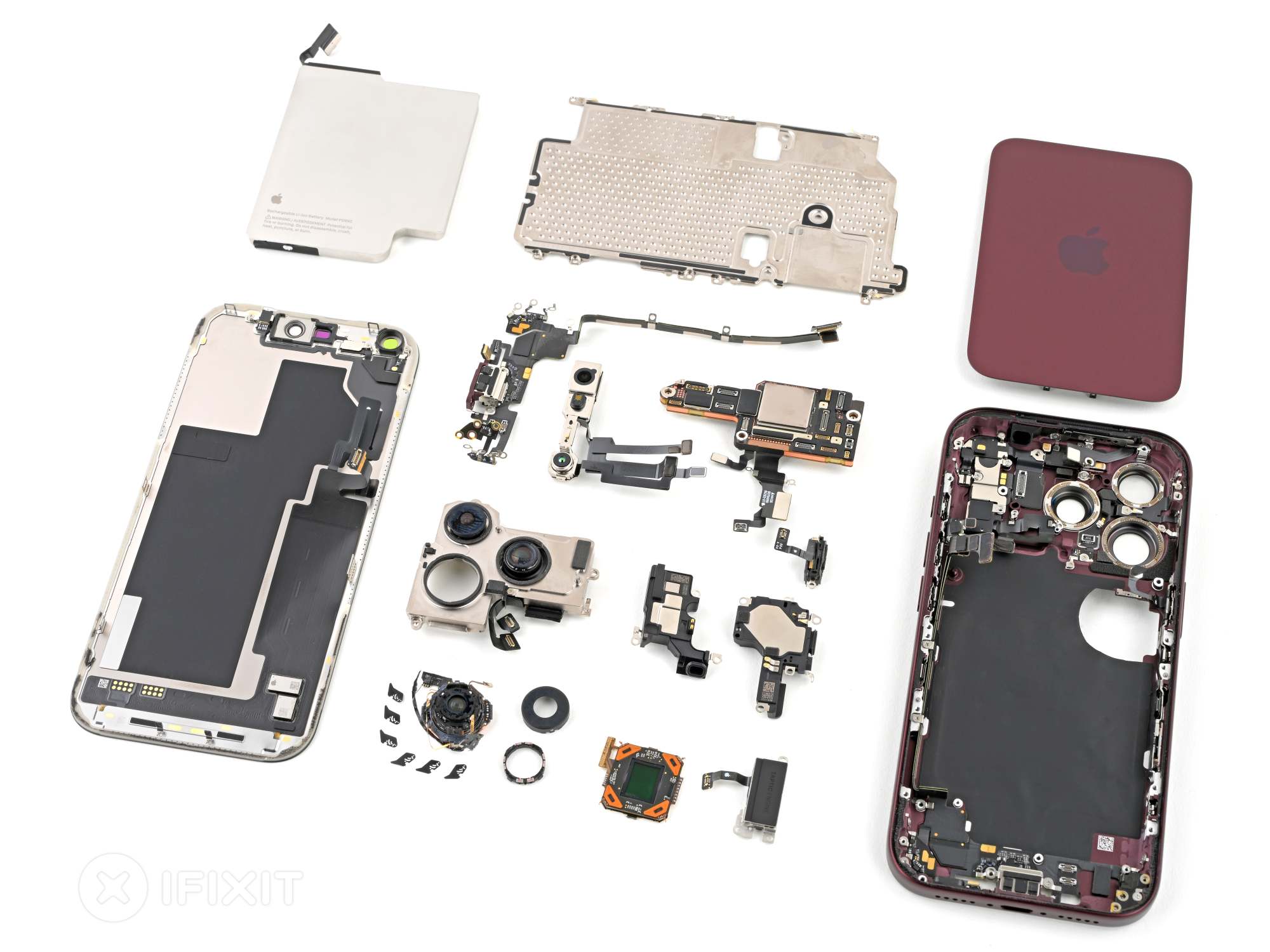
Overall, the internal design of iPhone 18 Pro is obviously optimized around performance, battery life and heat dissipation. In particular, the battery capacity of the iPhone 18 Pro Max has been increased by nearly 10%, and combined with the three times the area of the VC vapor chamber, the new phone has greater hardware margin in terms of long-term high-load use and battery life. However, a high proportion of the plastic frame of the screen was damaged during the disassembly process, which also left a problem worthy of further observation regarding the maintenance resistance and long-term reliability of the new machine.
Learn more:
https://zh.ifixit.com/News/119329/inside-the-tiny-unfixable-eye-iphone-18-pro-and-pro-max-teardown
Comments