
Abstract:
Apple’s standard version of iPhone 18 has not yet been officially released, but information about the configuration and price of this phone has begun to emerge. According to news posted on Weibo by a well-known whistleblower, Digital Chat Station, Apple plans to equip the standard iPhone 18 with a larger-capacity battery and use a new generation of 2-nanometer process A20 chip. However, these upgrades may come with a price increase.
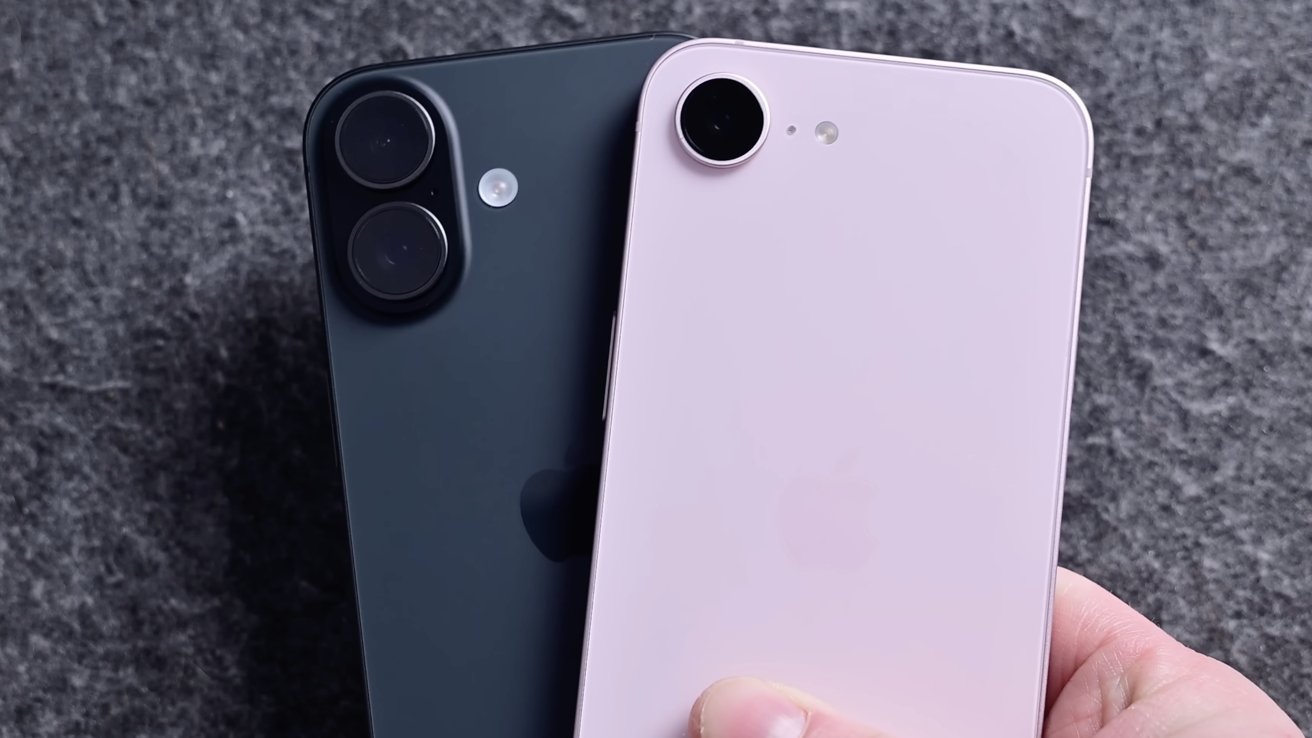
Digital Chat Station revealed that the standard version of iPhone 18 will continue to use a 6.3-inch OLED display, support a maximum refresh rate of 120Hz, and retain Smart Island and Face ID. The imaging system is expected to still use a rear dual-camera solution, with the main camera being 48 million pixels.
In terms of performance, iPhone 18 is expected to be equipped with Apple's A20 chip, using TSMC's 2nm process. Compared with the current A19 series, the new generation of chips is expected to further improve performance and energy efficiency. It is worth noting that the iPhone 18 Pro series already uses the A20 Pro chip, so the standard version of the iPhone 18 will also enter the 2nm processor era.
The battery is another focus of this revelation. Sources say Apple is preparing a larger battery for the standard iPhone 18. The current battery capacity of the iPhone 17 is 3692mAh. If the new phone does use a larger battery, it will theoretically help improve battery life. However, the specific capacity has not yet been announced, and there is no reliable information to confirm how much the actual battery life will be increased.
In terms of price, it is expected that the price of the standard iPhone 18 may be higher than that of the previous generation, but no specific increase was given. Apple has adjusted the prices of its existing iPhone product lines in September this year. The starting price of iPhone 17 in the U.S. market has been raised from the initial US$799 to US$899, an increase of US$100.
This change is partly related to the tight supply of global memory chips. The construction of artificial intelligence data centers has driven a significant increase in memory and storage demand, and the cost of related components continues to rise. Apple has been absorbing some of the costs through supply chain management and large-scale procurement, but as the prices of chips, memory and other key components rise, it becomes more difficult to maintain the original selling prices.
This year Apple has adopted a different release strategy for the iPhone 18 series than before. At the autumn conference held in September, Apple only launched iPhone 18 Pro, iPhone 18 Pro Max and the first folding screen phone iPhone Duo, and did not simultaneously release the standard version of iPhone 18. At the same time, the starting price of iPhone 18 Pro and Pro Max is $100 higher than the previous generation.
According to current product planning rumors, the standard version of iPhone 18 is expected to be launched in the first half of 2027, and may appear together with the second-generation iPhone Air and iPhone 18e. Apple seems to be further staggering the release time of high-end models and standard models in order to launch new products at different time periods and extend market attention throughout the product cycle.
It is worth noting that this revelation also mentioned that the standard version of iPhone 18 may not adopt the scaled-down Smart Island design on the iPhone 18 Pro series. This means that Apple may continue to differentiate between the standard version and the Pro series through differences in screen openings, cameras and other hardware features.
At present, the specific price, final battery capacity and launch time of the standard version of iPhone 18 have not been officially confirmed by Apple. In particular, there is still great uncertainty about the extent of price increases. What is certain is that Apple has implemented a new round of price adjustments for the iPhone product line this year, and the tight global memory supply and rising manufacturing costs are also becoming important factors affecting the pricing of the next generation iPhone.
If these rumors are ultimately confirmed, the iPhone 18 will present a relatively special product upgrade route: the processor will enter the 2-nanometer era, and the battery capacity will be further increased, but the appearance and camera configuration may not change significantly, and consumers need to be prepared for a higher price.
Comments