
Abstract:
American physicist James T. Russell passed away peacefully in Bellevue, Washington, at the age of 95. His family confirmed the news. Russell invented the first digital optical recording and playback system in the 1960s and early 1970s, laying the foundation for CD, DVD and Blu-ray Disc technology, and pushing music, movies and data storage into the digital age.
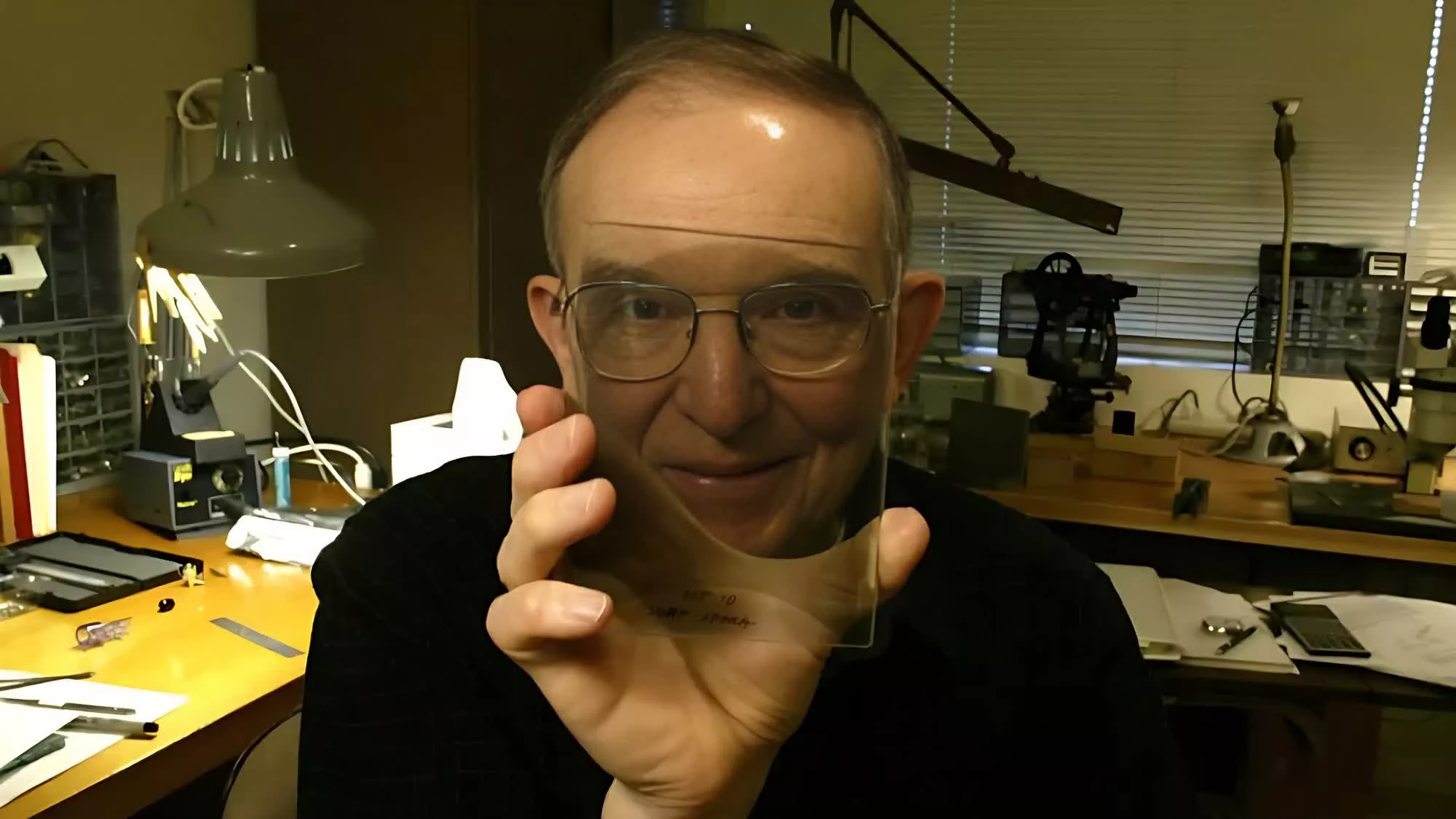
Russell's career spanned almost his entire life and he was awarded more than 70 patents. His biggest breakthrough was finding a way to use lasers to read the binary data on optical discs, so that audio and images could be saved and played back in a clear and stable manner. He never became a household name, but the technology he developed was later adopted by companies such as Sony and Philips, profoundly changing the way people listened to music, watched movies and stored information.
Russell was born in Bremerton, Washington, in 1931. His father was a Scottish immigrant businessman and his mother was a nurse. She was famous for her artistic talent. Fascinated by technology since he was a child, he worked as an electrician in the dairy factory run by his father, and later became an electrician apprentice, earning only 7 cents an hour, responsible for repairing and moving cable reels and other chores. While in high school, he also helped build a radio station in Port Orchard.
After graduating from high school, Russell entered Reed College to study physics and graduated in 1953. He married his high school sweetheart, chemistry major Barbara Giblett, and they had three children. Barbara was also one of the few women to enter the fields of science, technology, engineering and mathematics in the 1950s.
Russell then worked as a physicist at General Electric in Richland and later as a senior scientist at Battelle Northwest Research Institute. It was in Richland that he began thinking about how to improve the quality of music recordings. Vinyl records rely on the friction of a stylus in tiny grooves to produce sound, often accompanied by pops and hisses, and Russell thought a better way could be found. After calculation, he submitted an invention report to Battelle and proposed using light beams to read digital records.
The idea was initially met with skepticism. Russell recalled in an interview in 2004 that at that time some people thought that this would not work, or that even if it worked, it would be of no value. They even thought that if it was really useful, IBM would have invented it long ago. Still, the company gave him some money to experiment with. Russell eventually invented a method of digitally storing and playing back audio that produced near-perfect sound quality, while also developing a way to store digital information at high density.
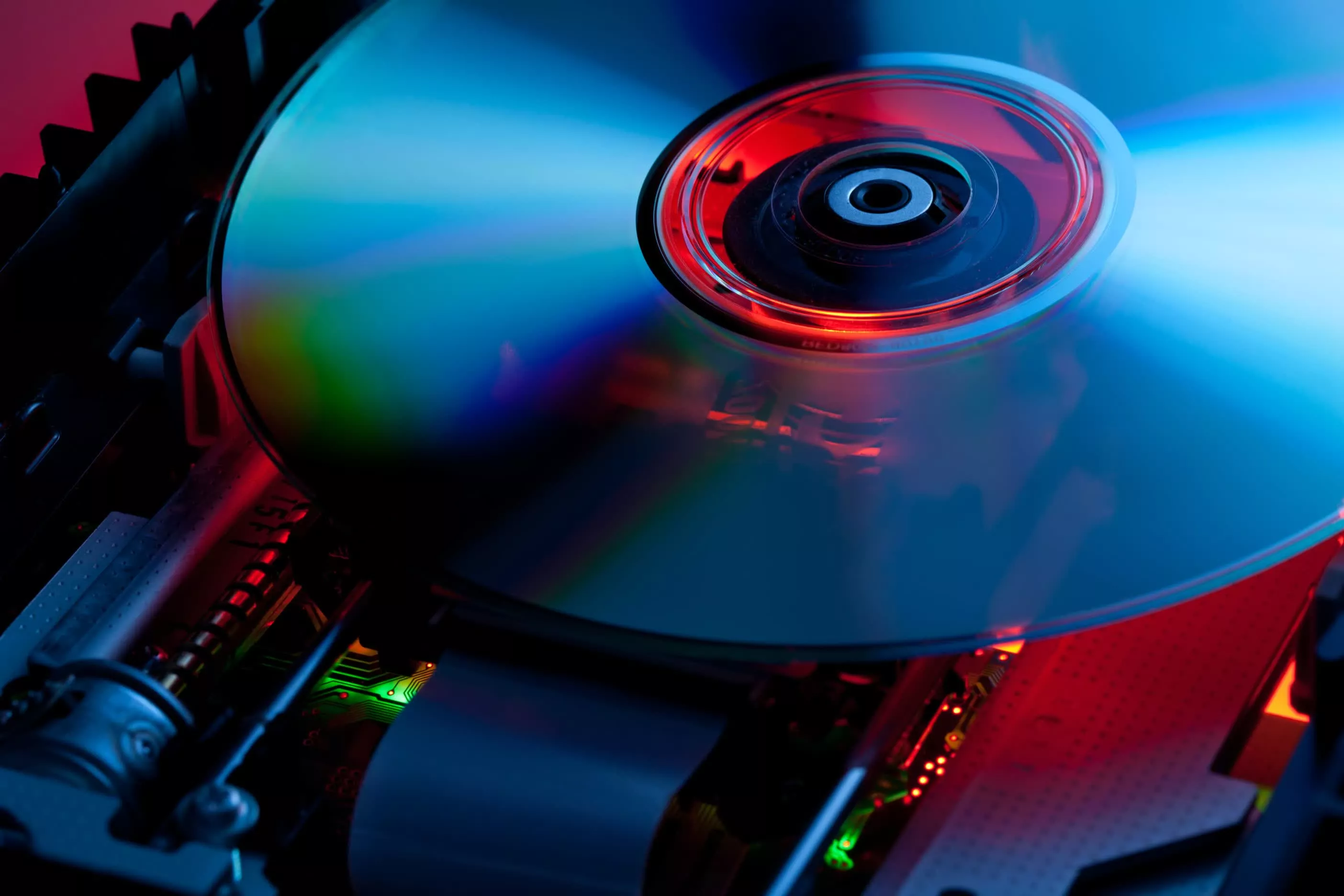
Earlier, engineer David Paul Gregg developed early analog laser disc technology in the 1950s. Russell's first patents in the field were granted in the mid-1960s, and by the 1970s he had a working prototype that used lasers to read binary data from optical discs. His patents subsequently moved from company to company, causing him to move from Richland to Salt Lake City and then to Toronto.
Russell developed the digital optical recording and playback system that later became the basis for CD-ROM, DVD and Blu-ray technology. But he received no royalties, never became rich, and received little public recognition during his lifetime. His daughter, Kristen Russell, wrote that her father believed the key to maintaining creative freedom was not letting the frustration of being recognized bother him. She recalled that when someone asked about CDs in his later years, her father would often shrug his shoulders and say that it was an extremely complex and wonderful challenge and that he was glad that he had solved it.
Russell's invention, coupled with engineering, marketing and standardization efforts by Sony, Philips and others, gave birth to the digital revolution. According to data from the Recording Industry Association of America, CDs accounted for 95.7% of the music sales market during their heyday in the early 21st century. Marv Erickson, senior project manager at Battelle's Pacific Northwest National Laboratory, said in 2004, when CDs were at their most popular, that every time he put a CD in the car or home, or put in a DVD to watch a movie, he would think of Russell.
The copyright issues brought about by CD technology are still discussed by scientists in the era of artificial intelligence. Monica Sengur-Jones, director of strategy and operations for the Society and Technology program at the University of Washington, said Russell may not have intended to raise these important social questions when he thought about how light and binary code could store and reproduce music.
Russell's career eventually brought him back to Washington State. He settled in Bellevue and worked in consulting. His children recalled that until his later years, he would still put a stack of index cards in his shirt pocket to record ideas for new inventions at any time. Kristen said her father was a hardworking and creative man who tackled everything from urban architecture to nuclear physics to audio recording. At the age of 88, he also received a patent for a device for measuring exhaled air from anesthetized patients.
Russell’s wife passed away in 2021. He is survived by three children, seven grandchildren and five great-grandchildren.
Comments