
Abstract:
The Japan Actors Guild, an industry organization with approximately 2,600 actors and voice actors, recently announced a series of measures to protect the rights and interests of performers in the industry in generative AI applications. This topic has triggered heated discussions in Japan and the West. Nick Apostolides, the actor who voices Leon Kennedy, once said that AI dubbing is essentially a contradictory concept: "AI can read lines, but there is no human emotion or core behind the lines."
The guidelines proposed by the union are not a blanket ban or strict control, but require informed consent from performers at "every stage" of AI application. Companies must clearly inform actors whether their voices will be used for AI training, and they must also negotiate remuneration with the actors. In other words, agreeing to let AI generate your own voice for use in short video advertisements and other scenarios is like authorizing a merchant to print your portrait on a cereal box, which falls under the category of image authorization.
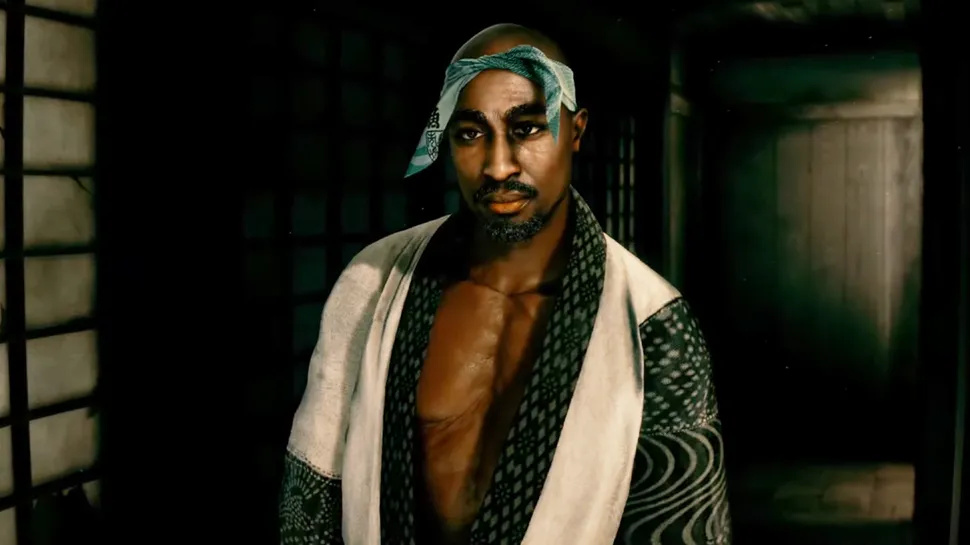
These informed consent guidelines also apply to performance content translated by AI, but the restrictions are even stricter for the imitation of the image and voice of deceased actors - for example, the late singer Tupac's "appearance" in the upcoming "Stranger Things" has caused widespread controversy.
The guidelines clearly state that the use of AI to copy the voice of a deceased actor is prohibited unless they have given their explicit consent during their lifetime. At the same time, AI-related use must also obtain the consent of the actor's surviving family members, estate management agencies or other relevant management organizations, and pay copyright royalties to these rights successors.
The union stated: "This regulation aims to protect the dignity, reputation and artistic legacy of deceased performers from commercial exploitation. We will respect the wishes of the deceased to the greatest extent, and when generating AI-related content, we must obtain formal permission from the family members (or managers) who inherit the relevant rights to prevent desecration of the deceased."
The dubbing industry has already seen a lot of AI-related chaos, such as AI simulating the voice of James Earl Jones and speaking AI-generated insulting remarks in "Fortnite." In comparison, this set of guidelines from the Japan Actors Guild seems quite mild and reasonable. It will take time to verify whether these measures to protect the rights of actors can be implemented in the Japanese entertainment industry and even wider.
Comments