
Abstract:
According to Automotive News, Toyota, Nissan and Honda have agreed to start standardizing some auto parts to reduce production costs. Tsuneharu Sato, chairman of the Japan Automobile Manufacturers Association and Toyota vice president, announced the decision at a press conference in Tokyo this week.
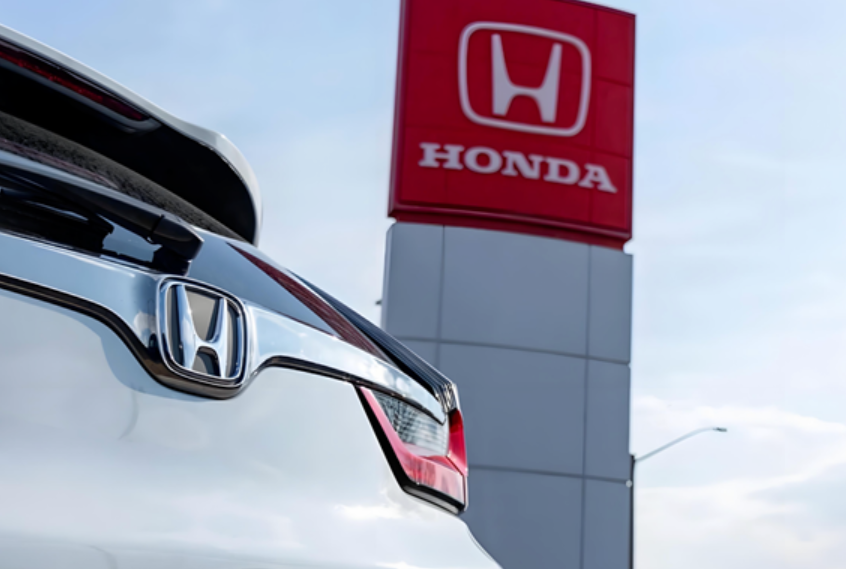
In the short term, standardization work will start with unified quality standards for steel, unified specifications for plastics and resins, and a unified color coding scheme for wire harnesses. In the long term, the Japan Automobile Manufacturers Association plans to expand the scope of standardization to cover more parts of the entire vehicle.
The reason why these three types of parts are listed as the first batch of standardization objects is that they are usually not directly noticed by consumers and will not affect the unique image of each brand. At the same time, they account for a considerable proportion of automobile production costs, so standardization is expected to bring significant cost reduction effects in a relatively short period of time.
The first batch of standardization discussions will first be conducted with Japanese domestic auto parts suppliers, and international suppliers will subsequently be included in the relevant cooperation system. According to reports, the first batch of standardized measures are expected to be implemented next year.
The push to simplify and cut costs comes as Japan's top seven automakers - Toyota, Nissan, Honda, Mazda, Subaru, Mitsubishi and Suzuki - grapple with growing competition from Chinese automakers. Japanese car companies hope that the money saved by unifying parts standards can be invested in new technological innovations.
Sato Tsuneji said: "We all have a strong sense of crisis, which is forming a driving force for change. It is based on this sense of crisis that we decided to choose these three areas first."
Related articles:
Honda expands the use of "Chinese standard parts" Japanese suppliers face cost and order tests
Comments