
Abstract:
On the morning of November 12, someone called Musk on
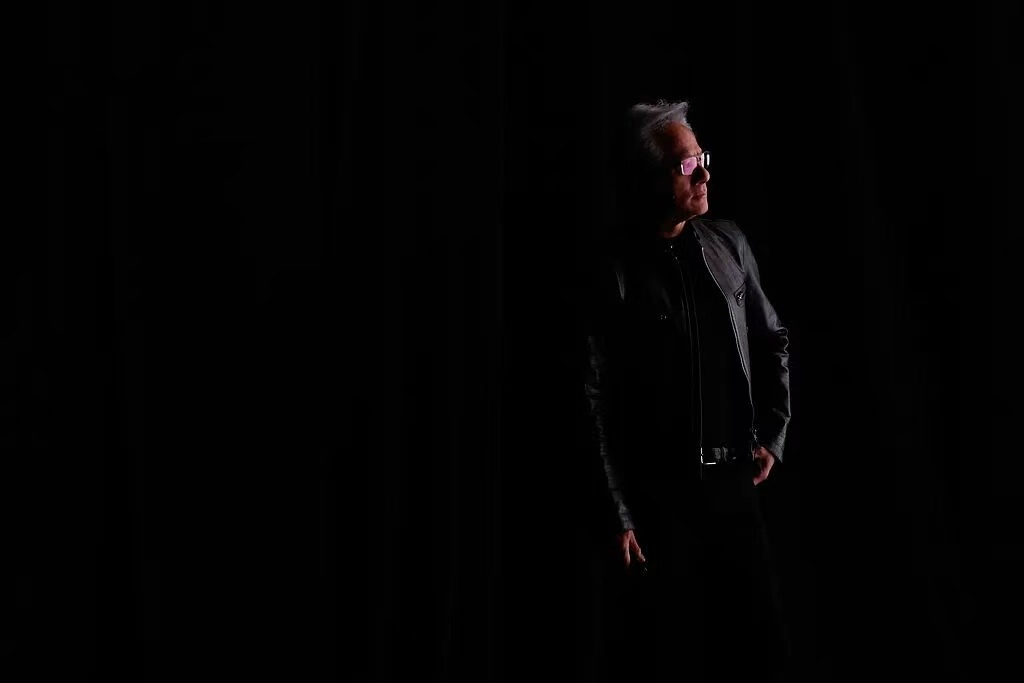
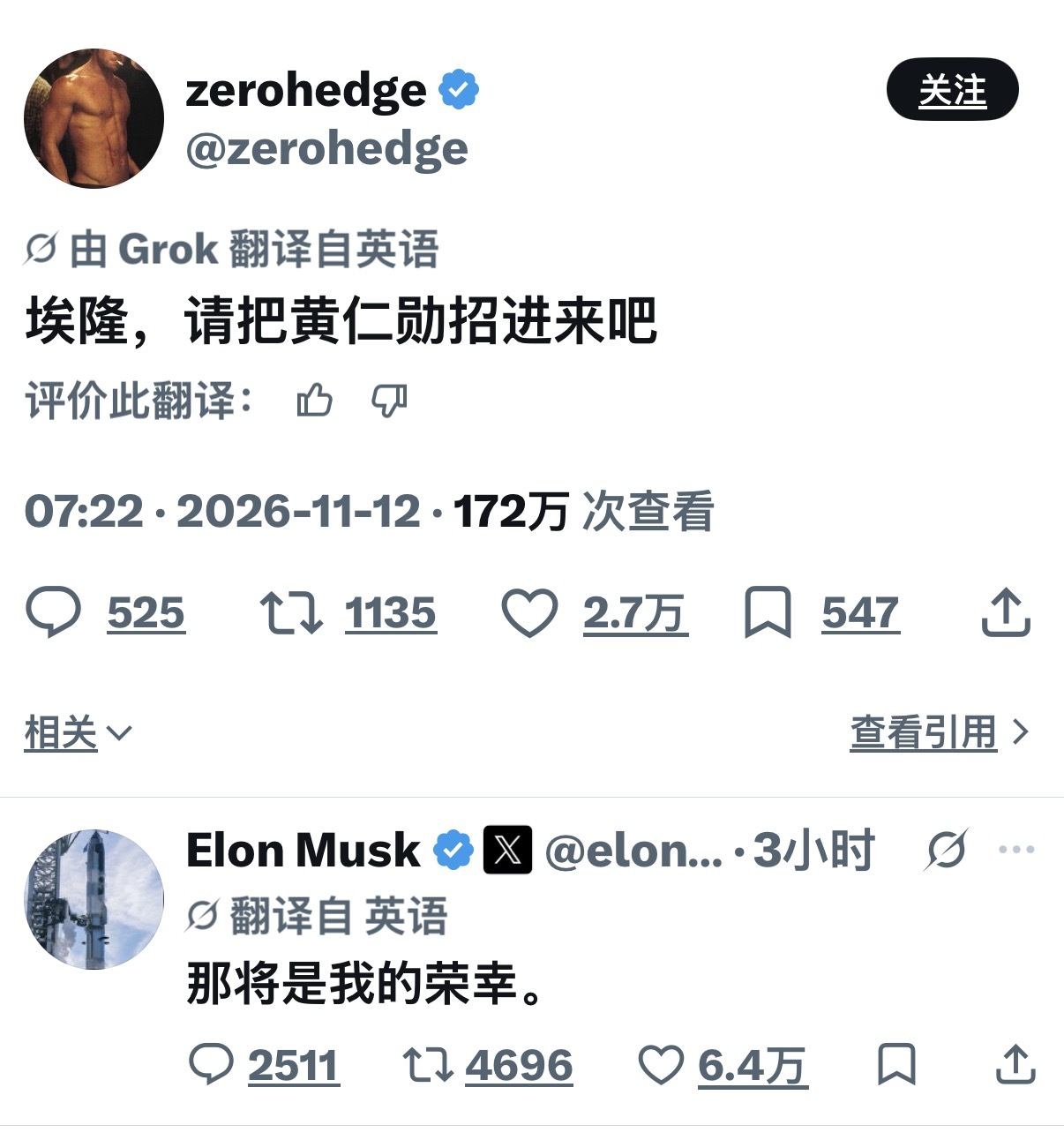
What was originally a joke turned the most embarrassing problem into reality. In the evening of the same day, Beijing time, the official news of Huang Renxun's resignation was finally announced.
Nvidia announced that the company's board of directors has approved Huang Jensen's resignation as president, CEO and board member, effective immediately.
The announcement shows that Colette Kress, the current executive vice president and chief financial officer, will serve as interim CEO and will continue to serve as CFO until the official successor is determined. The board of directors has launched the selection process for the new CEO and will consider both internal and external candidates.
At the same time, Nvidia appointed Harvey C. Jones as the company's first chairman of the board of directors. Jones was the CEO and executive chairman of Synopsys and has been involved in the technology industry and venture capital for more than 30 years. Prior to this, Nvidia had not had a chairman position for a long time.
The "AI Godfather" who founded Nvidia himself and has been in charge of the company for 33 years has handed over the reins of the world's most valuable chip company.
The author of Navarre's Book said that if Nvidia really opened Huang Renxun, it would have failed to learn the lessons of Apple and Uber. Now this sentence has become a prophecy.
Nvidia employees did not even have time to react. Since the incident, they have experienced "angry, shocked and indifferent" emotions. Ifeng Technology tried to contact many Nvidia employees and found that when their spiritual leader broke out in public opinion, they were even more "indifferent" than we imagined.
01. Jen-Hsun Huang stood at the intersection where Steve Jobs once was
In September 1985, 30-year-old Steve Jobs left Apple.
The company he founded and brought into the personal computer era ultimately did not choose to side with him.
It all started in the spring of that year. At that time, the Macintosh project led by Jobs (the original Mac computer) was already on the market, but its sales performance was not as good as expected. At the same time, the conflict between him and then-CEO John Sculley also deepened.
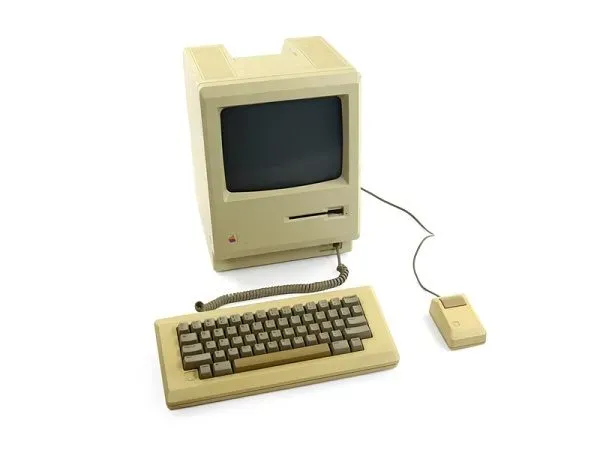
Picture | Macintosh 128K, the first-generation Mac computer released by Apple in January 1984
Interestingly, Sculley was originally invited to join Apple by Jobs himself. In 1983, in order to give the company more mature management capabilities, Jobs hired this executive from Pepsi-Cola. However, as the differences between the two sides in business philosophy and power distribution widened, the former allies gradually turned against each other.
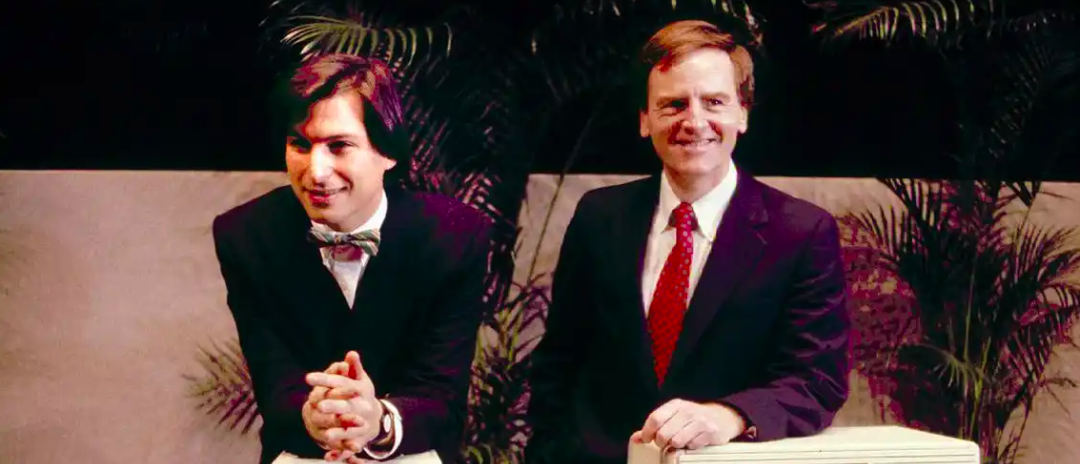
Picture | Jobs and Sculley
In May 1985, the conflict came to the fore, and Apple's board of directors ultimately sided with Sculley and stripped Jobs of his management rights over the Macintosh team. Although Jobs retains the title of chairman, he has lost actual control of the company's core business. In September of the same year, he left Apple and founded NeXT.
This departure has become one of the most famous stories of a founder and a company parting ways in the history of technology business. It also leaves a question worth asking repeatedly: Why is a founder who created a company with his own hands excluded from core decision-making by the company he founded?
This power conflict that occurred 41 years ago has now reappeared at NVIDIA.
In 1993, Huang Renxun founded Nvidia. From game graphics cards to CUDA to AI computing platforms, he has participated in almost every key transformation of the company over the past 33 years. Under his leadership, Nvidia has grown from a graphics chip company to a technology giant with a peak market value of US$5.7 trillion, becoming one of the most important companies in the global AI industry chain.
Huang Renxun is no longer just the CEO of Nvidia. He is the founder and spiritual symbol of the company, and he is also a figure that cannot be avoided when the outside world understands NVIDIA's strategy and technical route. The iconic black leather jacket and his speeches at global technology conferences have made Huang Renxun one of the most recognizable entrepreneurs in the AI era.
But recently, he has been involved in personal controversy. Media reports surrounding his two extramarital affairs and related conflicts of interest continue to ferment, and Nvidia's board of directors is also facing pressure to re-evaluate its CEO position. The board of directors finally held a meeting on the evening of November 11, local time, and came to the conclusion of removing Huang Renxun from his position; as disclosed by the outside world, the board of directors has used external agencies to find potential successors, and even appointed an interim CEO first, and then looked for a long-term successor.
There is a detail in Nvidia's articles of association: Nvidia's board of directors has the power to remove the CEO with or without reason by a majority vote.
The board of directors has 11 members, and except for Huang Renxun, the other directors are independent directors.
This means that although Huang Renxun is the founder, CEO, and one of the company's largest individual shareholders, it does not mean that the board of directors cannot remove him from his position.
To some extent, Huang Jenxun and Steve Jobs are in a similar situation: they are not only the founders of the company, but also the core of the corporate image and strategic direction.
Of course, the operating environments of the two companies are not the same. In 1985, Apple was facing product sales pressure and internal operating differences; today, Nvidia is in a period of rapid development in the AI industry, with a strong market position and a huge business system.
But a question has been placed in front of NVIDIA: Is there anyone in this company that has grown into a global technology giant who can take over the power of Huang Renxun?
02. NVIDIA failed to learn Apple’s lesson
How deeply is Jensen Huang involved in Nvidia’s daily operations? A detail may illustrate the problem.
"The Information" reported in 2023: Huang Renxun not only participates in the company's major technical and strategic decisions, but will even review the words used by sales staff when introducing Nvidia products to some small potential customers. One company executive described him as "chief product officer for almost every product in the company."
This is very interesting. In a company that has grown into one of the most important technology companies in the world, the CEO actually asks sales staff how to introduce products to customers.
And this is no accidental work habit. In 2024, in a conversation with Stripe CEO Patrick Collison, Huang revealed personally: Nvidia has a management team of more than 60 people, and all 60 people report directly to him. He doesn’t like one-on-one meetings, preferring to have the management team discuss things together. According to his explanation, this can reduce organizational layers, allow everyone to obtain information at the same time, and also allow different departments to understand each other's problems.
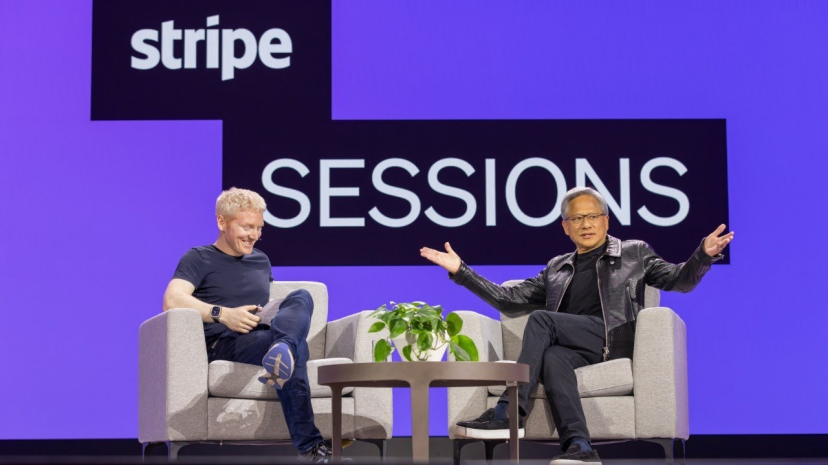
Picture|Huang Jen-Hsun and Patrick Collison
These two details present a very distinct Huang Jen-Hsun: He is not a CEO who is only responsible for formulating strategies, attending press conferences and facing investors, but is accustomed to going deep into business details, and even tries to make himself the intersection of internal information and decision-making within the company.
Another piece of Nvidia’s history better reflects how this kind of personal judgment can be transformed into the company’s long-term competitiveness.
In the early 2000s, Nvidia’s most important market was PC gaming. GPUs are mainly used for image processing and graphics rendering, and are not directly related to the computing power required for today's AI training.
But Huang Renxun realized that GPU has large-scale parallel computing capabilities, and its application scenarios should not be limited to games. In 2006, NVIDIA launched CUDA, allowing developers to use GPUs for general computing.
At that time, this investment may not bring immediate commercial returns. It was not until later that AI researchers discovered that GPUs were very suitable for neural network training that CUDA gradually became an important foundation for Nvidia to enter the AI computing market. According to Fortune, NVIDIA’s CUDA developer base will reach approximately 5 million in 2024.
This story can illustrate how one person's strategic judgment becomes the collective capability of a company.
But this ability does not belong to Huang Renxun alone. "The Information" also mentioned that among Huang Renxun's direct subordinates, nearly ten technical leaders have worked at Nvidia for more than 20 years. For example, Jonah Alben, senior vice president of GPU engineering, has worked at Nvidia for 29 years; Jeff Fisher, senior vice president of GeForce business, has worked for 32 years; Dwight Diercks, senior vice president of software engineering, joined the company in 1994 and is one of the longest-serving executives.
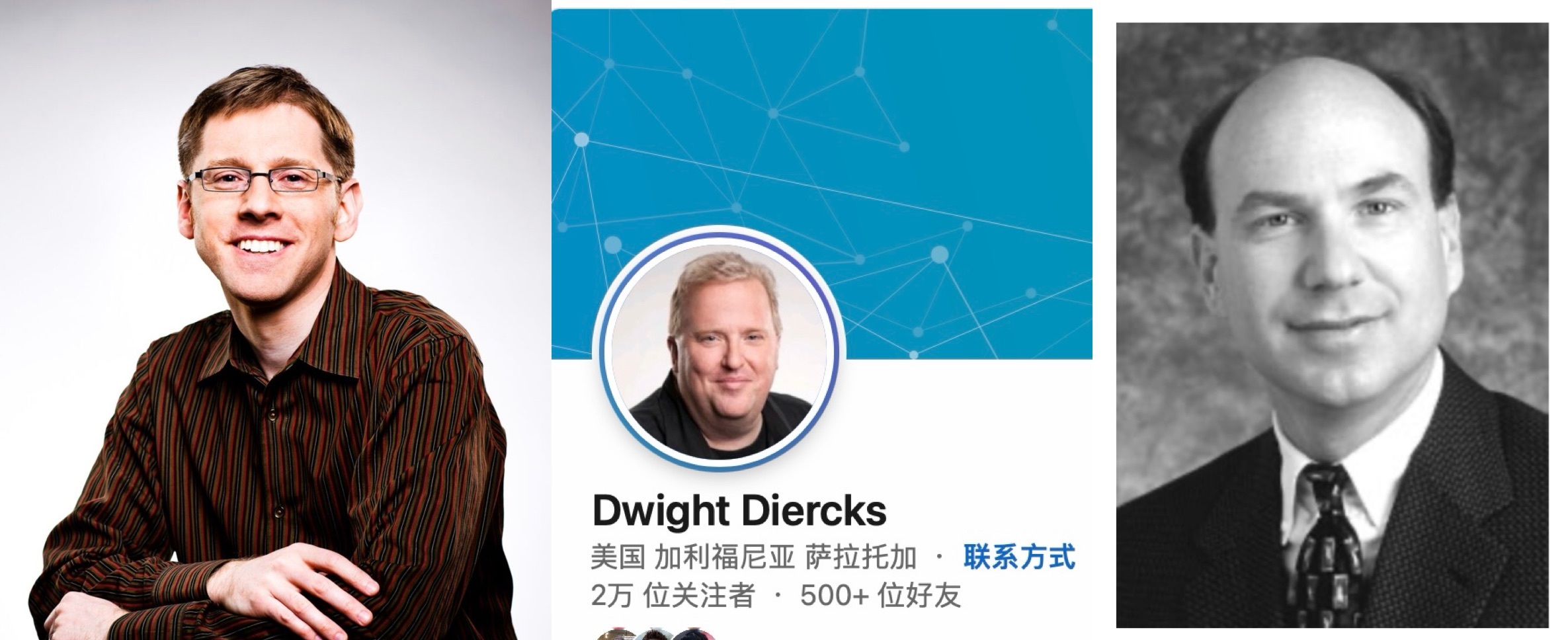
Picture | From left to right, Jonah Alben, Dwight Diercks, Jeff Fisher
It is worth noting that these people are not a temporary management team built around the founder, but core members who have long been involved in NVIDIA's technology evolution, product development and business expansion.
This constitutes the contradiction of NVIDIA today: on the one hand, Huang Renxun has a profound influence on the company's management and strategy, and many major decisions have a strong personal flavor; on the other hand, after more than 30 years of development, NVIDIA has also accumulated a huge technical system and a group of experienced managers.
The question is, can this system continue to function after losing Jen-Hsun Huang? Can these senior executives who have worked with him for a long time take over the responsibility for strategic judgment and organizational coordination?
Apple has gone through a similar test.
After Jobs was "kicked out" of the company in 1985, Apple still operated for 10 years and launched many products. Later, the company gradually fell into trouble, with a complicated product line and a wavering strategic direction. It finally acquired NeXT in 1997 and welcomed back Jobs.
After Jobs returned, he pushed Apple to significantly shrink its product line and re-establish its product strategy, which led to the subsequent success of iMac, iPod and iPhone.
This can provide Nvidia with a historical reference: the departure of a founder will not automatically destroy a company's technology and business system. But if the company's strategic direction, product judgment, and organizational coordination are highly dependent on the founder for a long time, it may take a long time for the company to find a new way of running after losing the founder.
03. Where is Huang Renxun’s successor?
A company with a market value of trillions of dollars and at the center of the AI industry is suddenly faced with the possible departure of its founder. The market began to look for the next CEO, but found an embarrassing fact: this company does not seem to have a clear "number two person."
So, if Jen-Hsun Huang leaves tomorrow, who will take over Nvidia?
At present, CFO Colette Kress is only a temporary replacement. She joined Nvidia in 2013 and has been responsible for financial work for a long time. Besides Huang Renxun, she is also one of the executives who most often appears on the company's earnings calls. For investors, she is familiar with the company's financial situation and has enough qualifications and reputation to stabilize market expectations.
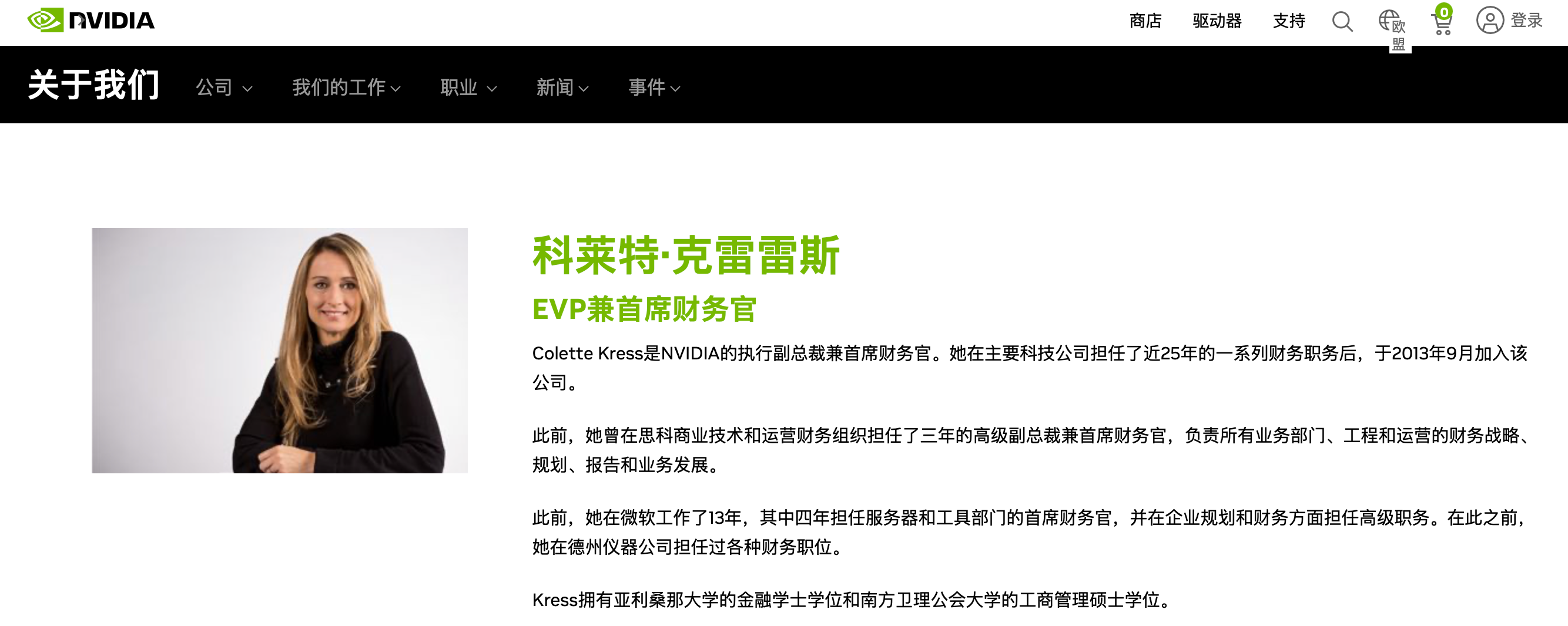
Picture | From NVIDIA official website
But the person in charge of finance and the person at the helm of a technology company are, after all, two different roles. Kress’s strengths lie in financial management and capital market communication, while Nvidia’s real core competitiveness comes from its GPU architecture, software ecosystem and judgment of next-generation computing trends. Whether she can take over Huang Jen-Hsun's technical strategic role is still unknown.
Thus, another name has also entered the discussion: Ian Buck.
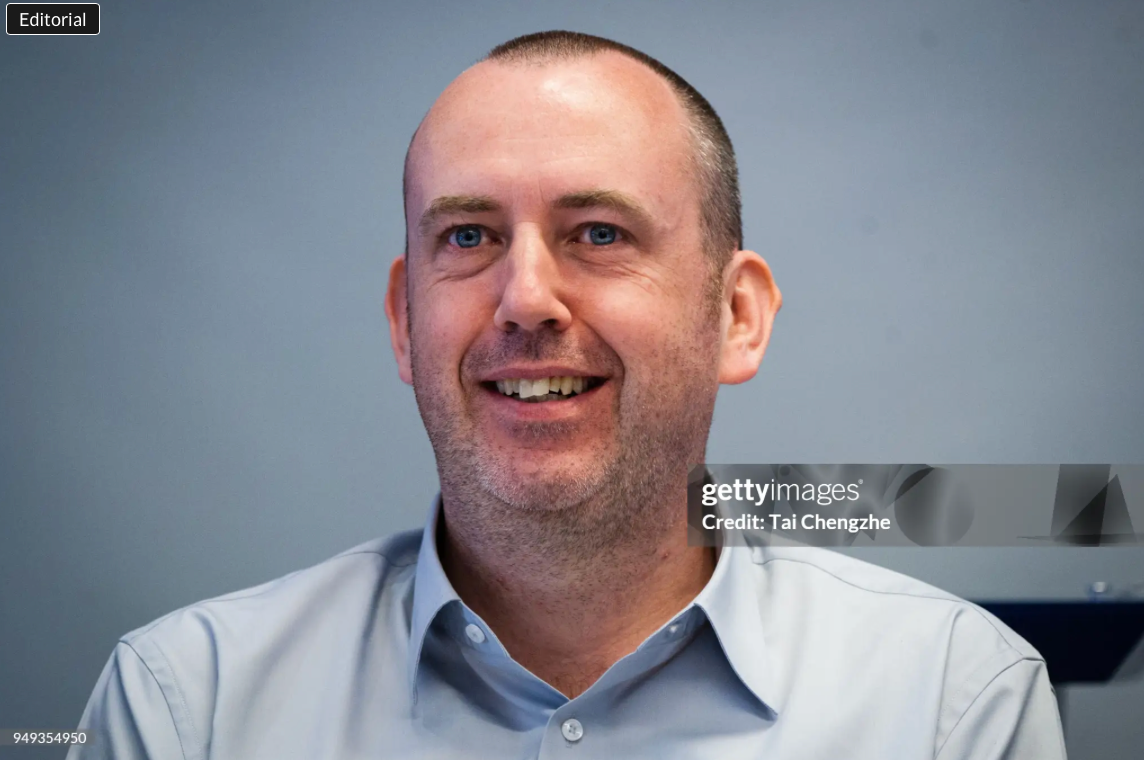
Picture|Ian Buck
He is a senior technical executive at NVIDIA. He joined the company in 2004 and participated in the development of CUDA. He is currently responsible for the AI business for ultra-large-scale cloud service providers. Compared with Kress, he is closer to the core of NVIDIA's technology system and is also regarded by many analysts as a potential long-term successor.
Before the dust settles this time, possible candidates for market prediction also include:
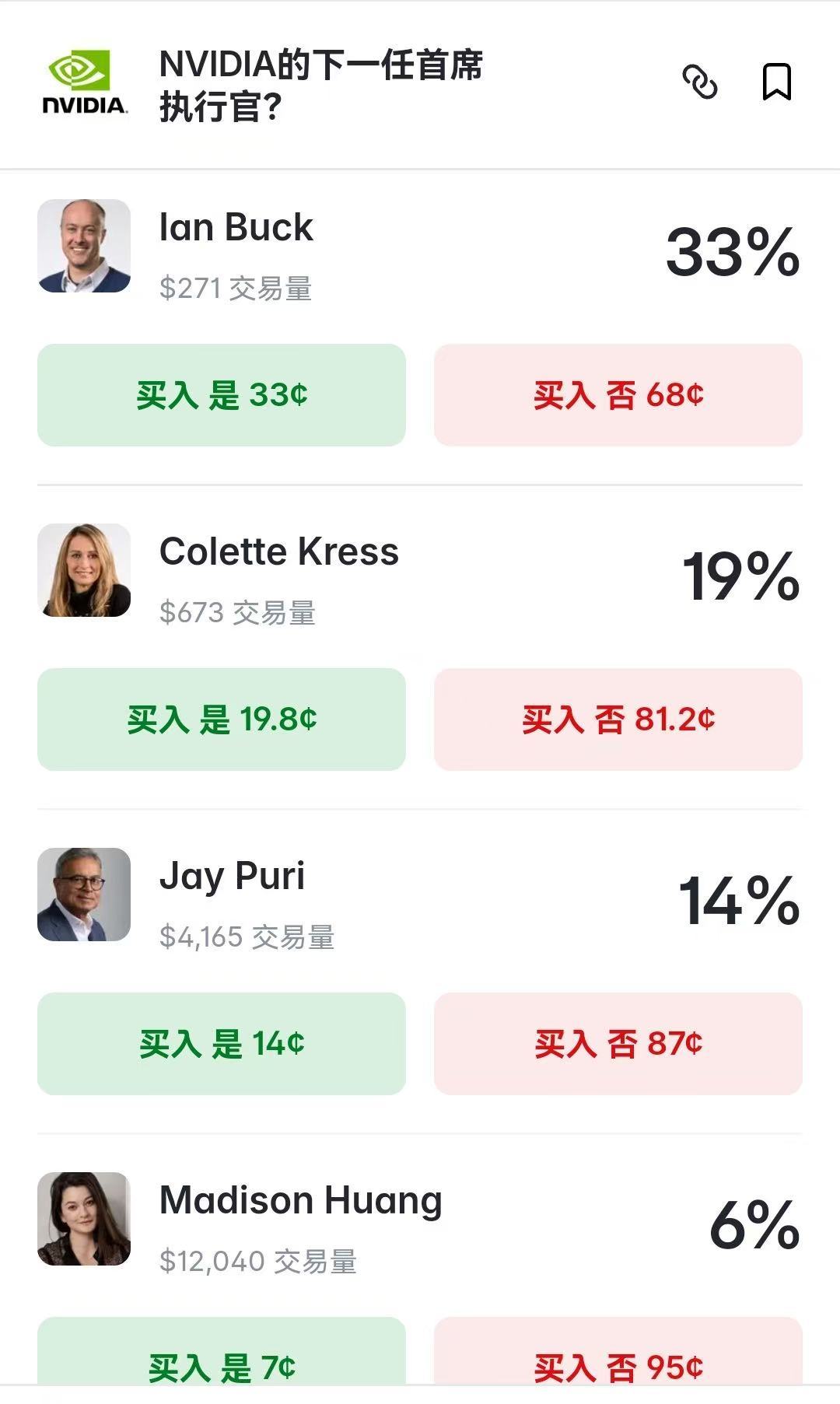
From a practical point of view, Nvidia has many excellent executives, but there is no CEO who can replace the founder at any time.
Now, this problem has become Nvidia’s biggest problem.
A company with a peak market value of US$5.7 trillion cannot concentrate its strategic judgment, core management and external communication on one person for a long time. What the board of directors needs to consider is not just the departure of Huang Jen-Hsun, but also whether to establish a clearer management echelon, clarify the No. 2 figure, and allow more executives to truly assume cross-business decision-making responsibilities.
After all, founders can determine the starting point of a company, but they cannot become its permanent organizational structure.
Huang Renxun's departure is now a foregone conclusion. Nvidia needs to prove one thing to the market: its competitiveness has been precipitated by the company's technology, talent and organizational capabilities, not just Huang Renxun's personal judgment and reputation.
This may be the most important question left to Nvidia in this succession crisis.
Comments