
Abstract:
Lenovo seems to be adding a more user-friendly product to the Legion Go handheld series. Recently, Windows Latest exposed a number of high-definition pictures of what appears to be Lenovo's new handheld gaming device, showing that the product may be named Legion Go Beam. Compared with the existing Legion Go S, the new machine has simplified control configuration, number of interfaces and screen design, with the obvious intention of reducing manufacturing costs.
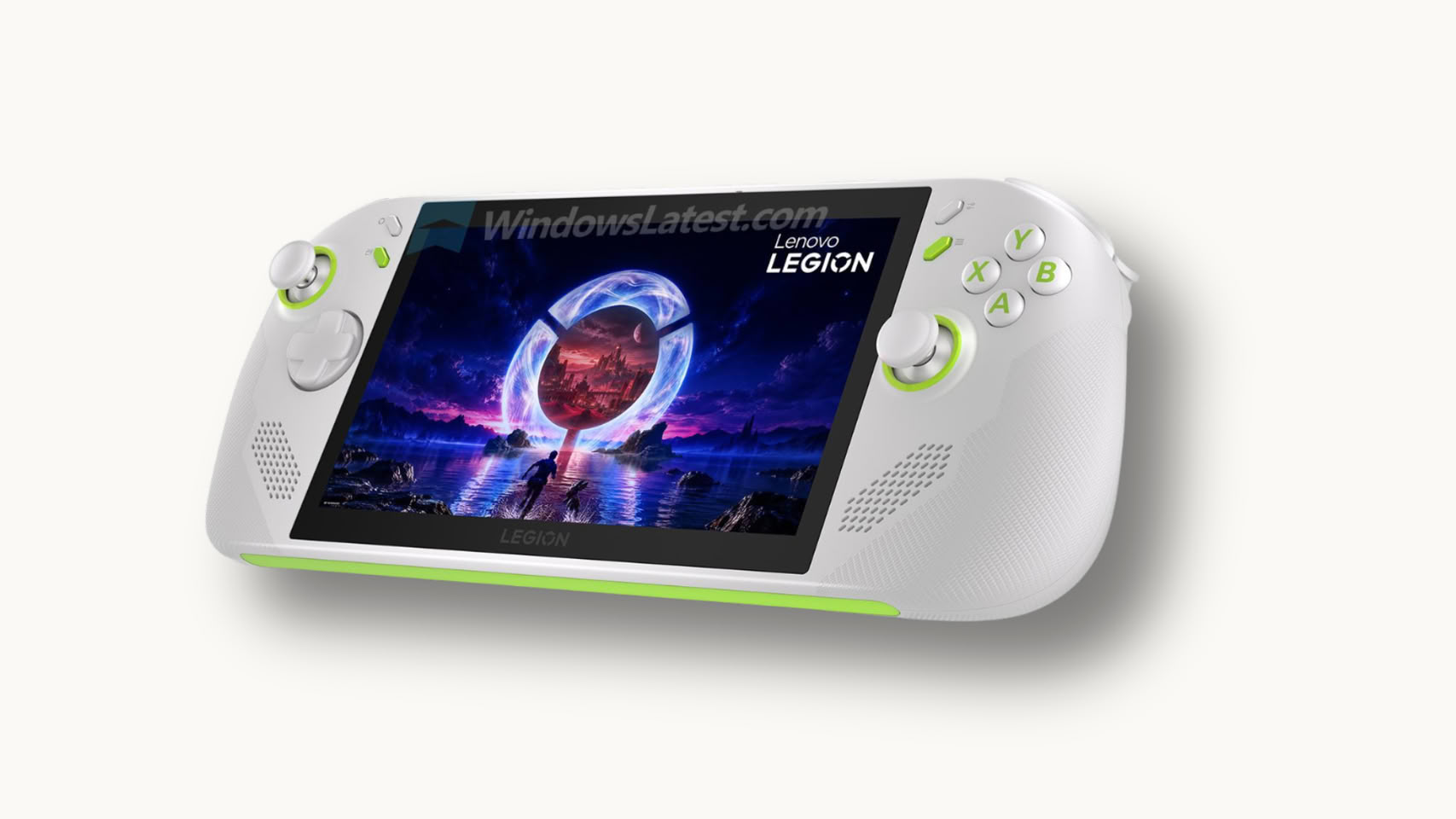
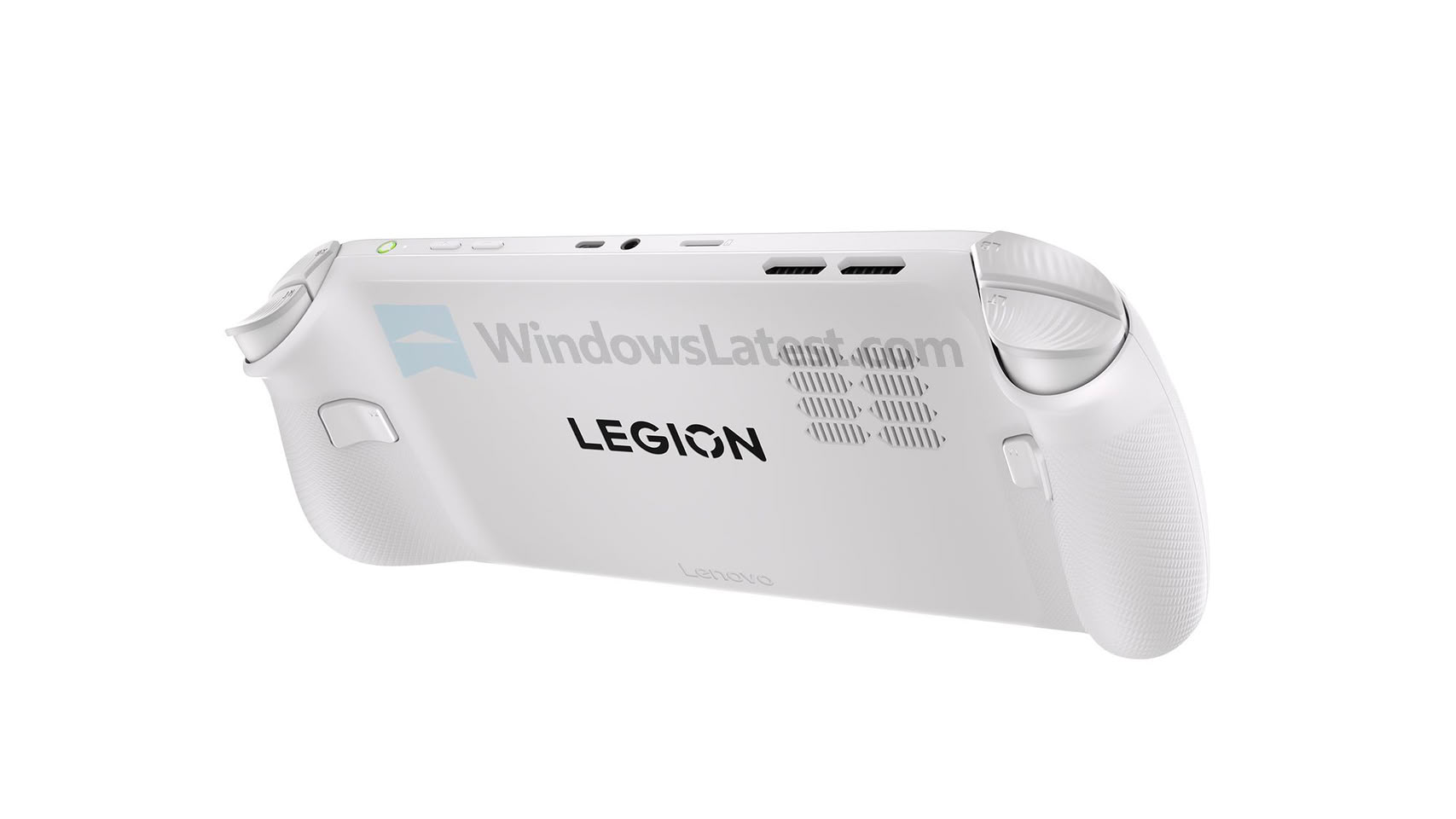
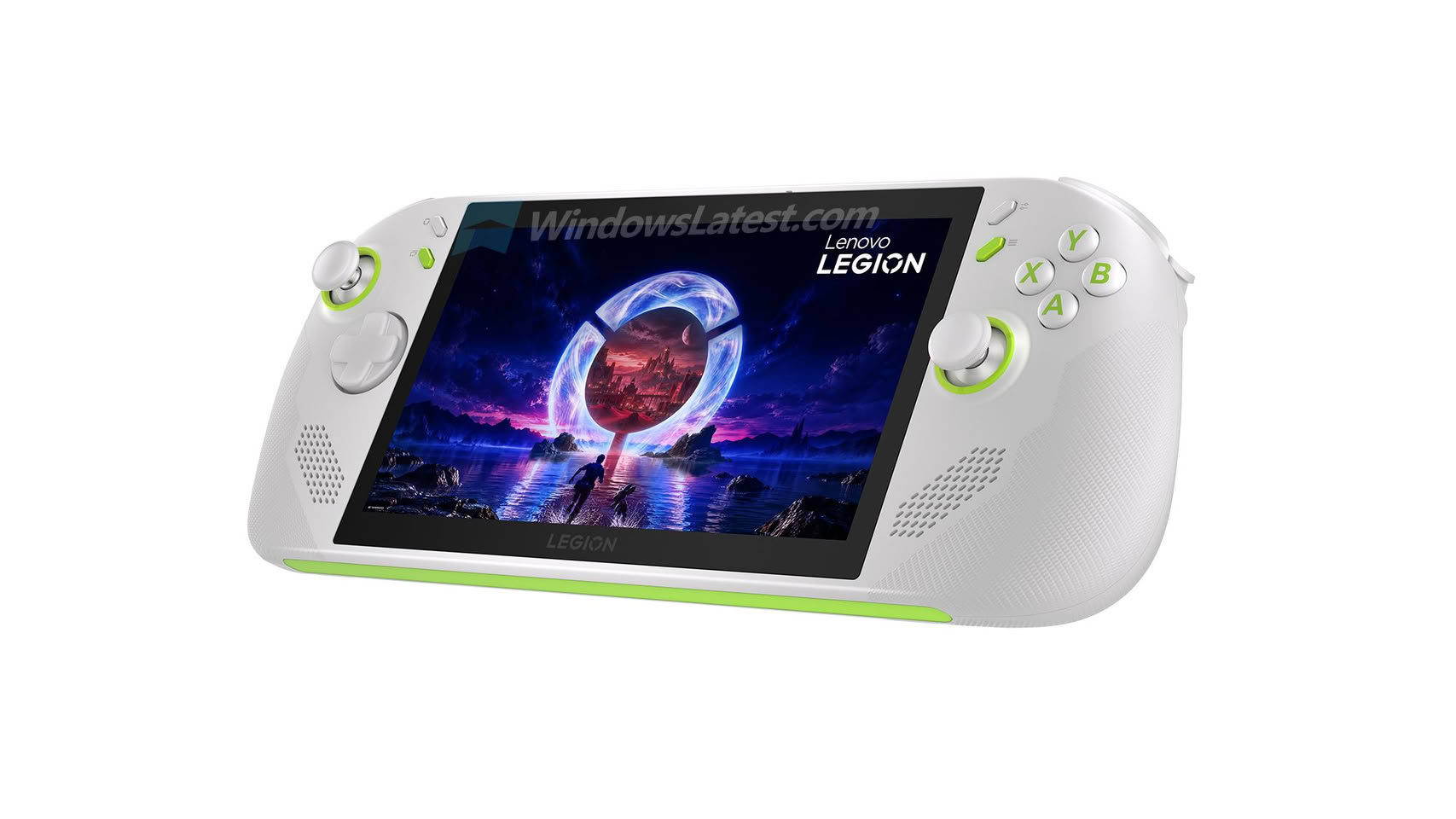
Judging from the exposure pictures, Legion Go Beam uses a white body with eye-catching fluorescent green decoration around the rocker and the bottom of the body. The overall shape is relatively close to the Legion Go S, but the edges of the fuselage are more rounded, the grip area is textured, and the front stereo speakers are arranged under the grips on the left and right sides.
The most obvious change is that Lenovo has canceled the highly recognizable touchpad of the previous Legion Go series. Legion Go S is equipped with a small touchpad under the right joystick, which can simulate mouse operations in the Windows desktop environment. This design is no longer visible in the exposure pictures of Legion Go Beam. For users who mainly operate games through controllers, the impact of this change may be limited, but if they need to frequently use the Windows desktop, browse the web, or operate traditional PC software, the lack of a trackpad will undoubtedly reduce convenience.
In terms of control layout, the new machine adopts the traditional Xbox style button arrangement, equipped with circular direction keys, ABXY buttons, dual joysticks and four shoulder buttons. There are two additional customizable buttons on the back of the fuselage, one on the left and one on the left. Unlike some previous Legion Go products, Beam seems to use a non-detachable integrated controller, so it may no longer support detachable handles and FPS mouse mode.
In terms of screen, the Legion Go Beam seems to have changed from the 16:10 ratio of the Legion Go S to a more traditional 16:9 ratio. Exposed pictures show that the upper and lower borders of the new phone's screen are significantly wider, especially the lower border, which is even enough to accommodate the Lenovo Legion logo. This design may help reduce screen and body structure costs, but it also means a decrease in screen-to-body ratio.
Interface configuration has also been streamlined. The picture shows that there is only one USB-C interface on the top of the fuselage, while the Legion Go S is equipped with two USB-C interfaces. In addition, the new phone also retains the 3.5mm headphone jack and microSD memory card slot. For users who need to connect a power supply, external monitor or other USB devices at the same time, missing a USB-C port may cause some inconvenience.
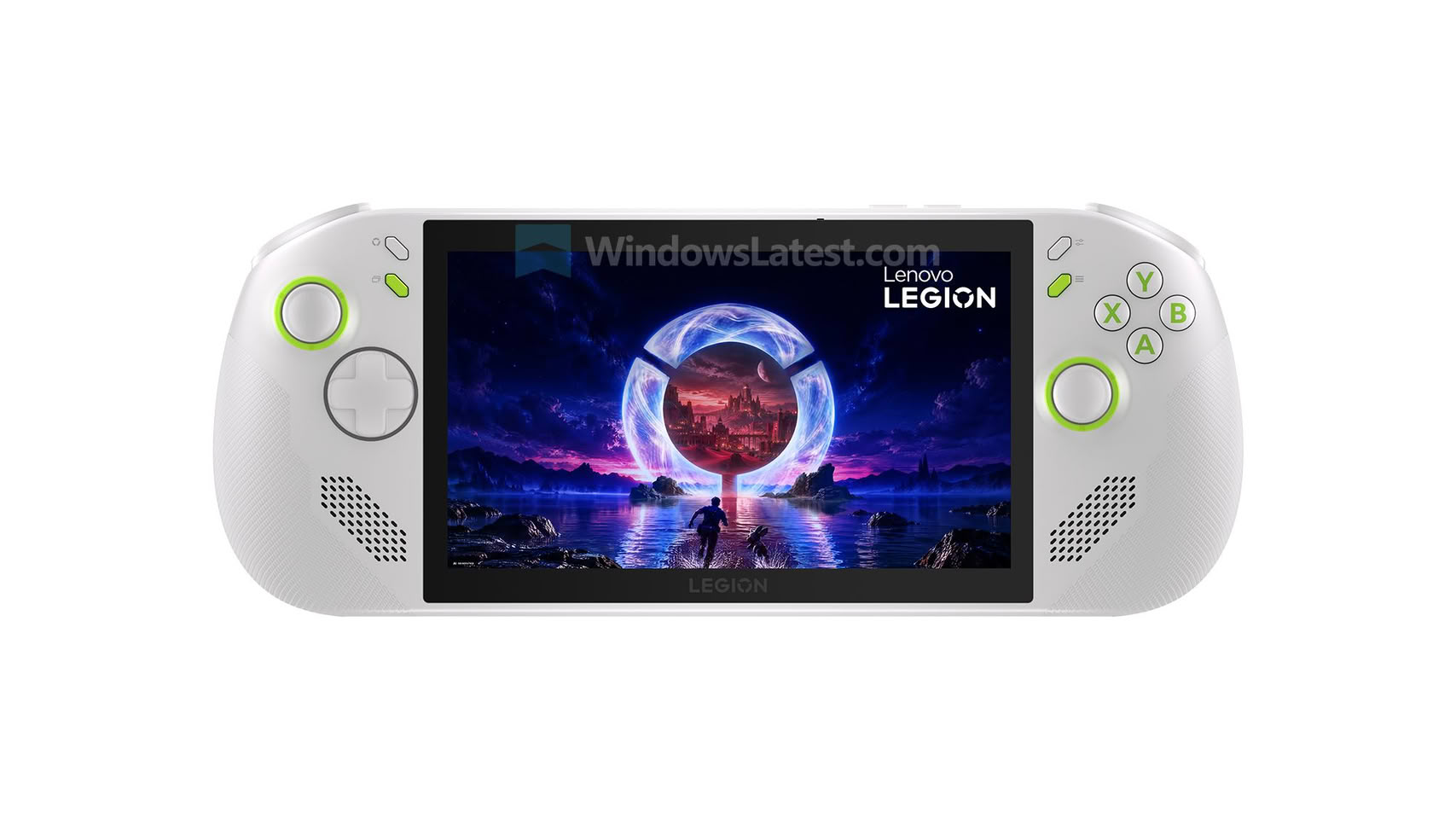
Thermal design is also worth noting. The exposed pictures show that there is a heat dissipation air inlet on the back of the fuselage, and the exhaust structure can be seen on the top, but the overall heat dissipation opening seems to be simpler than that of high-end models. It's unclear what processor, cooling module and fan specifications are used inside, so it's impossible to tell whether it will make any significant compromises in performance.
As for the processor, there is currently no reliable information to confirm the specific model. AMD's next-generation Ryzen Z series handheld processors and Intel's Panther Lake platform have both appeared in relevant discussions, but there is currently no evidence that Legion Go Beam will adopt either solution. Key specifications such as memory capacity, storage configuration, battery capacity and screen refresh rate have not yet been exposed.
There are also questions about the operating system. Lenovo's current handheld product line involves both Windows and SteamOS, and the exposed pictures do not show an obvious SteamOS logo, so some people believe that the new machine may use Windows 11. However, the final system version cannot be determined based on the appearance pictures alone.
Another source of discussion is the word Beam in the product name. Since this device adopts a relatively simple heat dissipation structure, some people speculate that Lenovo may position it as a cloud gaming or streaming game handheld device, which mainly transmits game images to the device through the network, rather than relying entirely on local hardware to run large games. The green light on the white body also reminds some people of the Xbox ecosystem, and even speculates that it may have some kind of partnership with Xbox Cloud Gaming.
However, these are currently just speculations based on product appearance and name. The green light may be just a decorative design, and Beam may be just an ordinary product name. Lenovo has not confirmed its cooperation with Microsoft Xbox or cloud gaming services.
In terms of price, Lenovo has not released any information, but judging from the simplicity of the hardware configuration, the Legion Go Beam is likely to be placed under the Legion Go S and become the cheaper entry-level model in the series.
In recent years, the handheld gaming PC market has been affected by rising prices of memory and other key components, and product prices have continued to rise. The original announced starting price of Legion Go 2 was US$1,099, but as the cost of memory increased, the actual selling price in some markets has been much higher than this level. The Legion Go S has also been unable to maintain the affordable price originally expected.
In such a market environment, launching a product with more streamlined configurations may be a way for Lenovo to expand its potential user base. For consumers who don’t need detachable handles, high-spec screens and rich interfaces, a significantly lower-priced Legion Go handheld console may be more attractive.
Lenovo has chosen to showcase new gaming hardware at the CES Consumer Electronics Show held in January every year many times in the past, so CES 2027 may become the time window for the official debut of Legion Go Beam. However, there is no official confirmation yet, and even if it is released by then, it does not mean that the product will be available immediately. It also took several months for some of Lenovo's handheld devices to actually enter retail channels after being announced.
Currently, Legion Go Beam is still an unreleased product in the exposure stage. Whether it is a low-priced handheld machine with local PC games at its core, or a device that is more focused on cloud game streaming, remains to be determined after Lenovo announces full specifications.
Comments