
Abstract:
LG and Samsung are exploring a new way of doing laundry: using liquid carbon dioxide instead of water to wash clothes and allowing them to dry almost immediately after the wash. The two companies have submitted relevant patents respectively, hoping to bring carbon dioxide cleaning technology, which is currently mainly used in industrial laundry scenarios, to ordinary households.
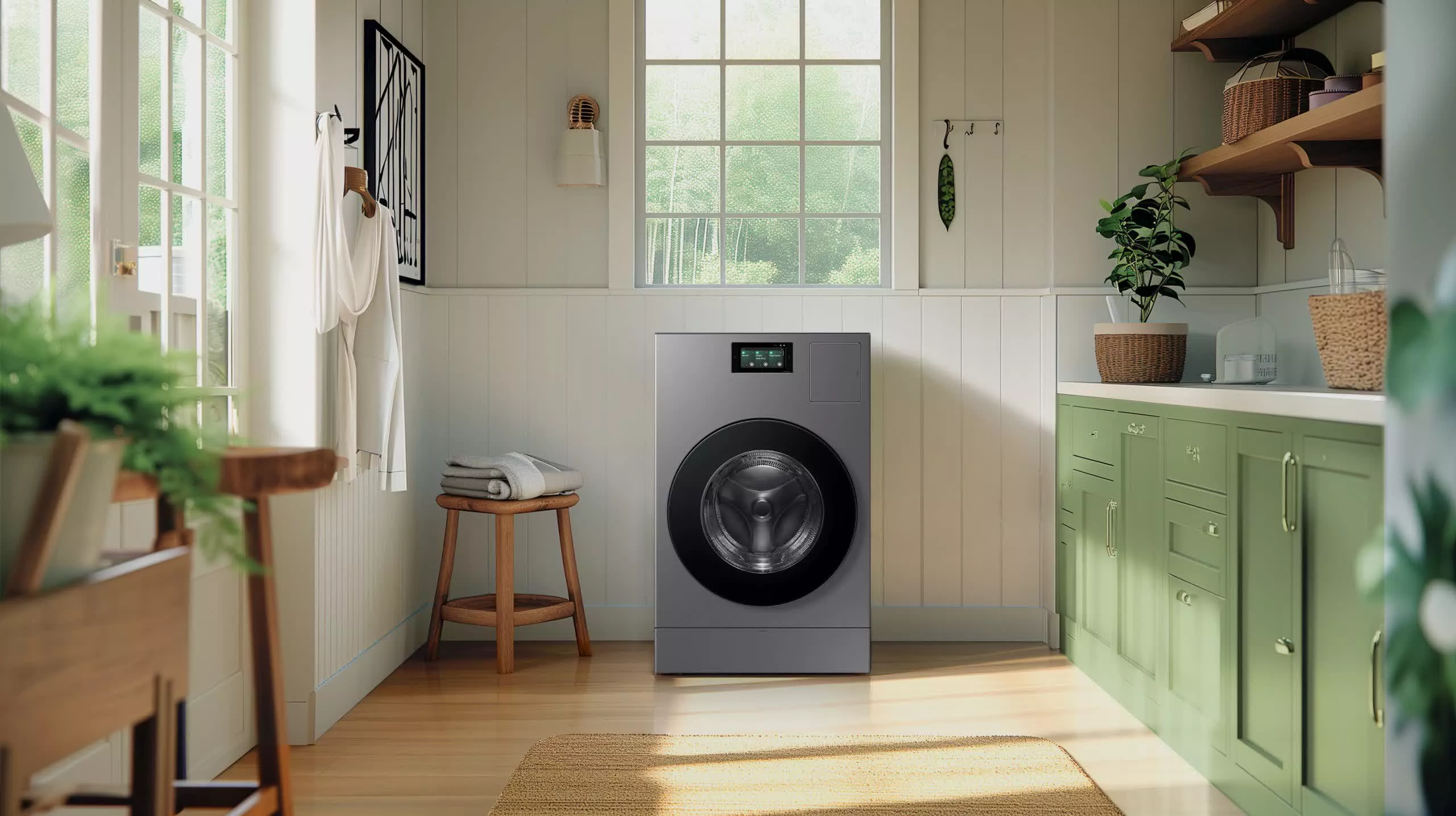
No matter how efficient a traditional washing machine is, it still needs to inject a large amount of water into the drum; after washing is completed, the dryer also needs to heat the clothes to evaporate the water. Carbon dioxide cleaning technology attempts to eliminate these two links at the same time. At a pressure of about 900 pounds per square inch, carbon dioxide turns into a thin liquid that penetrates fabric fibers, carrying away grease and dirt. When the wash cycle is complete and the pressure is reduced, the liquid carbon dioxide changes directly back into gas, so the clothes dry almost instantly.
During the cleaning process, the filter removes dirt from the carbon dioxide, allowing more than 90% of the carbon dioxide to be recovered and used for the next wash. The technology is not a new concept: Colorado-based Tersus Solutions has been making such equipment since 2009, and is currently used primarily to clean outdoor clothing and firefighter gear contaminated with harmful residues. The company's larger units are about 10 feet square and can handle up to 85 pounds of laundry at a time. According to Tersus, this equipment can save about 300 gallons of water per wash compared to traditional washing methods.
However, skipping the drying step does not result in the huge energy savings that one might expect. The reason is that the purification and recycling process itself consumes a lot of electricity in order for the CO2 to be recycled. The California Energy Commission released a report on a U.S. Navy test. The results showed that the energy consumption of this system was about 15% lower than that of a washer and dryer combination commonly used in laundromats, but it was roughly equivalent to the energy consumption of large industrial washing equipment.
Nonetheless, the speed advantages of this technology are clear. The report states that it only takes about 45 minutes to process 75 pounds of clothing from washing to drying.
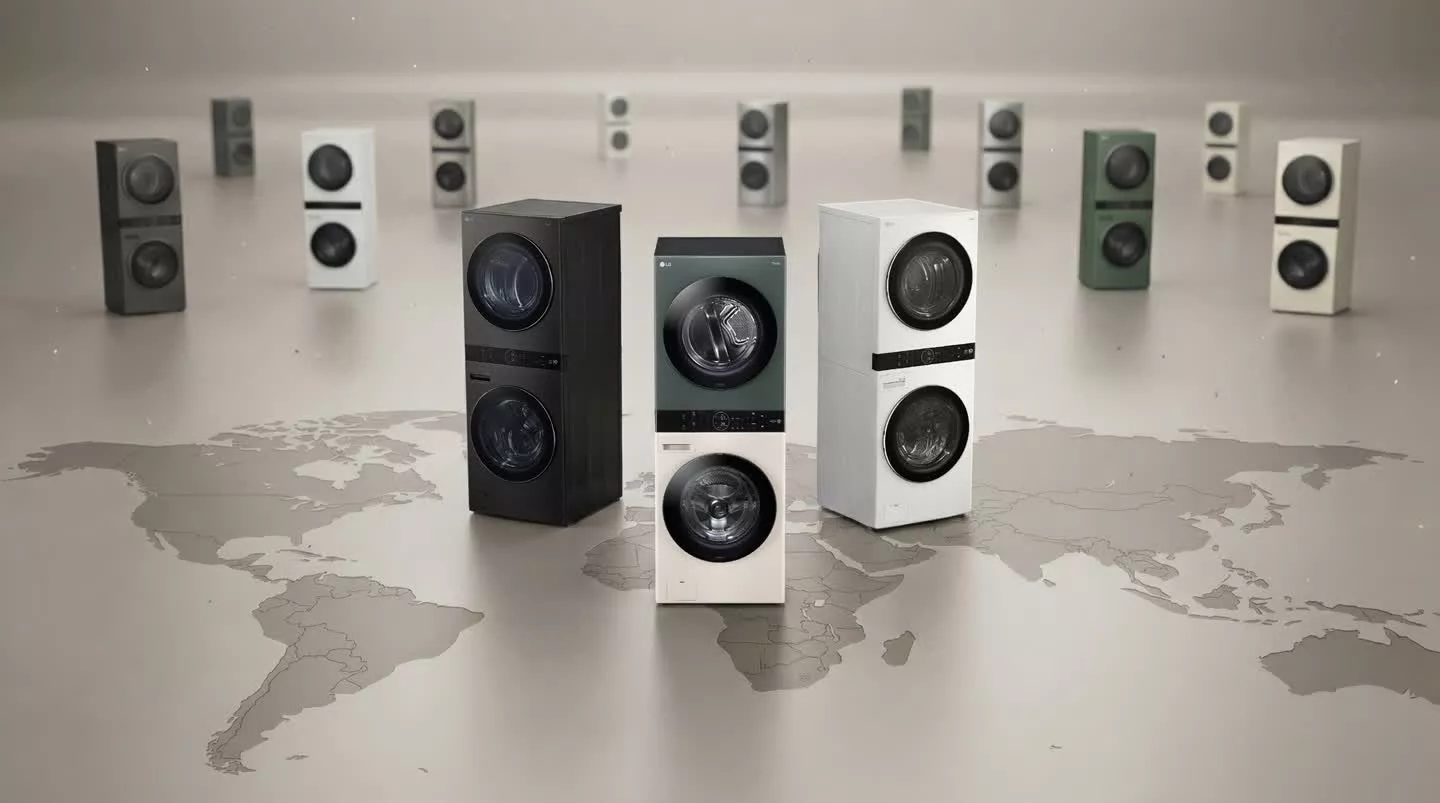
This technology still faces considerable engineering challenges before entering the home. Household appliances must house the entire high-voltage system in a body similar to that of a traditional washing machine. In addition, carbon dioxide itself is difficult to remove water-soluble stains such as sweat stains, so LG’s patent solution proposes adding detergents and other additives during the cleaning process; Samsung’s solution is to mix carbon dioxide with other solvents to reduce the pressure required for equipment operation. However, according to relevant reports, some of the mixed solvents contain PFAS, which are substances often called "forever chemicals," which may cause environmental and health concerns.
Another practical issue is frequency of use. The average household typically only does laundry a few times a week, and the carbon dioxide that must be pressurized and recovered for each wash may be far less efficient than industrial equipment that operates continuously throughout the day. Because of this, Tersus is currently more optimistic about scenes such as dry cleaners and apartment buildings. The California Energy Commission report also found that one CO2 cleaning unit can replace two to three commercial washer and dryer combinations.
From industrial laundry plants to home bathrooms or balconies, carbon dioxide washing machines still need to cross multiple thresholds such as cost, size, safety and chemical use. But the patents from LG and Samsung show that the appliance giants are getting serious about a technology that could revolutionize the way you do laundry: without a drop of water or a dryer.
Comments