
Abstract:
A long-term test on the durability of OLED TVs shows that in addition to the risk of screen burn-in that is well-known to consumers, some WOLED TVs using LG Display panels may also face another issue that is less noticed. As the use time increases, dead pixels may gradually appear in the edge area of the screen and tend to spread from the frame to the inside.
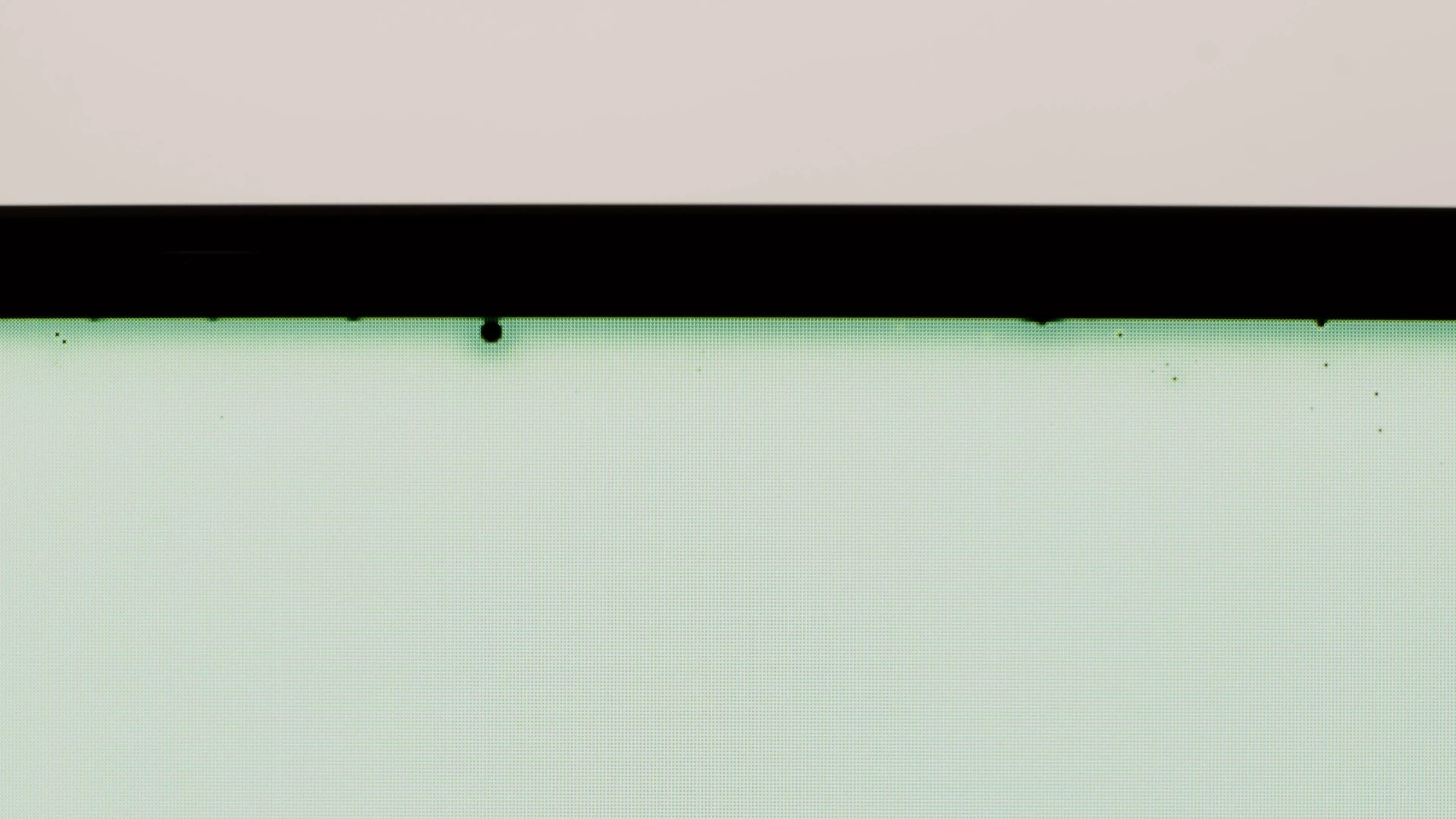
The relevant conclusion comes from the accelerated life test conducted by the evaluation agency RTINGS. The testers kept the TV running until the cumulative operating time reached 18,000 hours, which is roughly equivalent to about ten years of normal use in American households. Of the 16 WOLED TVs launched between 2020 and 2023, 14 suffered from a phenomenon known as "edge corruption." The manifestations range from sporadic dead pixels to patches of dark areas at the edges of the screen.
Research points out that this problem is different from the traditional screen burn-in phenomenon. Screen burn-in is usually related to long-term display of fixed image content, while edge corruption has nothing to do with the content played, so even if users frequently watch different types of programs, the problem cannot be effectively avoided.
RTINGS speculated after consulting industry experts that the problem may be related to the thin-layer structure used for sealing protection on the periphery of the OLED panel. If there are minor flaws in the sealing layer, moisture may seep into the interior of the panel over time, eventually causing pixel damage in the edge areas.
Test results show that early panels are most obviously affected. Among the 10 TVs using LG Display’s early WBC panels, only the LG A2 released in 2022 had no related problems. For consumers considering buying a used LG CX or LG C1 TV, the researchers recommend displaying a solid white or solid gray screen and carefully examining the edges of the screen for dark spots or unusual areas before making a purchase.
The situation of products using new generation WBE panels has improved slightly. Due to the use of deuterium-enhanced OLED light-emitting materials, the durability of this type of panel has been improved. However, among the 6 test models equipped with WBE panels, 5 still suffered varying degrees of damage. Only the 2023 LG G3 remained in good condition after the test.
In contrast, the three QD-OLED TVs produced by Samsung Display in the test did not have any dead pixel problems. Their only observed flaw was screen burn-in caused by playing the CNN channel for extended periods of time.
In response to the test results, LG told RTINGS that only a very small number of OLED TVs may experience similar situations, and it usually occurs after long-term exposure to relatively harsh environmental conditions such as high temperature and high humidity.
It should be noted that this test does not cover new products launched in 2024 and beyond. However, since the problem has appeared in multiple samples, RTINGS has decided to give all WOLED TVs a slight deduction in the latest "expected reliability" score until future long-term data can prove that this hidden danger has been resolved.
Currently, RTINGS is conducting a new Longevity 3.0 test project, which has incorporated LG Display’s latest Tandem WOLED panels, including products such as LG G5 and LG G6, to further observe whether the new generation technology can eliminate related problems.
The report also noted that since edge corrosion often takes years to develop, warranty policies are particularly important. In the U.S. market, LG provides a five-year panel limited warranty only for G series, Z series and M series TVs, and users will still need to bear the cost of repair labor after the first year. As for other products such as the C series with higher sales volume, they still use the standard warranty plan.
Comments