
Abstract:
There is a notorious "liar" in this era, Elizabeth Holmes. She once promised to use a small amount of blood from her fingertips to detect a large number of diseases, pushing the company to a valuation of US$9 billion, and was eventually jailed for fraud. Now, she is in people's sight again. Before starting her sentence on May 30, 2023, Holmes invited directors Nathan Field and Lance Oppenheim into her life and filmed. She promised the two directors: "You can see everything."
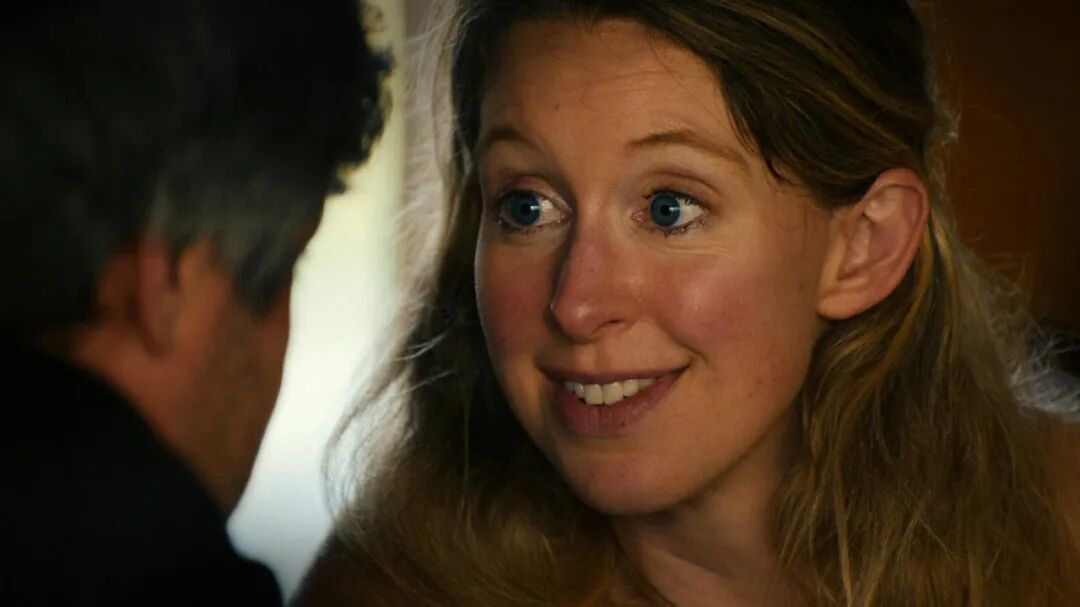
At first, both the director and the audience remembered her as a "liar". But as the camera went deeper, she became more and more like a woman controlled by a powerful partner, and even the director began to look for explanations for her. Later, the well-known actor Amanda Seyfried, who played her in "The Dropout" came to help with the filming. However, during the filming of the documentary, she became the perpetrator in Holmes's mouth, and Amanda had to defend herself.
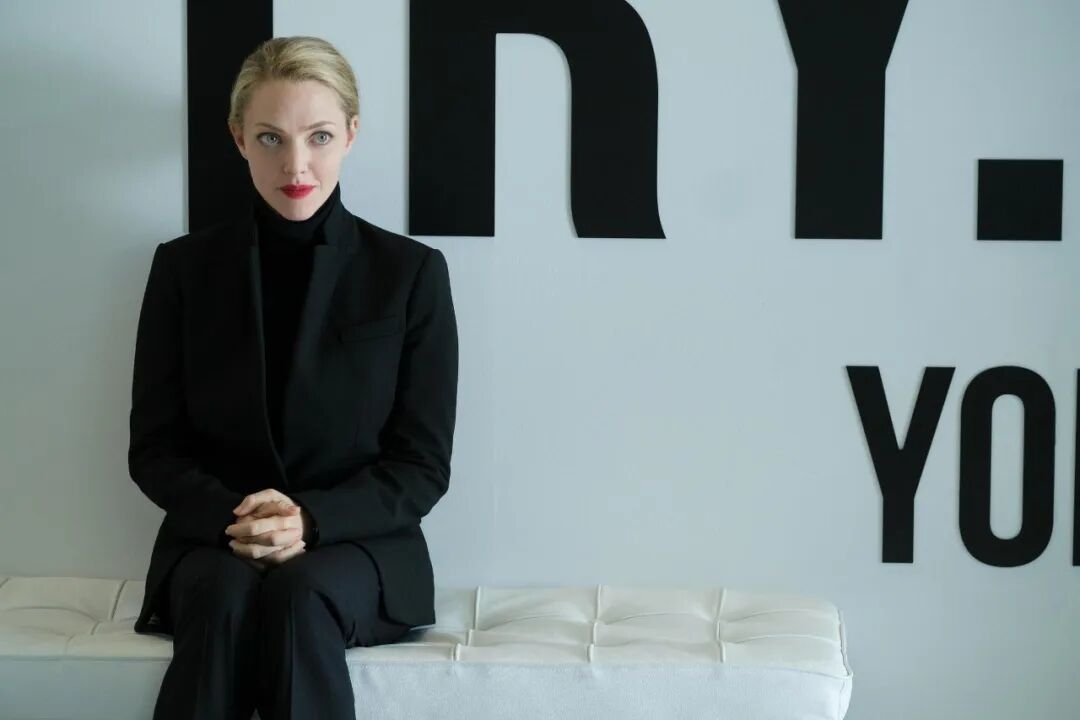
Amanda Seyfried plays Elizabeth Holmes in "The Dropout"
Almost everyone knew how she had manipulated others, yet she took a similar path of being manipulated again in the documentary.
Three years later, the film "You Can See Everything" that recorded all this was completed and released recently, becoming a rare phenomenon-level documentary in American theaters. After the film was released, it received high scores on multiple overseas scoring platforms, including a high score of 9.2 on IMDb, which is only 0.1 points lower than the highest score in film history, "The Shawshank Redemption." In addition, the film earned approximately US$15.6 million at the box office in 855 theaters during its first weekend after its release. According to the film's studio statistics, more than 2,000 screenings were sold out.
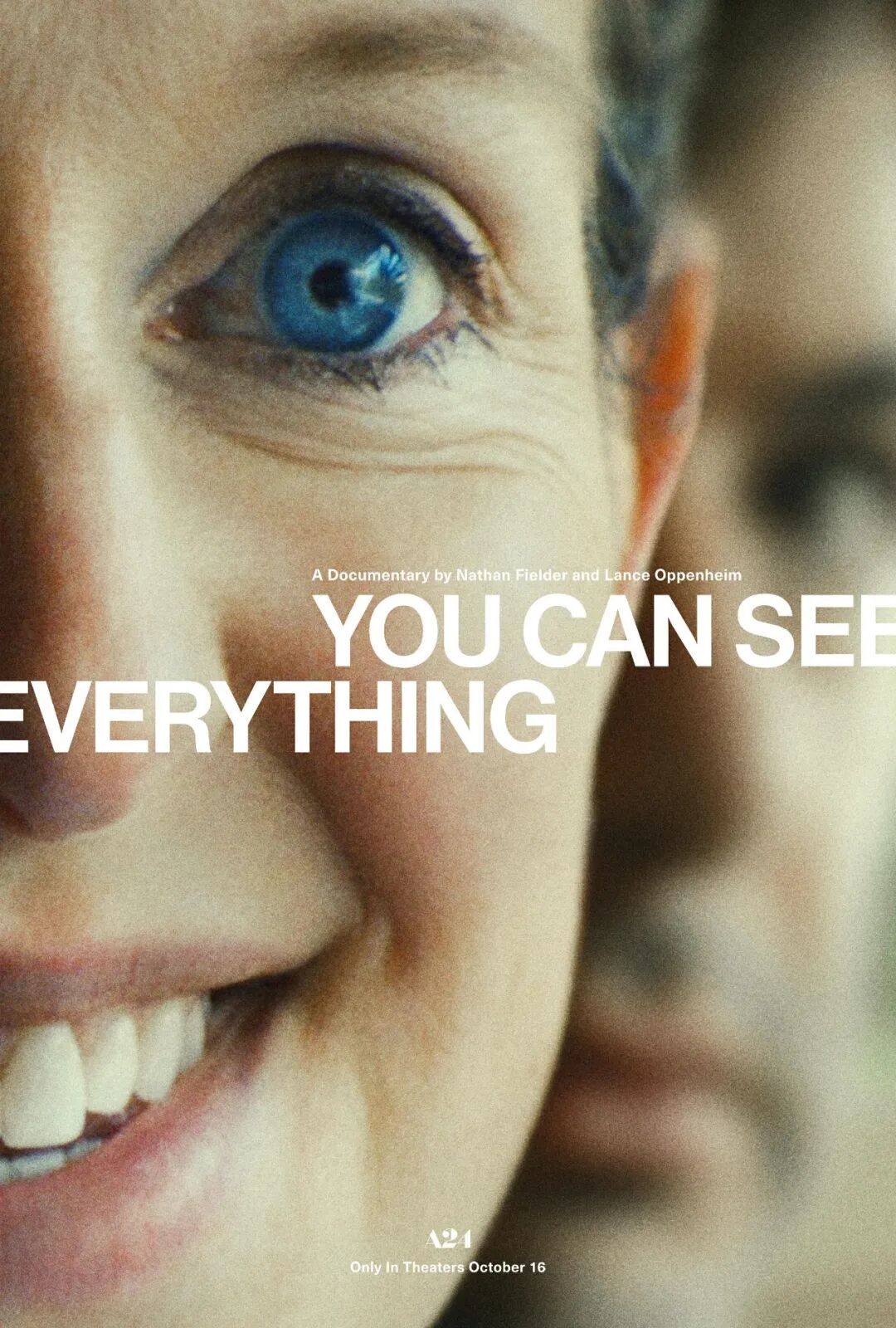
Poster of the documentary "You Can See Everything"
All this makes people curious, what kind of illusion does Elizabeth Holmes have, and why can people always believe it? If you were sitting across from her, would you believe her?
Vague lies
At the beginning of this nearly three-hour documentary, Holmes and her partner Billy both stated similar views on camera. They believed that the world was believing a story about "The Devil" Holmes, but that story was not true.
At that time, Holmes had been sentenced to eleven years and three months in prison and was about to go to prison. Both of her pregnancies overlapped with key points in the criminal proceedings. In 2021, the first child was born, and the trial was postponed. When she was sentenced in 2022, she was already pregnant with her second child. By the time he was imprisoned in May 2023, his daughter was only a few months old.
What brought her to this point was a promise known to many people: just take a little blood from your fingertips and put it into a small machine to complete a large number of disease tests. If this were true, blood draws could be less painful, tests could be cheaper, and many diseases could be detected earlier. In 2014, the 30-year-old Holmes appeared on the cover of a business magazine with it, and the company she founded, Theranos, was valued at US$9 billion. She wore a black turtleneck and spoke in a low voice. People quickly found a familiar name for her, "Female Steve Jobs."
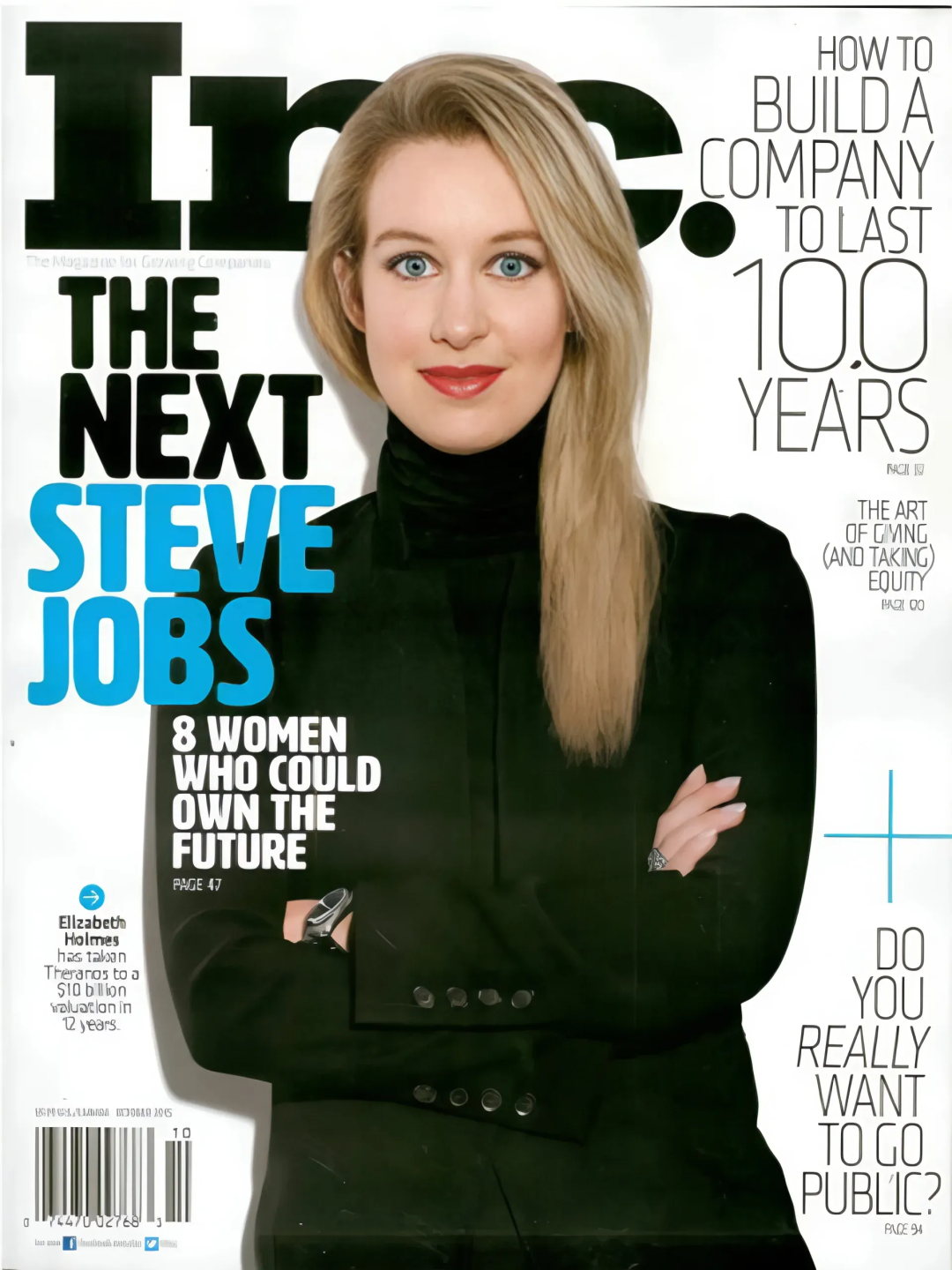
Holmes on the cover of Inc. magazine in 2015, with the title "The Next Steve Jobs"
This is not just a money game. As early as 2013, Theranos cooperated with the American pharmacy chain Walgreens to begin providing testing services to ordinary people. People paid money thinking they were getting more advanced medical care, but instead they were shocked.
A pregnant woman had already experienced three miscarriages before receiving the Theranos test. The Theranos test results made her think that the baby could not be saved at that time, but re-examination by other laboratories showed that her pregnancy was normal. She later gave birth to a healthy daughter and recounted the experience at Holmes' trial.
People inside the company know that machines are not that magical. The tests it can perform are limited, and the results are unreliable. A large number of tests must be completed by traditional equipment from other companies. Investors, however, saw reports with the logos of well-known pharmaceutical companies and thought that the technology had been recognized. The presence of political and business figures on the board of directors makes this story even more believable.
Why do so many smart people believe her? Silicon Valley worships geniuses, and capital is afraid of missing out on the next Steve Jobs. There is another thing that is equally important. It is too difficult to understand the technology, but it is easy to understand who invested the money. When big shots believe in her, investors feel it is worth placing a bet, and the company has a reason to be reported by the media after receiving investment. Latercomers who read the report think that the people in front have completed the verification, and thus generate trust.
Everyone refers to each other's judgments, but misses the core issue of whether the technology can be used. Employees who knew the truth were threatened with confidentiality agreements and lawsuits. Outsiders who wanted to know about the technology were told by her that it involved trade secrets, forming a technical black box.
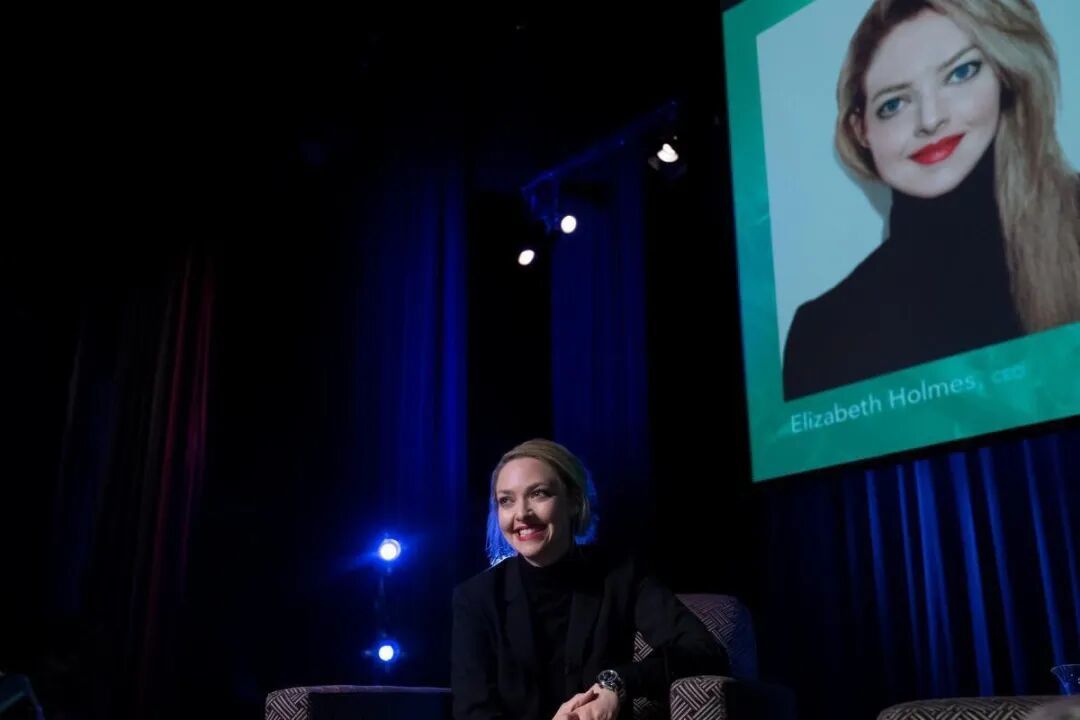
Stills of "The Dropout"
It wasn’t until the Wall Street Journal published a report in October 2015 that issues that had been suppressed within the company finally came into public view. In 2022, a jury convicted Holmes of four counts of fraud related to investors, and she was acquitted of some criminal charges against the victimized patients. But this does not mean that the technology was established.
"I know I didn't commit a crime." Holmes answered in the documentary, as if all that was needed was a re-explanation.
She took out the machine that can "drop blood to detect cancer". They never even planned to stop researching it. According to her, the machine created by Theranos is a platform that can run chemical reagents according to different instructions to complete the detection of different diseases.
The director tried to confirm: the equipment is one thing, the chemical method required for specific detection is another. For those tests that have not yet been successfully developed, is the equipment only a theoretical possibility? Holmes answered "yes" and emphasized that he invented a platform that can complete these tests.
The director asked her if she understood that when most people hear "this device can do any test," they will understand that it can already do it. Holmes argued that the company has provided information on which tests have been developed and which are still in development.
The conversation went around for a few rounds before the audience understood that it was like claiming to have built a vending machine that can cure diseases. All it takes is developing an effective medicine.
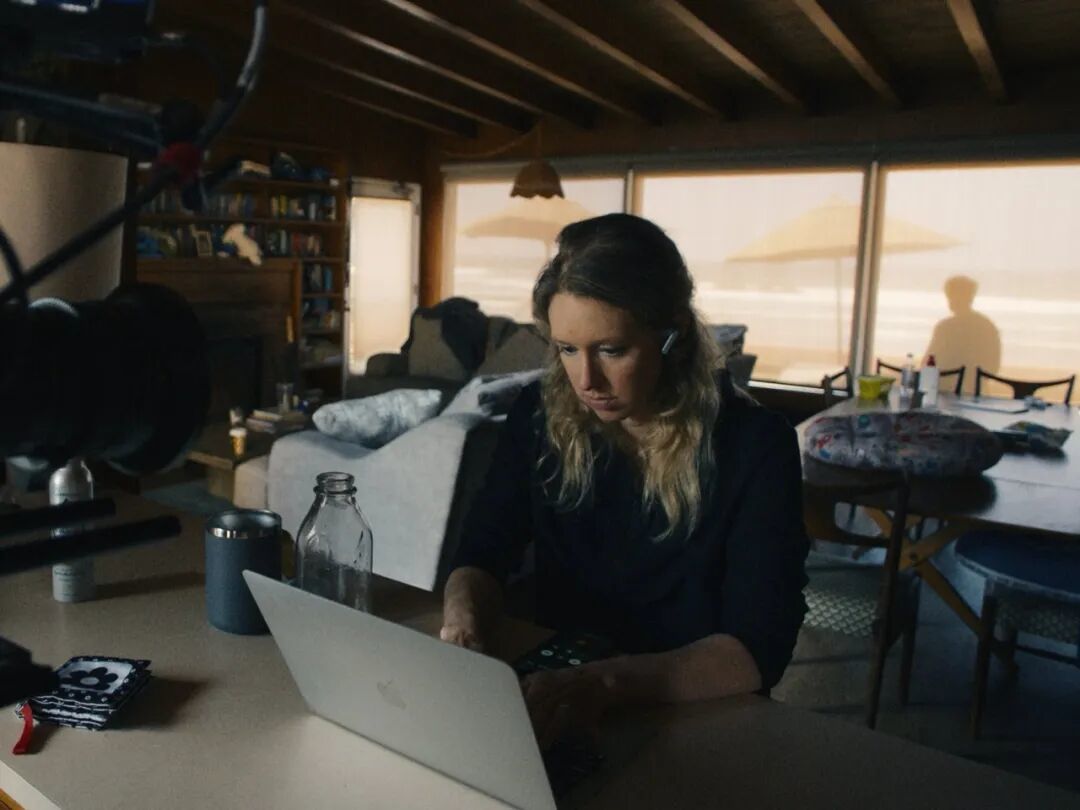
Holmes in the documentary "You Can See Everything"
"Fake it till you make it" is a common Silicon Valley style. Someone in the film used Musk as an example to explain that entrepreneurs will also say things that have not yet become reality at the time, and capital can be paid in advance for the future. But investing in the future and thinking you are buying something that already exists are two different things, and this distinction cannot be erased.
In the entire tug-of-war on related topics, Holmes' crime seems to stem from a deviation in expression and understanding. Holmes believed that what she had been saying was an achievable ability, but others thought it was a achieved result. She believed that she was not lying but was just misunderstood.
But in another conversation, the director asked her if she had ever lied? She denied it.
"You have never said anything untrue in your life? Not even a white lie?" the director asked.
"I don't know. Maybe as a kid, but I always try to say what I believe in," Holmes replied. The director asked her how she defined a lie. Her response was to deliberately tell something she believed to be untrue.
What she said "never lied" kept increasing the qualifications. What happened when she was a child is another matter, and white lies are another matter. In this definition, as long as she believes in her own explanation enough, she can still consider herself honest.
Who is in control
At the beginning of the film, director Nathan Field was still wary. He asked Holmes why he was chosen to take the photo instead of someone who knew more about science?
He thought of General Mattis, who had been invited by Holmes to join Theranos's board of directors. That's a soldier, not a scientist. Could it be that she came to him because he didn't understand technology and couldn't question her like an expert?
But as he patted her, he began to be confused: Could she really be different from others?
To illustrate how language can cause misunderstandings, he played Holmes and Billy the comedy classic "Who's on First Base?" ", one of the baseball players was named "Who", so he asked who was on first base, but the answer was still "Who". The more the two people explained, the less clear they became.
Holmes didn't seem to get the punchline. Billy felt that this just showed that she was special: "Her way of thinking is different." Otherwise, how could a person who knew that he was deceiving be so insistent that he had never lied?
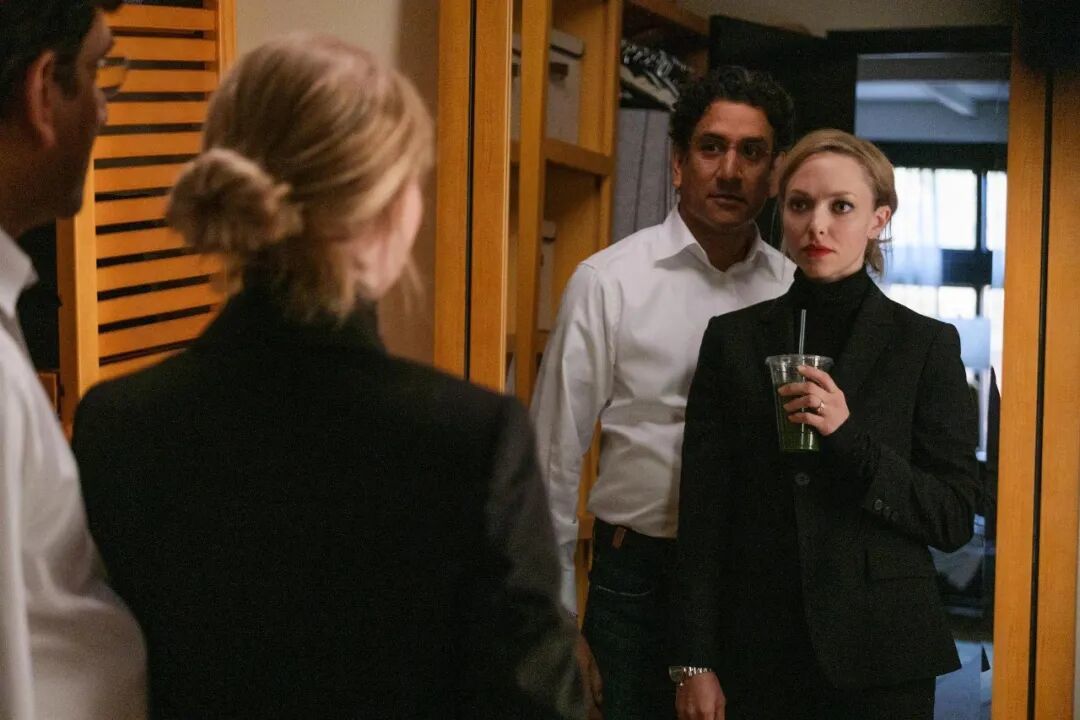
Stills of "The Dropout"
The family life in the camera seems to prove this.
Holmes was stirring eggs in the kitchen, and Billy took them and explained how to stir them better. During the interview, he would answer for her and sometimes simply stop the conversation. His impatience and strength are obvious. In contrast, Holmes always seems hesitant, like a person who can't even make the decision in his own affairs.
Her father recounted his daughter's past experiences. He believes her change began when she was sexually assaulted when she was 19. The trauma left her vulnerable, and the introduction of Sonny, who later ran Theranos with her, influenced and changed her. He still believed in his daughter and thought it might be decades before people knew the full truth.
Ramesh Sunny Balwani is 19 years older than Holmes. He was born in Pakistan and later accumulated wealth through the software business in the United States. Billy is about 8 years younger than Holmes and comes from a wealthy hotel family in San Diego, USA. Two men with such different ages and upbringings, in her story, both seemed like the one who made decisions for her.
Could she be controlled again? The less the audience likes Billie, the easier it is for her to think this way.
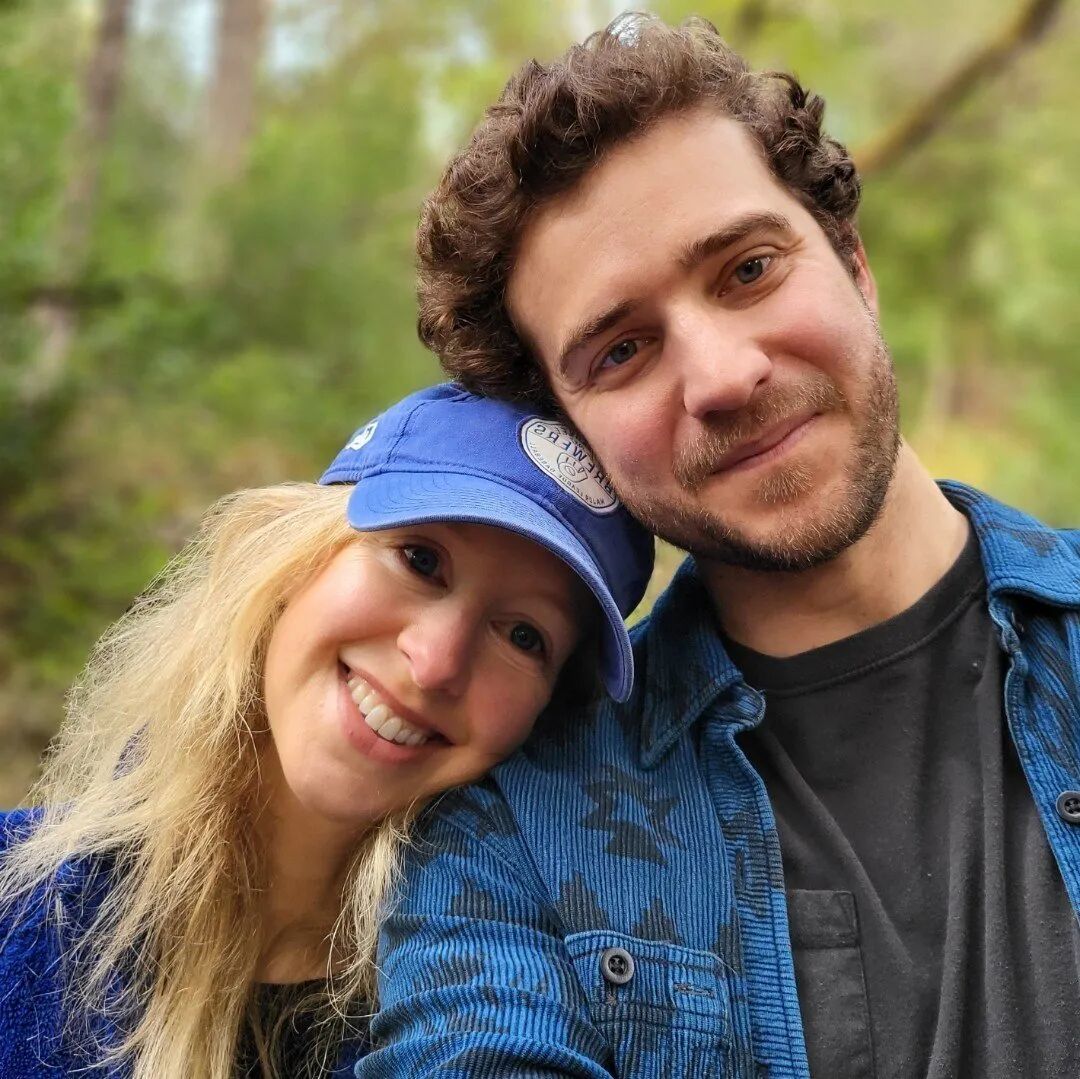
Holmes and Billy
As for money, the two people’s statements are also suspicious. Holmes said during the filming that he did not benefit financially from the documentary. Later, the director revealed that in an early meeting with the film's producer A24, she left the meeting to take care of her children, and Billy immediately offered to share in the final profits of the documentary.
Does Holmes know? If not, was Billy going behind her back and using her story to make money for himself? This is a question that runs throughout the documentary.
She doesn't want to be misunderstood, but it seems increasingly difficult to control her own image. The famous portrait that made her cry in the documentary was put up on huge billboards in many places in the United States by a supporter. The other party also hired a blonde woman to play Holmes to perform at a music club in Miami. The director asked Holmes if he agreed. Billy did not answer directly and only emphasized that the other party really wanted to help them.
According to Holmes's own description, in order to continue to accompany her children in digital images after being imprisoned, she accepted the collection of three-dimensional images, and also emphasized that she hoped that the description could be used properly. But after being imprisoned, Billy relied on the power of attorney signed by her to handle affairs on her behalf and use her social account. She wanted to explain herself to the world, but the person who spoke for her became someone else.
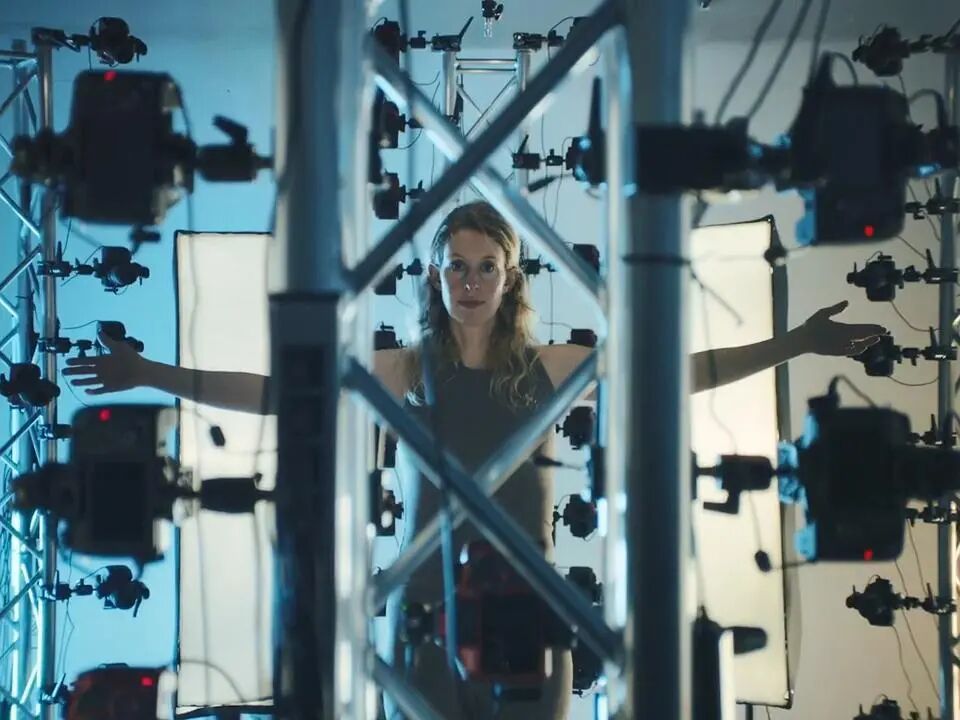
Stills from the documentary "You Can See Everything"
The director wanted more and more to bypass Billy and ask her directly. He wrote a letter to the prison, hoping to communicate with her alone and telling her that he had just gone through a breakup. But it was Billy who called later, and it was clear that Holmes told his partner. Billie asked the director what he wanted to talk about and warned him that the recording could land her in jail.
The two finally got on the phone. Holmes took the initiative to care about his love life and comforted him. He only said a few words before running out of time. He decided to visit the prison himself.
In the initial interview, the director was worried that she was taking advantage of her ignorance, but at this stage he became increasingly worried that he couldn't hear what Holmes really wanted to say.
You care about her
The addition of actor Amanda Seyfried makes things more complicated.
Since the real Holmes had been in prison during the making of the documentary and was unable to reenact some of the real events in front of the camera, Amanda Seyfried appeared and played "Holmes" again in the documentary.
She once played Holmes in the American drama "The Dropout" broadcast in 2022, and won the Emmy Award for Best Actress in the "Miniseries Unit" for this role.
She has never gotten along with Holmes and can only watch the material left by the director. She also suspected that Billy might be manipulating his partner, but she was still not sure that Holmes was completely unaware of the arrangement of the documentary's proceeds.
To help figure this out, Amanda did something she probably wouldn't have done, she went with the director to meet with Billy. She took the initiative to ask Billy why he used Holmes's social account. But Billie steered the conversation toward her previous social media controversy, saying, "Probably the last person I want to consult on this is yours." What started as a question about why he did this turned into whether she had the right to comment on him.
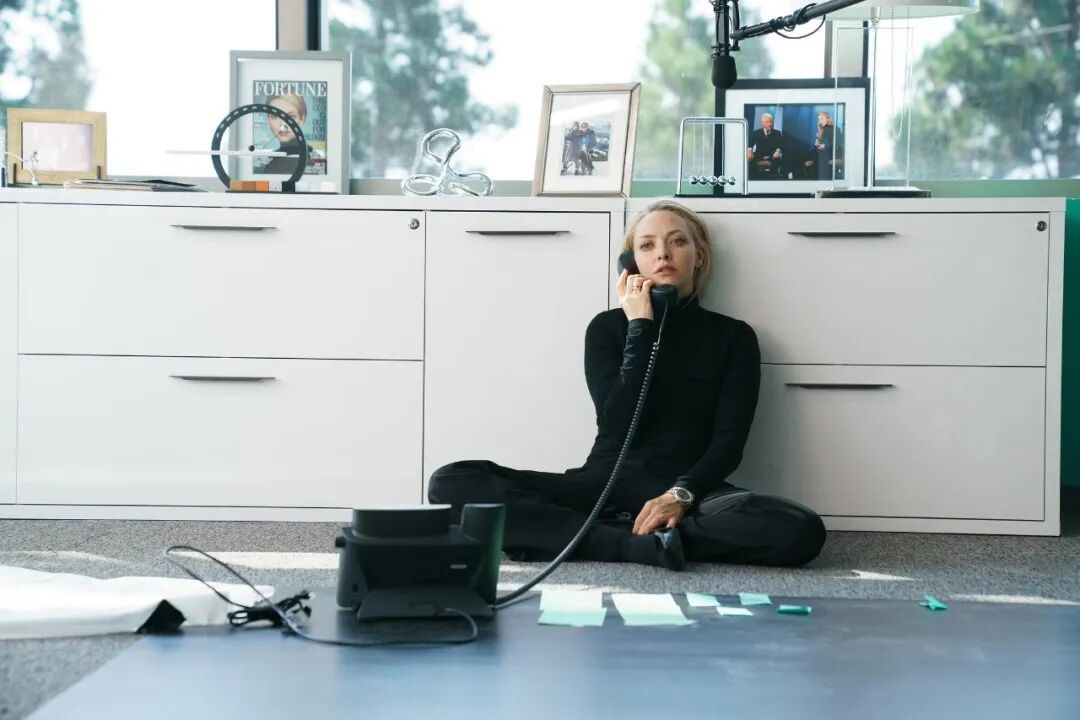
Stills of "The Dropout"
But what was really chilling was the reenactment of the prison visit that she later participated in.
According to the director's recollection, he hoped to arrive at the prison at 8 a.m., before Billy arrived at about 9 a.m., so that he and Holmes would have an hour alone. But Holmes never showed up. After waiting, there was a hug, and then he helped her buy snacks. The payment device of the vending machine showed that it was already 8:55.
He took the time to ask, but her answer was as vague as before. Regarding movie proceeds, Holmes said she and Billie's finances are separate. When it comes to accounts and digital presence, she said Billy has his own way of doing things. Her trust in her partner was deep enough that she could feel his presence beside her even when she was alone in her cell.
In the face of these "dirty jobs", she is like a woman who completely trusts her partner and leaves the decision to him. Billie later gave up the proceeds from the film, but still hasn't provided a clear answer as to how much she knew beforehand.
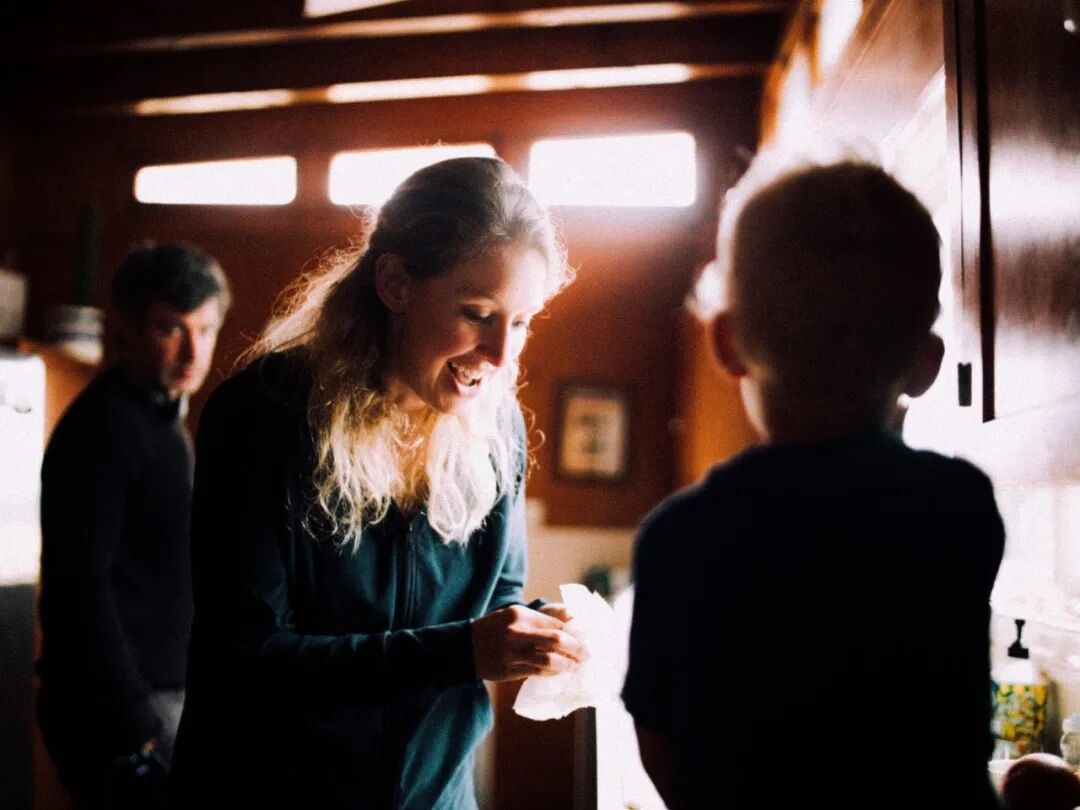
Holmes in the documentary "You Can See Everything"
There is no video of this meeting, and it can only be reconstructed based on the director's memories. During the performance, Amanda heard what she said about herself.
Holmes believed that "The Dropout" hurt herself and that some in prison treated her badly because they mistook the TV series for reality. "How can a woman treat another woman like this?" These words need to be performed by Amanda herself. She wears Holmes's messy hair, her dry lips and tired look, acting out the accusations against herself. She has never met this woman, but she has become the perpetrator in Holmes's account.
In non-acting moments, Amanda defended herself by saying that it was just a TV show, and even without the show, Holmes would still have to face the consequences of her actions. A person who came to help with the filming now had to explain to the director and the camera that he had not harmed her. How did things come to this?
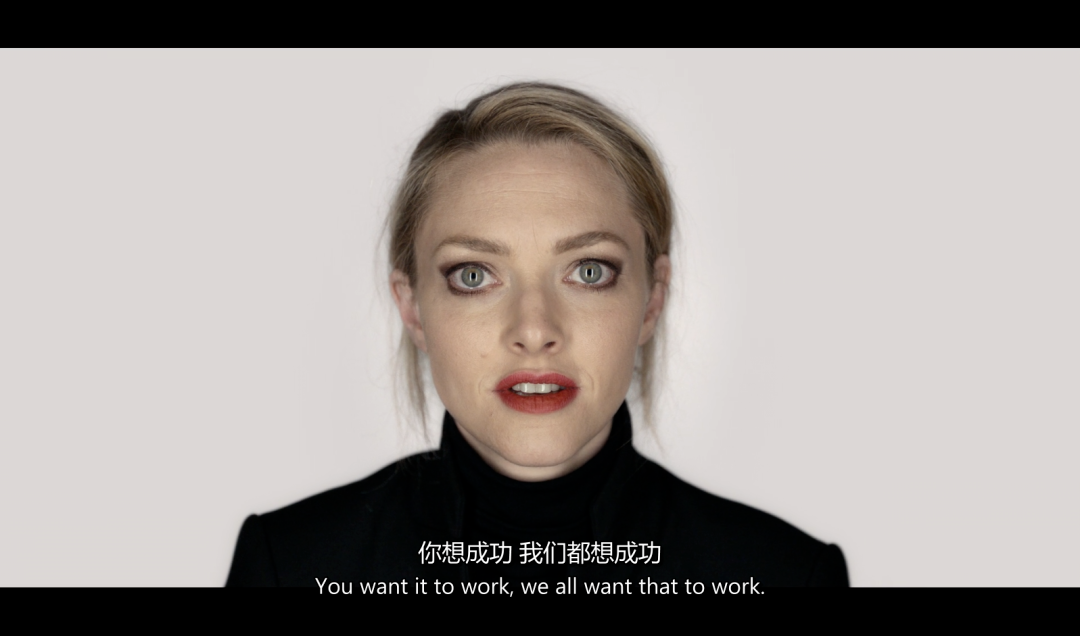
Stills of "The Dropout"
At the end of the film, Amanda asked director Nathan, "When you were alone in prison, was there a moment when she was deceiving you or trying to manipulate you, and you didn't show it in order to protect her?" She continued to explain: "Maybe you just didn't want to show content that might hurt her."
"Why would I be reluctant to present content that might hurt her?" Nathan asked.
"Because you care about her." Amanda said.
Nathan was silent for a while. He says he doesn't bring personal feelings into it, or at least is trying not to. "I just want to be accurate."
But after the silence, the movie showed another scene. While Holmes was still in jail, Nathan went to the home she and Billy rented to film. There was a sea there, and Holmes invited him to go swimming. He said the water was too cold and he didn't want to go in. But then for some reason he still wore short clothes and walked into the sea with her.
An audience member who watched the entire movie recalled that everyone would laugh out loud when Holmes cried at the beginning of the movie, but as the story progressed the theater became quiet.
Over the years, there have been so many books, documentaries and even works of fiction surrounding Holmes. People have found many reasons to explain this massive deception, and this documentary is one of them. But this time she seems to be by his side, and the audience can only find their own answers in the process.
Comments