
Abstract:
On October 27, according to Reuters, Latvia and Slovakia have recently approved Tesla’s driving assistance software, which pleased some local car owners who had previously actively promoted the implementation of this technology. However, as the technology begins to spread, its safety issues remain a concern.
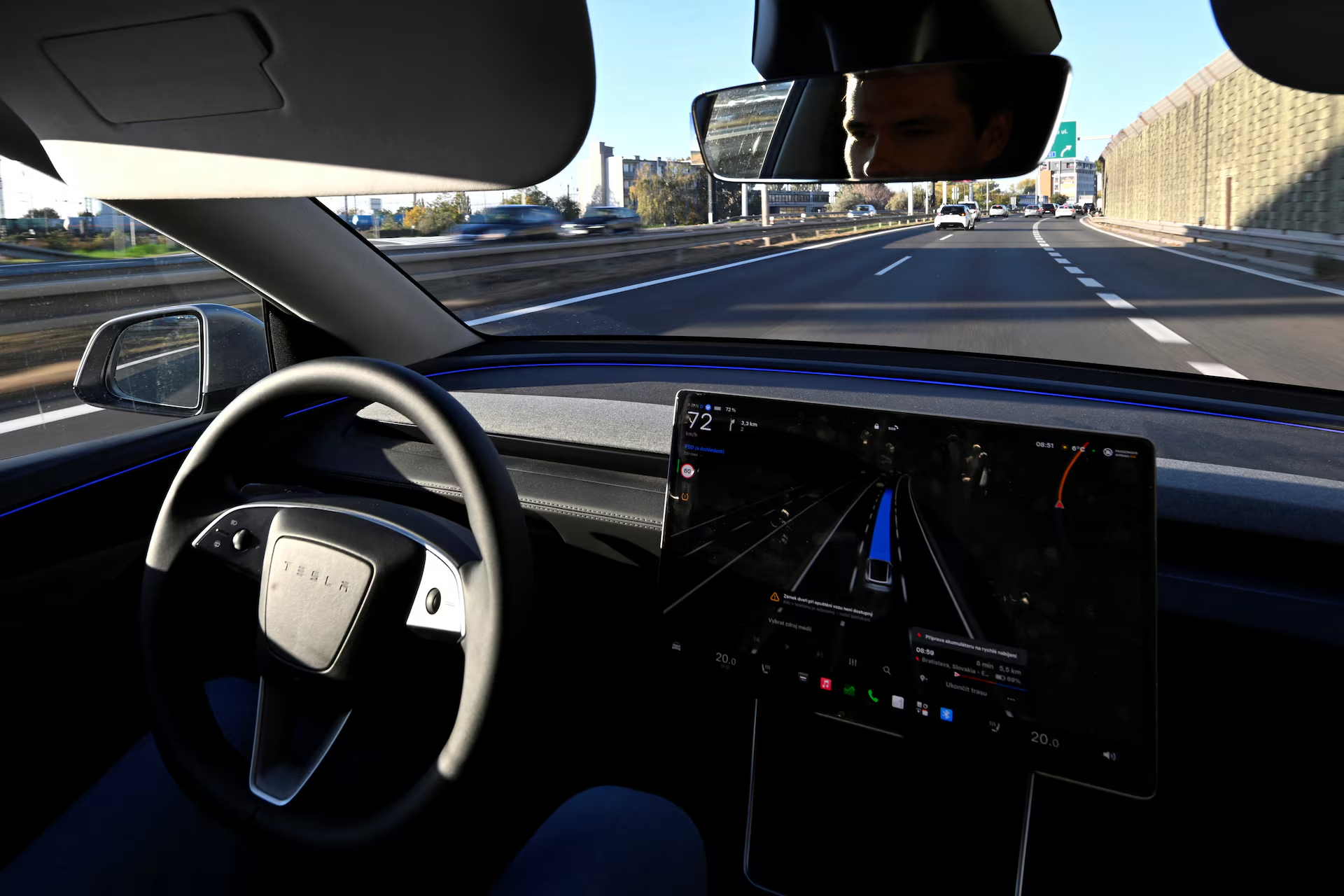
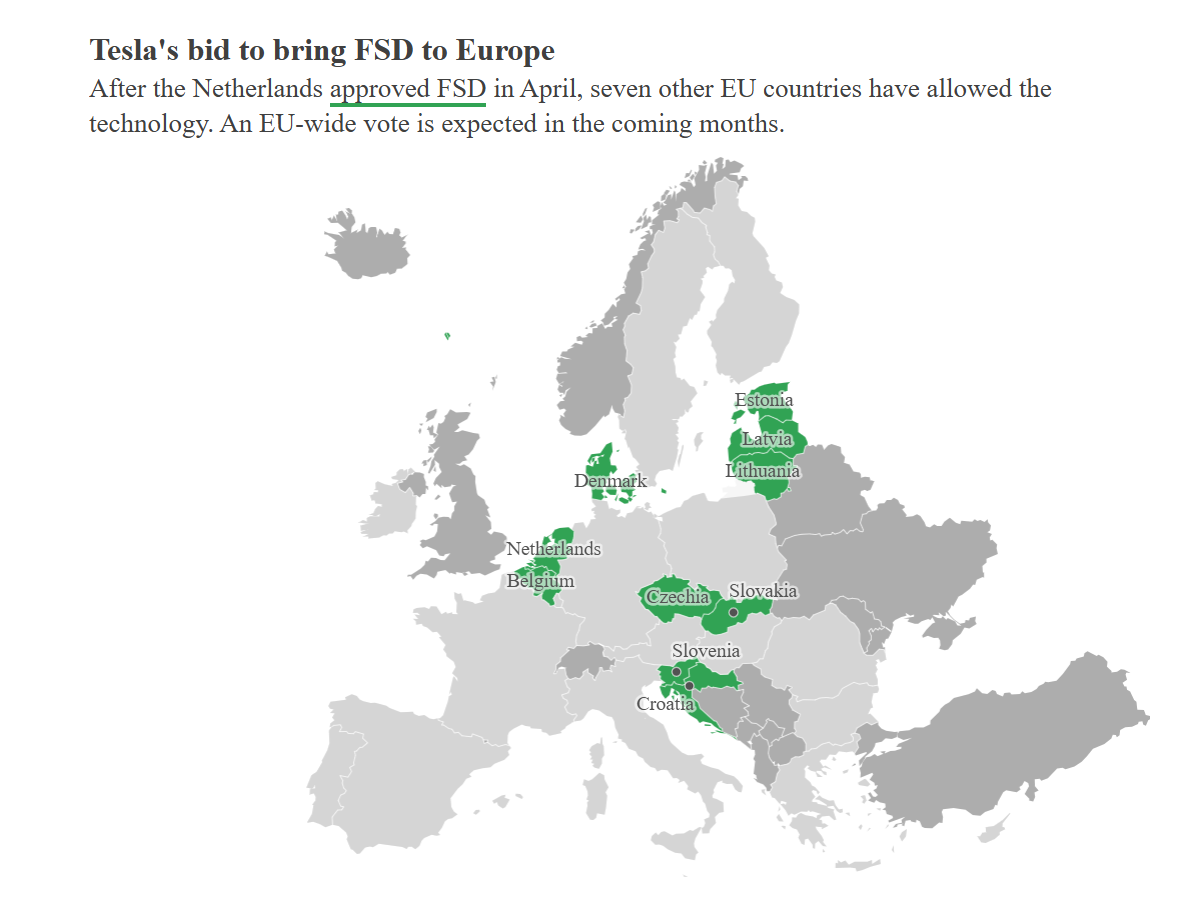
Latvia on Monday became the 10th country in Europe to approve Tesla's assisted driving software. The software was previously called "Fully Autonomous Driving (Supervised)", or FSD (Supervised). Tesla recently renamed it "Tesla Assisted Driving", or TAD, in Europe. Slovakia approved the technology earlier this month.
Latvian transport authorities said the local road traffic safety authority recognized the provisional EU type approval issued by the Dutch Vehicle Authority. Tesla Europe later said that the feature had been approved in Latvia and that software push would begin soon, but no specific date was announced.
These two approvals are the latest progress in Tesla's promotion of driver assistance technology in Europe. Tesla is now seeking support pending a key vote that could pave the way for wider rollout of the technology in the European Union.
In Slovakia, 35-year-old Igor Marcek bought a Tesla two years ago. With the approval of TAD, he is increasingly looking forward to the prospects of this technology.
Marcek works as a financial agent and life coach in Bratislava. He expressed the hope that one day cars will be able to drive themselves, saving time and energy and allowing people to deal with other things while driving.
However, Reuters also discovered some safety issues when it conducted a test drive on a Tesla equipped with TAD. The subscription price for this feature is 99 euros per month, which is approximately $110.92.
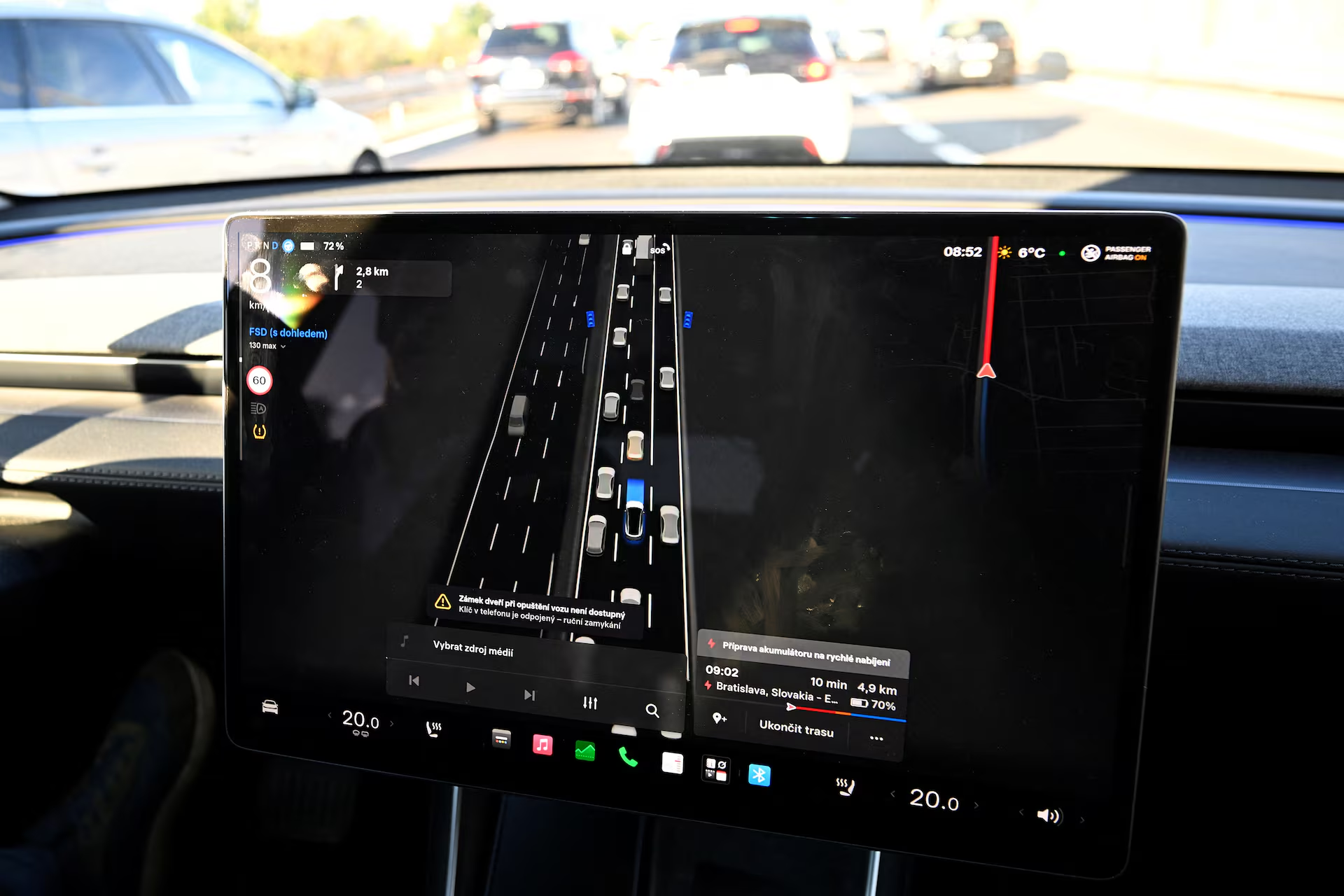
In testing, the software was able to smoothly handle situations such as driving on congested highways and merging into traffic. But when the vehicle approached a closed gate, the vehicle did not slow down, and Marcek had to slam on the brakes himself.
At a Tesla Supercharging station, the vehicle failed to enter a free charging space, and Marcek took over the vehicle again.
“The technology is still evolving, so you have to stay awake and pay attention to what the vehicle is doing,” he said.
The Latvian Transportation Department stated that TAD is an L2 driver assistance system. During use, the driver needs to continuously pay attention to traffic conditions, be ready to take over the vehicle at any time, and bear responsibility for the consequences of traffic violations or accidents.
Reuters reports that Tesla enthusiasts across Europe have been actively calling for faster deployment of the technology. Tesla and its CEO Elon Musk have also frequently encouraged car owners to express their concerns to local authorities.
Marcek said that in Slovakia, the Tesla Owners Club with 1,500 registered members had organized a vehicle light show outside the transportation department, hoping to attract the attention of regulatory agencies to this technology.
Kristian Kratochvil, chairman of the club, said that after the Netherlands took the lead in approval, the club contacted the Slovak Transport Department and frequently communicated with the department to inquire about the progress of the approval.
Tesla claims that TAD can more than quadruple the ability to avoid collisions and save lives. But Reuters pointed out that security researchers are highly controversial about these data.
The technology faces growing regulatory resistance in the EU. Regulators in some countries have raised concerns about its safety and questioned whether drivers can maintain adequate attention during use.
Comments