
Abstract:
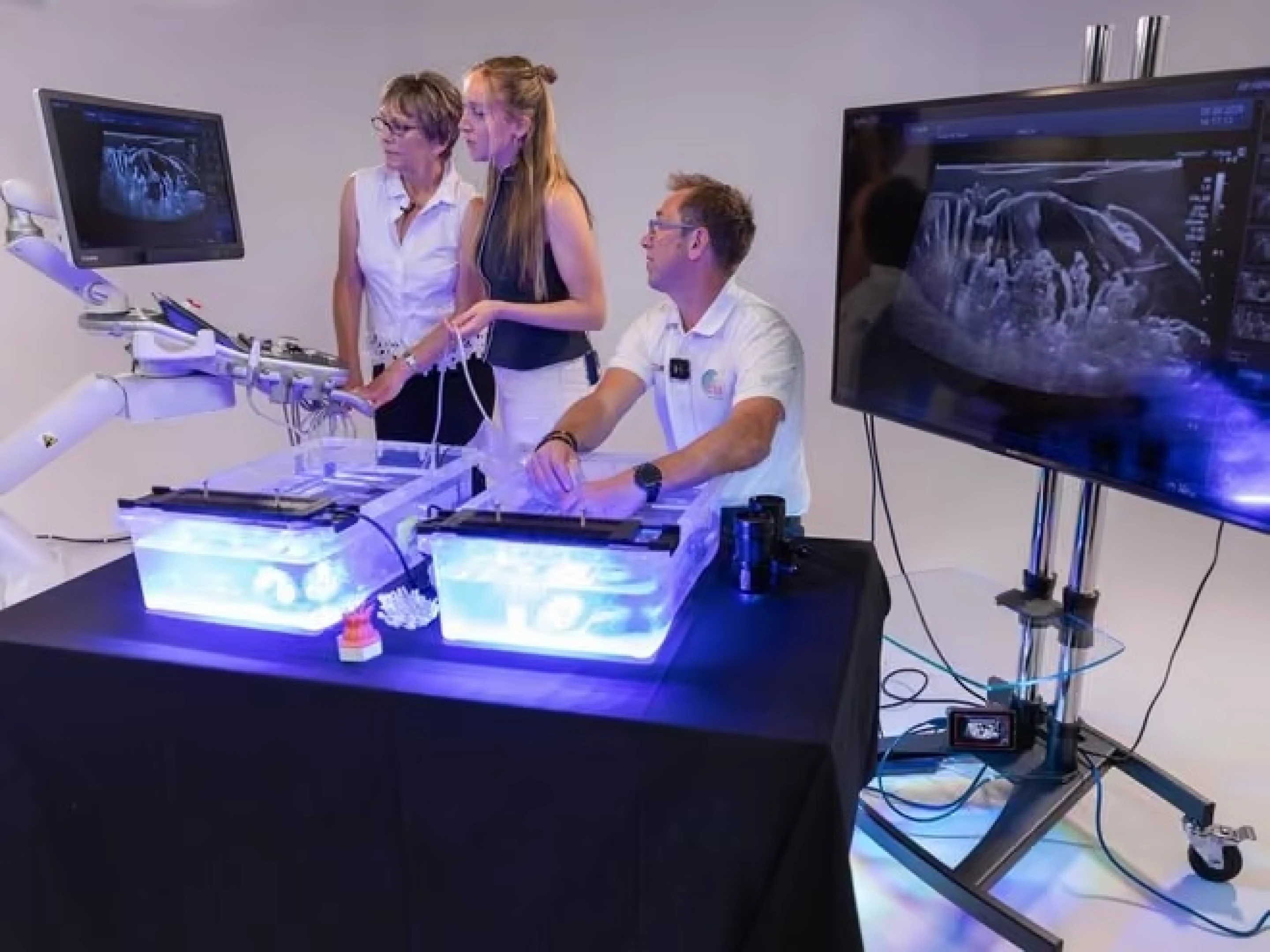
Canon has partnered with Coral Spawning International, a coral breeding organization, to use hospital-grade ultrasound equipment to scan live corals and observe the developing egg cells inside them. Canon said that this is the first time that medical ultrasound has been used to conduct such non-invasive inspection of living corals, which is expected to help researchers determine the reproductive stage of corals and provide new tools for coral reef restoration and breeding.
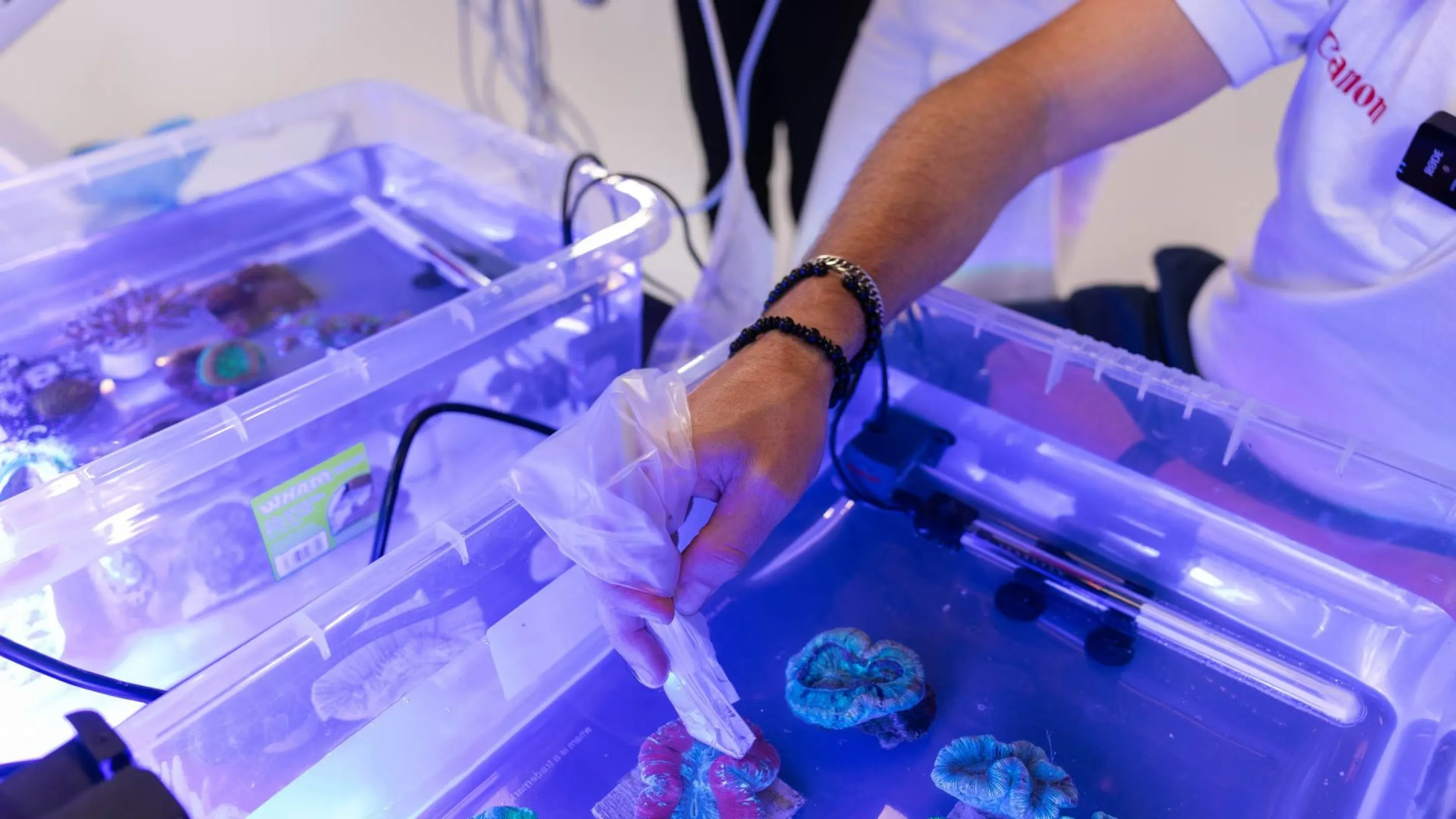
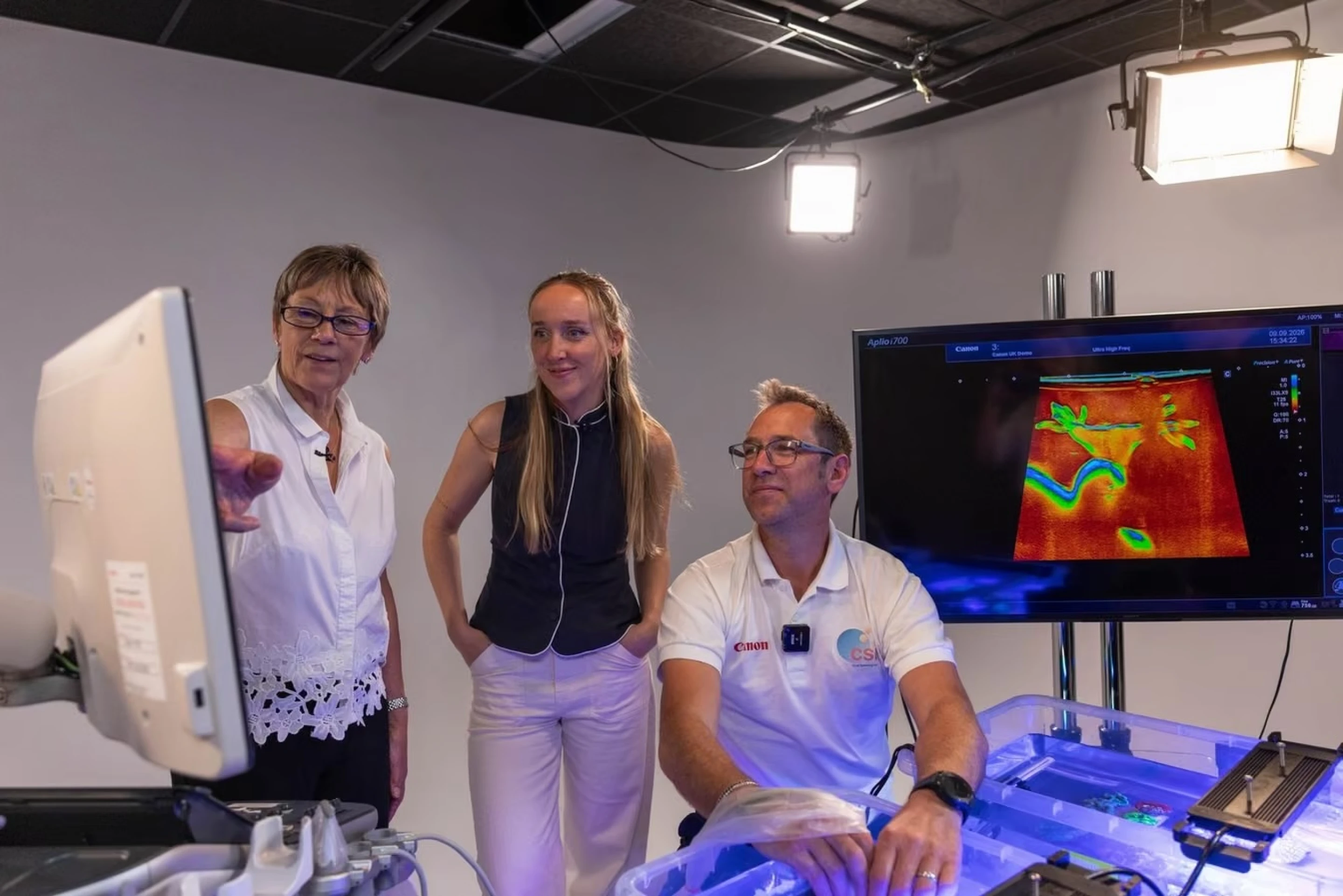
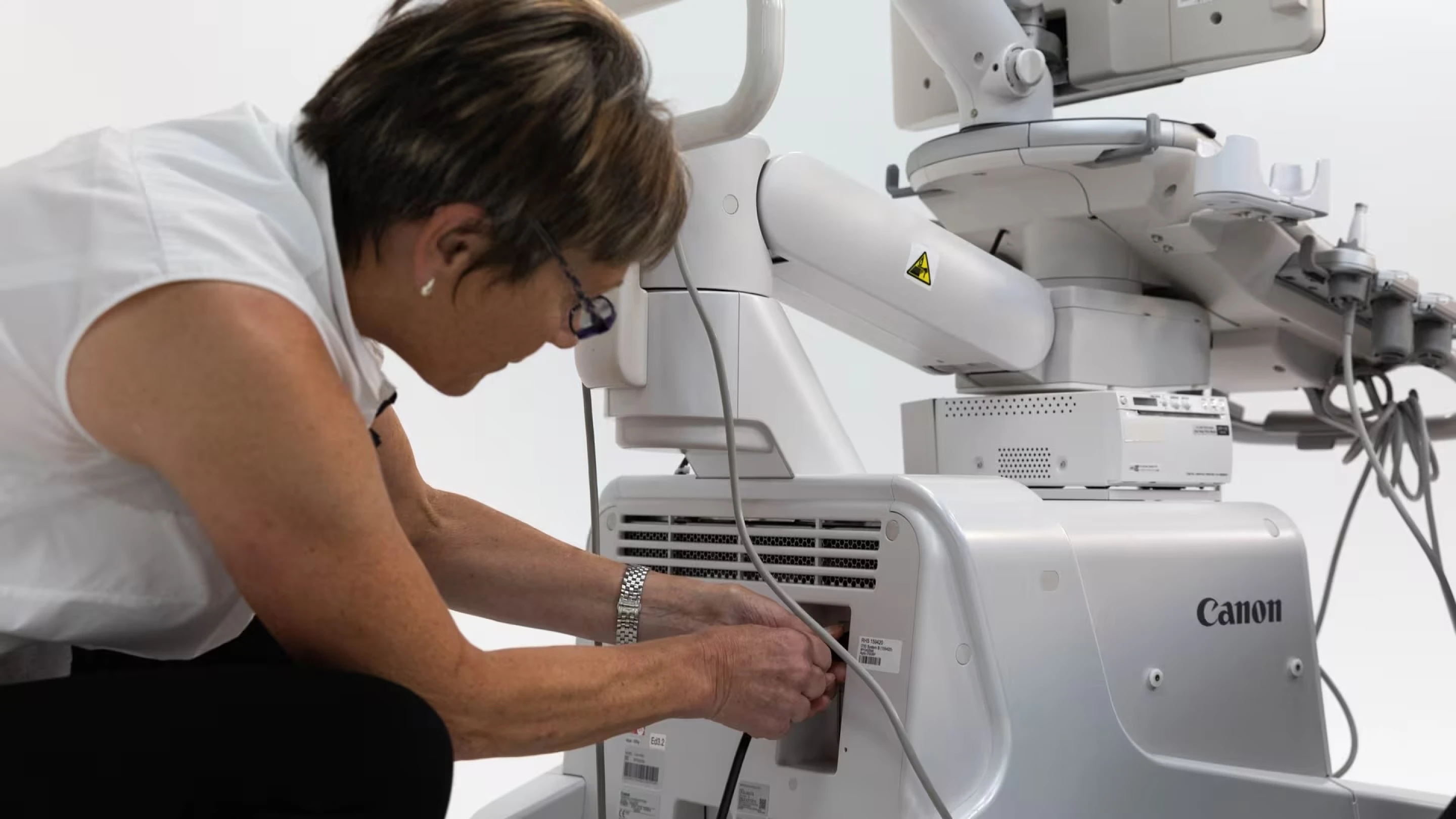
The experiment used a Canon Aplio i700 ultrasound system equipped with high-frequency and ultra-high-frequency probes. The probe was coated with coupling gel and protected in a shallow tank to scan six species of large polyp stony corals; samples came from Australia, the Caribbean and Indonesia. The diameter of a coral egg cell may be only about 300 microns. In the past, confirming whether it has developed usually required cutting open the coral tissue or even breaking off the branches for inspection.
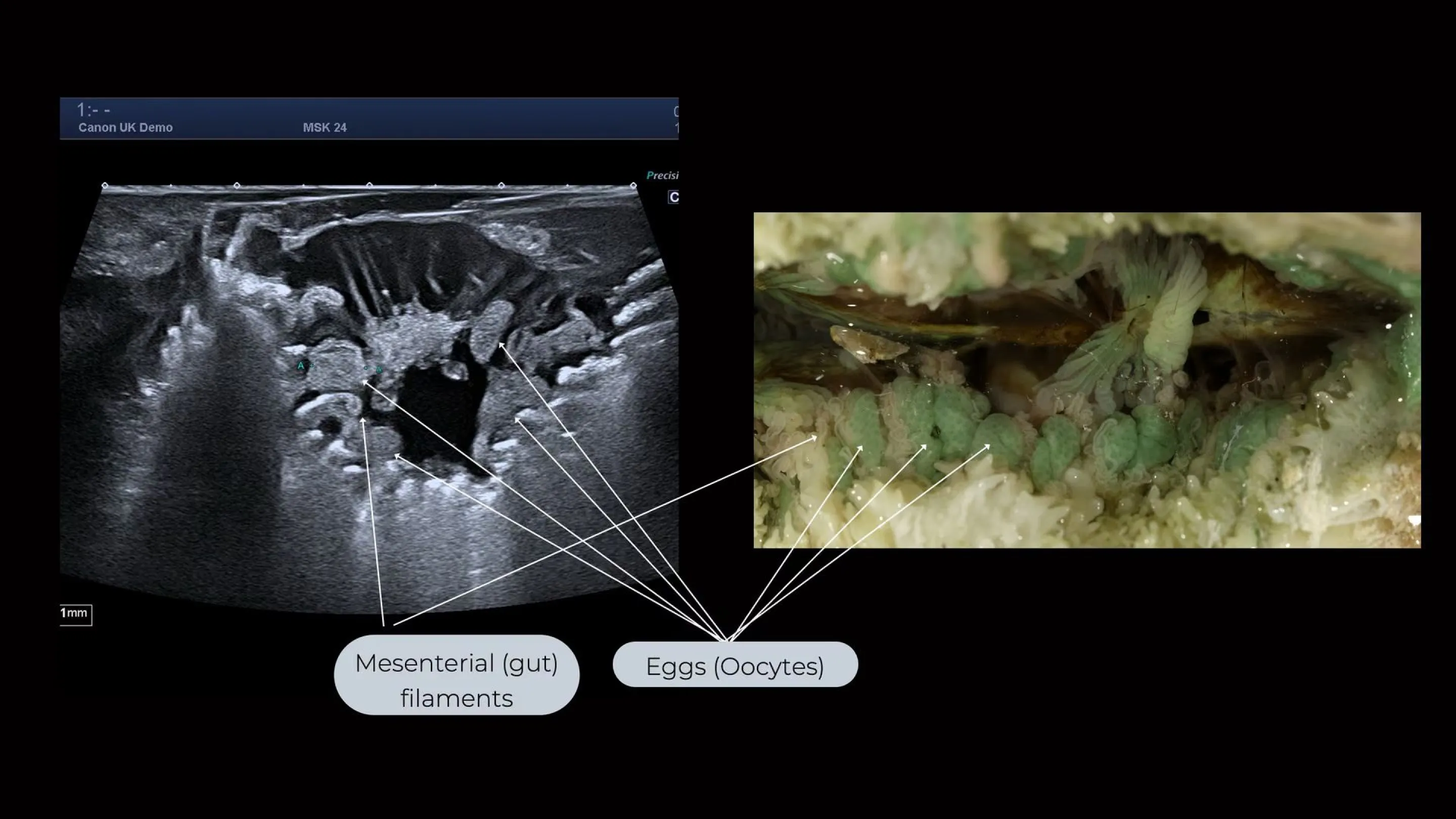
The research team further cut samples from a type of coral called Trachyphyllia geoffroyi, compared the ultrasound images with macro photos of the tissue, and confirmed that the structures visible in the images were egg cells. Experiments show that ultrasound has the potential to allow researchers to examine reproductive status without damaging most living corals. However, only this species has been sliced and compared so far, and the relevant results have not yet been published in peer-reviewed papers; whether the spawning time can be accurately predicted based on the scans still requires subsequent verification.
Knowing the spawning window is important for coral recovery. Coral gardening usually propagates by cultivating cuttings from the same colony, and new corals are often clones of the mother; sexual reproduction can increase genetic diversity, but researchers must collect gametes in time during the short period when corals release eggs and sperm, an opportunity that may only occur once a year in the wild.
Coral bleaching can also harm the ability of surviving individuals to reproduce. Previous research by the Australian Institute of Marine Science on staghorn corals in the Great Barrier Reef found that corals that survived severe bleaching in 2020 laid 21% fewer eggs than groups that did not suffer severe bleaching. If the new scan can further identify the egg and sperm development patterns of different corals, it may help researchers more accurately arrange artificial reproduction and coral reef restoration. The experimental team plans to continue monitoring the corals for six months, recording when they release gametes, and then assessing their predictive power against previous scans.
Comments