
Abstract:
Samsung's memory chip production capacity is reported to have been almost booked until 2029, and some customers even hope to sign long-term supply agreements extending to 2031 to lock in storage supply for the next five years amid continued high demand for artificial intelligence infrastructure.
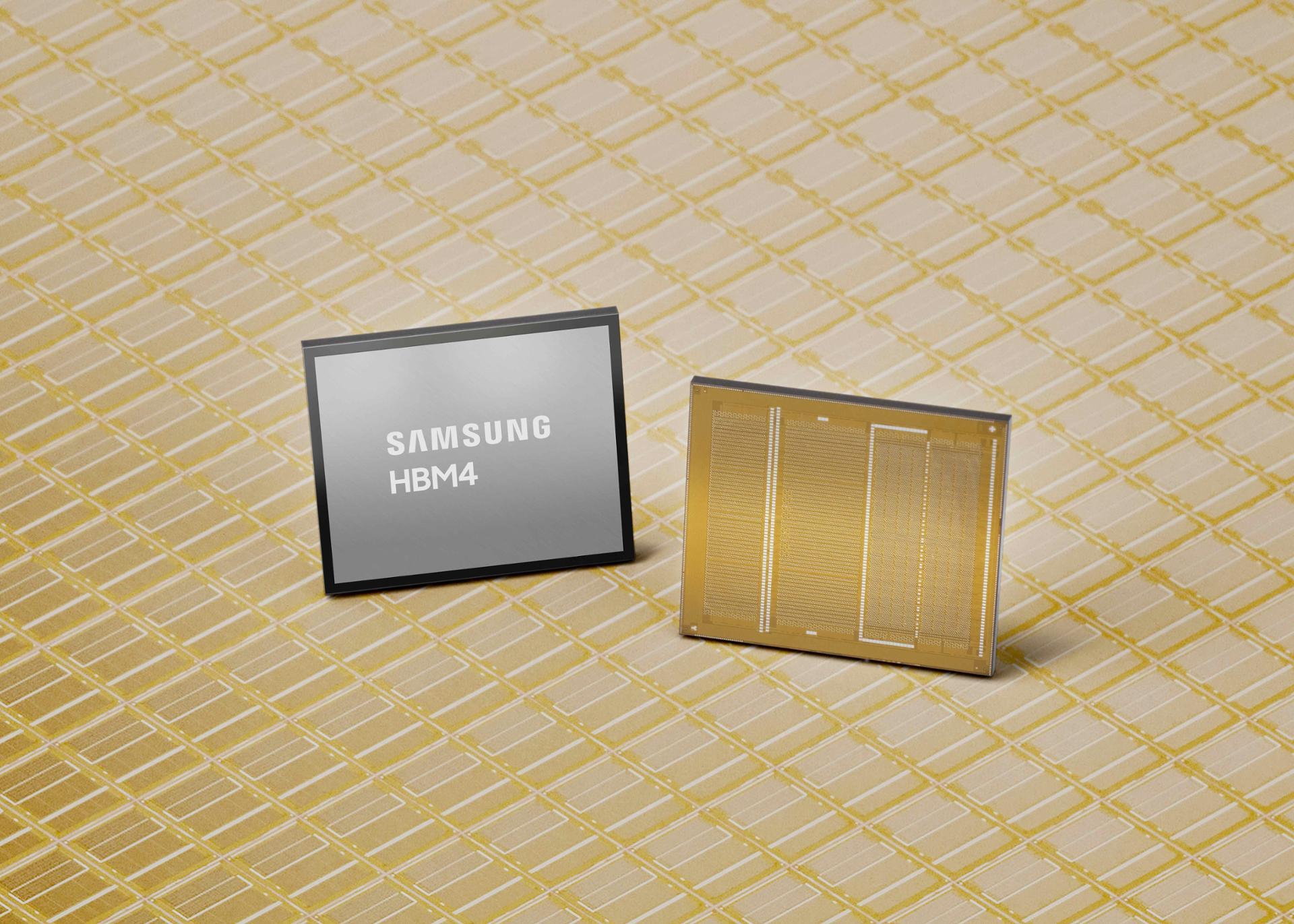
According to South Korea's "Economic Tribune" citing industry insiders, most of Samsung's memory manufacturing capacity from 2027 to 2029 has been guaranteed through contracts. Many customers are still striving for additional production capacity quotas beyond their existing commitments, reflecting the fierce market competition for available production capacity.
This report echoes Samsung’s previously announced third quarter 2026 results. Samsung confirmed at the time that it had signed long-term supply agreements with 10 major customers and was negotiating with another 10 customers, many of which were said to be close to completion.
Samsung plans to allocate about 60% to 70% of its medium- and long-term storage capacity to multi-year contracts by 2030. This move will not only help improve the company's future revenue predictability, but also provide relatively stable supply security for large technology customers.
Currently, some customers are pushing to extend the agreement to 2031. Relevant agreements may include advance payment and contract pricing mechanisms to help both supply and demand parties withstand risks arising from future market fluctuations.
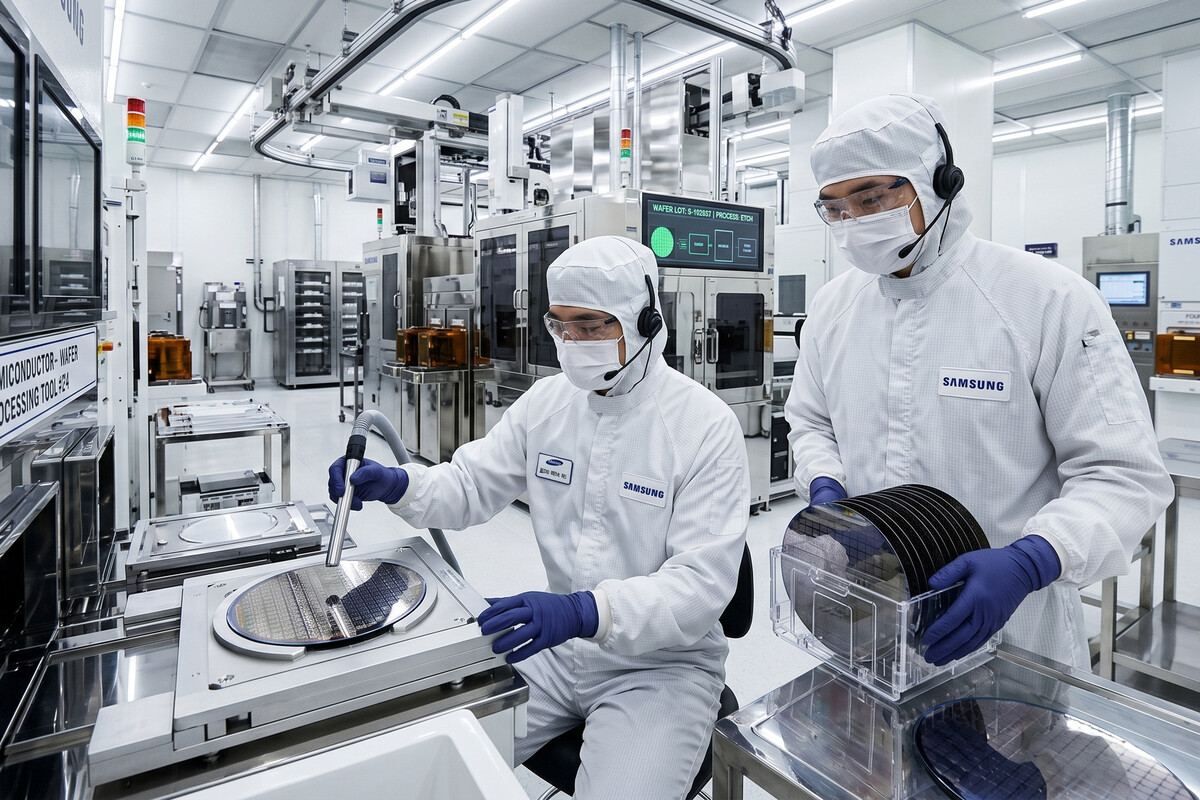
These arrangements are important because demand for high-bandwidth memory, traditional DRAM, and enterprise-class storage products are all growing rapidly. Samsung has previously confirmed that its HBM supply in 2027 has been sold out; industry sources said that traditional DRAM wafer production capacity in 2027 is actually close to being exhausted.
The manufacturing characteristics of HBM further exacerbate supply constraints. Producing advanced HBM requires a large amount of DRAM wafer resources, which means that even if manufacturers increase investment, the speed of capacity expansion of traditional storage products will still be limited.
Industry estimates indicate that major storage manufacturers can currently only meet about 60% to 70% of customer demand, and supply constraints may further intensify in 2027.
The shortage is not limited to HBM. The supply of traditional DRAM is becoming increasingly tight as manufacturers prioritize production capacity toward higher-margin products for AI accelerators and data centers. Demand for enterprise-grade NAND and solid-state drives is also strong, and suppliers are still facing difficulties in meeting some customer requirements.
However, there is great uncertainty about the long-term prospects of the NAND market. Research firm TrendForce recently predicted that NAND contract prices may begin to decline in the first quarter of 2027 due to reduced enterprise-level SSD orders from Chinese cloud service providers and continued increases in manufacturing capacity.
This trend is in contrast to the judgment that the DRAM and HBM markets continue to be tight, and also shows that there may be significant differences in the supply and demand conditions of different storage product markets.
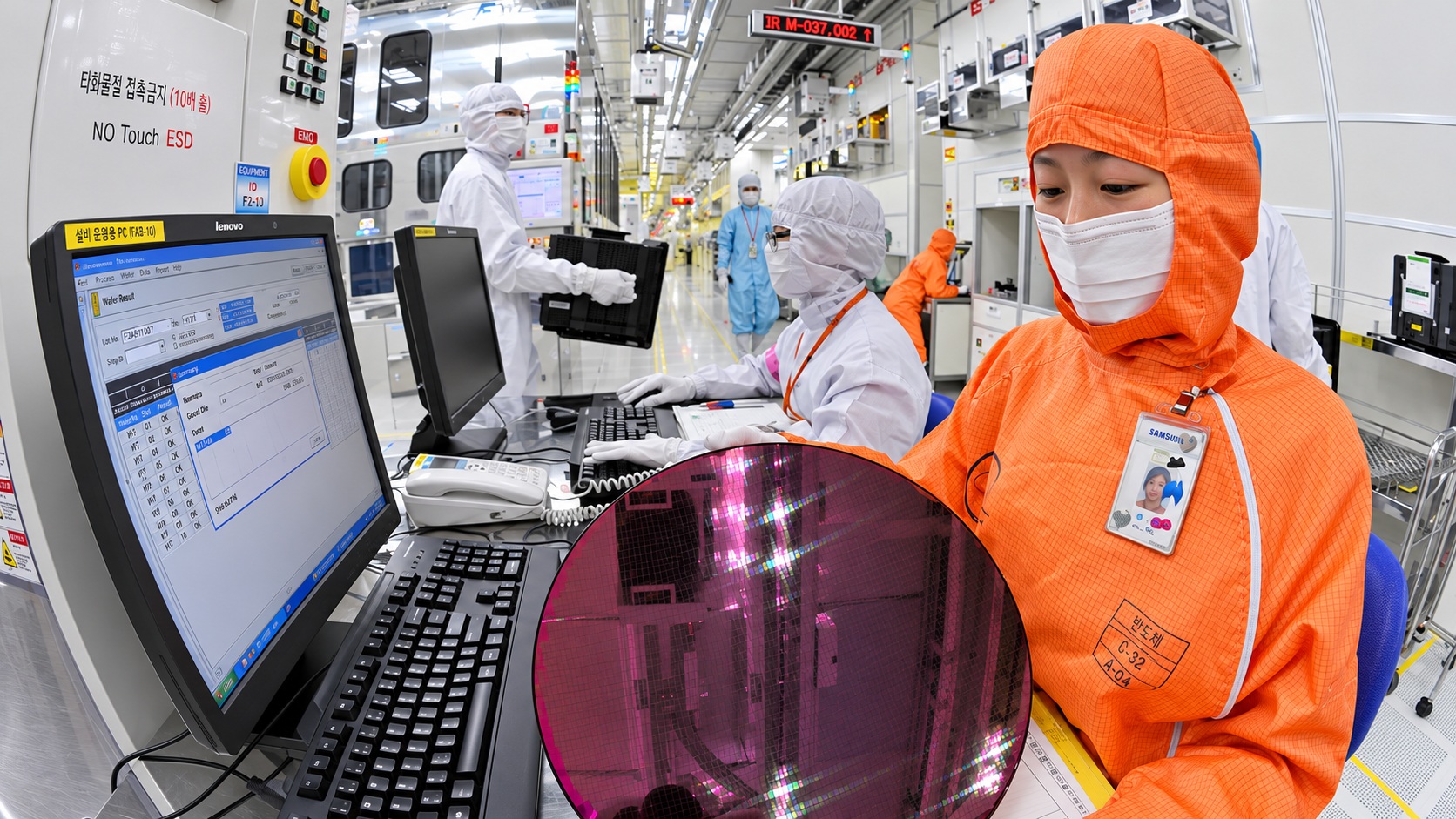
Samsung previously warned that new capital expenditures would not immediately translate into higher storage production. It will take several years for a new factory to be put into operation, and the increasingly complex HBM products will also impose additional constraints on effective production capacity.
For PC users and ordinary consumers, if AI infrastructure investment maintains the current pace, DRAM supply and prices may not see significant relief in the short term. However, long-term supply agreements do not necessarily mean storage prices will remain permanently high; changes in demand may still eventually ease market pressure.
Samsung's reported order commitments until 2029 further show that the AI boom is profoundly changing the supply pattern of the storage semiconductor industry.
Comments