
Abstract:
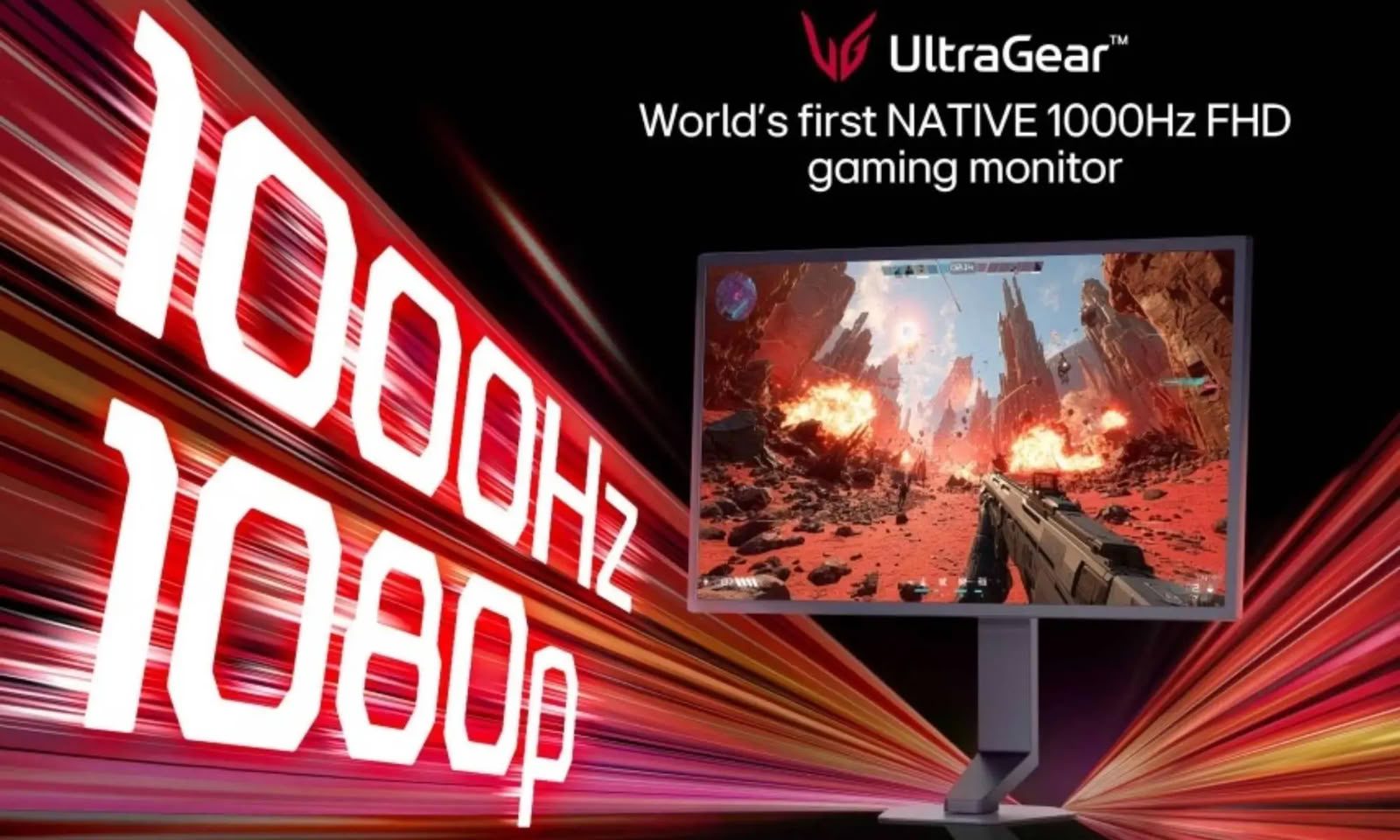
At the DTC 2026 conference in Wuhan, China, TCL CSOT CEO Zhao Jun confirmed that the 1000Hz panel used in LG’s UltraGear 25G590B monitor comes from TCL CSOT. The panel is 24.5 inches, full HD resolution, and uses IPS LCD technology. It is said that this is the first time that TCL CSOT has achieved mass production of 1000Hz LCD panels.
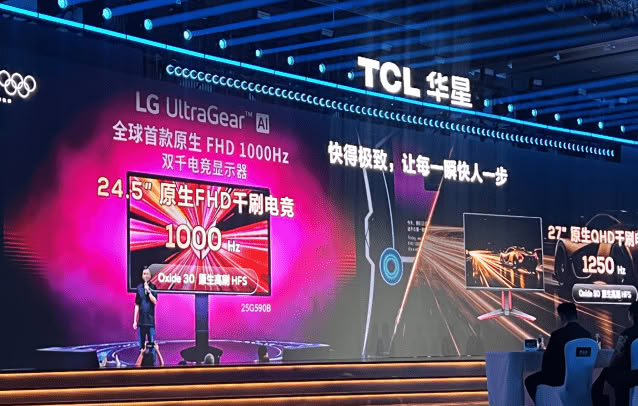
This batch of panels comes from TCL CSOT’s 8.5-generation T9 LCD panel factory in Guangzhou. It is worth noting that LG Electronics selected TCL Huaxing as the screen supplier of UltraGear 25G590B. The IPS LCD panel market was previously dominated by BOE and LG Display, of which LG Display is the display panel department of LG Electronics. However, TCL Huaxing also produces IPS panels at the T10 factory it acquired from LG Display, so the two parties have a certain basis for cooperation before.
This cooperation may continue to deepen. An LG Electronics executive said at the meeting that the company is considering using 5K and 6K resolution spray-printed OLED panels for its display products, and related products are planned to be launched around 2028 or 2029. Spray printing technology deposits OLED materials onto a substrate through a nozzle, rather than using a fine metal mask for evaporation. Compared with traditional processes, this technology is expected to reduce the production cost of large-size OLED panels.
Previous reports stated that TCL Huaxing plans to launch spray-printed OLED panels with up to 700Hz in 2028 or 2029. To support this plan, its larger 8.6-generation T8 spray printing OLED production line in Guangzhou is currently in the equipment installation stage. LG Electronics is still evaluating this option, so the relevant cooperation has not yet been finalized. However, Zhao Jun said that the T8 production line is still planned to achieve mass production in the fourth quarter of 2027.
The industry generally believes that the 1000Hz refresh rate is attractive for e-sports monitors, but whether the LCD panel can maintain a fast enough pixel response at such a high refresh rate will still be the key to the actual experience. In contrast, OLED panels usually have faster response times, so if spray-printed OLED can enter the high refresh rate display market, it may further change the competitive landscape of high-end e-sports display products.
Comments