
Abstract:
The strong demand for memory in AI data centers continues to squeeze the supply of DRAM for mobile phones, and rising prices have also put entry-level mobile phones under greater cost pressure. South Korea's "North Korea Business" quoted analysis from Counterpoint Research as saying that some Chinese mobile phone manufacturers are considering reusing DRAM removed from old mobile phones and computers into new machines, and are even evaluating using all recycled memory in some basic models. Relevant manufacturers have not publicly confirmed these plans, and the report did not name specific brands.
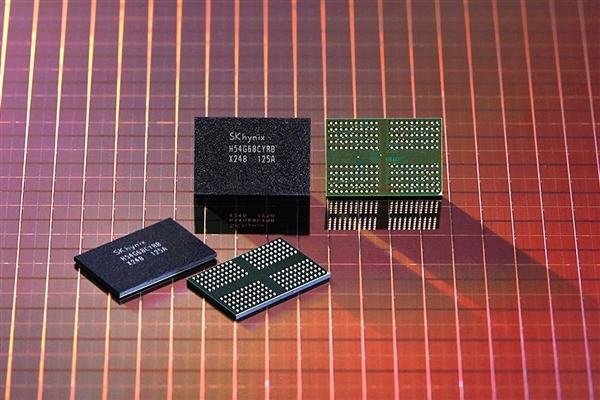
Taiwanese media TechNews quoted anonymous industry insiders as saying that some Chinese brands may purchase dismantled memory from merchants in Huaqiangbei, Shenzhen, and the source may include old iPhones. However, TrendForce pointed out that these claims have not been confirmed by Chinese regulatory authorities or mobile phone companies; recycled chips are currently more likely to be used in extremely low-priced, unbranded mobile phones, and are unlikely to enter the flagship phone supply chain. The sources of goods for different recyclers may also be different: a previous survey by China Finance found that some recyclers prefer old OPPO, vivo and Huawei phones, while TechNews interviewees said that Huaqiangbei merchants mainly purchase old iPhones.
Recycling DRAM usually requires removing the chip from an old mobile phone or computer motherboard, then cleaning, desoldering, testing and repackaging, and finally soldering to a new circuit board. Counterpoint said that DRAM that has been used for 5 to 6 years has been recycled on the market, and some chips may be used for another 5 to 6 years. After long-term use of memory, problems such as reduced data retention and increased risk of errors may occur. Refurbished chips also face yield and compatibility challenges, so detection and screening will affect the available quantity and cost.
A transaction chain has emerged in Huaqiangbei that specializes in recycling the memory of old equipment. "Caijing" reported in April this year that a Shandong recycler purchased about 1,000 scrapped mobile phones in March, of which more than 600 were dismantled and prepared for resale of memory chips. Old low-end mobile phones that had almost no recycling value have become more valuable due to the increase in chip prices. Some scrapped mobile phones that cannot be turned on are sold for more than 100 yuan. TrendForce pointed out that AI server demand is continuing to squeeze DRAM production capacity, and supply tightness and price increase pressure may continue until 2027.
TrendForce takes the common mobile phone configuration of 8GB DRAM and 256GB flash memory as an example. It estimates that the memory contract price will increase by nearly 200% year-on-year in the first quarter of 2026; memory used to account for about 10% to 15% of the material cost of mobile phones, but it has now risen to 30% to 40%. Preliminary data from Counterpoint also shows that global smartphone shipments fell 20% year-on-year in the third quarter of 2026, reaching the lowest level in the same period since 2012. Memory costs and supply shortages are prompting manufacturers to increase prices, reduce shipments, or prioritize protecting profits.
For entry-level mobile phone brands with limited profit margins and price-sensitive consumers, chip recycling may be a way to alleviate cost pressure. It also reflects that the memory shortage has spread from servers and high-end products to mass consumer electronics. However, the source of recycled materials, chip life, screening standards and compatibility vary, and relevant market rumors have not yet been confirmed by manufacturers; there is currently no public evidence that mainstream brands have used this type of memory in mass-produced models
Comments