
Abstract:
Mercedes-Benz will sell a C 111-II experimental supercar for the first time. This rare car that once prompted potential buyers to send blank checks, but has been retained by Mercedes-Benz for nearly half a century, will be auctioned in partnership with RM Sotheby's in Paris on February 3, 2027, with a pre-sale estimate of approximately 25 million euros, or approximately US$27.5 million. Proceeds from the auction will be used for the ongoing development of the Mercedes-Benz Museum, and Mercedes-Benz has also pledged not to sell another C 111 in the next 25 years.
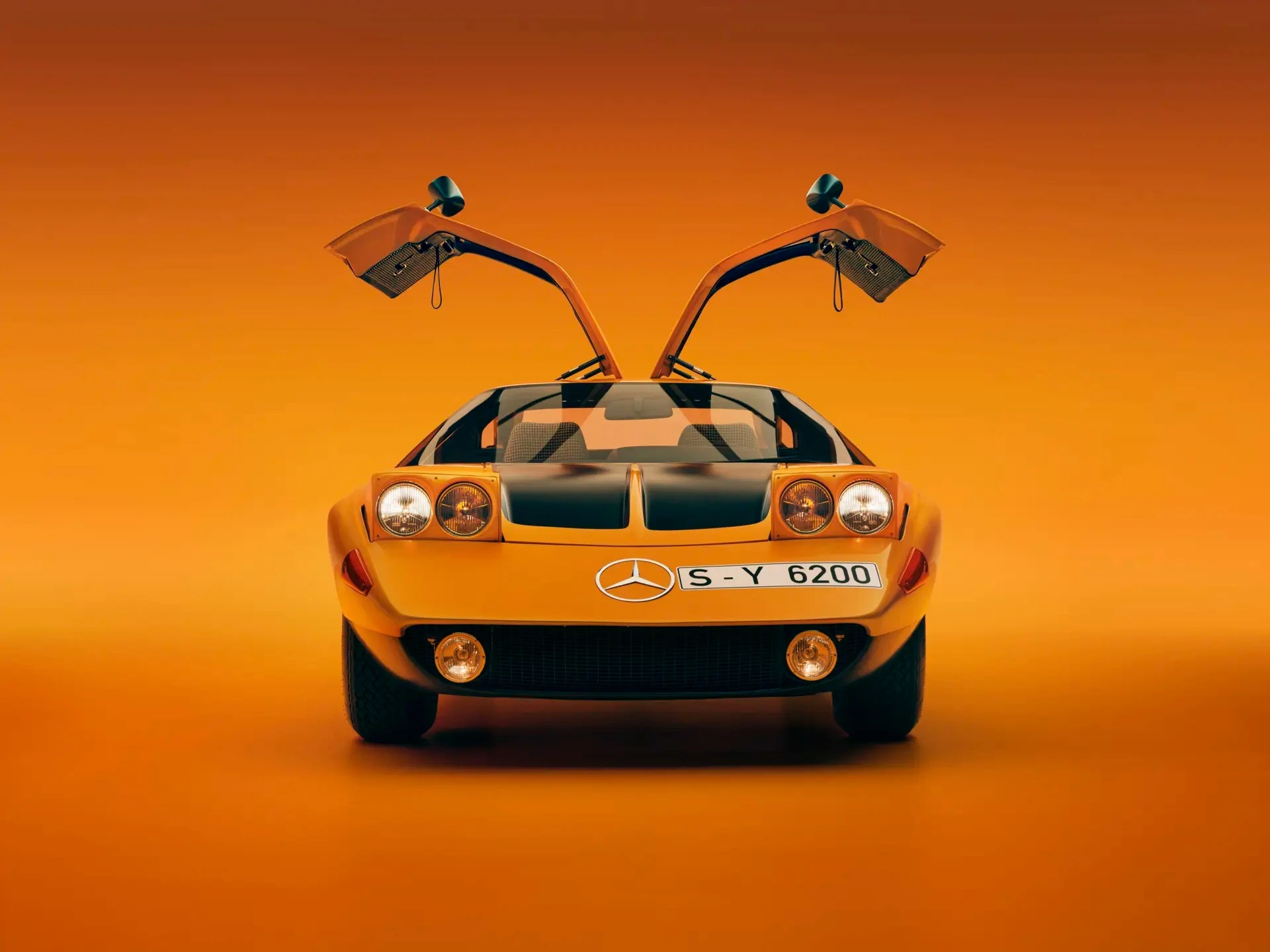
The C 111 project was first unveiled in 1969 and was regarded by Mercedes-Benz as the spiritual successor to the legendary 300 SL "gull-wing doors" of the 1950s. It was a two-seat sports prototype with a mid-mounted rotary engine, lightweight fiberglass body and iconic gull-wing doors. At the 1970 Geneva Motor Show, Mercedes-Benz launched an upgraded version of the C 111-II, equipped with a 2.4-liter four-rotor Wankel engine with a maximum power of 345 horsepower and a top speed of 300 kilometers per hour, or 186 miles per hour.
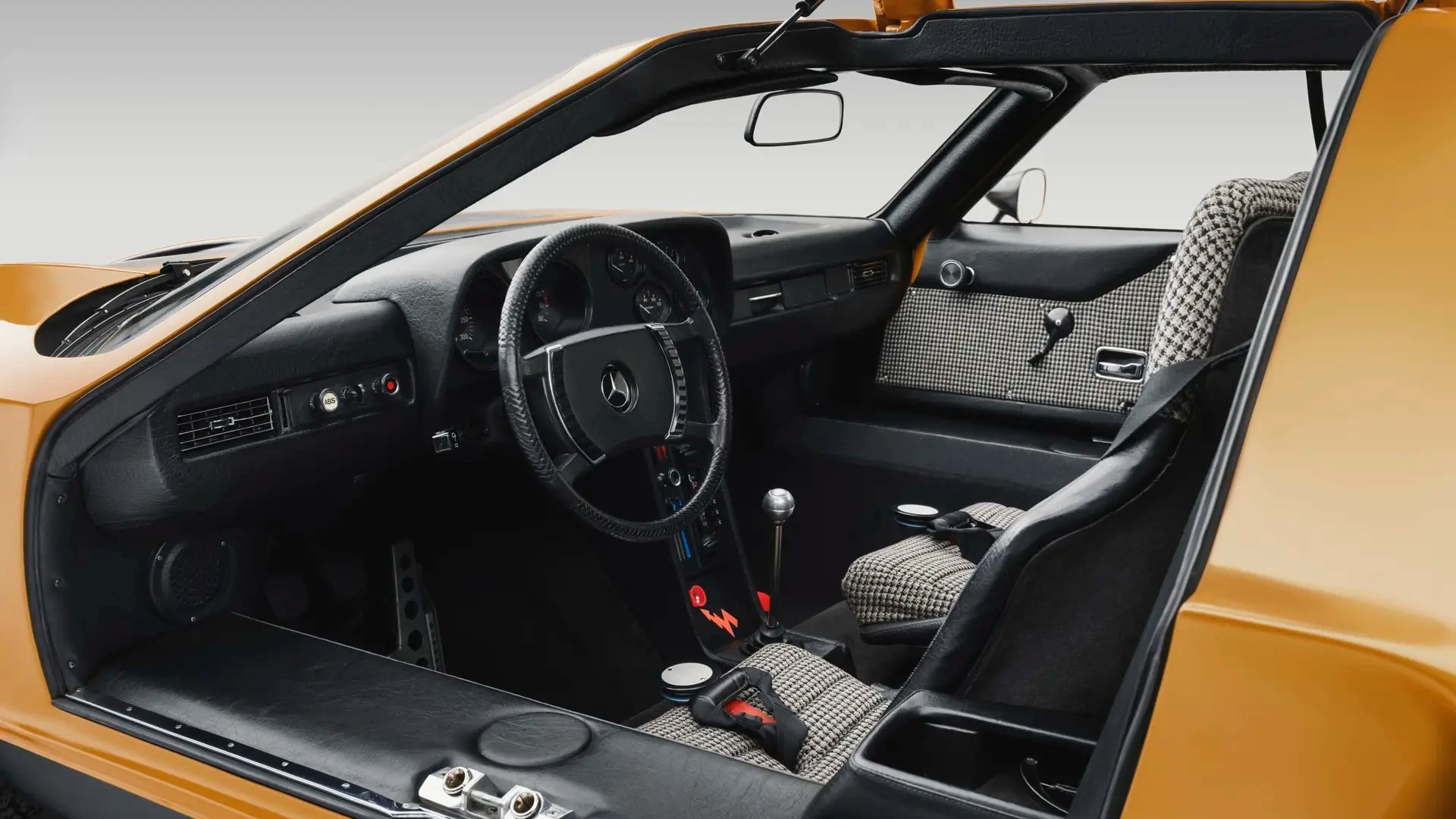
The vehicle to be auctioned is internally numbered "Car No. 33" and still retains the original four-rotor Wankel engine. It was restored at the Mercedes-Benz Classic Center in Feuerbach, Germany in 2024 and returned to drivable condition. Mercedes-Benz chose to retain signs of its original age, including its "Weissherbst" orange paint and houndstooth fabric seats, rather than refurbishing it to factory-new condition. As of October 2026, the vehicle odometer showed only 24,766 kilometers.
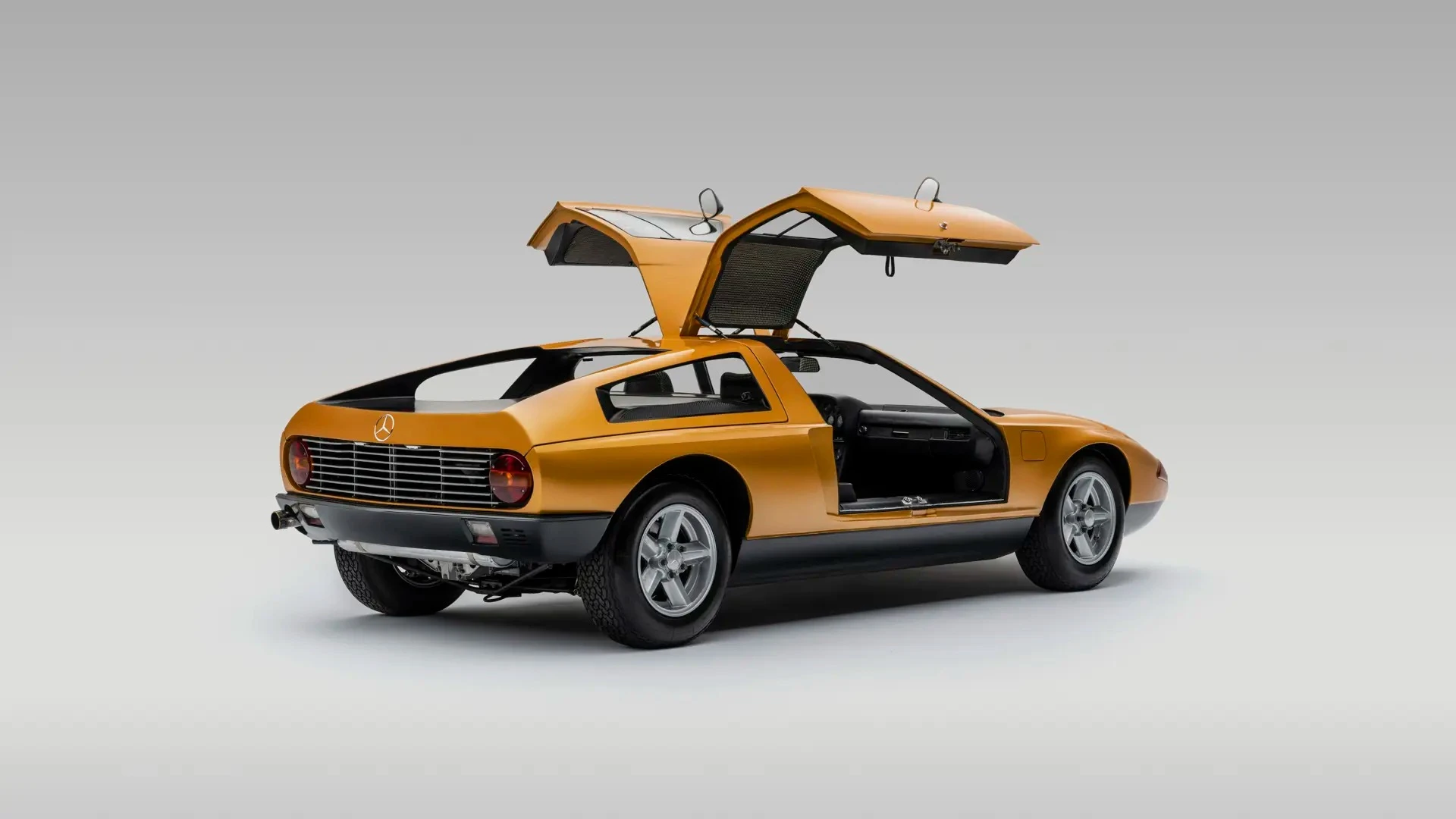
Building of the C 111-II began in March 1970, initially equipped with 8×15-inch aluminum alloy wheels. Mercedes-Benz has also developed lighter and wider magnesium alloy wheels for track testing, with specifications of 10×15 inches and 13×15 inches respectively. Both sets of wheels will be auctioned with the car, but the magnesium alloy wheels are currently only suitable for display purposes due to their age and state of preservation.
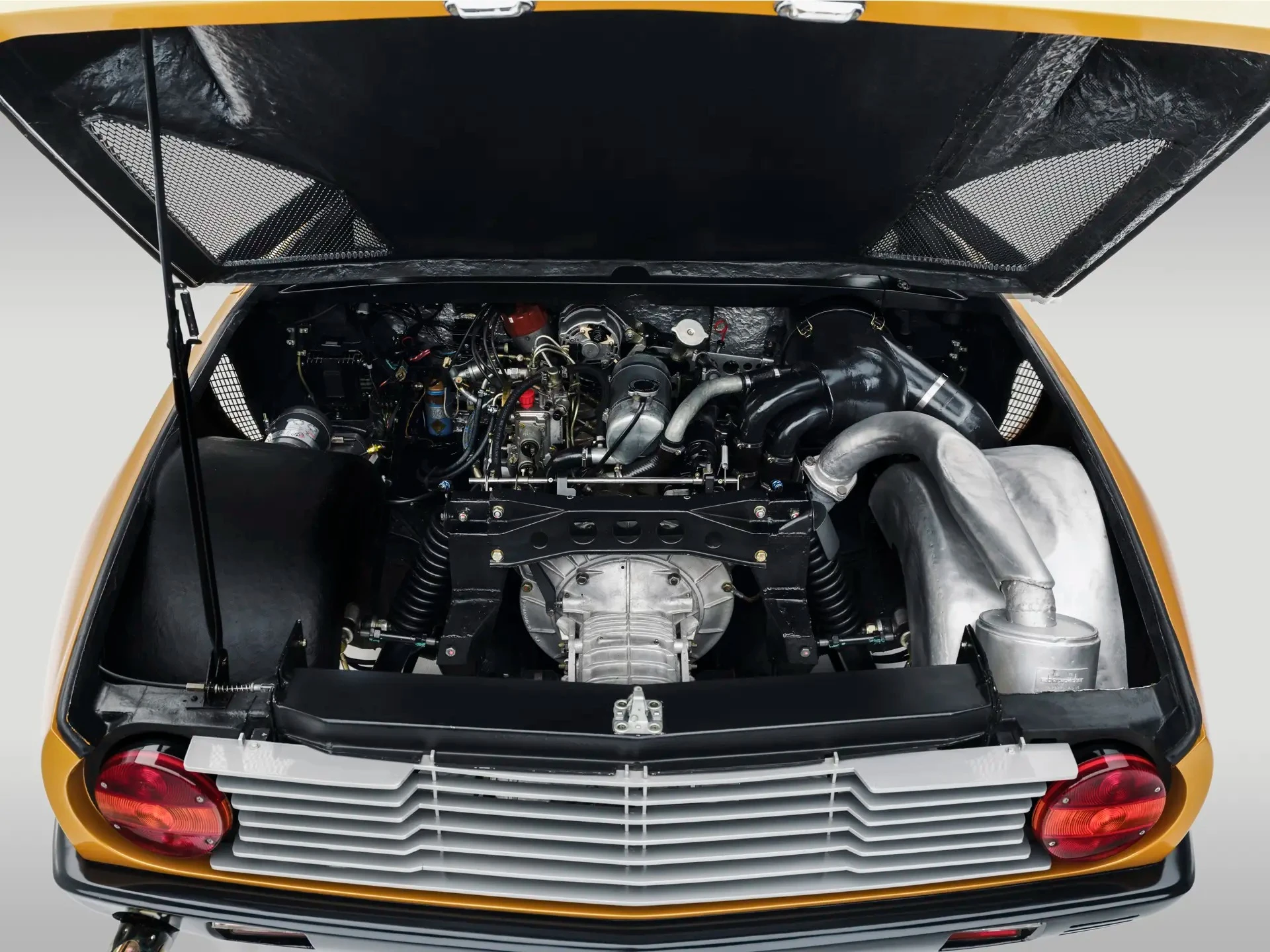
In August 1970, Mercedes-Benz installed the 345-horsepower Wankel engine in the center position of the vehicle. The vehicle weighs 1,240 kilograms and accelerates from 0 to 60 mph in 4.8 seconds. The vehicle is equipped with a five-speed manual gearbox, anti-lock brakes, dual fuel tanks and a Becker Europa radio. However, the C 111 was never driven on public roads and was always used as a test vehicle.
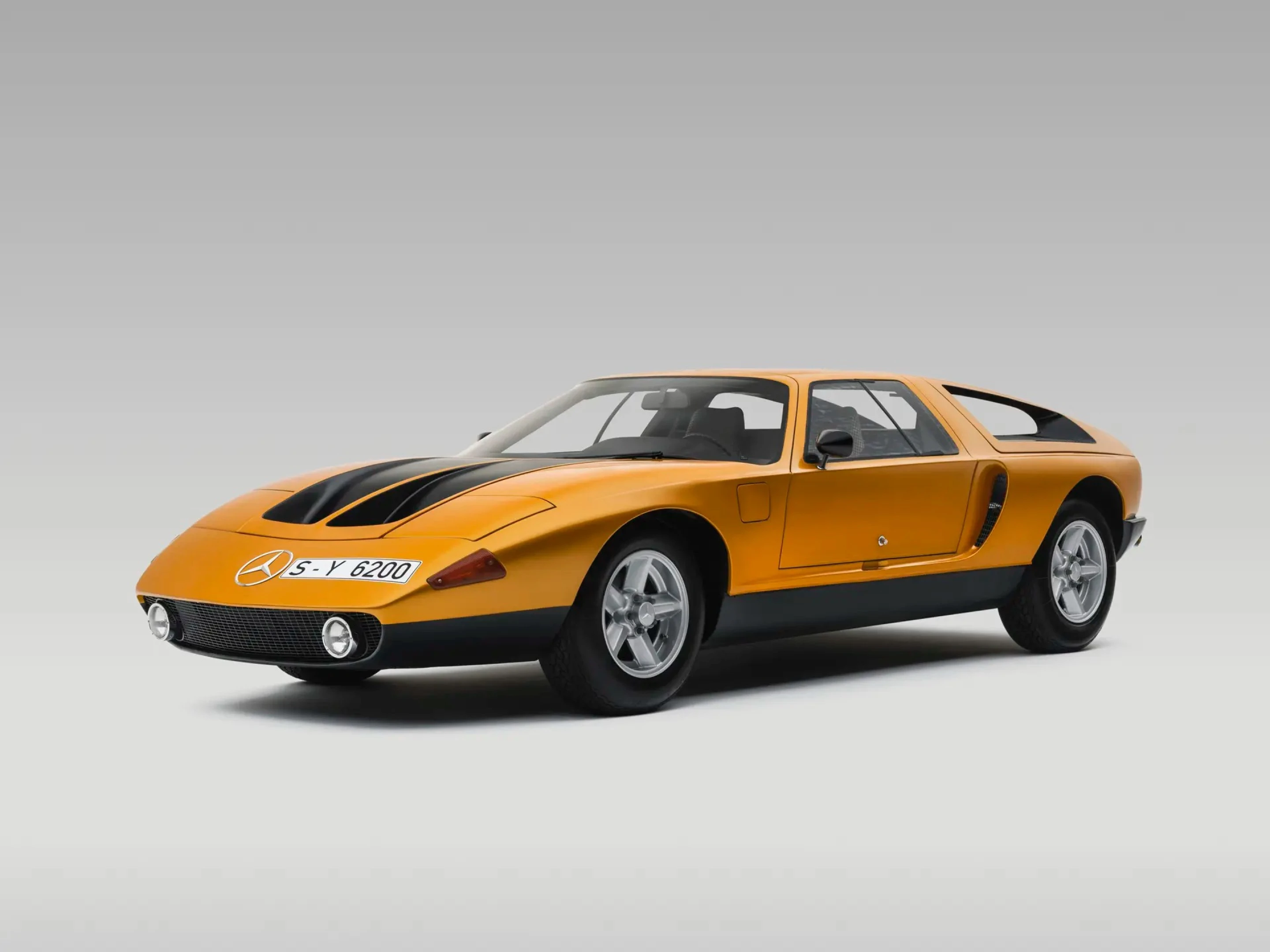
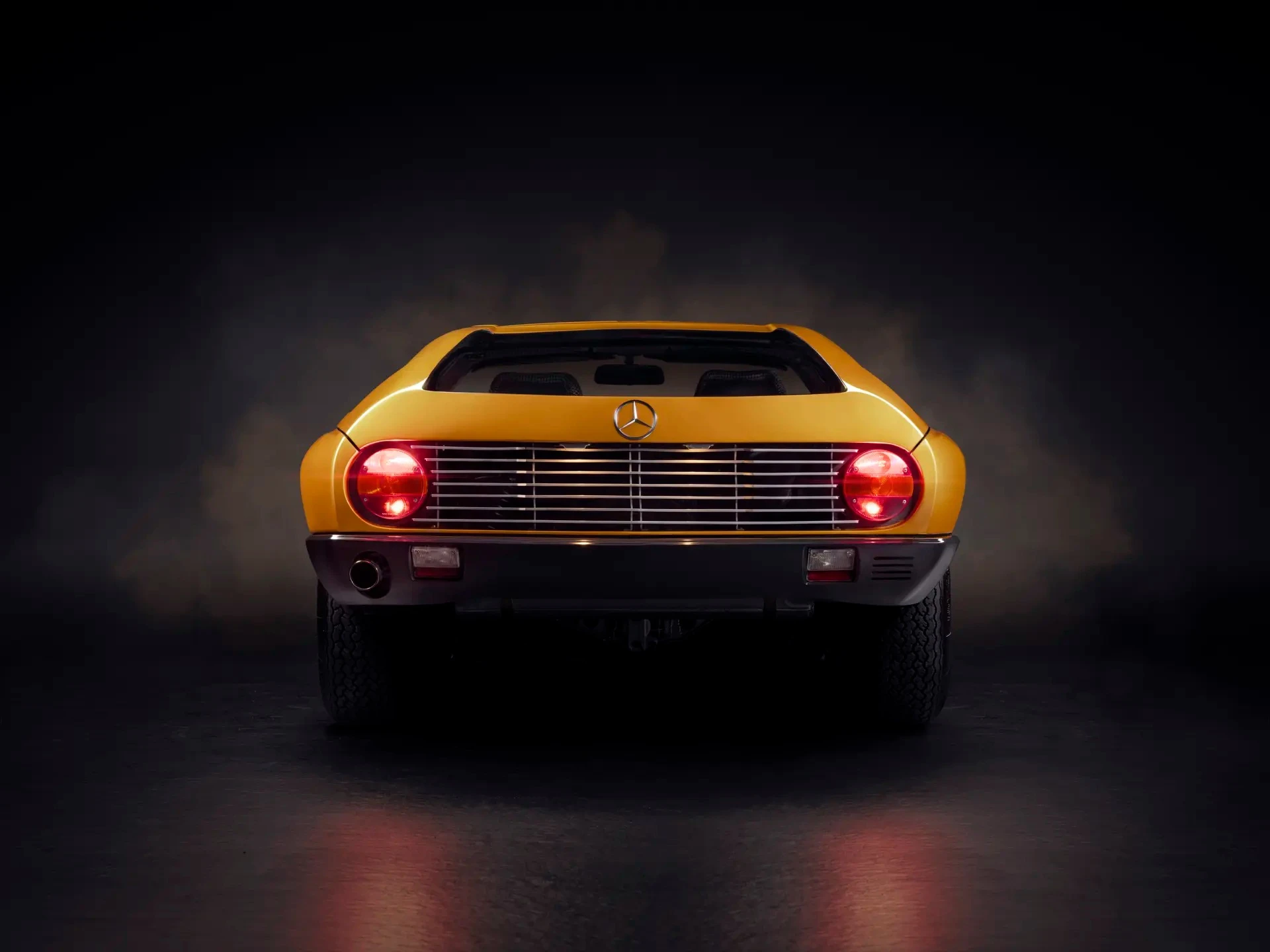
The body is made of fiberglass reinforced plastic and mounted in a steel chassis to reduce weight. The low wedge-shaped body has a height of only 1120 mm and a wheelbase of 2620 mm. The gull-wing doors are a clear nod to the legendary 300 SL; compared to the original model, the C 111-II has modified front fenders, roof and rear hatch to improve the driver's visibility. The vehicle uses independent suspension at the front and rear. The front suspension is a double-wishbone structure, and the rear suspension uses a complex multi-link layout with three transverse links and two longitudinal links per wheel. Coil springs work in conjunction with gas-pressure shock absorbers, anti-roll bars are used to suppress body roll, and all four wheels are equipped with disc brakes.
The interior of the car also retains a strong 1970s style, equipped with sports seats, a four-spoke steering wheel and a vertically mounted Becker Europa radio. Mercedes-Benz said that the power system has been completely overhauled, but the overall vehicle still retains the historical texture of the original era.
The C 111 was originally planned to be a production model, but the 1973 oil crisis and the high cost of meeting increasingly stringent emissions regulations ultimately prevented it from being put into production. Mercedes-Benz subsequently continued to experiment based on this platform and successively built multiple prototypes including the diesel version C 111-II-D in 1976 and the C 111-III in 1978.
A total of 17 units of the entire C 111 series were manufactured, of which only 13 units currently exist. Until then, all vehicles have remained in the Mercedes-Benz collection. Now, one of them will finally hit the open market. At that time, someone sent a blank check to Mercedes-Benz, hoping to buy a C 111 no matter what, but Mercedes-Benz still decided to keep the vehicle as an experimental project and never actually sold it to the public.
RM Sotheby’s President Gordev believes that the final transaction price of this C 111-II may be much higher than the estimated price of 25 million euros. For the car collecting community, this is not only a rare transaction, but also means that one of Mercedes-Benz’s most mysterious and rare experimental supercars in half a century will leave the brand’s collection for the first time and enter the hands of private collectors.
Comments