
Abstract:
When it comes to car bodies, most people think of steel, aluminum alloy or carbon fiber. However, Nissan has jumped out of traditional thinking and turned pineapple leaves into raw materials for manufacturing body panels, opening up a new direction for environmentally friendly automotive materials.
This innovative material technology was jointly developed by Nissan and environmental protection company Food Reborn. After pineapples are harvested, a large number of leaves are directly disposed of as agricultural waste, with almost no use value.
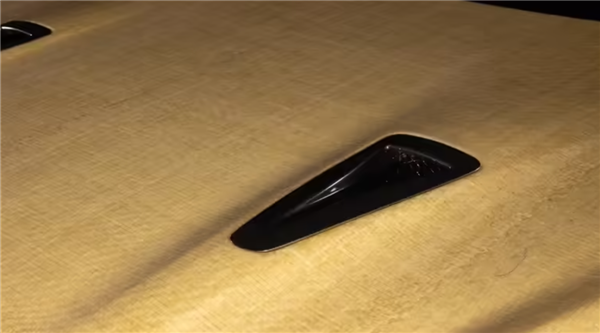
The two companies took a fancy to this wasted resource and hoped to transform agricultural by-products into high-performance auto parts, reduce the manufacturing industry's consumption of traditional mineral resources, and practice the concept of sustainable development.
The production process of the entire set of materials is not simple. The staff first extracted natural plant fibers from pineapple leaves, processed the fibers into flat yarns, and then weaved them into complete fabrics. Finally, they mixed resins and solidified them to obtain composite materials that can be used to create vehicle body panels.
This set of processing logic has many similarities with the preparation of carbon fiber, and there are sufficient sources of pineapple leaf raw materials, and the acquisition threshold is lower. According to Nissan's test results, the new material can cope with the high-intensity use environment in racing scenarios, taking into account both environmental protection attributes and mechanical properties.
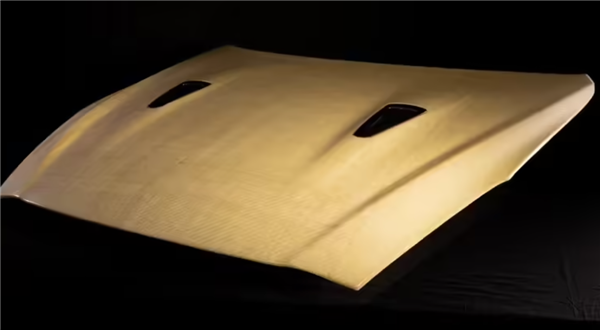
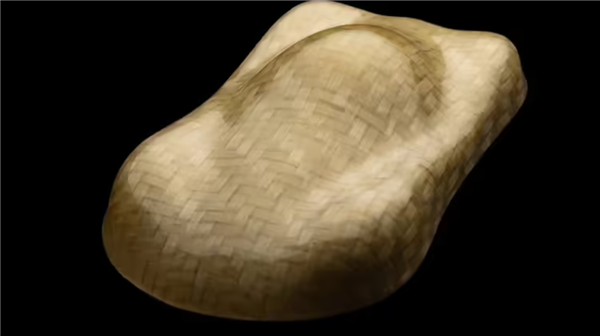
Nissan technology executive Tomita Tatsuzo said that this technology is not only the development of new materials, but more importantly, it realizes the possibility of moving materials from the laboratory to practical applications and taps the commercial value of discarded crops.
Etsuko Uda, the person in charge of Food Reborn, also mentioned that in addition to the automotive industry, pineapple leaf fiber also has broad development space in fields such as sporting goods. Nissan has authorized relevant manufacturing processes to partner companies, which will undertake part of the production work and jointly expand the application boundaries of new materials.
However, this black technology is still far away from ordinary consumers, and the official has not determined which mass-produced model it will be installed on. According to the plan, this material will most likely be the first to land on the racing track.
The track has always been a testing ground for new automotive technologies. Many cutting-edge components will first complete the reliability verification in the harsh competition environment, and then they will be released to the field of civilian mass production vehicles after they mature.
In fact, using non-traditional materials to build the body is not Nissan's first initiative. In the history of automobile development, wood, fabric-like artificial leather, and soy-based plastics have all been used by car companies to test body parts. Manufacturers such as Saturn and Toyota have also explored plastic body solutions.
Comments