
Abstract:
With high-protein diets attracting more and more attention, researchers recently conducted a comprehensive evaluation of 20 common high-protein foods, comparing them from three dimensions: nutritional health, economic affordability, and environmental sustainability, hoping to find high-quality protein sources that truly take into account personal health and social benefits.
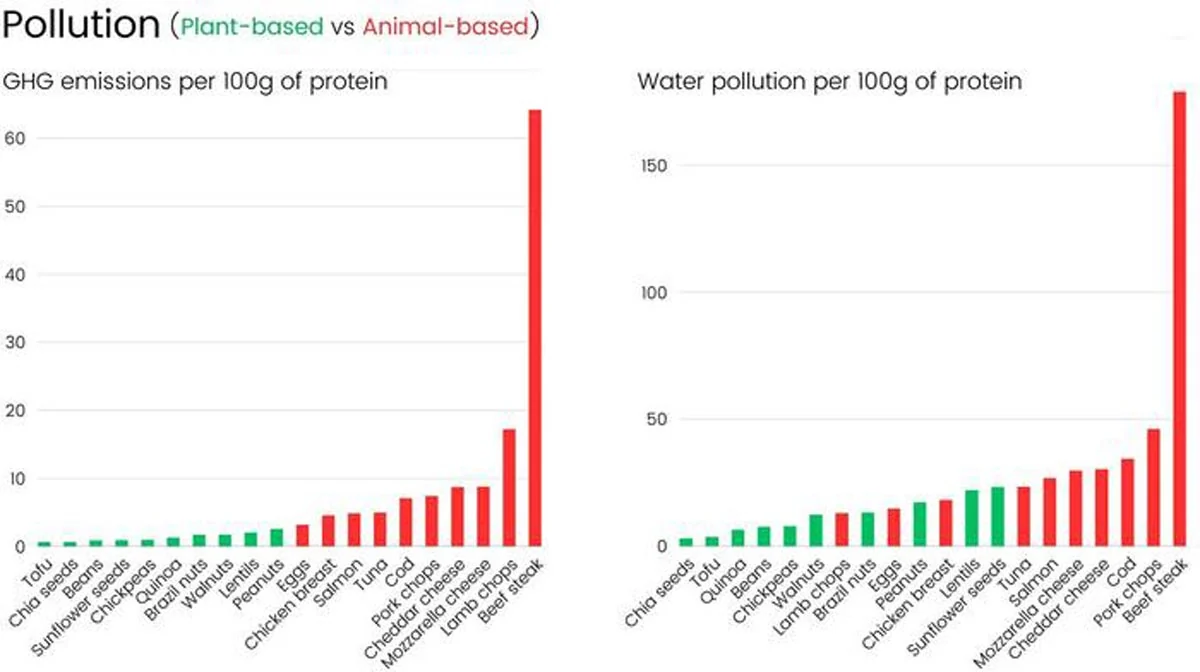
For a long time, people have tended to pay more attention to nutritional value when choosing protein foods, such as whether the protein content is sufficient and whether it contains essential amino acids. However, the research team pointed out that as food prices rise and climate change issues become increasingly prominent, evaluating food from a nutritional perspective alone can no longer meet the needs of modern society. An ideal protein source should not only be healthy, but also affordable and have as little impact on the environment as possible.
To this end, researchers conducted a systematic comparison of 20 high-protein foods including beef, pork, chicken, fish, eggs, dairy products, beans, nuts and a variety of plant proteins. They took into account multiple indicators such as nutritional quality, cost, greenhouse gas emissions, land use and resource consumption, and established a unified scoring system.
Research results show that legumes perform most prominently in the comprehensive ranking. Among them, dry legumes topped the list by a clear margin, becoming the overall best-performing protein source.
Researchers said that beans are not only rich in protein, dietary fiber and multiple vitamins and minerals, but are also cheap and can provide rich nutrition at a lower cost. At the same time, the production process of pulses requires less land, water and energy and produces significantly lower greenhouse gas emissions than most animal-based proteins.
Research points out that from a health perspective, increasing legume intake can help reduce the risk of a variety of chronic diseases, including cardiovascular disease and some metabolic diseases. The fiber and plant compounds it contains also provide additional gut health benefits not commonly found in many animal protein sources.

In contrast, although some meats have higher protein quality, they score significantly lower on environmental indicators. Especially beef, because the breeding process requires a lot of land and feed resources, and is accompanied by high methane emissions, its overall performance is greatly affected.
The researchers stress that this does not mean that all animal-based foods should be completely replaced. Eggs, dairy products and some fish also scored well in the comprehensive assessment and can play an important role in a balanced diet. What really deserves attention is the adjustment of the overall diet structure, rather than the complete elimination of a certain type of food.
In addition, the study also found that price factors are important in promoting healthy diets. Many people have difficulty adhering to the so-called "healthy diet" for a long time, not because they lack the will, but because of the heavy financial burden. Plant proteins such as beans are not only healthy and environmentally friendly, but also highly affordable, making them easier to be widely adopted in real life.
The research team believes that if consumers can appropriately increase the proportion of plant proteins such as beans in their daily meals, it will not only help improve personal health, but also reduce the pressure on the environment caused by the food production system. From a public health and sustainability perspective, this is a win-win.
The researchers concluded that when the three objectives of health, cost and environmental protection were taken into consideration at the same time, the final winner was not the most "advanced" protein source, but the low-priced and ubiquitous soy food. This result shows that the answers to future nutrition and sustainability challenges sometimes lie hidden in the most common table ingredients.
Comments