
Abstract:
The American ocean liner "SS United States", which once set the transatlantic speed record, has reached its final destination after serving for 74 years. On November 11, 2026, this giant passenger ship that once represented the pinnacle of the U.S. shipbuilding industry was sank to the seabed in a controlled manner in the waters of northwest Florida. It was officially transformed into one of the largest artificial reefs in the world. It also marked the complete end of a period of history of the golden age of ocean liners.
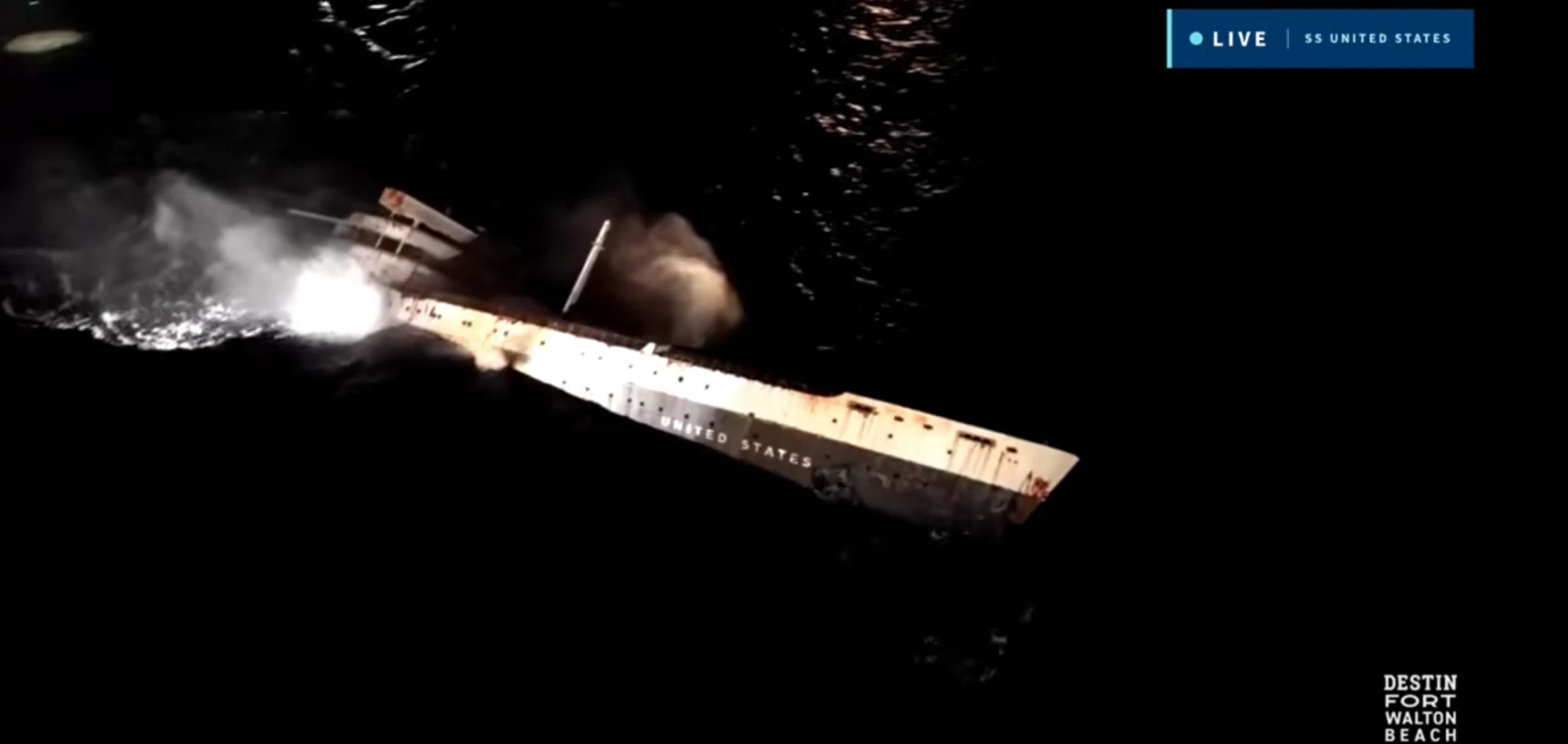
The shipwreck operation was originally planned to be held on November 12, with a special commemorative ceremony arranged. However, due to the deterioration of local weather conditions, the engineering team decided to implement it 24 hours in advance. At 1 pm local time on November 11, the marine engineering contractor opened the original engine water inlet valve of the "America" to allow seawater to enter the hull at a predetermined speed. The entire process is precisely controlled to ensure that the hull remains stable and eventually sinks to the bottom of the sea in an upright state, rather than capsizing or disintegrating during the sinking process.
The shipwreck operation was completed at 9:02 pm that day. Since environmental regulations prohibit the use of explosives for shipwreck operations, engineers used water injection to complete the entire process. This method can not only control the sinking speed of the hull, but also help avoid the additional impact of the explosion on the surrounding marine environment.
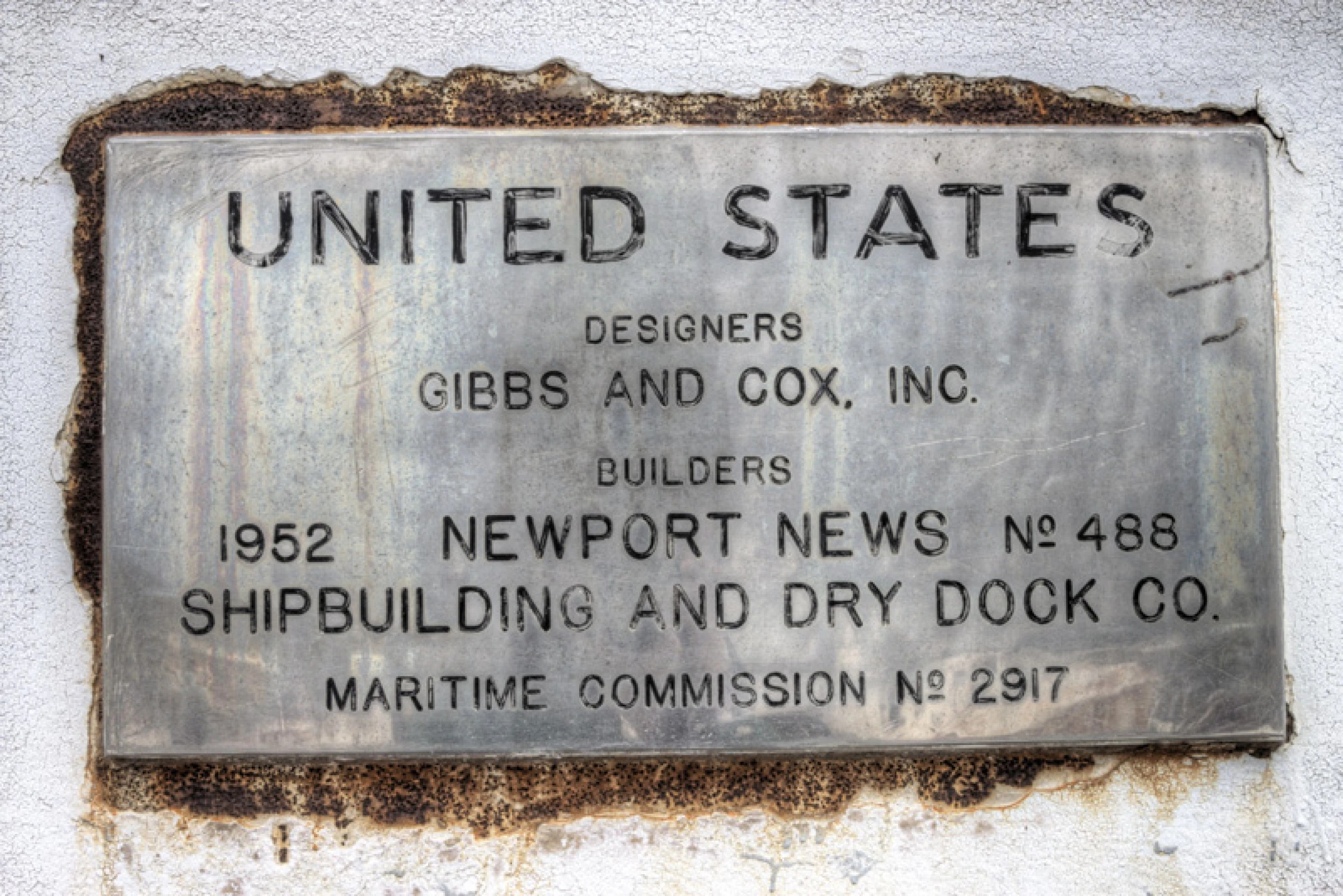
The "USS America" was put into commercial operation in 1952. It is the largest ocean liner ever built in the United States, with a length of about 302 meters and a maximum displacement of about 48,022 tons. In order to reduce the weight of the hull, its huge superstructure is largely made of aluminum alloy. At that time, this was a quite advanced engineering technology, because the processing and manufacturing of large-scale aluminum alloy structures was much more difficult than traditional steel structures.
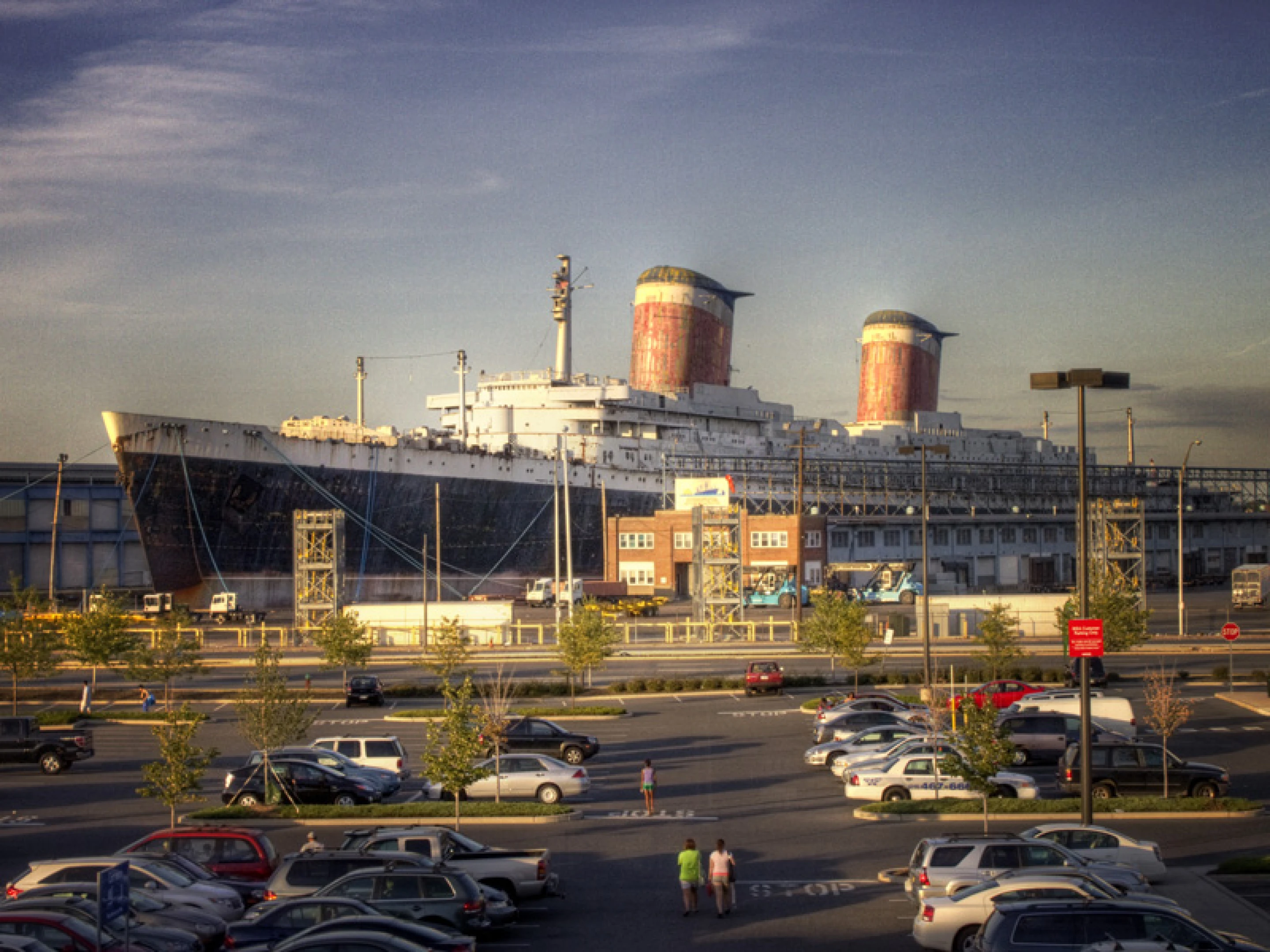
The ship was also designed with fire safety in mind. Previously, the ocean liner "Castle de Morrow" and the "Normandy" had serious fire accidents, so the "America" was designed to reduce the use of flammable materials as much as possible. Materials such as glass, metal, fiberglass, asbestos and plastic are used extensively on the ship, and the use of wood is strictly restricted. Even the two large pianos on the ship had to undergo special tests to prove that their wooden parts still had a certain fire resistance in a gasoline burning environment before they were allowed to be installed.
However, the most famous achievement of the "America" is not its huge size or special fireproof design, but its amazing sailing speed.
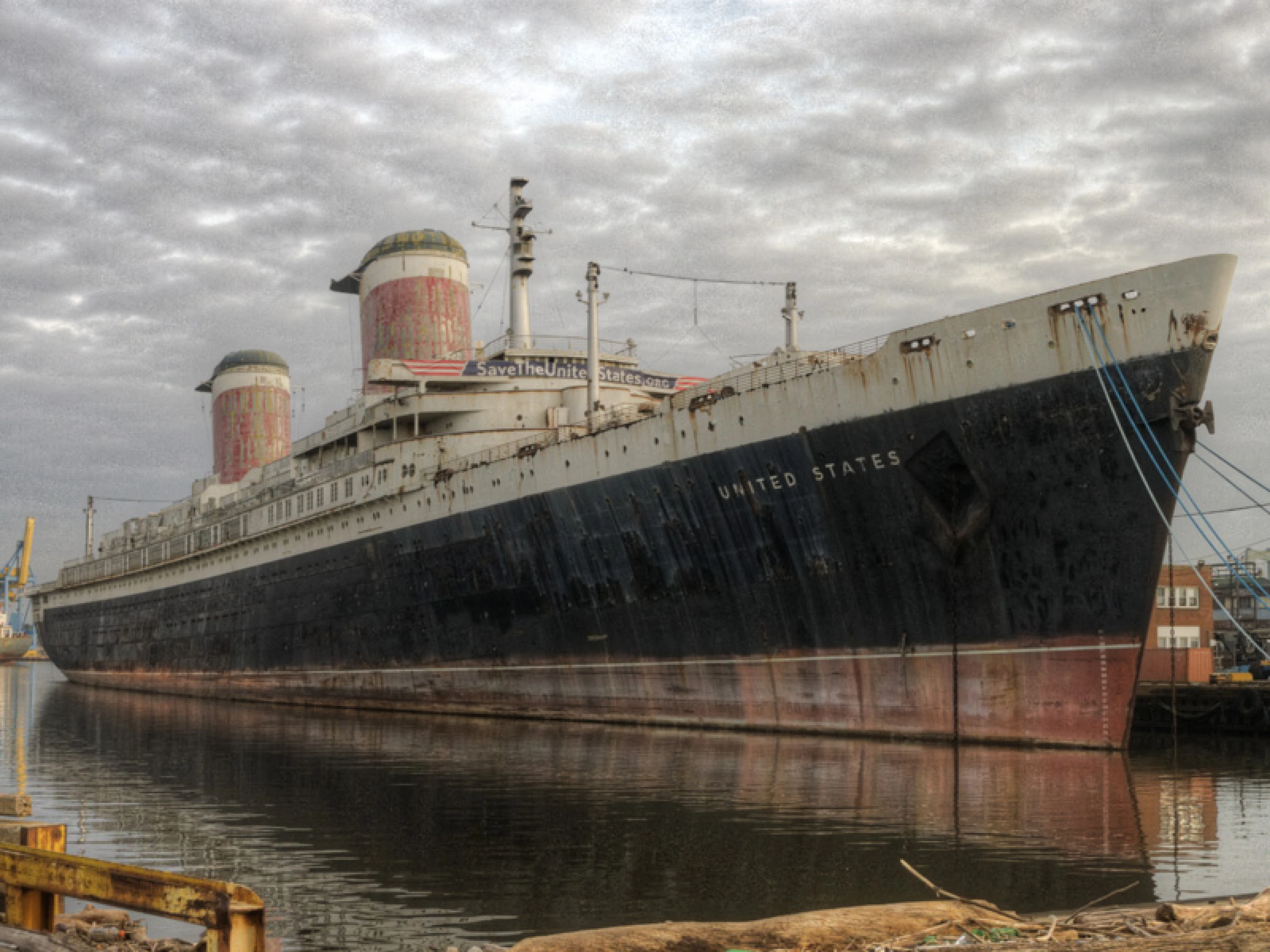
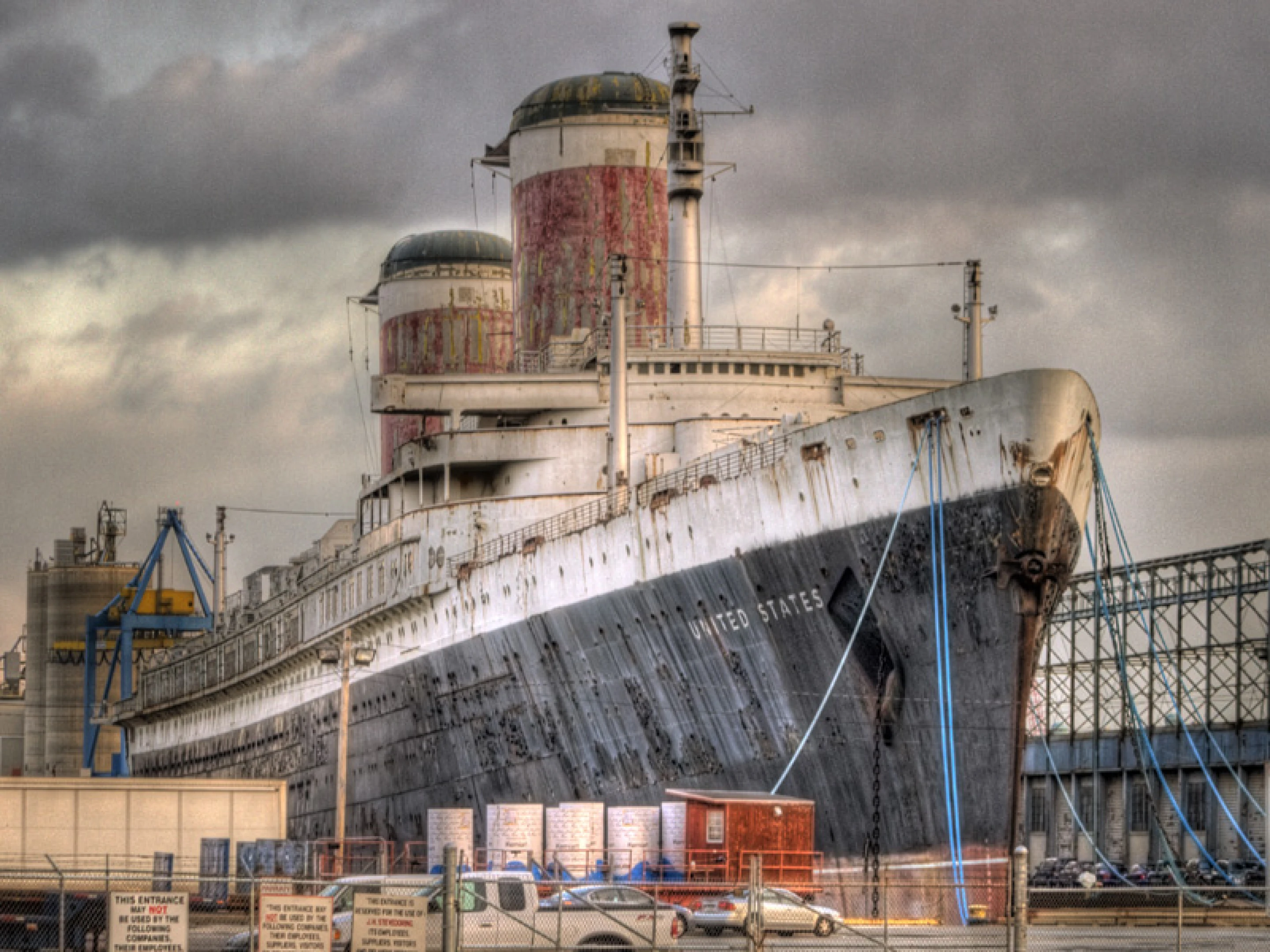
In the first half of the 20th century, there was a speed competition among ocean liners known as the Blue Riband, which rewarded the passenger ship that could cross the Atlantic with the fastest average speed. This is not only a publicity honor for shipping companies, but also promotes the development of ship power systems and hull design technology.
In 1952, on its first voyage, the "America" broke the record held by the British ocean liner "RMS Queen Mary" since 1938, shortening the time to cross the Atlantic by 10 hours and 2 minutes, with an average speed of 35.59 knots, equivalent to 65.91 kilometers per hour. It is worth noting that this is not the maximum speed of the ship. The instructions the captain received at the time were just to break the existing record while retaining a certain speed margin so that he could break the record again when competitors appeared in the future.
This transatlantic passenger ship speed record has not been broken to this day, making the "America" the fastest ocean liner in history.
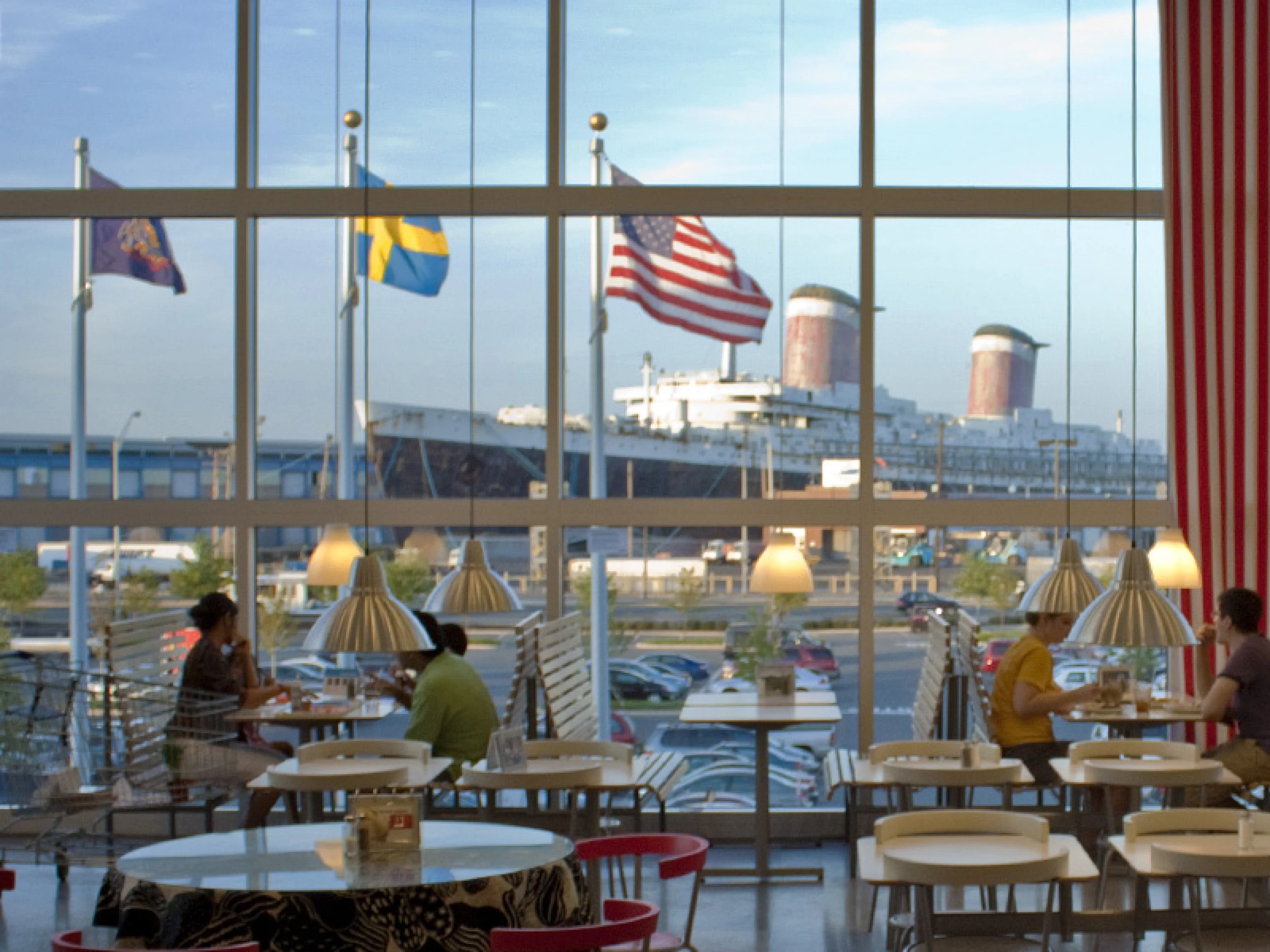
During its operation, the ship hosted four U.S. presidents, Ethiopian Emperor Haile Selassie, the Duke and Duchess of Windsor, and many other notable figures including Marilyn Monroe, John Wayne, Cary Grant, Elizabeth Taylor, Sean Connery, Coco Chanel and Salvador Dali. More than just a ship, it was a symbol of the golden age of transatlantic travel.
However, with the rapid popularity of jet airliners in the 1960s, the commercial status of ocean liners began to decline. Jet aircraft such as the Boeing 707 can complete cross-continental travel in less time, and more and more passengers are turning to air transportation. American Shipping Lines, where the "America" is located, is also facing problems such as union disputes and reduced government support, and passenger demand continues to decline. Finally, the giant ship ceased operations in 1969.
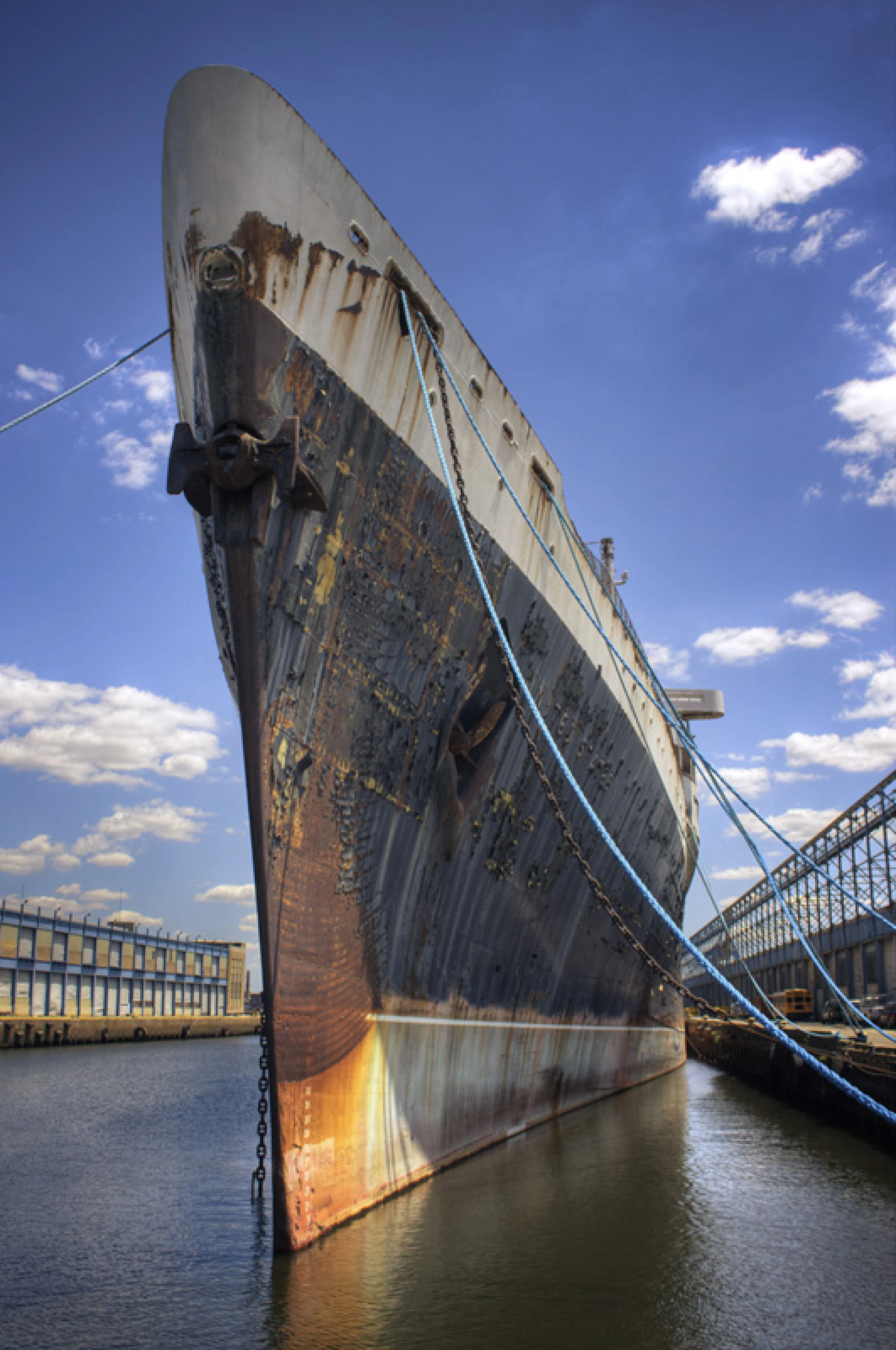
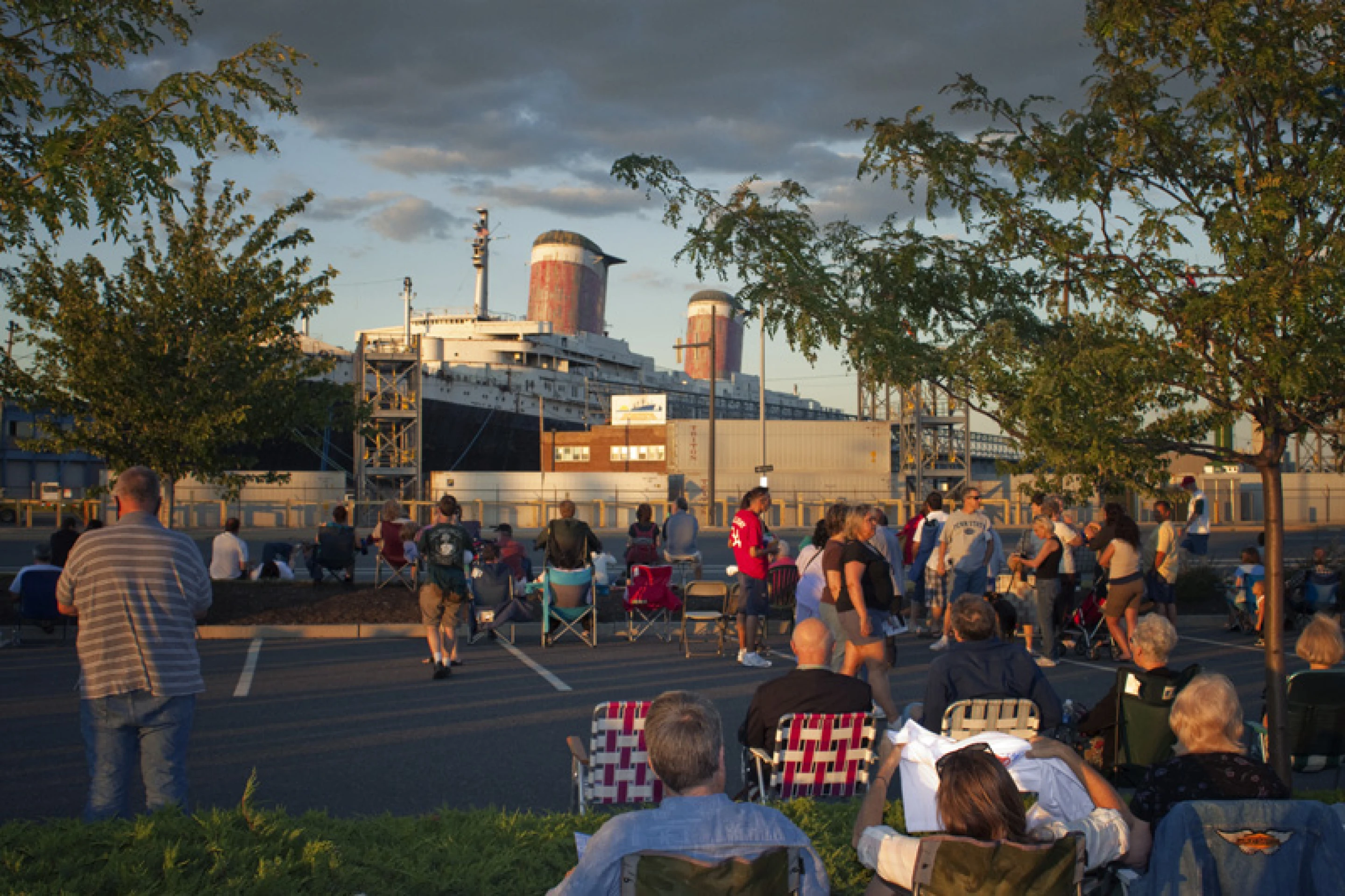
In the following decades, the "America" remained anchored in the port, with its hull gradually rusting and its ownership changing several times. There were proposals to transform it into a cruise ship, hotel, entertainment center or maritime museum, but these plans ultimately failed to materialize due to funding, debt and legal disputes. Due to long-term arrears in berth fees, the ship was eventually asked to leave its original berth.
The turning point came when Okaloosa County decided to acquire the boat and transform it into a large artificial reef. This project not only required towing the giant ship to the designated sea area, but also required large-scale cleanup and renovation.
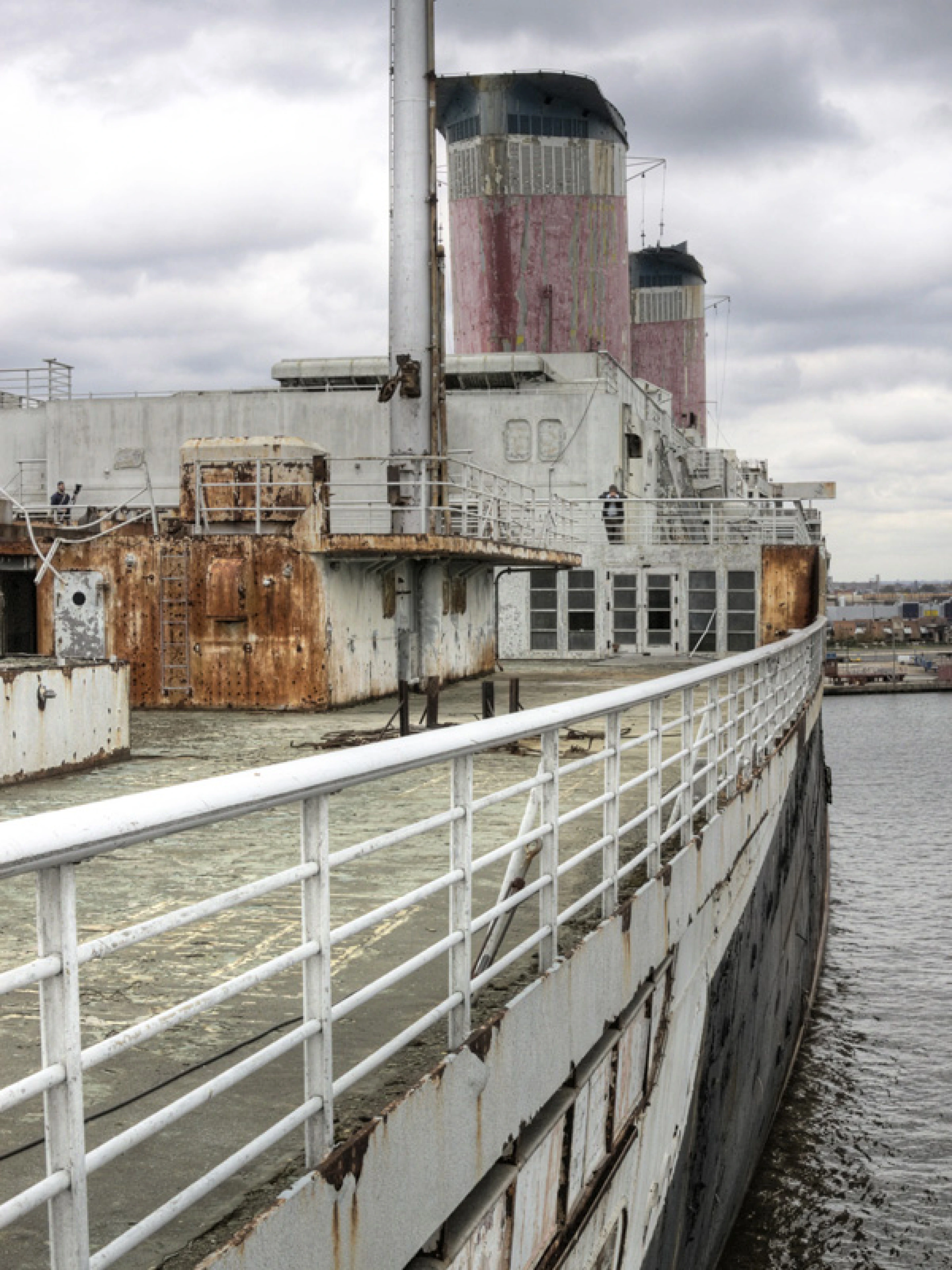
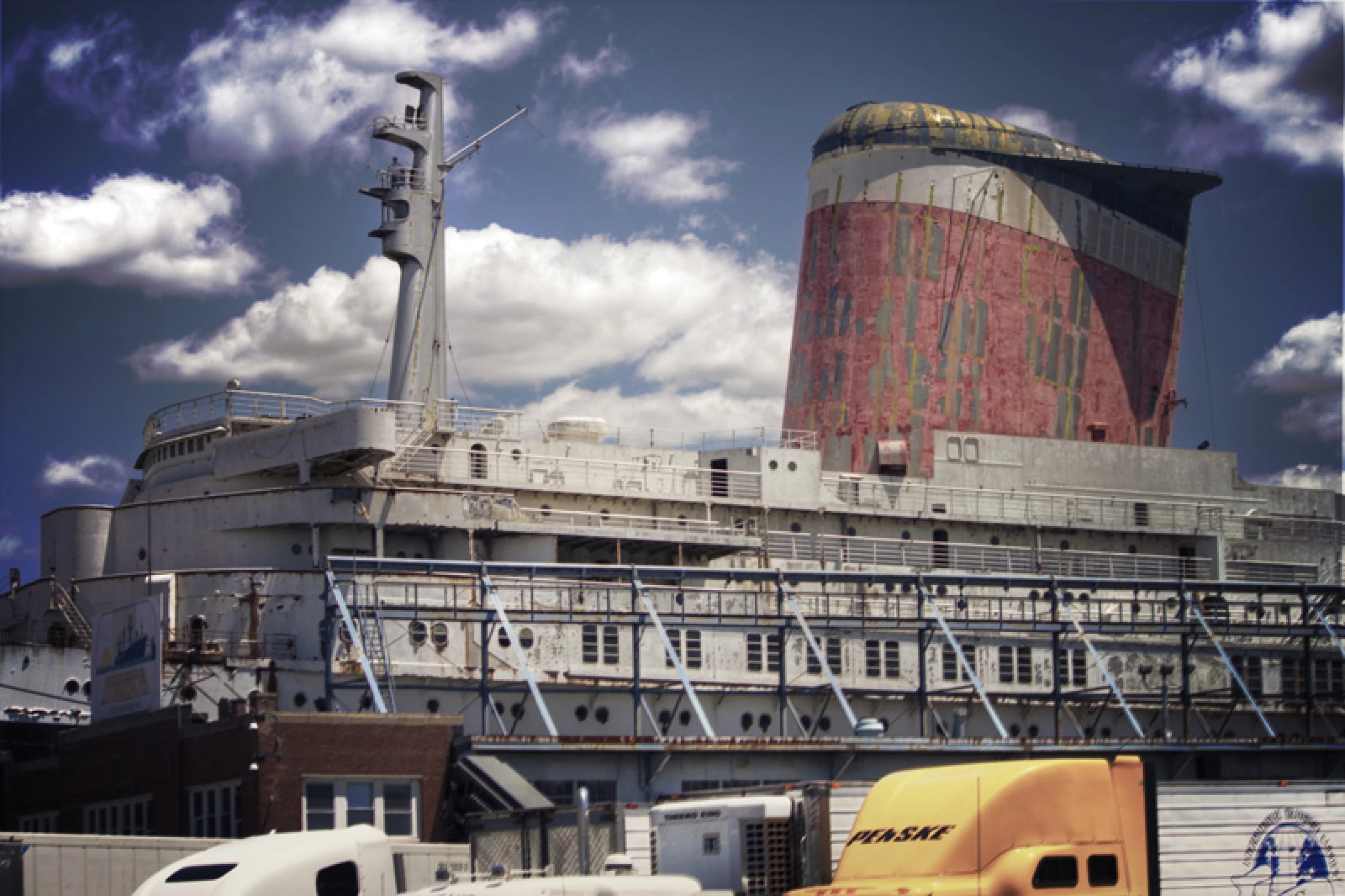
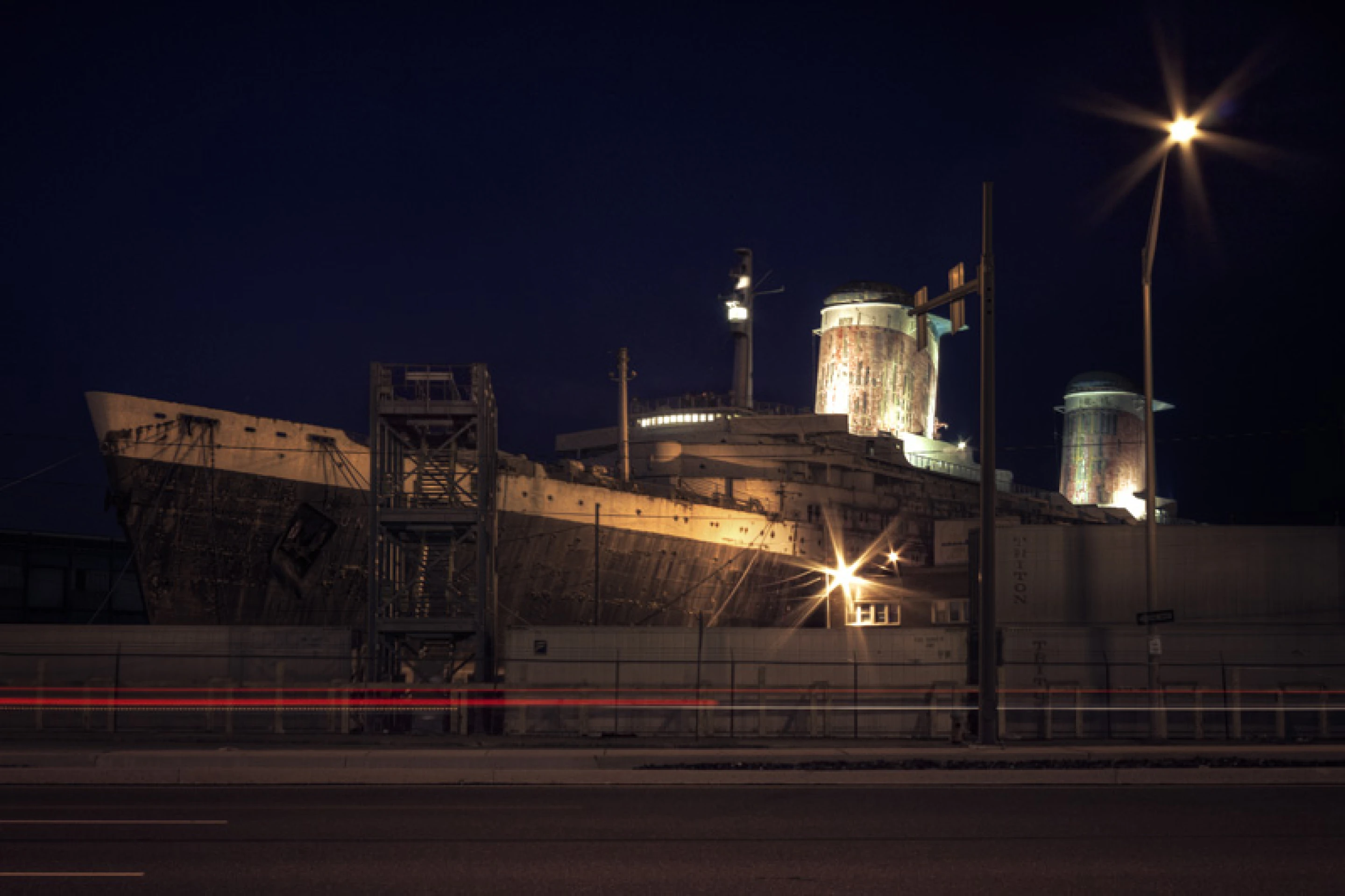
Engineers dismantled the ship's two large chimneys, the radar mast, some superstructures and internal facilities, opened necessary water inlet holes in the hull bulkhead, and removed a large amount of residual fuel and other substances that may pollute the marine environment. All these preparations are to ensure that the shipwreck does not cause unnecessary harm to the marine ecosystem.
Today, the USS America has sunk into a designated artificial reef area about 40.7 kilometers southwest of Destin, Florida. The coordinates are 30 degrees 07.148 minutes north latitude and 86 degrees 46.755 minutes west longitude. The waters are about 22 nautical miles away from the coast.
In the future, corals, barnacles and sea anemones will gradually adhere to the surface of the ship's hull, becoming a new habitat for marine life. Ballrooms, theaters, deck corridors and cabins that once hosted presidents and royalty will now be home to marine life including triggerfish, groupers, snappers and moray eels. At the same time, this huge underwater structure will also attract diving enthusiasts and become a new local marine tourism resource.
For the "America", this is both a complete farewell and a special continuation. Once an icon of the transatlantic shipping era with its speed and engineering prowess, it will live on in a completely different way on the seafloor. From a luxury liner carrying thousands of passengers to a huge artificial reef housing marine life, the ship's 74-year history finally came to an end in a rather symbolic way.
Comments