
Abstract:
Cybersecurity researchers recently disclosed that a piece of malware called Remus is attracting widespread attention. Unlike traditional stealth programs, the malware was found to be able to steal authentication tokens associated with Google accounts, allowing attackers to retain access to Gmail accounts in some cases even after the victim changed their password.
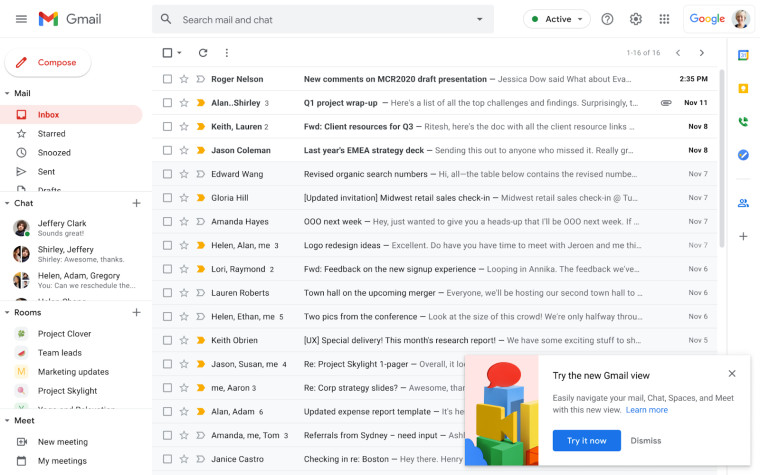
Researchers pointed out that Remus is an information-stealing malware that mainly targets Windows system users. Similar to common password-stealing malware, it attempts to collect login credentials, cookies, cryptocurrency wallet data, and other sensitive information saved in the browser. However, its most alarming capability lies in its attack methods against the Google account authentication mechanism.
According to the analysis, the attacker does not necessarily need to obtain the user's password itself. Instead, Remus attempts to obtain the authentication token used in the browser to maintain login status. When these tokens are successfully stolen, attackers may use them to impersonate legitimate users to access related accounts.
Security experts said that many users believe that as long as they immediately change their passwords after discovering an abnormality in their account, they can completely cut off the intruder's access rights. However, if the attacker has an authentication token that is still valid, simply changing the password may not immediately invalidate it, which is why this security warning is of great concern.
Researchers mentioned that the operators of Remus even used this ability as one of their promotional selling points, claiming that they could continue to access some Google services after the victim changed their password. Although relevant claims still need to be evaluated in the context of actual attack environments, the security community generally believes that this type of attack method that uses session tokens instead of traditional passwords does represent the current development trend of cybercriminal activities.
It is worth noting that this type of attack does not mean that the Google account security mechanism has been completely breached. Experts explain that at the heart of the problem is the theft of credentials on infected devices. Once an attacker obtains valid authentication information, the system may mistake him or her for a legitimate user who has been authenticated.
To reduce risks, security researchers recommend that users not only change their account passwords after discovering that their devices are infected with malware, but also actively log out of all logged-in devices and sessions, check account security settings, and enable multi-factor authentication. At the same time, the infected device should be thoroughly scanned and cleaned to prevent malware from continuing to steal new identity information.
Industry insiders pointed out that with the popularity of browser synchronization functions, persistent login mechanisms and cloud services, cybercriminals are increasingly inclined to steal advanced authentication data such as session tokens, rather than just obtaining user names and passwords. Compared with traditional account theft methods, this type of attack is often more subtle and more difficult for users to detect in time.
Security experts call on users to be more vigilant, avoid downloading software from unknown sources, cracking tools or suspicious attachments, and update operating systems and security software in a timely manner. For users who suspect that their accounts have been compromised, in addition to changing their passwords, they should also check their login history, revoke unknown device authorizations, and re-establish a secure authentication environment to ensure that attackers cannot continue to use leaked authentication information to access their accounts.
Comments