
Abstract:
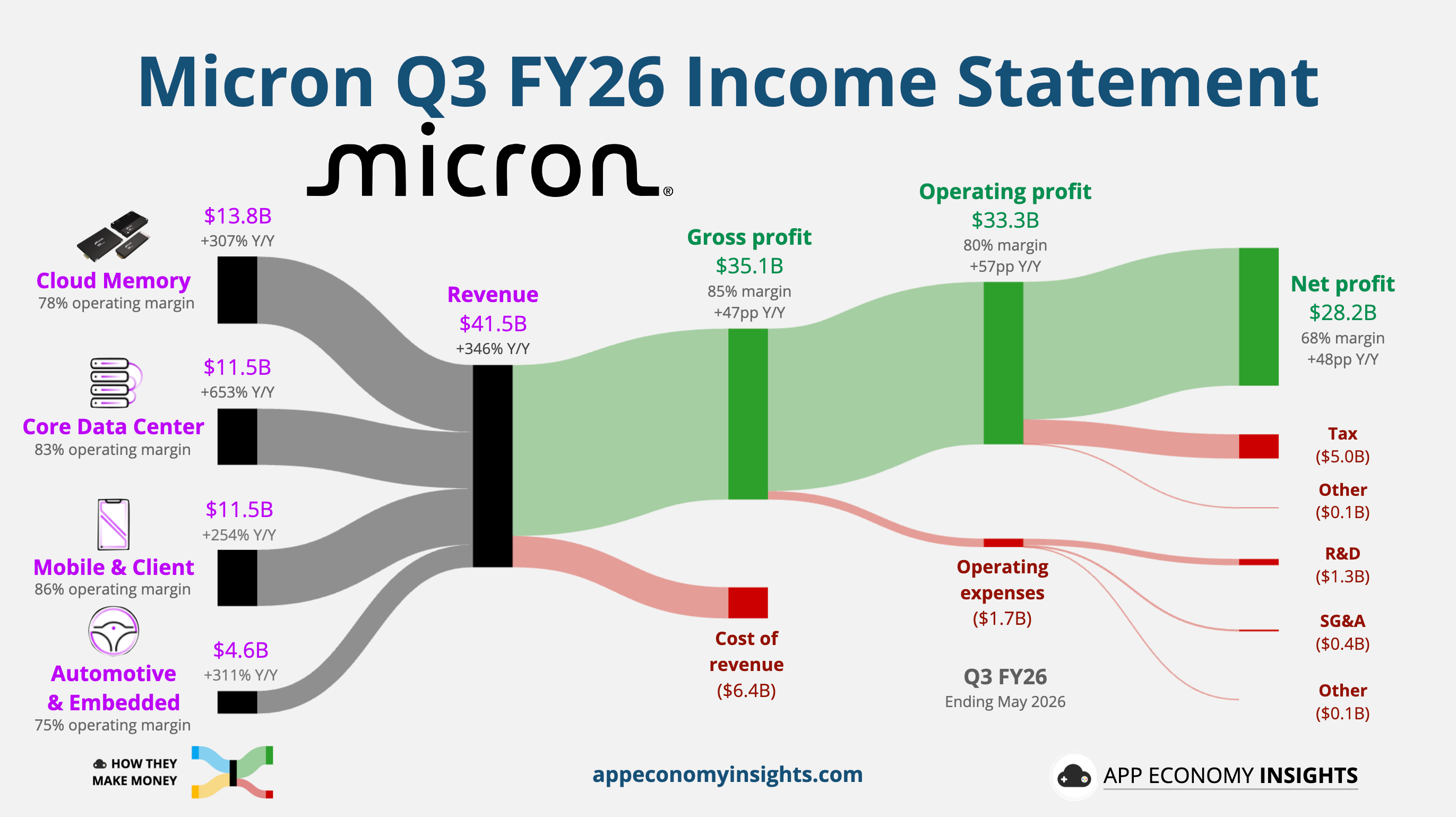
Profits for DRAM and NAND flash memory makers have soared as the artificial intelligence boom drives demand for memory chips. After SK Hynix and Samsung have paid generous bonuses to employees, union members at Micron Technology began to question when the company will allow employees to share in this wave of bonuses.
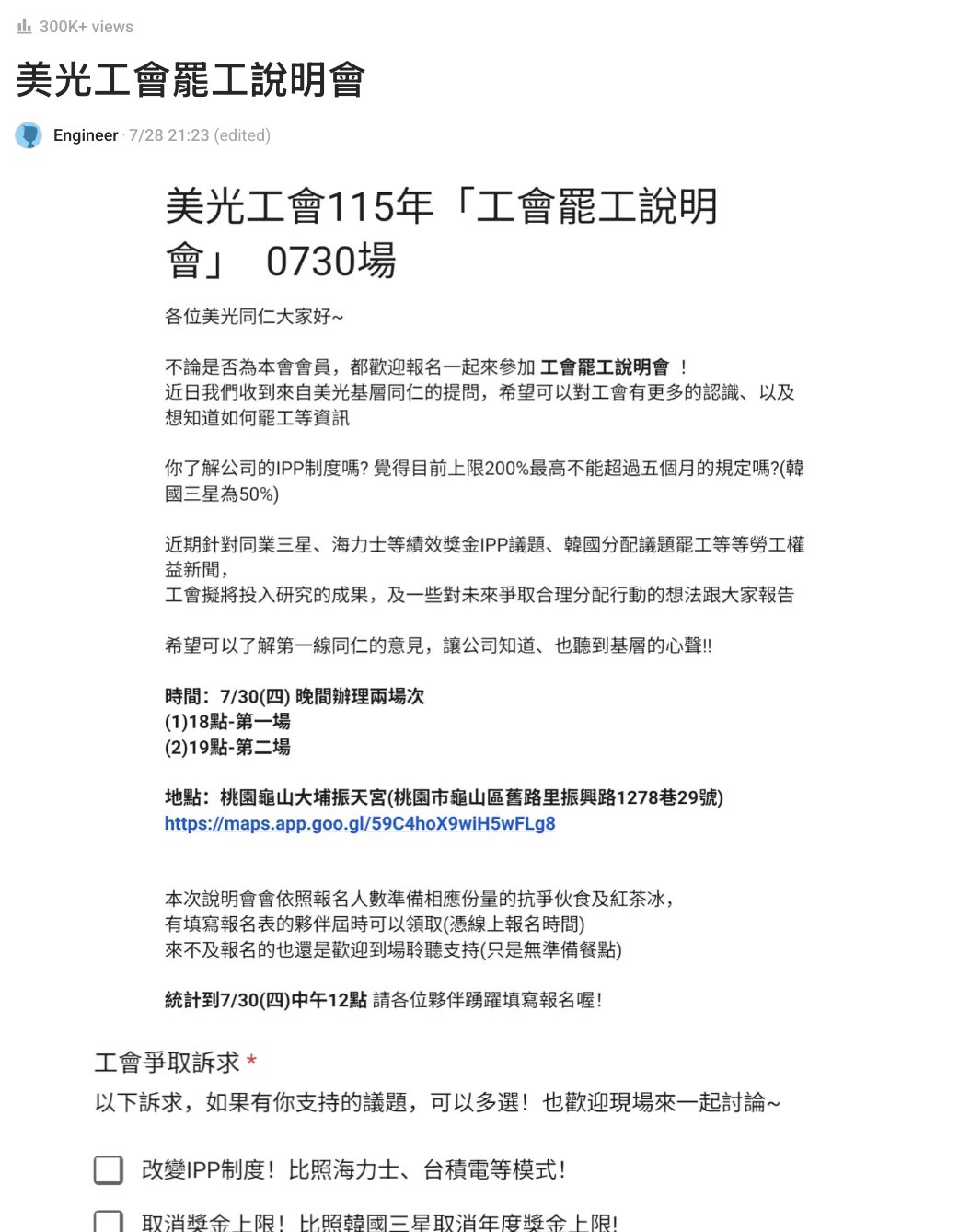
Taiwanese media recently reported that Micron’s two major labor unions are dissatisfied with employee pay levels amid the company’s rapidly expanding profits. The union may threaten to strike, which may not only disrupt the already tight global supply of memory chips, but may also further push up the prices of various technology products.
Union Chairman Lin Zherui pointed out that Micron’s profits have hit a new high in the AI wave. Data centers and other hardware that provide computing power support for large language models require a large amount of memory. Therefore, companies operating data centers, as well as technology giants actively deploying generative AI, have booked a large amount of DRAM and NAND production capacity from manufacturers such as Micron, SK Hynix and Samsung.
Faced with strong demand, these three major memory chip manufacturers have all raised product prices, passing on higher costs to consumers, while pushing their own profits to unprecedented levels. The AI boom has also pushed the market values of Micron and SK Hynix to exceed US$1 trillion.
However, bonuses received by Micron employees have not grown in tandem with the company's earnings. According to a union promotional material purportedly circulated in Taiwan forums, employee bonuses are still limited to a level equivalent to 200% of salary for a five-month period. The netizen who posted the information said that as a result, the number of Micron union members has nearly increased tenfold this year.
Micron employees are likely to be envious of the treatment of SK Hynix and Samsung employees. Both South Korean tech giants earlier this year gave employees bonuses worth hundreds of thousands of dollars. SK Hynix pays about $477,000 to each employee, which could rise to $900,000 next year, while Samsung narrowly avoided a strike by paying bonuses of about $340,000.
Even a brief shutdown of Micron's factories could significantly damage the company's profits and trigger a chain reaction in the supply chain, further raising the price of products for consumers. If the company's union formally threatens to strike, its demands could include increasing or eliminating bonus caps and overhauling retirement benefit packages. Preliminary negotiations between the two parties are expected to start in mid-September.
Although there is still uncertainty about whether the AI boom can be sustained in the long term, Nvidia's rising profits have temporarily postponed market concerns about a bubble. Amid public opposition to data center construction, project construction delays, and concerns that AI giants may hide huge debts, experts still expect that memory chip prices will continue to rise after 2027, and high price levels may continue after 2030.
Comments