
Abstract:
Chinese memory chip manufacturer Changxin Memory (CXMT) is accelerating its next-generation DRAM technology layout and plans to launch DDR5 RDIMM server memory products using 4F² memory cell architecture before the end of this year. Industry sources say that if the relevant plans are successfully implemented, Changxin Storage's commercialization progress on this key technology route may be about two years ahead of Samsung Electronics, which has attracted great attention in the global storage industry.
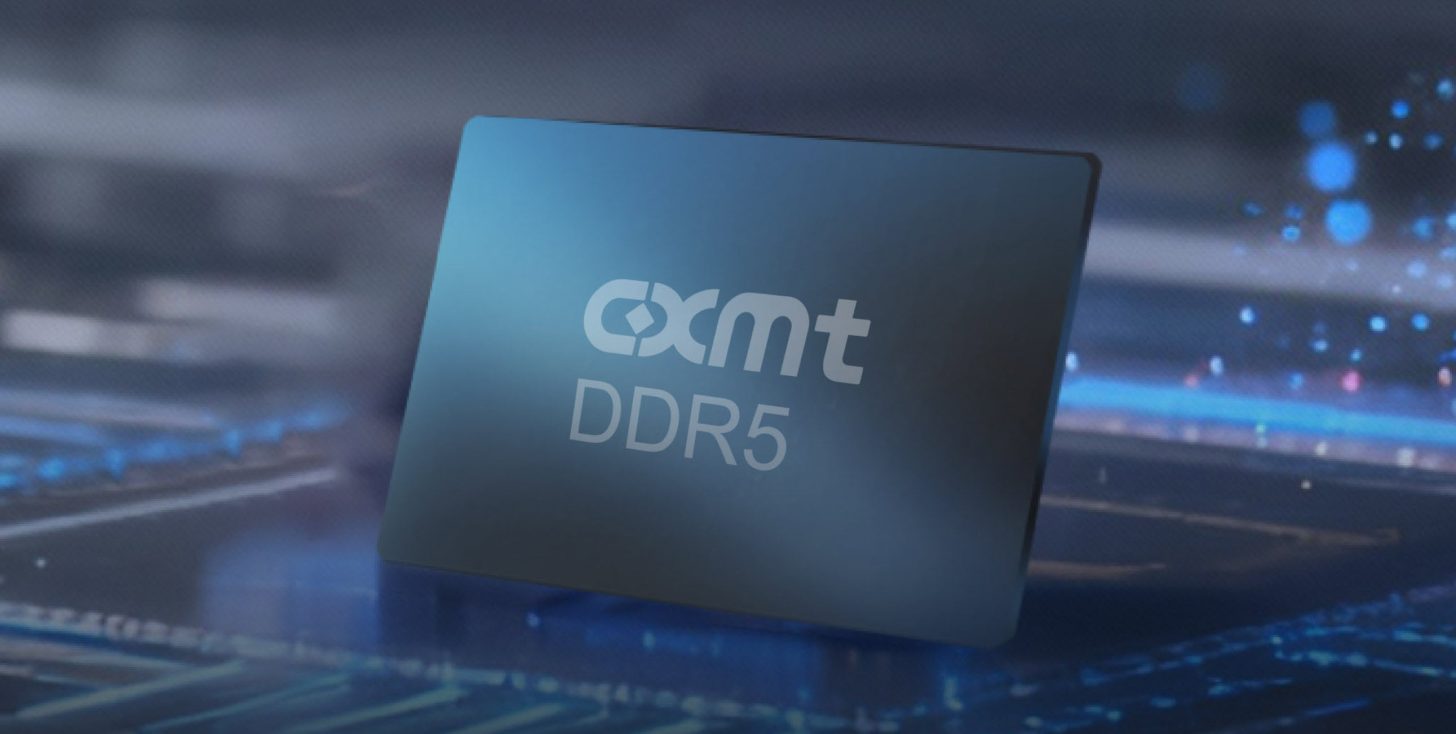
The report stated that the 4F² memory cell architecture is considered an important technology node in the DRAM shrinkage process. Traditional DRAM memory cells usually occupy a larger silicon area, while the 4F² design accommodates more memory cells on the same wafer area by further compressing the cell size, thereby increasing chip capacity and reducing unit storage costs. As the manufacturing process continues to approach physical limits, how to continue to improve storage density has become a core challenge facing DRAM manufacturers.
For a long time, major global memory manufacturers including Samsung, SK Hynix and Micron have been studying the next generation of high-density DRAM architecture. However, large-scale commercialization has progressed relatively slowly due to extremely high difficulties in design complexity, manufacturing processes, and yield control.
The latest news shows that Changxin Storage is planning to take the lead in introducing the 4F² architecture into DDR5 RDIMM products. RDIMM is a registered dual in-line memory module. It is mainly targeted at the server and data center markets and is widely used in artificial intelligence training, high-performance computing and cloud computing infrastructure.
The industry believes that if Changxin Memory can complete product releases as planned and achieve stable mass production, it will mean that it will not only continue to expand its production capacity, but also make breakthroughs in the field of core DRAM architecture innovation. For the server market, higher storage density means the ability to deploy larger-capacity memory under the same space and power consumption conditions, which is particularly attractive to AI data centers.
The report pointed out that Samsung’s current mass production schedule on similar technology routes is still expected to take several years. If this judgment is accurate, Changxin Storage may gain about two years of time advantage in the commercialization of 4F² architecture-related products. However, since the relevant projects are still in the advancement stage, the final mass production progress, product performance and actual yield levels still need to be further verified.
In recent years, with the rapid development of generative artificial intelligence and large-scale language models, the demand for high-capacity and high-bandwidth memory in global data centers continues to rise. In addition to HBM high-bandwidth memory attracting much attention, the traditional DDR5 server memory market is also ushering in a new round of upgrade cycles. For storage manufacturers, whoever can take the lead in breaking through higher-density DRAM technology will have the opportunity to occupy a favorable position in the next stage of market competition.
Analysts believe that Changxin Memory's promotion of 4F² architecture DDR5 RDIMM products is not only related to the release of a single product, but also regarded as an important signal for China's storage industry to move towards more advanced DRAM technology nodes. If the project is successfully implemented, it is expected to enhance its competitiveness in the global server memory market and further narrow the technology gap with leading international manufacturers.
Comments