
Abstract:
In order to attract traffic and obtain rewards, online anchors continue to try various novel ways of interaction. Recently, a Chinese female anchor has attracted the attention of overseas netizens with a rather alternative live broadcast method: the audience only needs to pay 50 yuan to let her and the chair rotate in a circle. As related videos spread on social platforms, this method of directly linking the anchor's body movements with paid interactions has aroused widespread discussion.
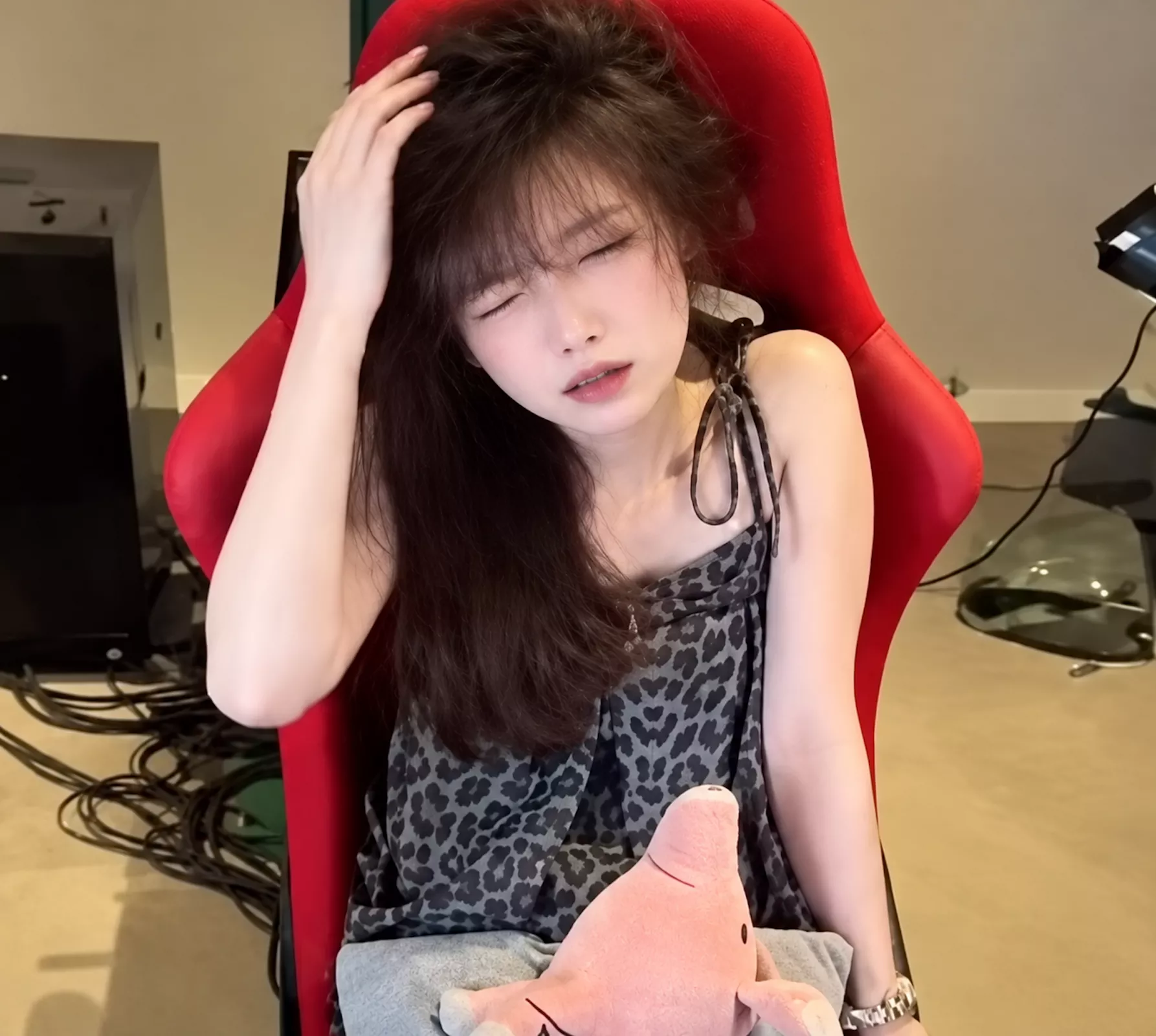
The anchor’s name is Fanqie Jiang Ye. Different from the common singing, dancing, game live broadcast or gift giving, she turned a rotating chair into the main selling point of the live broadcast room. Viewers pay 50 yuan, or about $7.50, to trigger a spin. Related videos show that some viewers paid one after another to have the chairs rotate repeatedly, so the anchor had to perform continuous spinning performances.
What’s special about this interactive method is that the money paid by the audience is no longer just for expressing support or sending virtual gifts, but can directly trigger the host’s physical actions. As long as someone keeps paying, the spin show will likely keep repeating. For the live broadcast room, this design transforms the payment behavior into an immediate feedback. The audience can not only watch the performance, but also influence the progress of the performance by paying.
The relevant video subsequently circulated on social media and was forwarded by overseas netizens, triggering a lot of discussion. Some people feel incredible about this live broadcast format, while others lament that competition in the online live broadcast industry is fierce nowadays, and anchors even need to use such unexpected methods to attract audiences in order to gain attention and income.
However, what is most concerning about this incident is not just its curious nature, but also the control issues involved behind the paid interaction. When the audience can directly trigger another person's physical movements through money, whether paying means purchasing a pre-agreed performance or gaining control beyond a reasonable range becomes an issue worthy of discussion.
The media TechSpot compared this incident to the first episode of the seventh season of the Netflix science fiction series "Black Mirror" "Common People". In the episode, a couple relies on a subscription-based technology to keep their wife alive, but as the cost of the service continues to rise, the husband is forced to live-stream harming and humiliating himself in exchange for audience payments to cover his wife's related expenses. The series thus demonstrates how commercial platforms take advantage of people's plight and how payment mechanisms gradually erode personal dignity and autonomy.
Of course, there are obvious differences between the real-life rotating chair live broadcast and the extreme plot in "Black Mirror", and the two cannot be simply equated. But both touch on a similar issue: when a certain behavior can be directly priced and sold to audiences through the Internet, how should the autonomy and behavioral boundaries of participants be protected?
At present, the original content of this live broadcast has not been independently verified, and relevant reports have not fully explained the specific technical implementation method. For example, it is still unclear through what mechanism the viewer's payment triggers the rotation of the chair, what kind of equipment is used for the rotation device, how the payment instructions are connected to the hardware, and whether the anchor can pause or refuse to continue rotating at any time.
As for how the system handles multiple payments received in a short period of time, the existing video does not give a clear answer. It remains to be confirmed whether each payment will trigger a full spin, whether devices will be queued to execute instructions, and whether streamers will be able to decide for themselves when to stop. Therefore, it is impossible to judge all the rules of this interactive mechanism based only on the clips circulated on the Internet, nor can it be determined whether the anchor will suffer a physical burden beyond his expectation.
This live broadcast once again demonstrated the diverse strategies adopted by online content creators to compete for attention. Compared with the traditional way of attracting audiences by relying on talent, knowledge or entertainment content, linking audience payment with immediate and visible actions can make the interactive results more intuitive and make it easier for some viewers to make repeated payments.
However, whether this model can be sustained in the long term ultimately depends on audience interests, platform rules, and the boundaries acceptable to the participants themselves. It not only reflects the continuous changes in interactive design of the live broadcast economy, but also reminds people that in scenarios where payment can directly affect the behavior of others, the boundaries between technical mechanisms, performance conventions and personal autonomy should not be ignored.
Comments