
Abstract:
New York Governor Kathy Hochul has signed a bill that would restrict automakers, dealers and third-party service providers from charging consumers subscription fees for features built into vehicles or to unlock them after purchase. The bill, numbered S.9348A/A.10411A, will officially take effect on February 27, 2027.
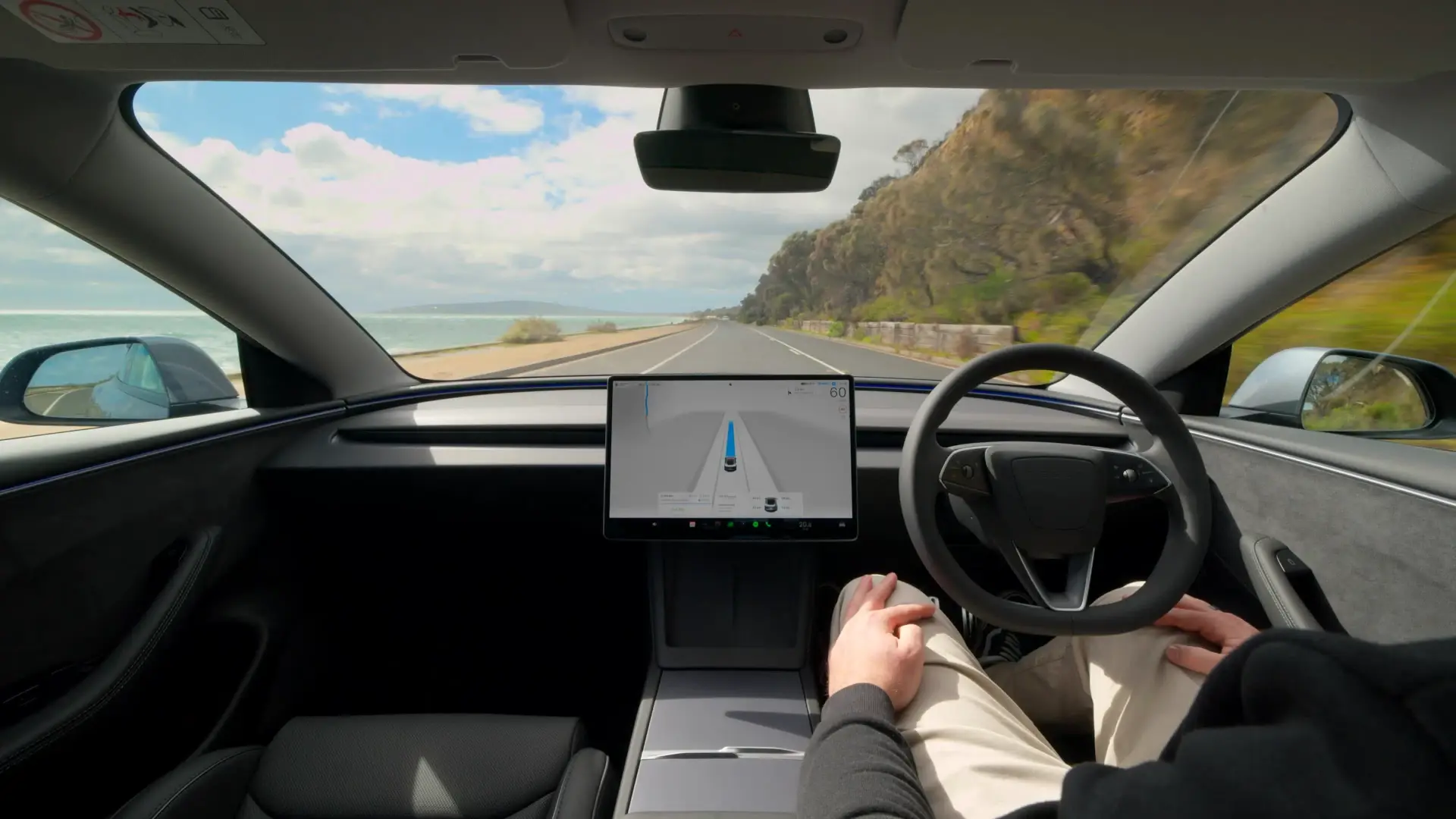
According to the new regulations, relevant companies will not be allowed to provide car owners with subscription services or additional charges for functions that use pre-installed parts or hardware on vehicles and do not incur ongoing operating costs for manufacturers or dealers. This means that functions that are already installed on the vehicle, such as seat heating, enhanced navigation, hands-free driving assistance, and in-car entertainment, can no longer be set as separate paid items if they do not involve ongoing operating expenses.
This legislation targets the "hardware subscription" trend that has become increasingly common in the automotive industry in recent years. Some car companies already equip vehicles with relevant hardware when they leave the factory, but require car owners to pay monthly or annual payments to activate or use these functions. Critics argue that this approach leaves consumers having to pay continuously after purchasing a car to use the features that should come with the car.
Hochul said that New Yorkers are under pressure from rising prices, and the state government will not allow business practices that harm the interests of consumers and further push up the cost of living. She pointed out that consumers have already paid for the car and should not pay extra for features that should be automatically included in the vehicle. She called such practices deceptive business practices and said the state would not accept this model.
Before the bill was signed, Mohawk Chevrolet dealership president Andy Gelcher defended the subscription model. He believes that car companies usually have two options when adding configurations to vehicles: either directly increase the price of the vehicle, or adopt a subscription model. He said that many features involve software and ongoing support services. If they are equipped as standard on all vehicles, it will ultimately increase the cost of buying a car for everyone; while the subscription model allows consumers to select features according to their needs, thus helping to reduce the basic car price.
However, the new law may also have another impact. Since some features that were originally charged through subscriptions may be included as standard equipment, the base selling price of the vehicle may increase. In the future, consumers may need to pay more for vehicles that include more features, rather than purchasing a vehicle at a lower price and then choosing whether to subscribe. This result is not inevitable, but it has become an issue worthy of attention after the implementation of the bill.
The core of the bill is to require car companies to distinguish between "installed hardware, no ongoing costs" and "requiring ongoing services or operational investment." For the former, New York State will prohibit the continued charging of subscription fees; functions that do involve ongoing costs such as cloud services, data transmission, remote support, etc. are not within the scope of this restriction. The measure is seen as an important step in U.S. states to strengthen consumer protections when it comes to car subscription fees.
Comments