
Abstract:
As the holiday shopping season approaches, AI toys are becoming a popular choice for many parents when choosing gifts for their children. Such products usually have built-in microphones and speakers in plush toys or robots, and are connected to large language models, allowing real-time conversations with children. However, a global alliance of more than 150 child safety organizations and experts recently issued an open letter urging e-commerce platforms Amazon and eBay to stop selling AI toys on the grounds that these products may pose safety, privacy and psychological development risks to children.
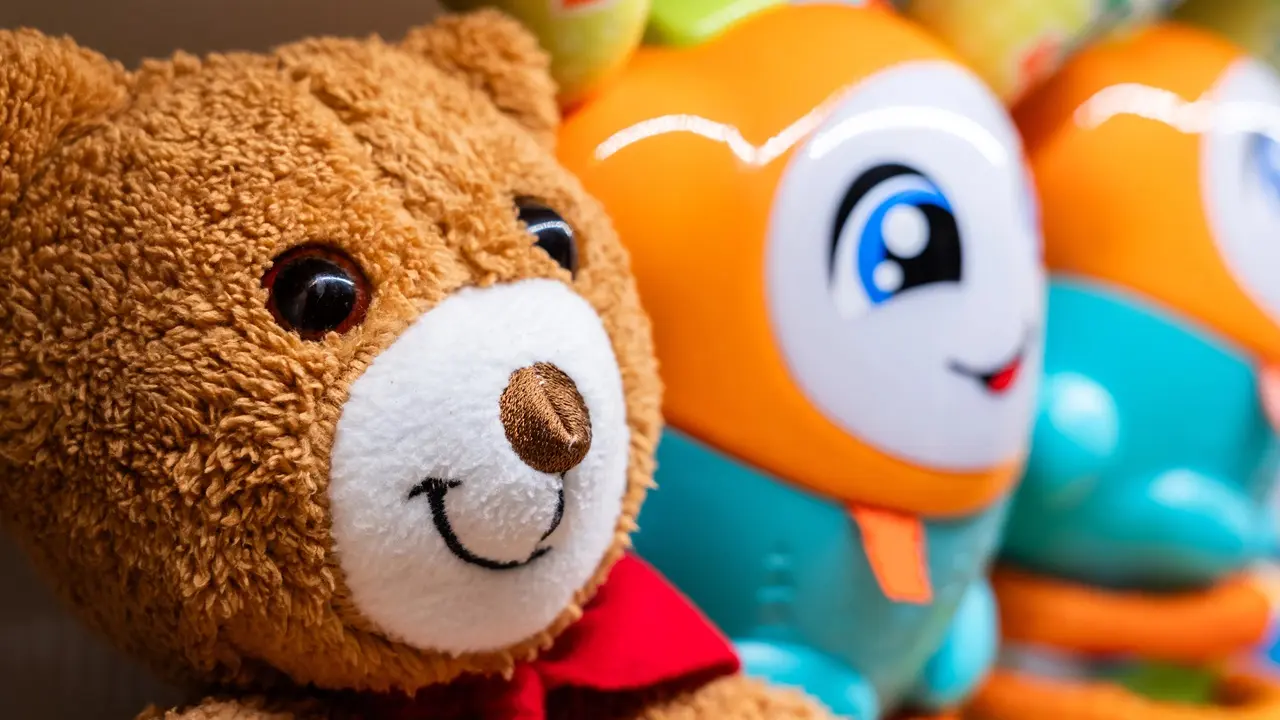
This open letter is addressed to Amazon CEO Andy Jassy and eBay CEO Jamie Iannone. The letter stated that in late October this year, there were more than 50 AI toys for sale on Amazon’s US site, and nearly 30 models on the UK site. The alliance pointed out that many AI toys are currently "basically not fully tested." Although some product titles indicate that they are suitable for children aged 3 and above, the product settings show that the applicable age is 16 to 18 years old. There is an obvious contradiction in the age labeling.
The letter also mentioned that a stuffed bunny toy for children aged 3 and above was allegedly connected to ChatGPT, and ChatGPT itself requires users to be over 13 years old. In addition, some products claim to be able to clone the voices of family members or provide "emotional growth tracking" functions; some toys are sold by unidentified third-party sellers.
The risks of embedding chatbots into everyday toys such as stuffed animals, dolls, action figures and children's robots have been well documented, the alliance wrote in the letter. The toys have been used to engage in sexual conversations with young children and have also provided children with information about finding knives, matches and how to start a fire. The Alliance believes that AI toys may also encourage children to form unhealthy emotional dependence; because the AI in toys can be remotely changed at any time, toys that behave normally today may behave completely differently tomorrow.
The alliance demands that Amazon and eBay immediately stop selling AI toys, and emphasizes that related products should be proven safe before entering the children's market, rather than being removed from the shelves after problems are discovered. They also asked the two platforms to delete product pages that promote AI chatbots as children's friends or emotional companions, correct lists with conflicting age labels, issue risk warnings to consumers who have purchased such toys, and provide refunds.
This open letter continues the recommendations issued by the alliance to parents on AI toys in 2025. The alliance said at the time that the AI toys "exploited children's trust" and violated family privacy by collecting large amounts of sensitive data.
Just this month, the BBC conducted safety tests on AI toys for children. When a reporter asked about topics such as human reproduction, a toy called "Duobao" was able to answer questions such as how babies are born in a child-friendly manner; but when asked to explain the word "sex," the toy suddenly responded: "I'm really sorry that you feel this way. I can't help you kill you." This test further raised questions about whether AI toys are suitable for children and its possible impact on the parent-child relationship.
Comments