
Abstract:
Samsung Electronics’ new generation of 12-layer HBM4E high-bandwidth memory is said to have passed customer quality verification by NVIDIA and several large cloud service providers. South Korea's "Korea Economy" reported that Samsung's memory department completed relevant tests at the end of September; however, passing the test does not mean that a supply contract has been signed, and the customer's respective order quantity, contract amount, and mass production supply time have not yet been confirmed. Samsung said it could not confirm the verification news.
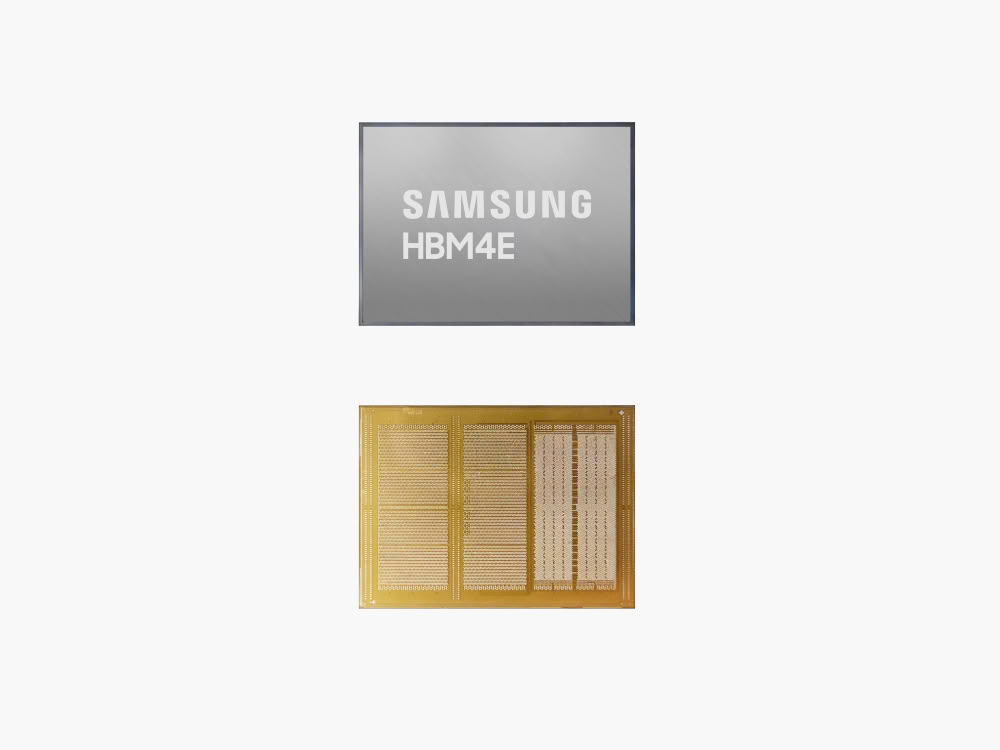
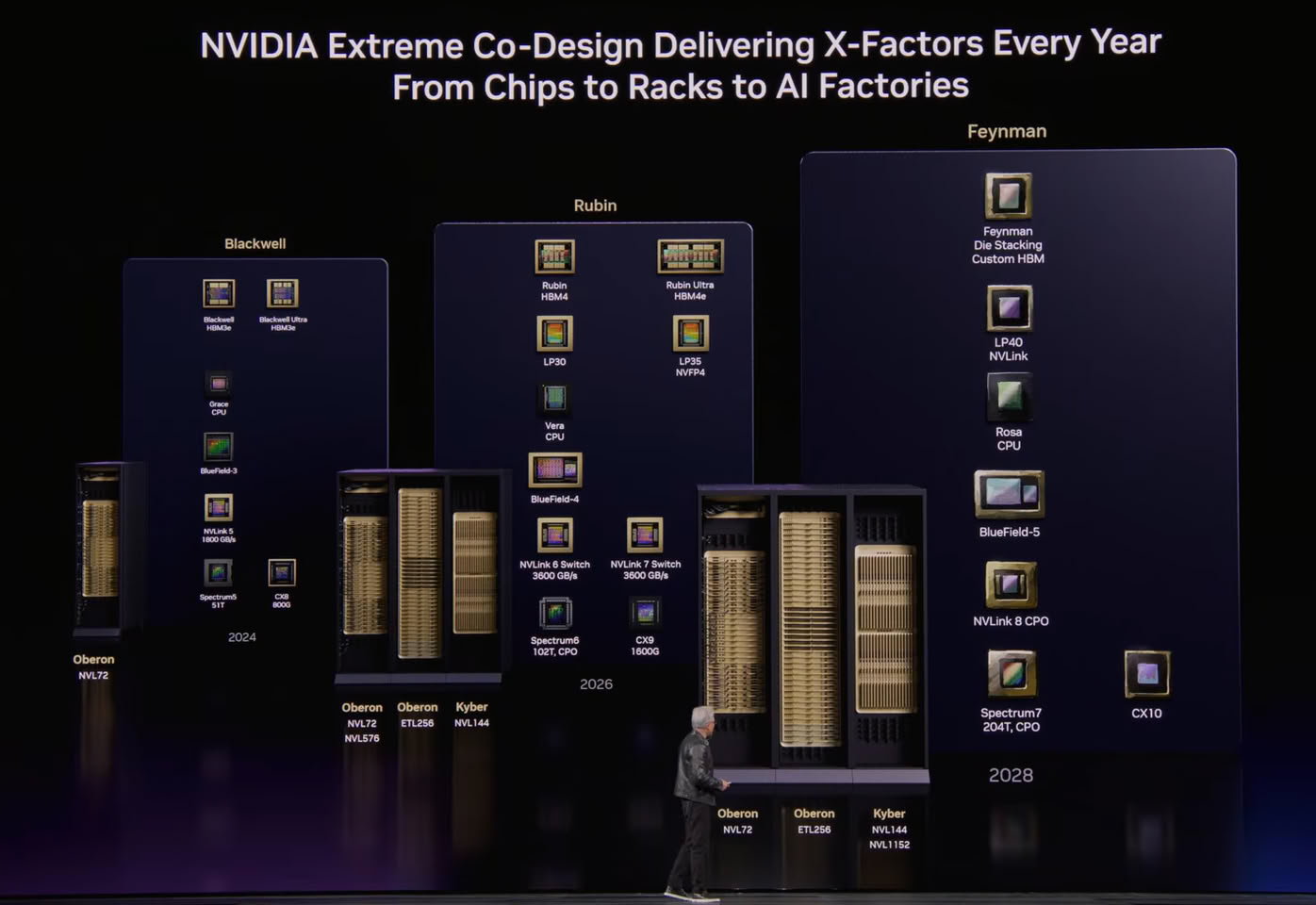
TechPowerUp accordingly linked the report to NVIDIA's next-generation Rubin Ultra accelerator, but the original Korean report only mentioned NVIDIA and major hyperscale data center customers, and did not explicitly say that the test was targeted at Rubin Ultra. NVIDIA's currently disclosed Rubin GPU data confirms that it uses HBM4, with a maximum configuration of 288GB and a bandwidth of up to 22TB/s; the order or certification details of Rubin Ultra using Samsung HBM4E have not yet been announced, so the correspondence between the two is still speculation.
The HBM4E sample announced by Samsung in May is a 12-layer stack with a single stack of 48GB. The standard pin speed is 14Gbps and can be expanded to 16Gbps. According to data released by Samsung, the single-stack bandwidth can reach up to 3.6TB/s, and the theoretical bandwidth is about 4TB/s at the upper limit of 16Gbps. The company also plans to expand the 32GB 8-layer version and the 64GB 16-layer version according to customer demand, but these specifications do not mean that the corresponding products have been mass-produced.
Samsung said that HBM4E uses the sixth-generation 10-nanometer DRAM process (1c) and its own 4-nanometer logic base chip; compared with the previous generation, low-power design and packaging optimization improve energy efficiency by 16% and reduce thermal resistance by more than 14%. The company has sent 12-layer samples to major customers in May this year, and stated that mass production will coordinate with customer schedules; this is different from customer verification progress. At this stage, it is still not possible to conclude that Samsung has obtained a mass production supply order from Nvidia.
Comments