
Abstract:
A swimming pool safety incident recently occurred at Fantasyland, a well-known theme park in Brühl, North Rhine-Westphalia, Germany. Due to a technical failure in the automatic chlorination system of the hotel swimming pool, the chlorine concentration in the pool water significantly exceeded the standard, causing 15 tourists to become unwell, and four of them were sent to the hospital for further treatment.
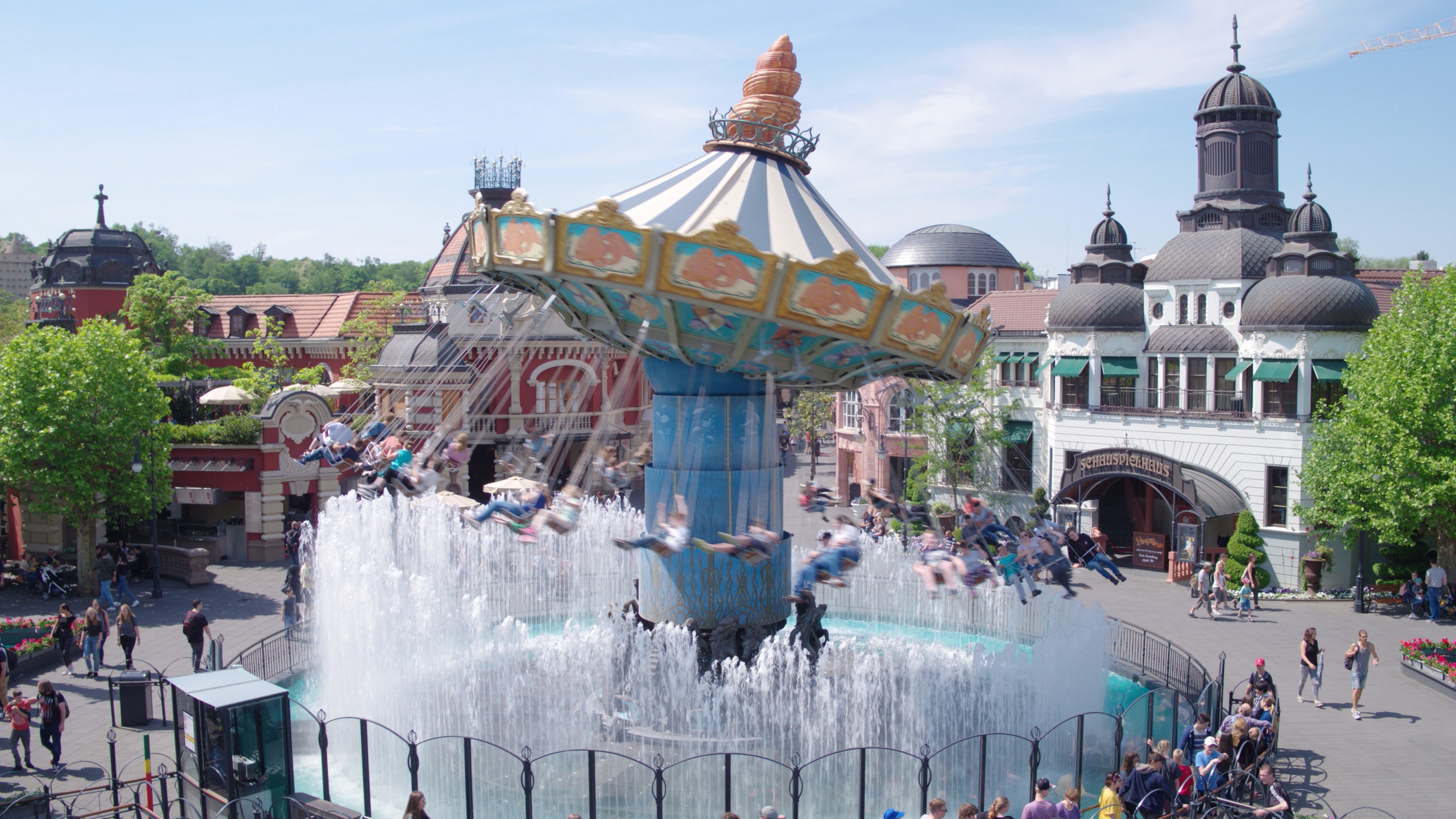
The accident occurred at the Ling Bao Hotel in the park. On that day, many residents who had just used the swimming pool began to develop symptoms such as respiratory discomfort. Subsequently, the fire department and emergency personnel received the alarm and rushed to the scene. After inspecting the swimming pool facilities, rescuers found that the automatic chlorination device malfunctioned and injected excessive amounts of chlorine-related chemicals into the swimming pool water.
According to information released by the fire department, a total of 15 personnel received medical examinations. Most of them suffered minor injuries, mainly characterized by respiratory tract irritation and discomfort. One tourist's injury was assessed as moderate and required to be hospitalized for observation, while the remaining medical personnel were in stable condition after treatment.
Investigators later discovered that the swimming pool involved was actually equipped with an automatic safety monitoring system. When the chlorine concentration exceeds the normal range, the system immediately sends an alarm notification to staff. However, during the incident, the relevant alert email was not successfully delivered to the operation staff.
The park further explained that the alert system mainly sent abnormal notifications via email. At that time, the world was experiencing a large-scale failure of Microsoft services, and many services including the Outlook mail system were affected. Although the security system had detected the anomaly and issued an early warning message according to the procedure, the staff never received the relevant email and therefore failed to take timely intervention measures.
After the incident was exposed, it triggered discussions about the over-reliance of critical security systems on a single communication channel. Some experts pointed out that when the early warning system relies entirely on network services such as email, once a platform-level failure occurs, the safety assurance chain may have a breakpoint, thereby amplifying the risk of accidents.
After the accident, the swimming pool involved was immediately closed. Firefighters and technical personnel conducted a comprehensive inspection of the equipment and replaced the pool water. After safety verification, the swimming pool has been reopened for use.
Fantasy Park stated that it will conduct further investigation into the entire incident, re-evaluate the existing security monitoring mechanism, and study the possibility of adding phone calls, text messages, or other independent alert channels to ensure that even if third-party service interruptions occur in the future, security risks can be discovered and dealt with as soon as possible.
This incident has also become one of the typical cases of recent Microsoft global service failures causing real-life chain impacts. Although the automatic monitoring system originally used to ensure the safe operation of the swimming pool detected problems and issued an alarm normally, it ultimately failed to prevent the accident due to the failure of the key notification link, causing many tourists to be affected.
Comments