
Abstract:
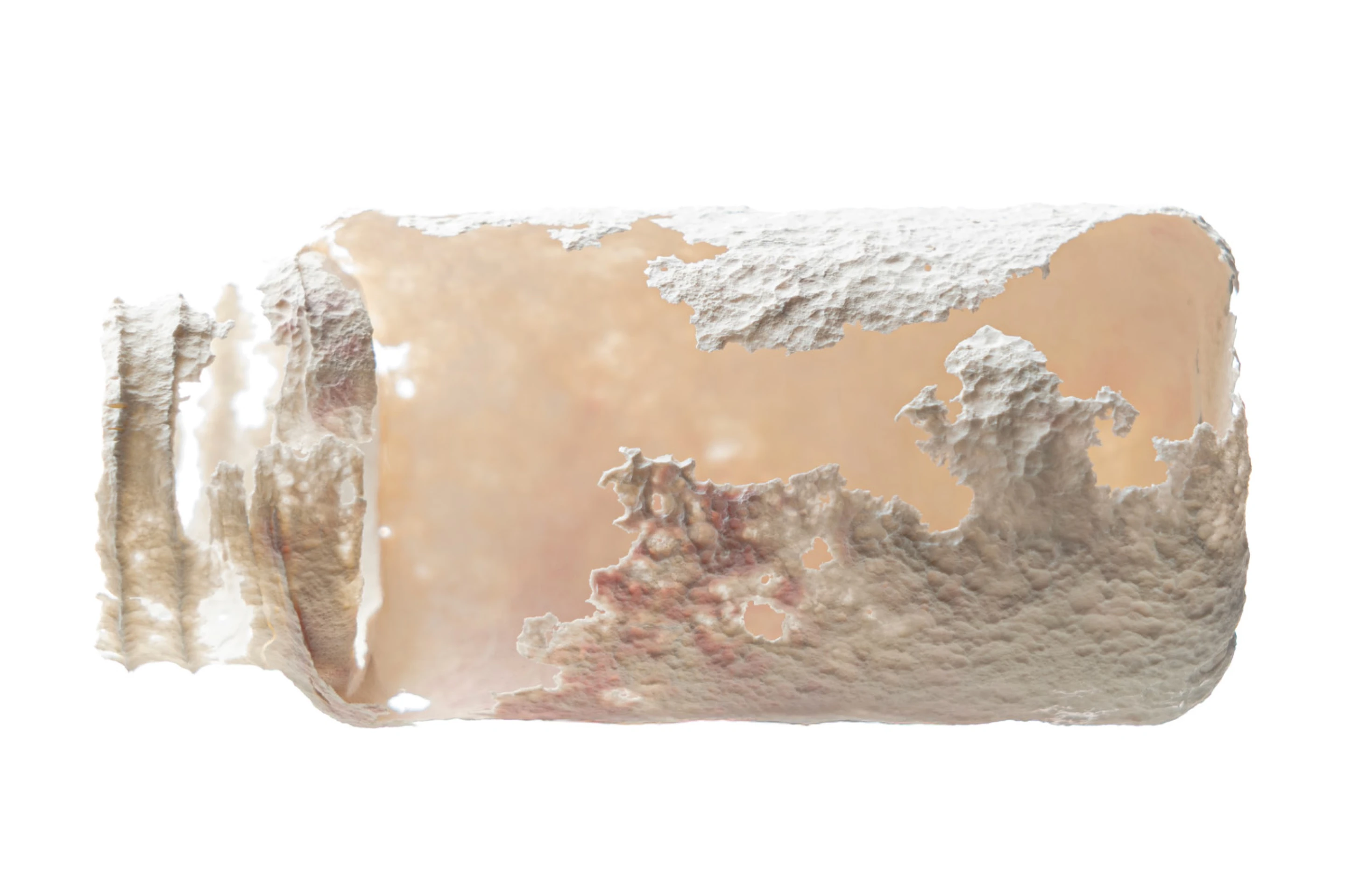
Shellworks, a British materials science start-up, recently launched a new biomaterial called Vivomer. The material is highly similar to traditional plastics in appearance, feel and processing methods, but can be degraded within months in the natural environment. It is regarded by the industry as one of the solutions closest to "ideal environmentally friendly plastics".
The scientific community has long been searching for new materials that have the practical properties of plastics without long-term accumulation in the environment. Not only is Vivomer waterproof, it's also certified food contact safe for food storage and is dishwasher safe. Researchers believe it has the potential to reduce society's reliance on plastic packaging derived from fossil fuels and alleviate the problem of plastic waste accumulating in landfills over time.
London-based Shellworks was founded in 2019 and focuses on sustainable materials research and development. The company launched the world's first plastic-free dropper product in 2025, for which it won the Pentawards award in the field of packaging design. Earlier this year, the company also completed US$15 million in financing to expand production scale and promote commercialization.
Vivomer is made from second-generation plant-based ingredients derived primarily from agricultural and industrial by-products. During the production process, researchers use natural bacteria for microbial fermentation to generate natural polymers within the cells. Subsequently, these polymers are extracted and processed into particles, and then manufactured into various containers and products through mature processes such as injection molding and extrusion. The production method is very similar to traditional plastic products.
It is worth noting that existing plastic production equipment can process Vivomer with little modification, which lowers the threshold for industrial promotion. Depending on the needs, the material can also be adjusted to different hardness and flexibility, and can achieve matte, glossy or soft-touch surface effects, while supporting color customization and label printing.
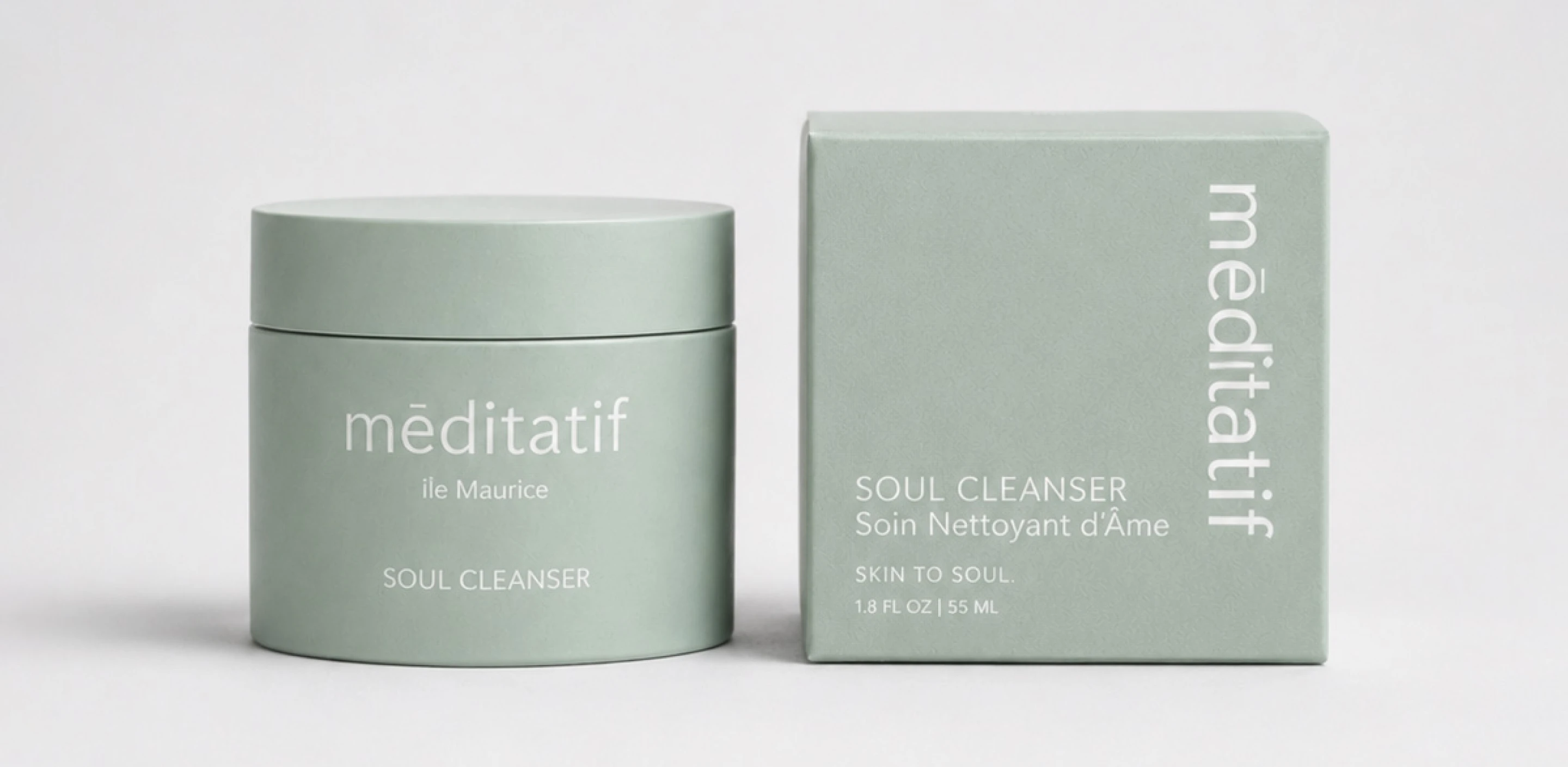
Currently, Shellworks is positioning Vivomer as a substitute for materials such as ABS, HDPE, TPE, and silicone, focusing on the food and cosmetic packaging markets. The company said that the complete development cycle from material formula optimization to packaging finished product design can take only about six months at the fastest.
From a technical classification perspective, Vivomer is a polyhydroxyalkanoate (PHA) material. This type of polyester is produced by microorganisms in nature and is therefore often classified as a bioplastic. However, unlike bioplastics such as polylactic acid (PLA), which require industrial composting facilities to effectively decompose, Vivomer can be degraded directly in a home composting environment without the need for additional high-temperature industrial processing conditions.
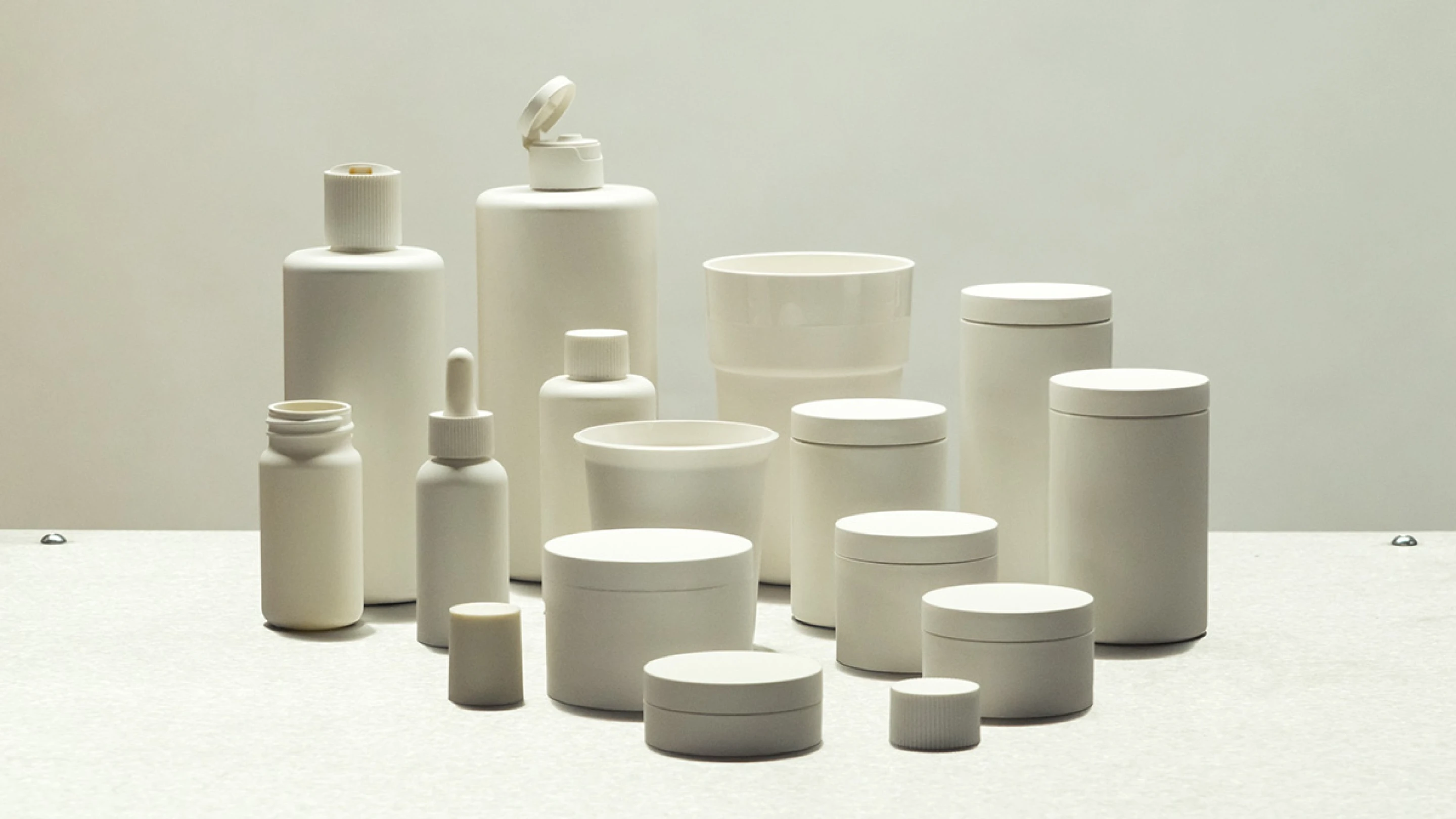
In addition, the material is entirely plant-derived and contains no petrochemical additives or hazardous chemicals of concern such as bisphenol A (BPA) and per- and polyfluoroalkyl substances (PFAS).
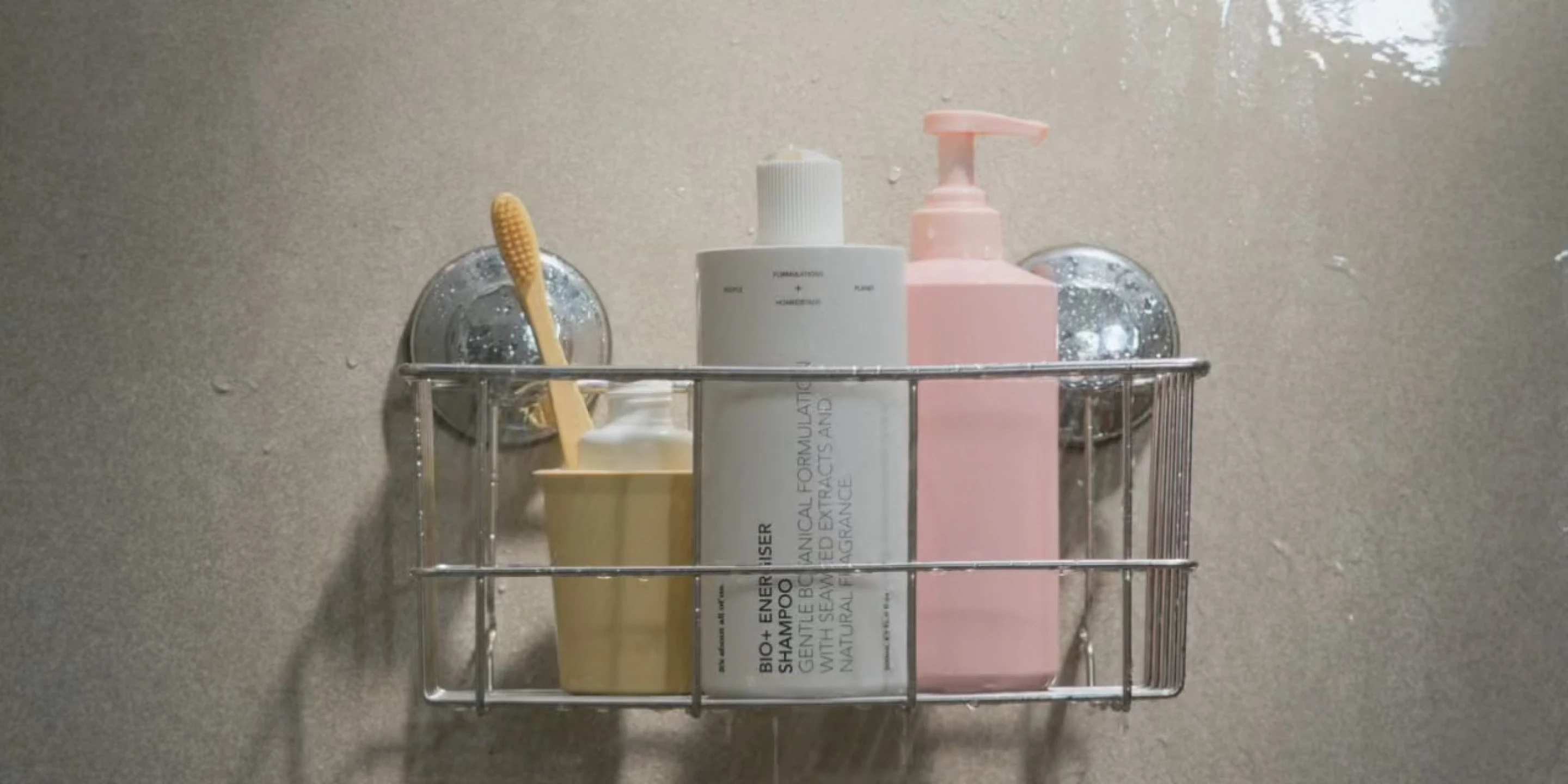
In terms of durability, Shellworks said that Vivomer is dishwasher-resistant and moisture-proof, and can remain stable for more than three years under normal shelf conditions, so it can be used to make reusable bottles, cans and other containers.
So far, the company has shipped more than 8 million parts and components from its production bases in the UK, EU and the United States. Brands such as Wild Cosmetics and Abel Fragrance are already using it in products such as refill containers and perfume bottle caps. Recently, Vivomer has also been used to make squeezable almond butter packaging bottles.
However, this material is not available for all products. Shellworks pointed out that Vivomer can provide good storage performance for most food and cosmetics, but products with an alcohol concentration of more than 15% may not be suitable for packaging in this material.
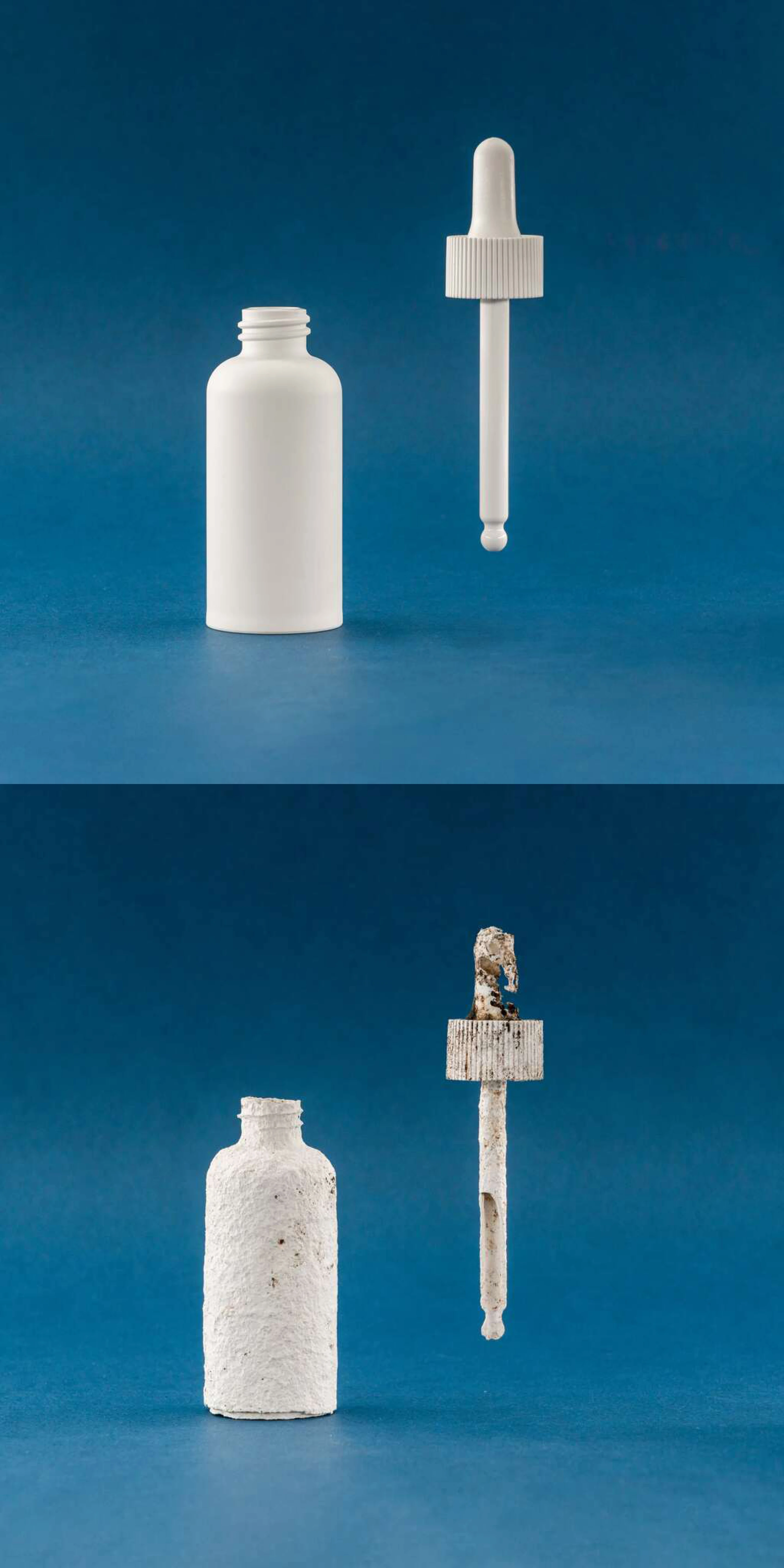
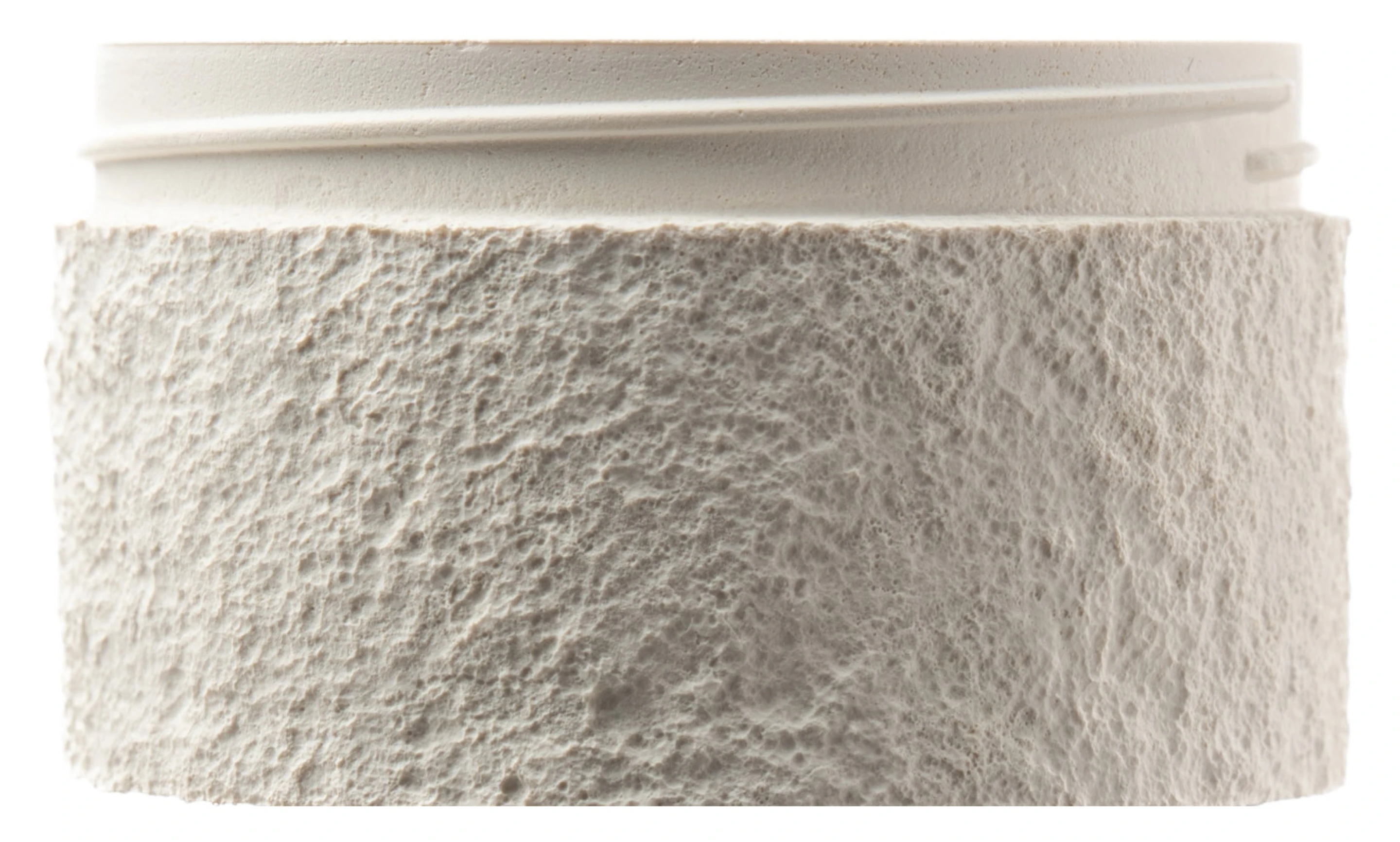
Unlike traditional plastics, which often take decades or longer to decompose, Vivomer typically biodegrades within months in a home compost bin or landfill. The actual rate of degradation will be affected by factors such as material thickness, temperature, humidity, etc., but as long as bacteria have access to the material, the decomposition process will continue.
Although Vivomer is technically recyclable, the relevant recycling system is not yet widespread around the world. Industry insiders believe that building a dedicated recycling network will only become economically feasible once the material is used on a larger scale.
Cost remains an important challenge for its large-scale promotion. According to Shellworks, Vivomer currently costs about twice as much as traditional plastic, which may make some brands wary of adoption. However, the company emphasized that as the scale of production expands, costs will decrease significantly. When the annual demand reaches millions of pieces, its cost has become competitive with packaging materials such as recycled plastic, glass and aluminum.
Shellworks stated that it will continue to expand production capacity and reduce production costs in the future. Although Vivomer cannot fundamentally reduce the total amount of waste produced by humans, it can return these wastes to the ecological cycle faster in the natural environment, unlike traditional plastics that remain for a long time.
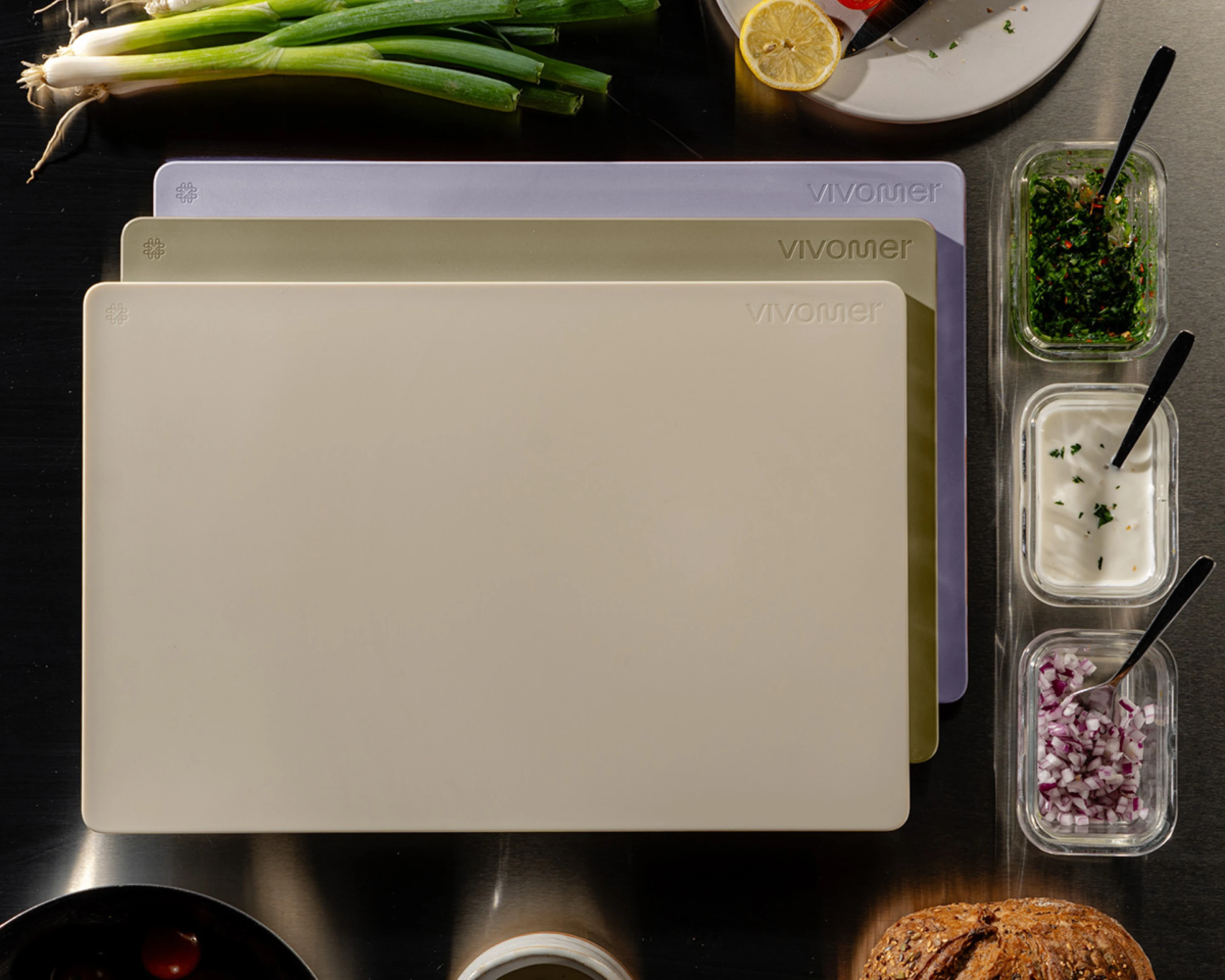
In order to allow consumers to experience this material for themselves, the company also launched a cutting board product made of Vivomer. The product measures approximately 255mm x 380mm x 10mm and sells for about US$50. It is stain-resistant, can cut meat and seafood, supports dishwasher cleaning, and does not release microplastic particles.
Comments